

MUMBAI – A high-stakes standoff between the world’s leading conservationists and India’s most powerful corporate family has escalated. A coalition of 27 prominent global conservation organizations has issued a formal demand for a permanent cessation of wild animal imports to Vantara, the massive private zoo and rescue sanctuary owned by the Ambani family.
The letter, addressed to Vantara’s leadership, serves as a direct rebuttal to the facility’s recent announcement of a temporary moratorium on imports. The conservation groups argue that a mere pause is insufficient to address systemic concerns regarding wildlife trafficking, the transparency of animal origins, and the ethical implications of a private entity amassing a collection of nearly 50,000 animals, including some of the world’s rarest species.
Main Facts: The Growing Pressure on Vantara
On September 22, 2026, a letter signed by 27 international NGOs—including the Jane Goodall Institute Global, Pro Wildlife, the Pan African Sanctuary Alliance (PASA), and the Born Free Foundation—was delivered to Amit Aggarwal, Vantara’s President of Regulatory Affairs. The letter demands that Vantara transition its temporary moratorium into a permanent policy against the import of wild-caught animals.
The controversy centers on Vantara, a sprawling facility in Jamnagar, Gujarat, which describes itself as a global leader in animal rescue and rehabilitation. However, the scale of its acquisitions has drawn intense scrutiny. As of late 2025, the facility was reported to house at least 47,633 animals.
The coalition’s primary concerns include:
- The "Stockpiling" Risk: Conservationists warn that a temporary moratorium (currently set to expire in June 2027) signals to the global wildlife market that demand will resume, potentially encouraging traffickers to "stockpile" animals in anticipation of the window reopening.
- Independence of Oversight: While Vantara has appointed high-profile figures to its internal committees, critics point out that these individuals are compensated by and answerable to the facility, creating potential conflicts of interest.
- Transparency of Records: The coalition is calling for a full public inventory of every animal in Vantara’s possession, including detailed source codes, health records, and "means of disposal" for deceased specimens.
- The Definition of "Rescue": The groups argue that many species currently at Vantara, such as the Tapanuli orangutan, are not known to be captive-bred, suggesting they may have been sourced from the wild under the guise of "rescue."
Chronology: A Timeline of Rapid Expansion and Regulatory Friction
The rise of Vantara has been meteoric, paralleled by a series of legal and international regulatory challenges. To understand the current impasse, one must look at the sequence of events over the past several years:
2024–2025: The Accumulation Phase
Under the leadership of Anant Ambani, Vantara rapidly expanded its footprint. By September 2025, the facility’s inventory reached nearly 48,000 animals. During this period, reports began to surface regarding the massive scale of international transfers, particularly from regions in Africa and Southeast Asia.

Late 2025: CITES Raises the Alarm
The Secretariat of the Convention on International Trade in Endangered Species of Wild Fauna and Flora (CITES) issued a report raising "serious concerns" regarding the scale of imports approved by Indian authorities for Vantara. The report highlighted discrepancies in "source codes"—the labels used to identify whether an animal was bred in captivity or taken from the wild.
November 2025: The Supreme Court and the SIT
A Special Investigation Team (SIT) constituted by the Supreme Court of India investigated Vantara’s acquisition processes. While the SIT cleared the facility of illegal activity at the time, the CITES Secretariat remained skeptical, noting that many of the imported animals lacked a documented history of captive breeding.
May 2026: Judicial Mandates for Reform
The Supreme Court dismissed a petition for a fresh probe but recognized the need for tighter regulations. The Court directed the Indian government to draft a Standard Operating Procedure (SOP) for animal imports, specifically to align Indian law with the recommendations of the CITES Secretariat. This SOP was intended to provide a "forward-looking" framework for due diligence.
June–August 2026: The Moratorium
Vantara made its last recorded animal acquisition on June 5, 2026. On August 19, the facility announced a voluntary temporary pause on all imports until June 2027, citing a desire to finalize its internal vetting systems and "hold itself to standards beyond what the law requires."
September 2026: The Global Response
On September 22, the coalition of 27 NGOs issued their letter, rejecting the temporary nature of the moratorium and calling for a permanent shift in policy.
Supporting Data: Species, Scale, and the Vetting Committee
The sheer scale of Vantara’s operations distinguishes it from any other private zoo or rescue center in the world. The following data points highlight why global conservationists are particularly concerned:
1. The Inventory of Concern
Among the tens of thousands of animals at Vantara are species that are on the brink of extinction or are biologically unsuitable for mass captive environments:

- Tapanuli Orangutan (Pongo tapanuliensis): Discovered only in 2017, this is the rarest great ape species. There is no established captive breeding program for them, yet specimens have been reported at the facility.
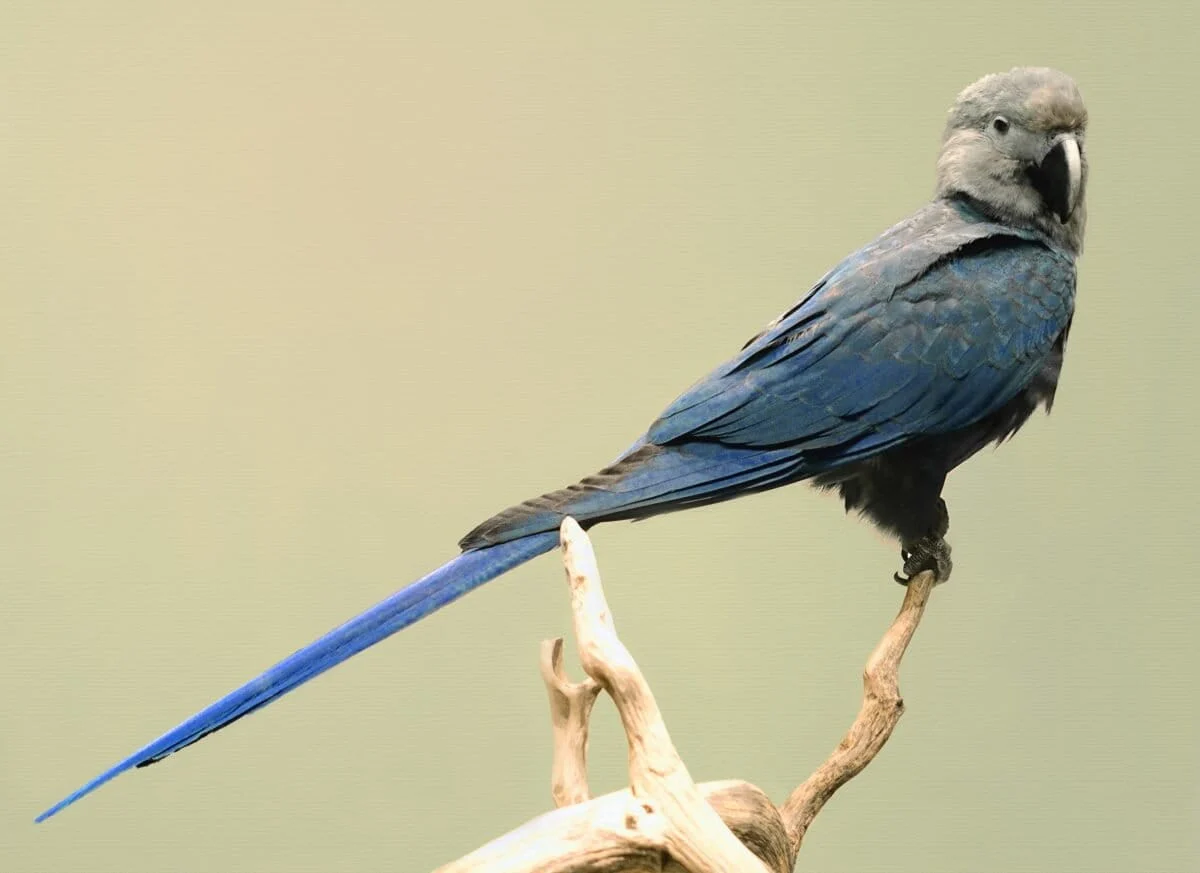
- Spix’s Macaw (Cyanopsitta spixii): A bird species once declared extinct in the wild. Its presence in a private Indian facility, rather than a range-state rehabilitation center, has raised eyebrows.
- Snow Leopards (Panthera uncia): High-altitude predators whose housing in the tropical climate of Gujarat requires massive artificial climate control, raising animal welfare questions.
2. The Internal Governance Structure
Vantara has recruited an "A-list" of conservation and legal experts to lead its new three-tiered vetting mechanism:
- The Governing Council: Chaired by John E. Scanlon AO, the former Secretary-General of CITES.
- The Due Diligence Committee: Led by Jonathan Barzdo, another former CITES official.
- The Advisory Board: Includes Dr. Manilal Valliyate (former CEO of PETA India) and Dr. Matti Kiupel (Michigan State University).
Despite these prestigious names, the September 22 letter points out that "panel members may be compensated by Vantara and are appointed and subject to dismissal by Vantara." The coalition argues that without independent funding or a mandate that is shielded from the owner’s influence, the committees cannot be considered truly independent.
Official Responses: Vantara vs. The Conservation Community
Vantara’s Stance: "Setting New Standards"
In its official statement, Vantara maintains that its goal is to become a "center of excellence." The facility claims it is shifting its focus toward in-situ conservation—supporting animals within their natural habitats—rather than bringing them to India.
Vantara’s leadership stated: "Vantara is choosing to hold itself to standards beyond what the law requires, in order to build trust and confidence with national authorities, the CITES Parties, and the wider conservation community." They emphasize that the new three-tiered vetting process will ensure that every future import is scientifically verified and legally acquired.
The Coalition’s Rebuttal: "A Risk of Trafficking"
The coalition of 27 NGOs remains unconvinced. Their letter argues that the prospect of a wealthy entity like Vantara funding "rescue" programs in developing nations could inadvertently create a market for wild-caught animals.
"We are concerned that without strong safeguards in place, the prospect of funding for alleged rescue or conservation programmes might provide an incentive for the sourcing of animals from the wild, either from illegal sources or from commercial trade," the letter states. They advocate for a policy of "no payments" for the transfer of animals to ensure that no financial incentive exists for the capture of wildlife.
The Regulatory Gap
The Indian government has yet to release the Standard Operating Procedure (SOP) mandated by the Supreme Court in May. The Court had given a three-month deadline for the government to consult with the CITES Secretariat and finalize these rules. The delay in this regulatory framework has created a vacuum, which Vantara is currently filling with its own voluntary, internal commitments.

Implications: The Future of Global Wildlife Conservation
The conflict over Vantara touches on several broader themes in 21st-century conservation:
1. The Ethics of "Mega-Sanctuaries"
Vantara represents a new model of "private-sector conservation" where the resources of a multi-billion-dollar family are used to create an artificial ecosystem. While Vantara argues this is a form of philanthropy, critics see it as a form of "wildlife hoarding" that removes animals from their natural ecological contexts and national heritage.
2. Repatriation vs. Captivity
The conservation coalition is pushing for a "repatriation first" policy. They argue that if an animal is truly rescued from the illegal trade, the priority should be returning it to its "range state" (its country of origin) for rehabilitation and release. Keeping these animals in a private facility in India, they argue, serves the facility’s interests more than the species’ survival.
3. The Power of Financial Influence
As noted by the conservationists’ letter, Vantara possesses "substantially greater financial, legal, professional, and political resources" than the NGOs and researchers attempting to monitor it. This power imbalance makes transparency even more critical. If a private entity can hire the very regulators who used to oversee the trade (such as former CITES officials), the line between "compliance" and "influence" becomes blurred.
4. The Shift to In-Situ Support
One potential positive outcome of this pressure is Vantara’s promised shift toward in-situ conservation. Meganne Natali, a legal consultant on wildlife crime, noted that "the first question should increasingly be: why does this animal need to be moved at all?" If Vantara uses its vast wealth to protect habitats in Africa and Southeast Asia rather than importing animals to Gujarat, it could mark a significant turning point in the facility’s global reputation.
As the June 2027 deadline for the moratorium approaches, the eyes of the international community will remain on Jamnagar. The decision to either resume imports or heed the call for a permanent halt will likely determine whether Vantara is remembered as a visionary sanctuary or a cautionary tale of private ambition in the world of wildlife conservation.
