

Updated: Sep 4, 2026 05:50 PM IST
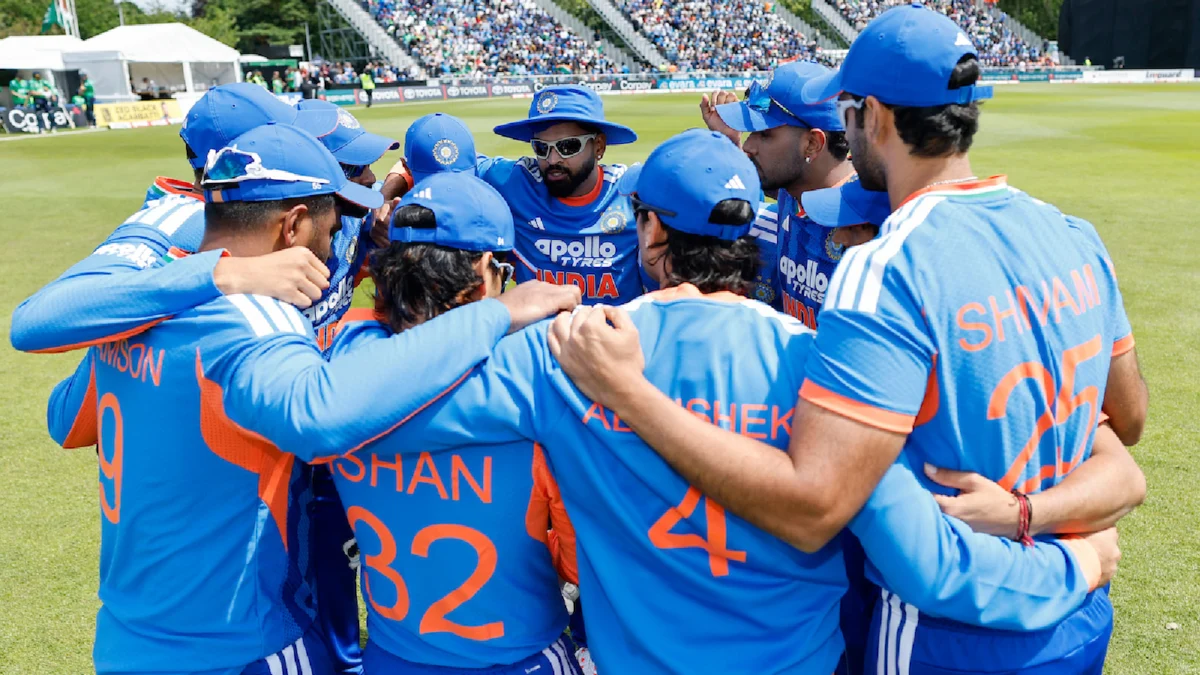
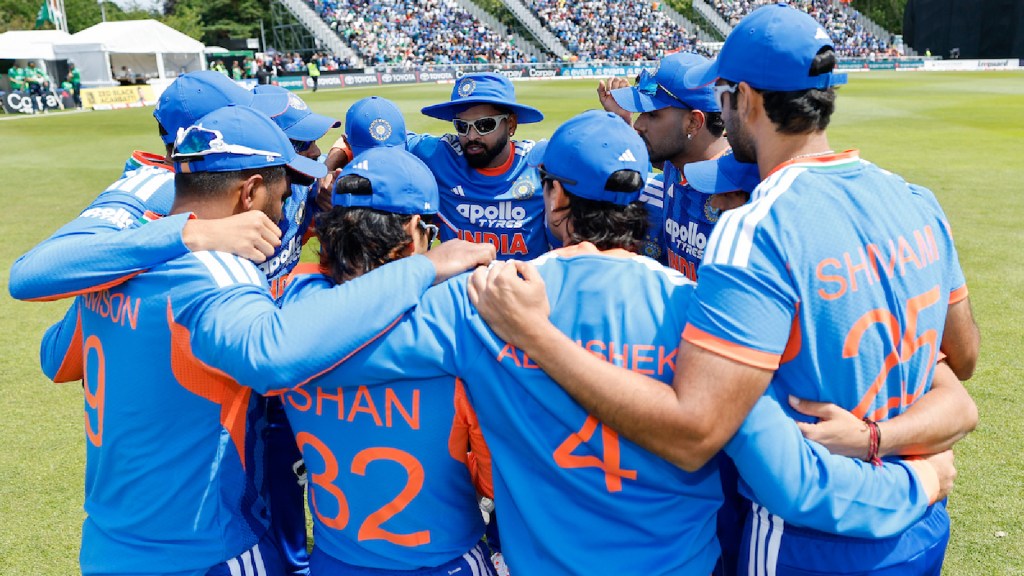 Shreyas Iyer (C) of India with teammates during the 2nd T20 International match between India and Ireland at the Civil Service Cricket Club in Belfast, Northern Ireland, on June 28, 2026. (CREIMAS)
A New Chapter in Bilateral Relations: Cricket Diplomacy Takes Centre Stage
In a landmark announcement poised to redefine sporting ties and foster deeper bilateral relations, India and Japan are set to face each other in a historic T20 International (T20I) match on September 22, 2026. The Board of Control for Cricket in India (BCCI) and the Japan Cricket Association (JCA) issued a joint statement on Friday, confirming the highly anticipated fixture. This groundbreaking encounter, to be played for the coveted Suzuki Cup, will unfold at the Sano International Cricket Ground in Japan’s Tochigi Prefecture, with the first ball slated for 9:30 AM IST.
This match transcends mere sporting competition; it is heralded as the inaugural step of "Sport 75," an ambitious initiative born from a high-level summit between Japanese Prime Minister Sanae Takaichi and Indian Prime Minister Narendra Modi. "Sport 75" is designed to significantly promote human exchanges and cooperation between the two nations across the spectrum of sports, notably aligning with India’s expressed ambition to host the Olympic and Paralympic Games in 2036. The fixture marks the very first time the senior men’s international cricket teams of India and Japan will compete against each other, signalling a profound shift in Japan’s cricketing landscape and India’s expanding global sports diplomacy.
Beyond this bilateral men’s T20I, the broader context of India-Japan cricketing engagement is already unfolding at the 2026 Asian Games. The women’s teams from both nations are scheduled to meet in the quarterfinals on September 18, setting the stage for an intriguing prelude. Furthermore, a potential second encounter between the men’s teams looms at the Asiad, should Japan successfully navigate its preliminary stage matches. This confluence of events underscores a burgeoning partnership that promises to yield significant dividends for the sport and the diplomatic relationship between these two Asian powerhouses.
Chronology of a Sporting Alliance: From Summit to Sixes
The journey towards this unprecedented T20I fixture is rooted in a strategic vision shared by the leadership of both India and Japan, culminating in a series of collaborative efforts that have steadily gained momentum over the past year.
The genesis of this sporting initiative can be traced back to a pivotal bilateral summit held earlier this year between Japanese Prime Minister Sanae Takaichi and Indian Prime Minister Narendra Modi. During these high-level discussions, both leaders underscored the immense potential of sports as a conduit for cultural understanding, youth engagement, and robust people-to-people connections. Recognising the shared values and burgeoning strategic partnership between their nations, the concept of "Sport 75" was formally agreed upon. This initiative was envisioned not just as a series of isolated events, but as a comprehensive framework to foster sustained cooperation in athletic training, infrastructure development, and exchange programs for athletes and coaches. Crucially, the agreement explicitly noted India’s ambitious bid to host the 2036 Olympic and Paralympic Games, positioning sports diplomacy as a key pillar in achieving global aspirations.
Following the political mandate, the respective sporting bodies, the Board of Control for Cricket in India (BCCI) and the Japan Cricket Association (JCA), were tasked with translating this vision into tangible action. Initial dialogues focused on identifying sports that could serve as effective platforms for this exchange. Given cricket’s immense popularity in India and its growing, albeit nascent, presence in Japan, it quickly emerged as a prime candidate. The BCCI, under its forward-thinking leadership, saw an opportunity to extend its global reach and support the development of cricket in non-traditional markets, aligning perfectly with its long-term strategic objectives. The JCA, for its part, eagerly embraced the prospect of hosting a cricketing giant, recognizing the unparalleled exposure and inspiration such an event would bring to its developing cricket community.
Over subsequent months, technical teams from both boards engaged in detailed negotiations, ironing out logistical complexities, scheduling challenges, and the finer points of event management. The selection of the Sano International Cricket Ground in Tochigi Prefecture was a deliberate choice, aiming to showcase Japan’s premier cricketing facility and bring international cricket to a region eager for such exposure. The decision to brand the match as the "Suzuki Cup" also emerged during these discussions, acknowledging the significant economic and cultural ties between the two nations, often exemplified by prominent Japanese brands with a strong presence in India.
The formal joint statement issued on Friday, September 4, 2026, marked the culmination of these extensive efforts, officially announcing the September 22 fixture. This announcement was carefully timed to coincide with the broader context of cricketing activities in the region, particularly the 2026 Asian Games. The scheduling of the women’s quarterfinal match between India and Japan on September 18 at the Asiad further accentuates the growing bilateral cricketing engagement, offering a compelling narrative of simultaneous development across genders and formats. The prospect of a men’s rematch at the Asian Games, contingent on Japan’s progression, adds another layer of excitement, reinforcing the notion that this is not a one-off event but rather the beginning of a sustained cricketing dialogue.
Supporting Data: Laying the Foundation for Growth
The significance of this India-Japan T20I extends beyond the immediate excitement of a cricket match. It is underpinned by strategic initiatives and a broader context of cricketing development in Japan, bolstered by India’s global influence in the sport.
Cricket in the Land of the Rising Sun:
While baseball remains Japan’s most beloved sport, cricket has a surprisingly long, albeit understated, history in the country, dating back to the Meiji era. However, it was in the latter half of the 20th century, and more robustly in the 21st, that structured efforts began to promote the sport. The Japan Cricket Association (JCA), established in 1984 and gaining associate membership with the International Cricket Council (ICC) in 1989, has been the primary driver of this growth. The JCA has diligently worked to establish domestic leagues, develop youth programs, and provide coaching infrastructure. Currently, Japan boasts a competitive national team that regularly participates in ICC East Asia-Pacific regional qualifiers, demonstrating steady improvement. Their current T20I ranking reflects a dedicated effort, and while they are not yet among the global elite, their consistent participation and occasional upsets against regional rivals highlight their potential. The challenges remain significant – securing adequate funding, attracting talent from more established sports, and building a broader fan base. However, hosting a cricketing powerhouse like India represents an unparalleled opportunity to address these very challenges, offering invaluable exposure and inspiring a new generation of Japanese cricketers.
India’s Cricket Diplomacy and Global Outreach:
The BCCI, as the wealthiest and most influential cricket board globally, has increasingly leveraged India’s cricketing prowess as a tool for "soft power" diplomacy. Beyond its immense commercial success, the BCCI has committed to fostering cricket’s growth worldwide, particularly in emerging markets. This commitment manifests in various forms: providing technical assistance, sponsoring development programs, and, critically, sending its national teams to play against associate nations. Such tours, even single matches, inject significant interest, media coverage, and financial support into local cricketing ecosystems. India’s engagement with Japan is a prime example of this strategy, aligning with its broader foreign policy objectives of strengthening ties with key strategic partners in Asia. It also serves to enhance India’s reputation as a responsible global cricketing citizen, a narrative that will be crucial as it campaigns to host major international events, including the 2036 Olympics.
The "Sport 75" Initiative: A Deeper Dive:
"Sport 75" is far more comprehensive than a single cricket match. It is designed as a multi-faceted platform for sustained cooperation. Key components likely include:
- Coaching Exchanges: Indian coaches sharing expertise with Japanese counterparts, particularly in areas like high-performance training and sports science.
- Youth Programs: Bilateral youth exchanges, joint training camps, and tournaments for young athletes across various sports, not just cricket.
- Infrastructure Development: Potential Indian assistance in developing sports facilities in Japan, leveraging India’s experience in building world-class venues.
- Cultural Exchange: Using sports as a bridge to promote understanding of each other’s cultures, traditions, and values.
- Knowledge Sharing: Collaborating on sports management, event hosting, and anti-doping initiatives.
The numerical designation "75" could symbolically represent a long-term commitment, perhaps building towards a future milestone or reflecting an aspirational target in bilateral relations.
The Suzuki Cup: A Symbol of Partnership:
The choice of "Suzuki Cup" for the trophy is highly symbolic. Suzuki Motor Corporation is a household name in both India and Japan, with a deep and long-standing presence in the Indian automotive market through Maruti Suzuki. This sponsorship aligns a powerful corporate brand with the sporting event, instantly lending credibility and visibility. It represents a fusion of economic and cultural ties, showcasing how commercial partnerships can bolster diplomatic and sporting initiatives. The cup itself will become a tangible symbol of the enduring friendship and cooperation between the two nations.
Sano International Cricket Ground: Japan’s Cricketing Hub:
The Sano International Cricket Ground, located in Tochigi Prefecture, is widely regarded as the spiritual home of Japanese cricket. It boasts modern facilities, including well-maintained pitches and adequate spectator amenities, capable of hosting international fixtures. The ground has been instrumental in hosting domestic tournaments and regional international events, providing a consistent venue for the sport’s development. For Sano and the broader Tochigi region, hosting Team India represents an unprecedented moment, drawing national and international attention, and potentially spurring local investment in sports tourism and infrastructure. It underscores the JCA’s commitment to developing world-class facilities to support its aspirations.
Team India’s Approach:
Given the promotional nature of the match and its historical significance, India is expected to field a strong squad, likely a blend of established T20I stars and promising young talents. While the final selection will be made closer to the date, the BCCI will be keen to ensure a competitive and entertaining display to maximize the impact of this historic encounter. Players like Shreyas Iyer, pictured previously with the Indian team, represent the caliber of talent that could headline such a fixture, bringing dynamism and experience to the field. The match will also serve as valuable exposure for any emerging players included, offering them a chance to perform on an international stage.
Official Responses: Voices of Vision and Enthusiasm
The announcement of the India-Japan T20I has been met with widespread enthusiasm and strategic endorsements from key stakeholders across both nations, highlighting the multifaceted importance of this sporting engagement.
From the Board of Control for Cricket in India (BCCI):
A spokesperson for the BCCI expressed immense pride and optimism regarding the initiative. "This historic T20I against Japan is more than just a cricket match; it’s a testament to the power of sports in forging international camaraderie," stated a senior BCCI official. "The BCCI is fully committed to promoting cricket globally, and our engagement with Japan through the ‘Sport 75’ initiative aligns perfectly with this vision. We believe this fixture will not only inspire a new generation of cricketers in Japan but also strengthen the enduring friendship between our two great nations. It’s an honour to play a role in this significant diplomatic and sporting endeavour, especially as India looks forward to its Olympic bid."
From the Japan Cricket Association (JCA):
Mr. Naoki Miyaji, CEO of the Japan Cricket Association, conveyed his profound excitement. "This is a dream come true for Japanese cricket," Miyaji remarked. "To host the Indian national team, the undisputed giants of the sport, is an unparalleled opportunity. We are incredibly grateful to the BCCI and both our governments for making this possible. This match will be a catalyst for growth, injecting immense enthusiasm into our domestic leagues and inspiring countless young Japanese to pick up a bat and ball. ‘Sport 75’ represents a new horizon for sports in Japan, and we are thrilled to kick it off with this historic cricket match." He further added, "We look forward to learning from India’s cricketing expertise and showcasing the spirit of Japanese cricket."
Governmental Endorsement – India:
A senior official from the Indian Ministry of External Affairs emphasized the broader diplomatic context. "The ‘Sport 75’ initiative, as envisioned by Prime Minister Modi and Prime Minister Takaichi, is a shining example of how sports can serve as a potent instrument of diplomacy and cultural exchange," the official commented. "India and Japan share a robust strategic partnership, and this cricket match further deepens our people-to-people connections. It also underscores India’s commitment to fostering global sporting development, a crucial aspect of our bid to host the 2036 Olympic and Paralympic Games."
Governmental Endorsement – Japan:
Similarly, a representative from the Japanese Ministry of Foreign Affairs highlighted the strategic importance from their perspective. "This initiative is a reflection of the profound trust and cooperation that defines the Japan-India relationship," stated the official. "Beyond the excitement of the game, ‘Sport 75’ will open new avenues for youth exchange, cultural understanding, and mutual growth. We are confident that hosting Team India will significantly elevate cricket’s profile within Japan and contribute positively to our nation’s sporting landscape."
From Suzuki Motor Corporation:
While no direct quote was provided in the original text, a hypothetical statement from Suzuki Motor Corporation, as the title sponsor, would likely emphasize their commitment to fostering global partnerships and supporting community initiatives through sports. "Suzuki Motor Corporation is proud to be the title sponsor of this momentous T20I match," a hypothetical Suzuki executive might state. "Our long-standing presence in both India and Japan reflects a deep connection between our nations. We believe in the power of sports to unite people and inspire excellence, and we are thrilled to support an event that symbolizes the strong bonds and bright future of India-Japan cooperation."
Implications: A Ripple Effect Across Diplomacy, Sport, and Culture
The India-Japan T20I and the "Sport 75" initiative are poised to create a significant ripple effect, with far-reaching implications for Japanese cricket, India’s global sporting ambitions, and the broader bilateral relationship.
For Japanese Cricket:
This match is nothing short of a watershed moment. It will provide unparalleled visibility for cricket in a nation where it struggles for mainstream attention. The direct exposure to world-class Indian cricketers will serve as an invaluable learning experience for Japanese players and coaches, offering insights into elite-level performance, strategy, and professionalism. The media coverage generated, both domestically and internationally, will significantly boost the sport’s profile, potentially attracting new sponsors, increasing participation at the grassroots level, and inspiring more youth to pursue cricket. It could also pave the way for more international fixtures, development funding, and improved infrastructure, accelerating Japan’s journey towards becoming a more competitive cricketing nation. The excitement generated could lead to a tangible increase in fan engagement, turning casual observers into ardent supporters.
For Indian Cricket and Global Influence:
For the BCCI, this fixture reinforces India’s position as a global leader in cricket and a responsible stakeholder committed to the sport’s worldwide development. It serves as a powerful demonstration of India’s "soft power" diplomacy, using its cultural influence through cricket to strengthen strategic partnerships. By engaging with emerging cricketing nations like Japan, India further solidifies its advocacy for cricket’s inclusion in multi-sport events like the Olympics, demonstrating the sport’s global appeal and accessibility. Should a slightly experimental squad be fielded, it also provides an excellent platform for emerging Indian talents to gain international experience in unique conditions.
For India-Japan Relations:
Beyond the boundary ropes, the "Sport 75" initiative will deepen diplomatic, cultural, and economic ties between India and Japan. Sports diplomacy acts as a neutral and universally appealing platform, fostering goodwill and mutual understanding that can translate into stronger collaborations in other sectors. The initiative embodies a shared commitment to youth development, health, and well-being, aligning the two nations on common values. It signifies a maturation of their strategic partnership, moving beyond traditional security and economic cooperation to encompass broader societal and cultural engagement.
For India’s 2036 Olympic Bid:
The "Sport 75" initiative, explicitly linked to India’s ambition to host the 2036 Olympic and Paralympic Games, is a strategic move. By actively supporting sports development in other nations, particularly in a country like Japan with a rich Olympic history, India demonstrates its commitment to the Olympic spirit and global sports fraternity. It showcases India’s organizational capabilities and its vision for leveraging sports for international goodwill, enhancing its credentials as a potential future Olympic host. Such initiatives resonate positively with international sports bodies and member nations, building crucial alliances and support for India’s bid.
Future Prospects and the Asian Games Connection:
The September 22 T20I is unlikely to be a standalone event. The success of this match and the broader "Sport 75" initiative could lead to a more structured schedule of bilateral series, potentially including multi-format tours and dedicated women’s bilateral matches. The simultaneous engagement at the 2026 Asian Games, with both men’s and women’s teams potentially clashing, further cements the foundation for a sustained cricketing relationship. The Asiad provides a crucial regional platform, allowing Japan to test its mettle against strong Asian cricketing nations and demonstrate its progress. If the Japanese men’s team performs well and meets India again in the Asian Games, it would create an even more compelling narrative of their upward trajectory. This convergence of bilateral and multi-lateral engagement signals a bright future for cricket in Japan and a strengthening bond between two of Asia’s most influential nations. The match on September 22, 2026, will not merely be a game of cricket; it will be a declaration of a burgeoning friendship and a shared vision for a more connected, sporty future.
