

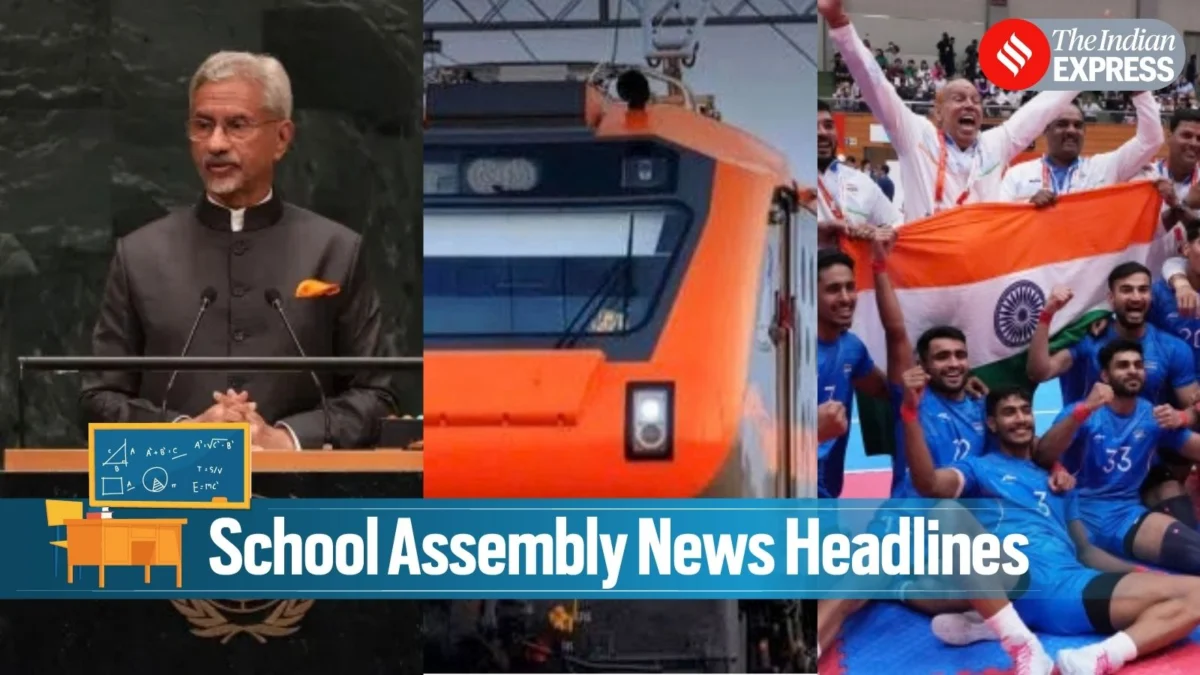
New Delhi, September 28, 2026 – A confluence of significant events is set to shape the national discourse as India navigates a potentially disruptive banking sector strike, confronts persistent diplomatic challenges, and celebrates remarkable achievements in the sporting arena. As the nation awakens to a new week, news headlines underscore a dynamic interplay of economic concerns, geopolitical realities, and the indomitable spirit of Indian athletes. The coming days promise to be a period of heightened activity, requiring careful observation and strategic responses from both governmental bodies and the public.
Banking Sector Faces Nationwide Disruption Amidst Strike Action
Main Facts: The Indian banking sector is bracing for a significant disruption as the United Forum of Bank Unions (UFBU) initiates a three-day nationwide strike commencing today, September 28, 2026. The industrial action is expected to cripple a broad spectrum of banking operations across the country, impacting millions of customers and potentially reverberating through the broader economy. The strike, called by a coalition of nine bank unions representing officers and employees, is a culmination of prolonged negotiations over various demands, primarily centered on wage revisions and the alleged detrimental impact of recent banking reforms.
Chronology: The genesis of this strike can be traced back to several rounds of inconclusive discussions between the UFBU and the Indian Banks’ Association (IBA), the representative body for public sector banks. While the IBA has reportedly offered a wage hike, the UFBU deems it insufficient, citing a significant gap between the proposed increase and their long-standing demands. The unions have also expressed strong opposition to proposed amendments to banking laws that they believe could lead to privatization and consolidation of public sector banks, thereby impacting job security and service delivery. The decision to escalate to a nationwide strike was finalized after repeated attempts at conciliation failed to yield a satisfactory resolution.
Supporting Data: While specific figures on the total number of employees participating in the strike are still being collated, the UFBU claims to represent a substantial majority of the banking workforce in public sector banks. This translates to potentially tens of thousands of employees abstaining from work daily for the three-day period. The impact on daily transactions is projected to be substantial. ATMs are expected to be replenished less frequently, and while online banking services might remain operational, customer service desks, branch operations, and cheque clearing processes will likely face severe delays and cancellations. Historical data from previous banking strikes indicates a significant drop in transaction volumes and a surge in customer grievances. For instance, a similar strike in 2024 resulted in an estimated loss of several thousand crore rupees in potential economic activity due to stalled transactions and delayed fund transfers. The current strike, spanning three days, could exacerbate these economic repercussions.
Official Responses: The Reserve Bank of India (RBI) and the Ministry of Finance have acknowledged the impending strike and have urged the UFBU to reconsider their decision, emphasizing the need for continued dialogue to resolve the issues amicably. While the government has not yet made a public statement detailing specific contingency plans, it is understood that efforts are underway to minimize the disruption. This may include urging bank managements to engage in last-minute negotiations, exploring the possibility of essential services being maintained for critical transactions, and potentially deploying additional resources to manage the fallout. However, the effectiveness of these measures in mitigating the full impact of a nationwide strike remains to be seen. The IBA has reiterated its commitment to a fair resolution but has also stressed the need for a balanced approach that considers the financial health of the banking sector and the broader economic landscape.
Implications: The three-day banking strike carries significant implications. For the common citizen, it translates to a period of inconvenience, with difficulties in accessing cash, making payments, and conducting essential banking transactions. Small businesses and industries that rely heavily on daily cash flow and banking services will likely bear the brunt of the disruption, potentially leading to cash flow crunches and operational delays. On a macroeconomic level, the strike could dampen economic sentiment and slow down the velocity of money, impacting overall economic growth, albeit temporarily. Furthermore, the strike highlights the ongoing tension between labor unions and the government regarding banking sector reforms. It underscores the need for a more inclusive and transparent approach to policy-making that addresses the concerns of all stakeholders, ensuring stability and continued growth of the vital financial sector. The government will face pressure to find a sustainable solution that balances the aspirations of bank employees with the imperative of a robust and efficient banking system for the nation.
India’s Diplomatic Stance: A Veiled Condemnation of Pakistan’s Terror Sponsorship
Main Facts: In a significant diplomatic maneuver, India’s External Affairs Minister (EAM), S. Jaishankar, has indirectly labeled Pakistan as a "serial practitioner of terrorism." While not explicitly naming Pakistan, his remarks, made in the context of regional security discussions, have been widely interpreted as a direct indictment of Islamabad’s alleged persistent support for cross-border terrorism. This statement underscores India’s unwavering stance on the issue and its commitment to holding nations accountable for sponsoring terrorism.
Chronology: India has consistently raised concerns about Pakistan-sponsored terrorism at various international forums for decades. This latest statement from EAM Jaishankar is part of a long-standing diplomatic narrative. It follows a series of terrorist attacks that have originated from Pakistani soil, targeting India. The EAM’s remarks likely stem from recent intelligence assessments and ongoing efforts to counter terror financing and infiltration. The timing of his statement, potentially within a multilateral meeting or a bilateral engagement, suggests a strategic intent to reinforce India’s position on the global stage and garner international support for its counter-terrorism initiatives.
Supporting Data: India has provided substantial evidence to international bodies, including the United Nations, detailing Pakistan’s involvement in sponsoring terrorist groups. This evidence includes financial trails, communication intercepts, and testimonies of apprehended terrorists. The frequency and scale of cross-border infiltration attempts, coupled with the nature of attacks that have occurred in India, further bolster India’s claims. Organizations designated as terrorist entities by India and the international community have often been found to have links to Pakistan. The economic cost of terrorism to India, including security expenditure, loss of life, and damage to infrastructure, runs into billions of dollars annually, a significant portion of which is attributed to cross-border sponsored activities.
Official Responses: While Pakistan has historically denied allegations of state-sponsored terrorism and often counters with its own narratives, there has been no official immediate response from Islamabad to EAM Jaishankar’s latest indirect accusation. However, it is expected that Pakistan will likely reiterate its denial and potentially accuse India of fabricating evidence or pursuing a politically motivated agenda. The international community, which has a complex and often divided approach to the issue of state-sponsored terrorism, will likely acknowledge India’s statement. Major global powers have, at various times, expressed concern about terrorism emanating from Pakistan, but a unified and decisive global response has often been elusive. India’s consistent articulation of this issue aims to build a stronger international consensus and encourage more robust action against nations found to be complicit in terrorism.
Implications: EAM Jaishankar’s statement carries significant diplomatic implications. It serves as a clear message to Pakistan that India will not shy away from calling out its alleged transgressions on the international stage. This reiteration of India’s firm stance is crucial for maintaining diplomatic pressure on Pakistan and for influencing global perceptions. It also signals to the international community the gravity of the threat posed by state-sponsored terrorism and the need for collective action. For India, this approach is vital for its national security and for building a more stable regional environment. The statement contributes to India’s ongoing efforts to isolate Pakistan diplomatically and to garner support for its counter-terrorism policies, potentially impacting future bilateral relations and international aid considerations for Pakistan.
Anahat Singh Secures Another Silver, Illuminating India’s Squash Prowess at the Asian Games
Main Facts: In a moment of sporting brilliance, 18-year-old Anahat Singh has clinched her third silver medal for India in the squash singles category at the ongoing Asian Games. Her remarkable performance underscores the growing strength of Indian squash on the continental stage and highlights the exceptional talent of this young athlete. This achievement adds another significant medal to India’s tally, bolstering national pride and showcasing the dedication and skill of its sportspersons.
Chronology: Anahat Singh’s journey to this third silver medal has been a testament to her consistent performance and mental fortitude throughout the Asian Games. Having already secured two silver medals in other categories, her performance in the singles event demonstrates her all-around excellence. The final match, likely a closely contested affair, saw her face formidable opposition, ultimately falling short of the gold but securing a well-deserved silver. This medal adds to a string of impressive performances by Indian athletes across various disciplines at the Games, reflecting a broader trend of enhanced sporting capabilities within the nation.
Supporting Data: The Asian Games are a prestigious multi-sport event, and securing multiple medals, especially in a competitive discipline like squash, is a significant accomplishment. Anahat Singh’s achievement of three silver medals in the singles category speaks volumes about her skill, training, and competitive spirit. Squash, while not always in the mainstream spotlight, demands incredible athleticism, strategic thinking, and endurance. The presence of multiple Indian athletes achieving success at the Asian Games indicates a robust talent pipeline and a growing investment in sports development within the country. India’s overall medal count at the Asian Games is a crucial indicator of its sporting prowess, and Anahat Singh’s contribution is a valuable part of this larger narrative.
Official Responses: The Ministry of Youth Affairs and Sports, along with the Indian Olympic Association (IOA), are expected to extend their congratulations to Anahat Singh for her exceptional performance. Such achievements often garner praise from sporting federations and government bodies, acknowledging the hard work and dedication of the athletes. These accolades serve to motivate not only the individual athlete but also aspiring young sportspersons across the nation. The success at the Asian Games is often seen as a stepping stone for further international competitions, including the Olympics, and the recognition received will undoubtedly contribute to Anahat Singh’s future career development.
Implications: Anahat Singh’s success has several positive implications. Firstly, it significantly boosts the morale of the Indian contingent at the Asian Games and inspires other athletes to strive for excellence. Secondly, her achievement shines a brighter spotlight on the sport of squash in India, potentially attracting more young talent and greater investment in the sport. This can lead to the development of more world-class squash players in the future. Thirdly, it contributes to India’s growing reputation as a sporting nation, showcasing its ability to compete and excel on the global stage. For Anahat Singh herself, this is a major milestone in her burgeoning career, providing invaluable experience and confidence as she continues to pursue her sporting aspirations.
Gujarat Poised for Infrastructure Boost as Home Minister Shah Approves Major Railway Projects
Main Facts: In a move set to accelerate infrastructure development in Gujarat, Union Home Minister Amit Shah has given the green signal for a series of railway projects collectively valued at over Rs 1,542 crore. This significant investment is expected to enhance connectivity, improve freight movement, and stimulate economic activity within the state. The approval signifies the central government’s commitment to bolstering the state’s railway network and its overall developmental agenda.
Chronology: The approval of these projects follows a thorough review process, likely involving consultations with railway officials, state government representatives, and project planners. Home Minister Shah’s proactive involvement underscores the strategic importance placed on Gujarat’s infrastructure development. While the exact timeline for the commencement and completion of these projects will be subject to further planning and execution, the initial approval marks a crucial step forward. These projects are likely part of a larger vision to modernize India’s railway infrastructure and enhance its capacity to support economic growth.
Supporting Data: The Rs 1,542 crore investment will be channeled into various aspects of railway development. This could include the construction of new railway lines, the doubling or electrification of existing tracks, the development of new railway stations, and the upgrading of signaling and safety systems. Enhanced railway connectivity in Gujarat is crucial for its robust industrial sector, facilitating the efficient transportation of raw materials and finished goods. Improved passenger services can also contribute to increased mobility and economic opportunities for the populace. The economic multiplier effect of such infrastructure investments is well-documented, leading to job creation, increased trade, and overall economic upliftment.
Official Responses: The approval has been met with enthusiasm from the Gujarat government and various industry stakeholders. Chief Minister of Gujarat is expected to express his gratitude and commitment to facilitating the swift implementation of these projects. Railway officials have likely provided detailed project proposals and feasibility reports that led to this approval. The Ministry of Railways will be responsible for the tendering, construction, and execution of these projects, working in close coordination with the state government.
Implications: The approval of these railway projects holds significant implications for Gujarat. It promises to unlock new economic opportunities by improving the logistical efficiency of businesses, particularly in the manufacturing and trade sectors. Enhanced passenger connectivity can also boost tourism and facilitate easier travel for residents. Furthermore, the development of modern railway infrastructure is crucial for attracting further investment into the state. This initiative aligns with the central government’s broader agenda of ‘Gati Shakti’ and its focus on integrated infrastructure development, positioning Gujarat as a key hub for economic growth and connectivity.
Odisha Tackles Textbook Errors, Highlighting Challenges in Educational Content
Main Facts: The Odisha government has identified a staggering 1,741 errors in textbooks for classes 1 to 8, a revelation that comes with a substantial financial implication of Rs 175 crore incurred for their printing and publication. This significant number of errors points to systemic issues within the textbook development and quality control processes, raising concerns about the accuracy and reliability of educational materials provided to young students.
Chronology: The identification of these errors is likely the result of a recent review or audit conducted by the Odisha School and Mass Education Department. The process of pinpointing each erroneous detail within thousands of textbooks across multiple subjects and grades would have been a meticulous undertaking. The significant cost associated with printing these flawed books underscores the financial burden placed on the state exchequer due to these oversight. The department is now tasked with addressing these errors, which will likely involve issuing errata, reprinting affected portions, or even a complete revision of certain textbooks.
Supporting Data: The sheer volume of 1,741 errors is concerning. These errors could range from factual inaccuracies and grammatical mistakes to conceptual misunderstandings and even outdated information. The financial outlay of Rs 175 crore for printing and publication represents a substantial investment in the state’s educational infrastructure. The fact that such a significant sum was spent on materials containing numerous errors highlights a potential lack of rigorous quality checks and editorial oversight at various stages of textbook production. This could include issues with content creation, editorial review, typesetting, and printing quality control.
Official Responses: The Odisha School and Mass Education Department has acknowledged the findings and has stated its commitment to rectifying the errors. The department is expected to form a committee or task force to thoroughly examine each error, determine the best course of action for correction, and implement measures to prevent similar occurrences in the future. This might involve strengthening the editorial board, implementing more stringent quality control protocols, and engaging with subject matter experts to ensure the accuracy and pedagogical soundness of all educational content. The department will likely face public scrutiny and pressure to ensure accountability and transparency in the process of rectifying these errors and preventing future ones.
Implications: The implications of this revelation are multifaceted. For students and educators, it means a period of uncertainty and potential confusion as they navigate textbooks containing inaccuracies. Teachers may need to expend extra effort to correct or clarify erroneous information for their students. For the state government, it represents a significant financial loss and a reputational challenge, particularly concerning the quality of education being delivered. It also raises questions about the efficiency and effectiveness of the textbook publishing process within the state. Moving forward, this incident necessitates a thorough overhaul of the textbook development and quality assurance mechanisms in Odisha to ensure that students receive accurate, reliable, and high-quality educational materials that are crucial for their learning and development. The focus will be on implementing robust processes to safeguard the integrity of educational content and to ensure that public funds are utilized effectively and responsibly.
