

New Delhi, [Date of publication – e.g., October 12, 2026] – India’s economic landscape is bracing for significant headwinds as retail inflation, measured by the Consumer Price Index (CPI), surged to 5.54% in September 2026. This marks a notable escalation from the 4.83% recorded in August, placing renewed pressure on household finances and intensifying expectations of further monetary tightening by the Reserve Bank of India (RBI). The upward trajectory is predominantly driven by a sharp rise in food prices, with food inflation rocketing to 7.74%, a substantial jump from 5.97% just a month prior.
The latest data, released by the Ministry of Statistics and Programme Implementation (MoSPI) on Monday, paints a challenging picture for policymakers and consumers alike. The persistent rise above the RBI’s comfort zone of 2-6% for the fourth consecutive month has triggered widespread concern, signaling a potential erosion of purchasing power and a slowdown in consumer demand across the nation. Experts are now firmly anticipating additional rate hikes from the central bank as it strives to anchor inflationary expectations and restore price stability.
The Alarming Ascent of Inflation: A Deep Dive into September’s Figures
The headline retail inflation figure of 5.54% for September 2026 represents a critical benchmark in India’s economic narrative. This acceleration, climbing from the previous month’s 4.83%, underscores the pervasive nature of price pressures impacting various segments of the economy. The CPI, now calculated with a revised base year of 2024 to better reflect contemporary consumption patterns, indicates that inflationary forces are becoming more entrenched than previously assumed.
A closer examination of the data reveals a stark divergence between urban and rural inflation trends. Rural areas bore the brunt of the price surge, with the CPI hitting 6.08%, significantly higher than the 4.88% recorded in urban centers. This disparity often points to the disproportionate impact of food price increases on rural households, which typically allocate a larger share of their income to essential food items. The higher rural inflation figures highlight a widening economic strain in India’s vast hinterlands, where a majority of the population resides and depends heavily on agricultural income.
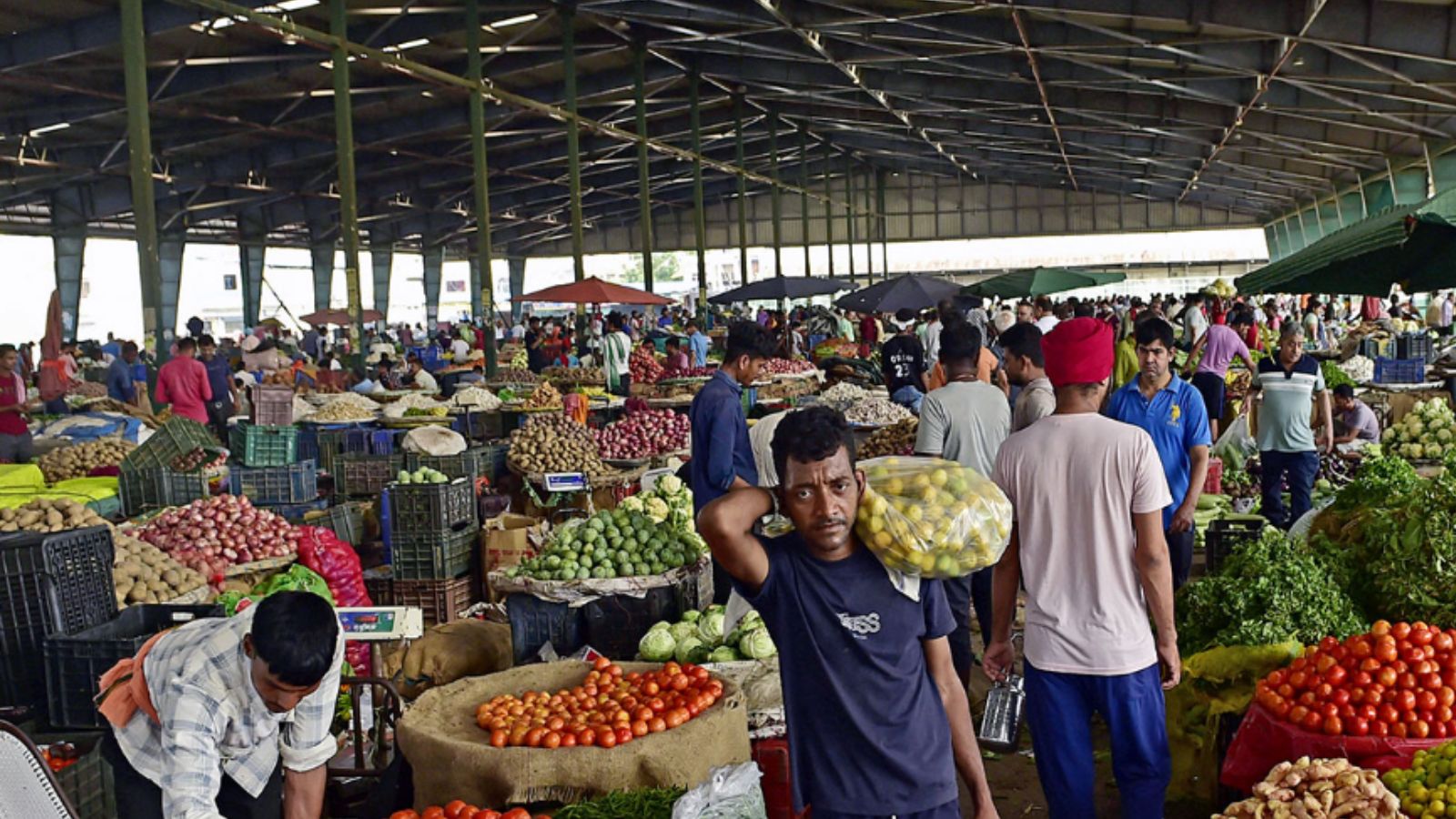)
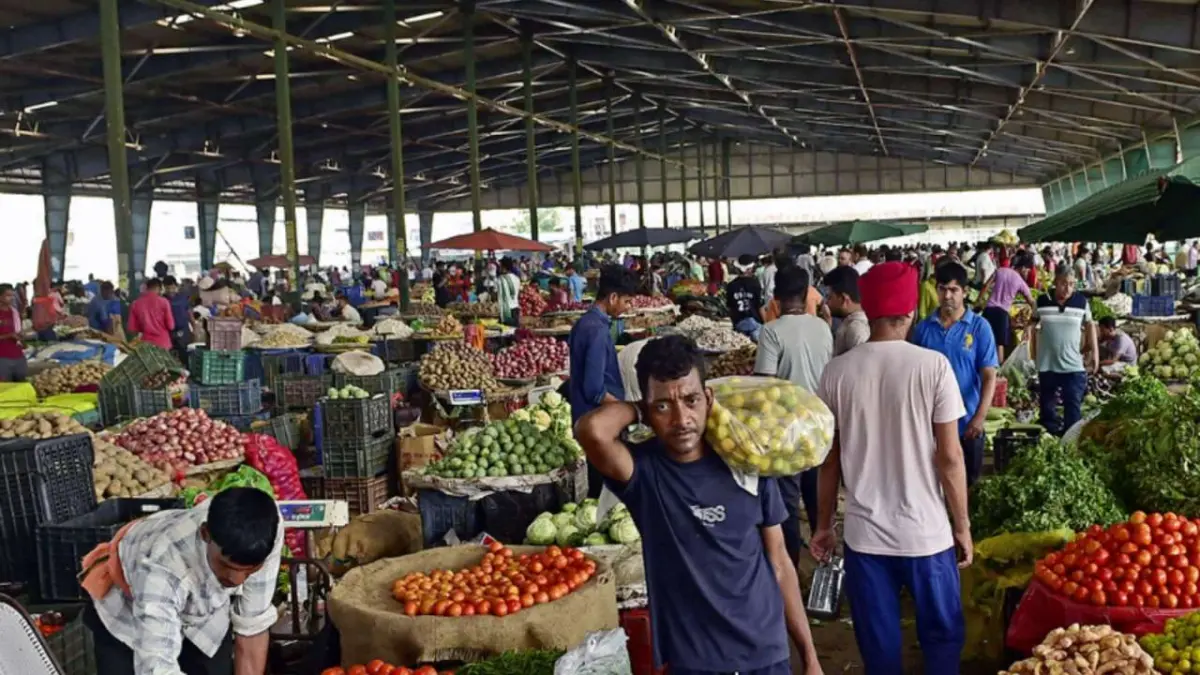
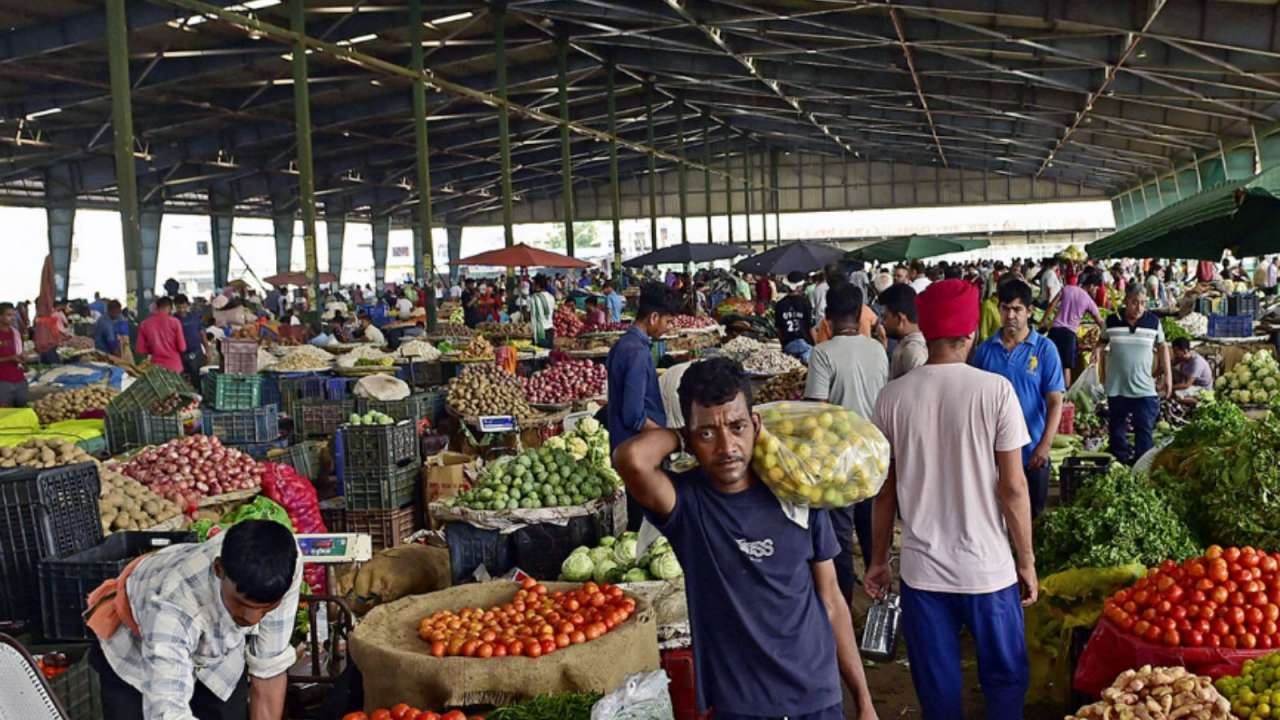
The most concerning aspect of September’s inflation report is undoubtedly the dramatic spike in food inflation. The Consumer Food Price Index (CFPI) leaped to 7.74% in September from 5.97% in August, signaling a severe crunch on household budgets. Mirroring the overall CPI trend, rural food inflation, at 8.06%, was considerably higher than its urban counterpart, which stood at 7.18%. This relentless upward movement in food prices, a critical component of daily expenditure for every household, directly translates into reduced disposable income and heightened financial anxiety for millions of families.
Dissecting the Price Volatility: Winners and Losers in the Inflationary Basket
The MoSPI data offers a granular view of specific commodity price movements, revealing which items are driving the inflationary spiral and which are providing some limited relief. The list of items recording exceptionally high inflation in September is a cause for particular concern, especially for daily essentials.

Onions, a staple in Indian cuisine, witnessed an astronomical price surge, with inflation soaring to 108.09% in September, a dramatic increase from 48.78% in August. This more than doubling of onion prices within a single month reflects severe supply-side disruptions, potentially due to unseasonal rainfall, crop damage, or inefficient market linkages. Such a sharp rise in the cost of a fundamental ingredient inevitably impacts every household’s grocery bill.
Beyond kitchen staples, certain other items also experienced significant price escalations. Silver jewellery inflation, for instance, stood at a striking 87.80%, indicative of strong festive demand or rising input costs in precious metals. Spices like ginger and garlic also saw substantial hikes, with inflation rates reaching 62.85% and 54.62% respectively. Lemon prices, another everyday commodity, were not far behind, recording a 36.41% increase. These increases, particularly in food items, contribute directly to the escalating cost of living and exacerbate the burden on consumers.
)
However, the inflationary narrative is not uniform across all commodities. A few items provided a contrasting picture of deflation, offering some minor respite. Potato prices continued their downward trend, recording deflation at 11.50% in September, a slight improvement from the 13.15% deflation in August. Similarly, tomato prices fell by 8.62%, likely due to improved seasonal harvests flooding the market. In the non-food category, motor cars and jeeps experienced deflation of 4.51%, possibly reflecting subdued demand or inventory corrections by manufacturers. Other vegetables like lady’s finger and coconut also recorded deflation of 4.48% and 3.99% respectively. While these deflationary pockets are welcome, their impact is largely overshadowed by the widespread and sharp increases in other essential goods.
Regional Disparities: An Uneven Economic Burden
The impact of inflation is not evenly distributed across India’s diverse states and union territories. The MoSPI data highlights significant regional variations, underscoring the localized nature of supply and demand dynamics, as well as differing agricultural and logistical challenges.
)
Among major states and union territories, Puducherry recorded the highest combined retail inflation at 6.86%, closely followed by Odisha at 6.70% and Madhya Pradesh at 6.68%. These states are likely experiencing more pronounced supply chain issues, adverse weather impacts on local produce, or higher transportation costs, leading to elevated consumer prices. The elevated inflation in these regions implies a greater strain on local populations and businesses.
In contrast, some regions managed to keep inflation relatively lower. Delhi’s combined inflation stood at 3.40%, significantly below the national average and within the RBI’s target band. Uttar Pradesh recorded inflation at 6.08%, while Maharashtra saw it at 5.18%. These variations underscore the complexity of India’s vast economy, where localized factors can significantly influence price levels. Understanding these regional differences is crucial for formulating targeted policy responses that can effectively address the specific inflationary pressures faced by different parts of the country.
)
It is important to note that the CPI data for September 2026 is provisional. MoSPI has indicated that the next retail inflation data, pertaining to October 2026, is scheduled for release on November 12, 2026, or the next working day if the date falls on a holiday. This upcoming release will provide further insights into whether the current inflationary trends are persisting or showing signs of moderation.
Expert Consensus: Rate Hikes on the Horizon and Managing Market Volatility
The sharp rise in inflation has elicited strong reactions from economic analysts and market strategists, with a near-unanimous consensus emerging regarding the likely trajectory of monetary policy. The prevailing sentiment points towards continued vigilance and proactive measures from the Reserve Bank of India.
)
Garima Kapoor, Deputy Head of Research and Economist at Elara Capital, articulated that the CPI inflation figures were largely "in line with expectations," attributing the sustained pressure to "higher food and energy prices" that are "continuing to feed into broader metrics." Her assessment points to an anticipated hawkish stance from the RBI. "Amid continued stickiness in commodity prices and rising global yields, we expect the RBI to continue to remain firmly on a path of rate hikes. We see another 2 hikes from the RBI this financial year," Kapoor stated, emphasizing the central bank’s commitment to taming inflation. The "stickiness in commodity prices" refers to their tendency to remain high, while "rising global yields" often indicate higher borrowing costs internationally, which can impact domestic markets.
Dr. V K Vijayakumar, Chief Investment Strategist at Geojit Investments Limited, echoed these concerns, highlighting the detrimental impact of rising prices on consumer behavior and economic activity. "High inflation will certainly impact people’s purchasing power, which, in turn, will impact rural demand, too. FMCG demand is likely to be impacted," he warned. Dr. Vijayakumar identified several key drivers behind the inflationary surge: "Rising crude oil prices, escalating food prices triggered by the poor monsoon and imported inflation arising from a depreciating rupee are the principal factors driving inflation." He further solidified the expectation of monetary tightening, asserting, "The RBI will have to go for two more rate hikes in this rate-hiking cycle unless crude prices fall steeply." His comments underscore the multifaceted nature of the current inflationary challenge, encompassing both domestic agricultural factors and international commodity price movements.
)
Akshat Garg, Head- Research & Product, Choice Wealth, offered a more nuanced perspective, urging a cautious but not panic-stricken approach. While acknowledging the rise in retail inflation "mainly because of higher food and crude oil prices," Garg advised that "consumers and investors should not panic." He characterized the current inflation as primarily a "supply-side, not demand-driven" phenomenon. "Food is the real story, up 7.74%, led by a sharp spike in onions, garlic, ginger, and firmer prices for milk, sugar and cereals — compounded by a below-normal monsoon and costlier crude after the Iran conflict," Garg explained. He provided a crucial distinction by noting that "Core inflation remains contained, which tells us this is a seasonal and base-effect phase rather than a structural one." This implies that while the immediate impact is severe, the underlying demand-side pressures are not as strong, suggesting a potential for normalization once supply issues are resolved.
Garg further elaborated on the transient nature of food-led inflation: "For households, the pinch is immediate — the monthly kitchen and grocery bill is heavier, even as items like tomatoes and potatoes have actually cooled. The silver lining is that these food-led spikes tend to be transient once supply normalises." Regarding the RBI’s response, he affirmed that the September print "validates the MPC’s 25 bps hike to 5.50% on October 7 and keeps the door open to further tightening." He projected that "markets are now pricing another 25–50 bps by February, taking the terminal rate toward 6%."
)
For investors, Garg offered strategic advice: "Elevated rates mean fixed-income yields are attractive today, and we are advising investors to lock them in, stay invested in quality businesses with pricing power, and keep their SIPs running through the volatility." He stressed the importance of discipline, concluding, "Inflation phases reward the disciplined, not the reactive — the worst response to a food-price spike is to abandon a long-term financial plan built to outpace exactly this kind of inflation."
Broader Implications: A Ripple Effect Across the Economy
The persistent and accelerating inflation, particularly in essential food items, carries far-reaching implications for various sectors of the Indian economy and for the financial well-being of its citizens.
)
Impact on Households: The most immediate and tangible impact is felt by ordinary households. Higher prices for food, fuel, and other daily necessities erode purchasing power, meaning that the same amount of money buys fewer goods and services. This forces families to make difficult choices, often cutting back on non-essential spending, discretionary purchases, or even essential services like healthcare and education, to meet basic needs. For lower-income households, who spend a larger proportion of their income on food, the burden is particularly severe, potentially pushing more families into poverty or exacerbating existing financial vulnerabilities. Savings rates may decline as people draw down their reserves to cope with rising expenses.
Impact on Businesses and Industry: Businesses across various sectors will also feel the squeeze. The Fast-Moving Consumer Goods (FMCG) sector, as highlighted by Dr. Vijayakumar, is particularly vulnerable. Higher input costs, including raw materials, energy, and transportation, will reduce profit margins for manufacturers and retailers. While some businesses with strong "pricing power" (the ability to pass on higher costs to consumers) may weather the storm, many others will struggle, potentially leading to subdued sales volumes, reduced production, and even job losses. The automotive sector, already experiencing deflation in cars and jeeps, might face further challenges if higher interest rates deter consumer borrowing for big-ticket purchases. Small and Medium Enterprises (SMEs), often operating on tighter margins, are especially susceptible to inflationary pressures and rising borrowing costs.
)
Monetary Policy and the RBI’s Dilemma: The Reserve Bank of India faces a critical balancing act. Its primary mandate is price stability, and the current inflation trajectory makes further monetary tightening almost inevitable. Higher interest rates, while necessary to cool down the economy and curb inflation, also risk stifling economic growth. The RBI’s recent 25 basis points hike to 5.50% on October 7 signals its resolve. However, the prospect of additional rate hikes (another 25-50 bps by February, potentially taking the terminal rate towards 6%) means that borrowing costs for home loans, auto loans, and business credit will continue to rise. This could dampen investment, slow down consumption, and ultimately impact the pace of economic recovery. The central bank must weigh the imperative of inflation control against the need to support sustainable growth.
Government Intervention and Fiscal Policy: While the RBI manages monetary policy, the government also has a crucial role to play through fiscal measures. To combat food inflation, the government might consider supply-side interventions such as releasing buffer stocks of essential commodities, imposing stock limits to prevent hoarding, rationalizing import duties, or even subsidizing certain food items. However, such interventions can be complex and may have unintended consequences on market dynamics and fiscal health. The government will also need to monitor the impact of inflation on its own finances, as higher prices can affect revenue collection and expenditure outlays.
)
Investment Climate and Market Volatility: For investors, inflation introduces an element of uncertainty and volatility. While high fixed-income yields are currently attractive, as Akshat Garg pointed out, equity markets can be choppy. Investors will need to adjust their strategies, focusing on quality companies with strong fundamentals and pricing power, and maintaining a disciplined approach through systematic investment plans (SIPs) to navigate the market fluctuations. The advice to "lock in attractive fixed-income yields" reflects a tactical move to benefit from higher interest rates before they potentially peak.
Looking Ahead: A Cautious Path Forward
The September 2026 inflation data serves as a stark reminder of the persistent economic challenges facing India. While some experts offer a degree of reassurance that the current food-led spikes may be transient, driven by seasonal factors, a below-normal monsoon, and global crude oil prices exacerbated by geopolitical events like the Iran conflict, the immediate impact on households is undeniable. The distinction between supply-side and demand-side inflation is critical; if core inflation remains contained, it suggests the economy isn’t overheating due to excessive demand, making the current situation potentially manageable in the medium term.
)
However, the path ahead remains cautious. The global economic environment, characterized by sticky commodity prices and rising global yields, continues to exert external pressure. Domestically, the performance of the upcoming agricultural seasons and the effectiveness of government and RBI interventions will be crucial in determining the future trajectory of prices. All eyes will now be on the October 2026 inflation data, set to be released in November, for further indications of whether these inflationary pressures are beginning to subside or intensify further. The coming months will test the resilience of the Indian economy and the efficacy of its policymakers in navigating this complex inflationary landscape.
