

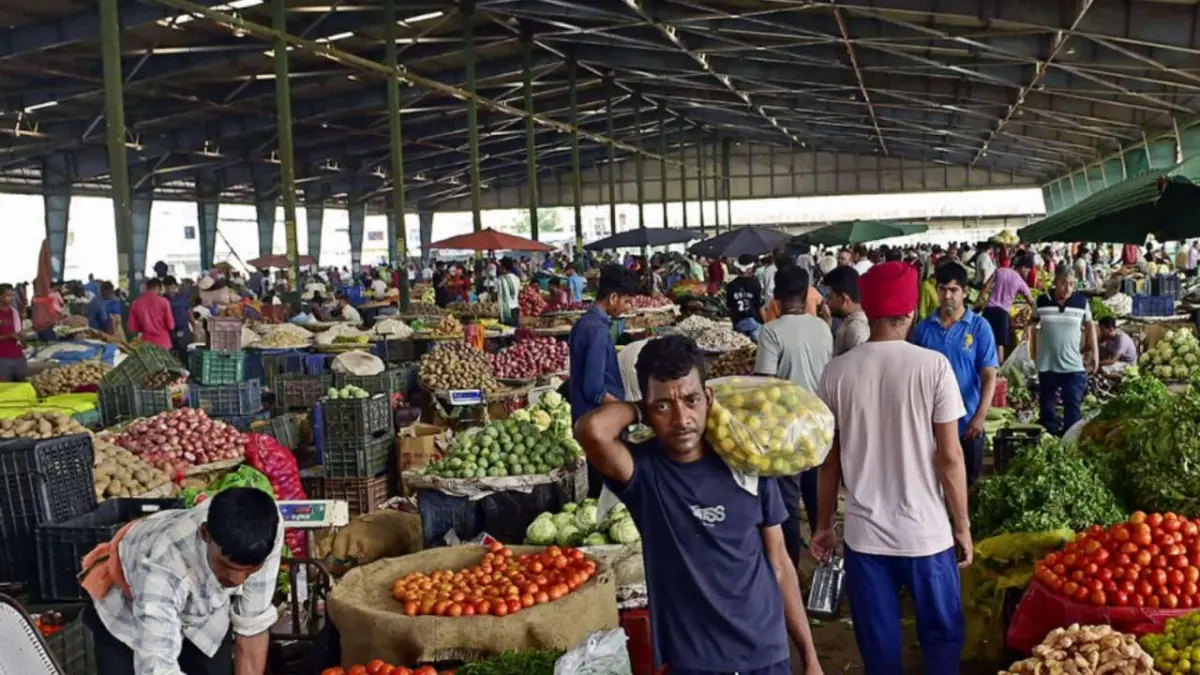
New Delhi, [Current Date] – India’s economic landscape faces renewed challenges as retail inflation, measured by the Consumer Price Index (CPI), escalated significantly in September 2026, reaching 5.54%. This marks a substantial increase from August’s 4.83% and pushes the inflation rate closer to the upper end of the Reserve Bank of India’s (RBI) comfort zone of 2-6%. The most alarming surge was observed in food prices, with the Consumer Food Price Index (CFPI) soaring to 7.74% from 5.97% in the preceding month, placing considerable strain on household budgets across the nation.
The latest figures, released on Monday by the Ministry of Statistics and Programme Implementation (MoSPI), underscore persistent inflationary pressures primarily driven by supply-side shocks and elevated commodity prices. Experts are sounding alarm bells, warning of potential erosion of purchasing power and strongly anticipating further interest rate hikes by the RBI to rein in the persistent price spiral. The rise in inflation for the fourth consecutive month above the central bank’s 4% target highlights the complexity of managing economic stability amidst volatile global and domestic factors.
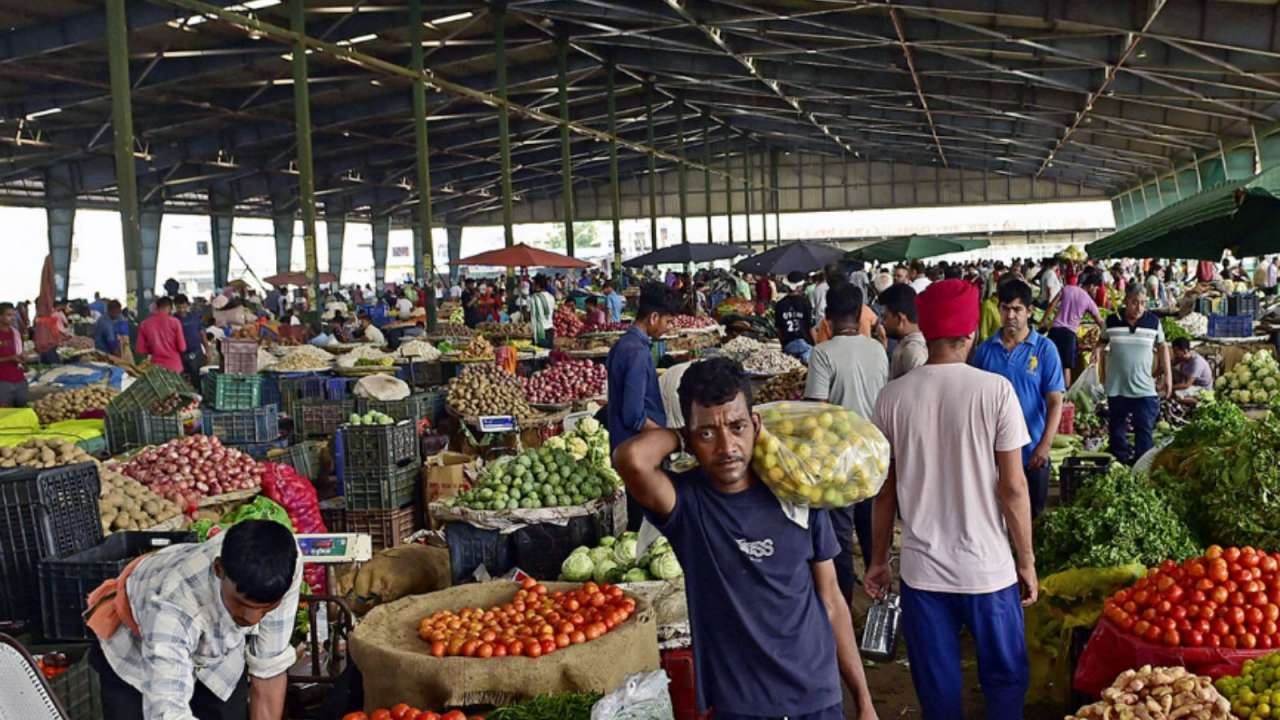
Decoding the Surge: Main Facts and Figures
The headline retail inflation rate, utilizing the new base year of 2024, now stands at 5.54% for September 2026. This increase of 71 basis points from August’s 4.83% reflects a broad-based price rise, with particular intensity felt in essential commodities. The rural populace is experiencing a sharper pinch, with rural CPI recorded at 6.08%, notably higher than the urban CPI of 4.88%. This disparity often signifies greater vulnerability in rural areas to food and essential commodity price fluctuations due to a larger share of income spent on these categories.
Food inflation, the primary driver of this overall increase, registered an alarming 7.74% in September. This represents a significant jump from August’s 5.97%, signaling a deepening crisis for family food budgets. Similar to the overall CPI, food inflation is more pronounced in rural areas at 8.06%, compared to 7.18% in urban centres. This trend indicates that the impact of rising food costs is disproportionately affecting India’s vast rural population, which relies heavily on agriculture and often has limited buffers against such economic shocks.
)
A granular look at the data reveals specific items that have seen extraordinary price increases. Onions, a staple in Indian cuisine, witnessed an astronomical inflation rate of 108.09% in September, a dramatic leap from 48.78% in August. Other kitchen essentials like ginger and garlic also saw substantial price hikes, recording inflation rates of 62.85% and 54.62% respectively. Lemon prices too surged by 36.41%. These sharp increases in perishable commodities point towards significant supply chain disruptions, possibly exacerbated by adverse weather conditions or seasonal factors.
Conversely, some items provided a modicum of relief, experiencing deflation. Potato prices continued their downward trend, falling by 11.50% in September, albeit at a slower pace than August’s 13.15% deflation. Tomato prices also saw a decline of 8.62%. Lady’s finger and coconut recorded deflations of 4.48% and 3.99% respectively. In the non-food segment, motor cars and jeeps surprisingly registered deflation at -4.51%, possibly reflecting inventory adjustments or increased competitive pricing in the automotive sector. The stark contrast between rising and falling prices within the same basket highlights the uneven impact of inflationary pressures and the complex interplay of supply and demand dynamics for different goods.

Geographically, the inflationary impact varies across states. Madhya Pradesh recorded the highest combined retail inflation at 6.68%, closely followed by Odisha at 6.70% and Puducherry leading with 6.86%. These regional disparities often reflect localized supply challenges, differing consumption patterns, and variations in state-level economic policies or agricultural output. In contrast, Delhi experienced a comparatively lower combined inflation rate of 3.40%, while Uttar Pradesh and Maharashtra registered 6.08% and 5.18% respectively. These figures underscore the localized nature of price pressures, suggesting that national averages, while crucial, may mask significant regional differences in the lived experience of inflation.
The MoSPI has indicated that these CPI data for September 2026 are provisional. The next retail inflation data, pertaining to October 2026, is scheduled for release on November 12, 2026, or the next working day if the date falls on a public holiday. The upcoming data will be critical in assessing whether the current inflationary spike is a transient phenomenon or indicative of a more entrenched trend requiring more aggressive policy interventions.
)
A Look Back: Chronology of Inflationary Pressures
Understanding the current surge requires a brief look at the recent trajectory of inflation in India and the factors that have shaped it. The RBI operates under a flexible inflation targeting framework, aiming to keep CPI inflation at 4% with a tolerance band of +/- 2 percentage points. The September 2026 print of 5.54% signifies the fourth consecutive month where inflation has exceeded the 4% target, signaling a persistent challenge for the central bank.
For much of late 2025 and early 2026, India experienced a period of relatively contained inflation, with CPI hovering closer to the 4% mark. This was largely attributed to a combination of factors including a stable monsoon season that bolstered agricultural output, some moderation in global commodity prices, and prudent monetary policy. However, the economic recovery post-pandemic also brought with it renewed demand, which, when coupled with lingering global supply chain bottlenecks, started to exert upward pressure on prices.
)
The turning point for the current inflationary cycle appears to have been around June-July 2026, when food prices began their ascent. Several key factors converged to create this environment:
- Below-Normal Monsoon: As highlighted by experts, a "below-normal monsoon" has been a significant contributor to the spike in food prices. India’s agriculture remains heavily dependent on seasonal rains. Inadequate or erratic rainfall in critical agricultural belts can lead to crop damage, reduced yields, and delayed harvests, directly impacting the supply of fresh produce and cereals. This year’s monsoon season, particularly in key growing regions for onions, ginger, and garlic, appears to have fallen short, creating a supply deficit that translated into higher market prices. The impact of a poor monsoon is often felt with a lag, making the September figures a reflection of agricultural distress earlier in the year.
- Global Commodity Price Volatility: The international landscape has also played a crucial role. "Rising global yields" and "commodity prices" have been a constant feature of the global economy. Geopolitical tensions, particularly the "Iran conflict" mentioned by experts, have contributed to "costlier crude oil prices." As a net importer of crude oil, India is highly susceptible to global oil price fluctuations. Higher crude prices not only increase fuel costs for transportation, directly impacting logistics and the cost of bringing goods to market, but also feed into various industries through higher input costs for manufacturing, leading to broader inflationary pressures.
- Depreciating Rupee: The interplay of global economic uncertainties and a strong US dollar has led to a "depreciating rupee." A weaker domestic currency makes imports more expensive, including crude oil and other essential commodities, leading to what economists refer to as "imported inflation." This effectively translates global price hikes directly into domestic consumer prices, adding another layer of complexity to the RBI’s inflation management efforts.
- Supply Chain Resilience: While global supply chains have largely recovered from pandemic-era disruptions, specific regional or national supply chains remain vulnerable. The sharp increase in onion prices, for instance, often reflects localized issues such as storage losses, transportation bottlenecks, or speculative hoarding, in addition to crop failures.
This chronological progression from a period of relative stability to the current elevated inflation underscores the multifaceted nature of the challenge. It is not merely a demand-driven phenomenon but a complex interplay of seasonal agricultural output, global energy markets, currency dynamics, and geopolitical events, all converging to exert upward pressure on prices within the Indian economy.
)
Deep Dive into the Data: Supporting Details
The MoSPI data provides a comprehensive, albeit concerning, snapshot of price movements. To fully appreciate the nuances, it’s essential to dissect the various components and their implications.
Headline vs. Core Inflation: A Critical Distinction
A key observation from expert analysis is the distinction between headline and core inflation. Akshat Garg of Choice Wealth notes that "Core inflation remains contained, which tells us this is a seasonal and base-effect phase rather than a structural one." This is a crucial point.
)
- Headline CPI: This is the overall inflation rate, encompassing all goods and services in the consumer basket, including volatile items like food and fuel.
- Core CPI: This excludes the volatile components of food and fuel, aiming to provide a clearer picture of underlying demand-side inflationary pressures and the general price trend in the economy.
When headline inflation is high due to spikes in food and fuel, but core inflation remains subdued, it suggests that the broader demand in the economy isn’t excessively heating up. Instead, the primary drivers are supply-side shocks (like poor harvests or high crude prices) and external factors. While this provides some comfort that inflation isn’t entirely demand-driven, it doesn’t diminish the immediate pain for households, as food and fuel are unavoidable expenses. However, it does influence the RBI’s strategy, as supply-side inflation is harder to tackle with monetary policy alone.
The Food Basket: Heroes and Villains
The detailed breakdown of food inflation highlights significant volatility:
)
- The Spiking Essentials: Onions, ginger, garlic, and lemons are currently the "villains" of the food basket. Their extraordinary price increases are often linked to specific crop cycles, localized weather events damaging harvests, and the perishable nature of these commodities, making them susceptible to supply shocks. For instance, onion prices are notoriously volatile, often swinging between deflation and hyperinflation within months due to storage issues, unseasonal rains, or pest attacks. The 108.09% surge for onions is indicative of a severe supply crunch.
- The Moderating Staples: While overall food inflation is high, items like potatoes and tomatoes show deflation. This could be due to successful harvests in specific regions, efficient supply chains for these particular crops, or even oversupply following previous price spikes that incentivized increased cultivation. The dynamics for each vegetable can be quite distinct.
- Other Key Contributors: Experts like Akshat Garg also point to "firmer prices for milk, sugar and cereals." These are fundamental components of the Indian diet. Increases in milk prices can stem from higher feed costs for dairy farmers or demand-supply imbalances. Sugar prices are often influenced by sugarcane production and government policies. Cereal prices, particularly for wheat and rice, are sensitive to monsoon performance, government procurement, and global grain markets. Their upward movement contributes significantly to the overall food inflation figure, impacting the majority of households.
The Rural-Urban Divide: A Deeper Impact
The higher inflation rates in rural areas (CPI 6.08%, CFPI 8.06%) compared to urban areas (CPI 4.88%, CFPI 7.18%) are a critical aspect of the data.
- Income Disparity: Rural households generally have lower disposable incomes and a larger proportion of their income is spent on essential food items. Therefore, even a moderate increase in food prices has a disproportionately larger impact on their budgets and overall quality of life.
- Market Access and Supply Chains: Rural areas can sometimes face less efficient supply chains, higher transportation costs for bringing goods from urban centers, and fewer organized retail options. This can lead to higher prices for certain commodities compared to well-connected urban markets.
- Dependence on Agriculture: While rural populations are often agricultural producers, they are also consumers. A poor harvest might mean higher prices for them as consumers, even as their income from farming diminishes.
- Impact on Demand: As Dr. V K Vijayakumar notes, high inflation "will impact rural demand, too. FMCG demand is likely to be impacted." This is a significant concern for the broader economy, as robust rural demand is a key driver of growth for many industries, especially consumer goods.
State-wise Variations: Localized Pressures
The diverse inflation rates across states (e.g., Puducherry at 6.86% vs. Delhi at 3.40%) highlight localized factors:
)
- Regional Crop Patterns: States with heavy reliance on specific crops that experienced poor harvests would naturally see higher food inflation.
- Logistics and Infrastructure: States with less developed infrastructure might face higher transportation costs, pushing up prices.
- State-Specific Policies: Local taxes, subsidies, and market regulations can also influence price levels.
- Economic Structure: States with a higher share of services or manufacturing might be less susceptible to agricultural price shocks compared to agrarian states.
The MoSPI data thus paints a complex picture, revealing a concentrated surge in specific food items, a noticeable disparity between rural and urban experiences, and significant regional variations, all underpinned by a mix of supply-side and external pressures.
Official Responses and Policy Stance
The primary official response to inflation in India comes from the Reserve Bank of India (RBI) through its Monetary Policy Committee (MPC), and to a lesser extent, the government through fiscal and administrative measures.
)
The RBI’s Mandate and Actions
The RBI’s core mandate is to maintain price stability while keeping in mind the objective of growth. With inflation consistently above its 4% target and nearing the upper tolerance band of 6%, the central bank is under considerable pressure to act.
- Rate Hikes as a Tool: Interest rate hikes are the RBI’s primary tool to combat inflation. By raising the benchmark repo rate, the RBI makes borrowing more expensive for commercial banks, which in turn leads to higher lending rates for businesses and consumers. The aim is to cool down demand in the economy, thereby reducing inflationary pressures.
- Recent MPC Decisions: Akshat Garg explicitly mentions that "this print validates the MPC’s 25 bps hike to 5.50% on October 7." This refers to the most recent policy action taken by the RBI, signaling its commitment to curbing inflation. The decision to raise rates, despite concerns about economic growth, underscores the central bank’s prioritization of price stability in the current environment.
- Forward Guidance: The RBI’s statements following MPC meetings provide crucial forward guidance on its policy stance. Given the persistent inflation, the RBI is likely to maintain a hawkish stance, indicating a readiness to take further measures if inflation remains elevated.
Government’s Role and Interventions
While monetary policy is the RBI’s domain, the government plays a critical role through fiscal and administrative measures to manage supply-side inflation, particularly concerning food.
)
- Supply Management: To combat food price spikes, the government can implement measures such as:
- Stock Limits: Imposing limits on how much a trader can stock of essential commodities to prevent hoarding and artificial scarcity.
- Import/Export Policies: Adjusting tariffs or quotas on imports and exports of agricultural goods to stabilize domestic supply and prices. For instance, importing onions or pulses if domestic supply is low.
- Public Distribution System (PDS): Strengthening the PDS to ensure essential food grains are available to vulnerable populations at subsidized rates.
- Market Intervention Schemes: Procuring specific crops directly from farmers to ensure fair prices and releasing them into the market when prices rise.
- Fiscal Measures: The government can also use fiscal tools, such as adjusting excise duties on fuel, though this often involves a trade-off with revenue generation.
The MoSPI’s role is primarily to provide accurate and timely statistical data, which forms the empirical basis for both the RBI’s monetary policy decisions and the government’s fiscal and administrative interventions. The transparency of this data is crucial for informed policy-making and public understanding of economic trends.
Implications: Households, Economy, and Future Outlook
The sustained rise in inflation, particularly food inflation, carries significant implications for various stakeholders, from individual households to the broader macroeconomic stability of the nation.
)
Impact on Households: The Silent Tax
For the average Indian household, inflation acts as a "silent tax," eroding purchasing power and forcing difficult choices.
- Strained Budgets: The immediate and most direct impact is on household budgets. With food prices soaring, a larger portion of disposable income is allocated to essential groceries, leaving less for discretionary spending, savings, or investments. This is particularly acute for low and middle-income families, who spend a higher proportion of their income on food. Akshat Garg aptly notes, "For households, the pinch is immediate – the monthly kitchen and grocery bill is heavier."
- Reduced Savings and Investment: High inflation diminishes the real value of savings. If inflation outpaces interest rates on savings accounts or fixed deposits, people are effectively losing money in real terms. This discourages saving and can push individuals towards riskier investments in an attempt to beat inflation.
- Weakened Consumer Demand: As purchasing power diminishes, overall consumer demand tends to weaken, especially for non-essential goods and services. Dr. Vijayakumar points out, "High inflation will certainly impact people’s purchasing power, which, in turn, will impact rural demand, too. FMCG demand is likely to be impacted." A slowdown in consumer demand can have ripple effects across industries, potentially impacting job creation and economic growth.
- Impact on Vulnerable Groups: The rural population and daily wage earners are disproportionately affected. Their incomes are often less flexible, and they have fewer safety nets to absorb price shocks. The higher inflation rates in rural areas underscore this vulnerability.
Impact on Businesses: Costs and Choices
Businesses also face a dual challenge from rising inflation and subsequent interest rate hikes.
)
- Higher Input Costs: Industries across the board face higher input costs due to elevated commodity prices (e.g., crude oil for manufacturing and transportation, raw materials). This squeezes profit margins unless businesses can pass on these costs to consumers, which can be challenging in a competitive market with weakened demand.
- Borrowing Costs: With the RBI expected to hike interest rates further, the cost of borrowing for businesses will increase. This makes it more expensive to secure loans for expansion, working capital, or new projects, potentially slowing down investment and job creation.
- Pricing Power: As Akshat Garg advises investors to "stay invested in quality businesses with pricing power," he highlights that not all businesses are affected equally. Companies with strong brands, unique products, or dominant market positions may have the ability to raise prices without significant loss of sales, thereby mitigating the impact of inflation on their profitability.
- FMCG Sector: The Fast-Moving Consumer Goods (FMCG) sector, which caters to daily necessities, is particularly sensitive to rural demand. A decline in rural purchasing power directly impacts their sales volumes and growth prospects.
Monetary Policy Outlook: A Tightrope Walk
The current inflationary environment presents a significant dilemma for the RBI.
- Further Rate Hikes Expected: The consensus among experts is clear: more rate hikes are on the horizon. Garima Kapoor of Elara Capital expects "another 2 hikes from the RBI this financial year," while Dr. Vijayakumar also anticipates "two more rate hikes." Akshat Garg predicts "another 25–50 basis points by February, taking the terminal rate toward 6%." This indicates a firm commitment by the central bank to prioritize inflation control.
- The "Terminal Rate": The "terminal rate" refers to the peak interest rate in a hiking cycle, after which the central bank is expected to pause or even reverse its policy. The expectation of the terminal rate moving towards 6% suggests that borrowers should prepare for higher interest rates for the foreseeable future.
- Growth vs. Inflation: The RBI’s challenge is to tame inflation without stifling economic growth. Aggressive rate hikes, while effective against inflation, can slow down investment, reduce demand, and potentially lead to an economic slowdown. The current inflation being largely supply-driven complicates this, as monetary policy is less effective against such shocks, requiring more targeted fiscal interventions.
Economic Outlook and Investor Guidance
The broader economic outlook remains cautious, with global headwinds and domestic supply issues casting a shadow.
)
- Transient vs. Structural: Akshat Garg’s perspective that the current food-led spikes are "transient once supply normalizes" offers a glimmer of hope. If the next monsoon is favorable and global commodity prices stabilize, some of the inflationary pressures could ease. However, the recurring nature of these "transient" spikes highlights structural issues in India’s agricultural supply chain and dependence on monsoons.
- Investment Strategy: For investors, experts advise discipline. Akshat Garg recommends:
- "Lock in attractive fixed-income yields": With interest rates rising, bonds and fixed deposits offer better returns, and locking in these higher yields can provide stability.
- "Stay invested in quality businesses with pricing power": Companies that can pass on higher costs to consumers are better positioned to weather inflationary periods.
- "Keep their SIPs running through the volatility": Systematic Investment Plans (SIPs) in mutual funds allow investors to average out their purchase costs over time, making them a disciplined approach to long-term wealth creation, even during volatile market conditions.
- "Inflation phases reward the disciplined, not the reactive – the worst response to a food-price spike is to abandon a long-term financial plan built to outpace exactly this kind of inflation." This emphasizes the importance of long-term planning and avoiding panic-driven decisions.
In conclusion, the September 2026 inflation figures present a formidable challenge for India’s policymakers and a tangible burden for its citizens. While experts offer a nuanced view, distinguishing between supply-side pressures and core inflation, the immediate reality is one of higher costs for essentials. The coming months will test the RBI’s resolve to maintain price stability through further monetary tightening and the government’s ability to implement effective supply-side management. The trajectory of inflation will be a critical determinant of India’s economic performance and the well-being of its households as the year progresses.
