

TECHNOLOGY
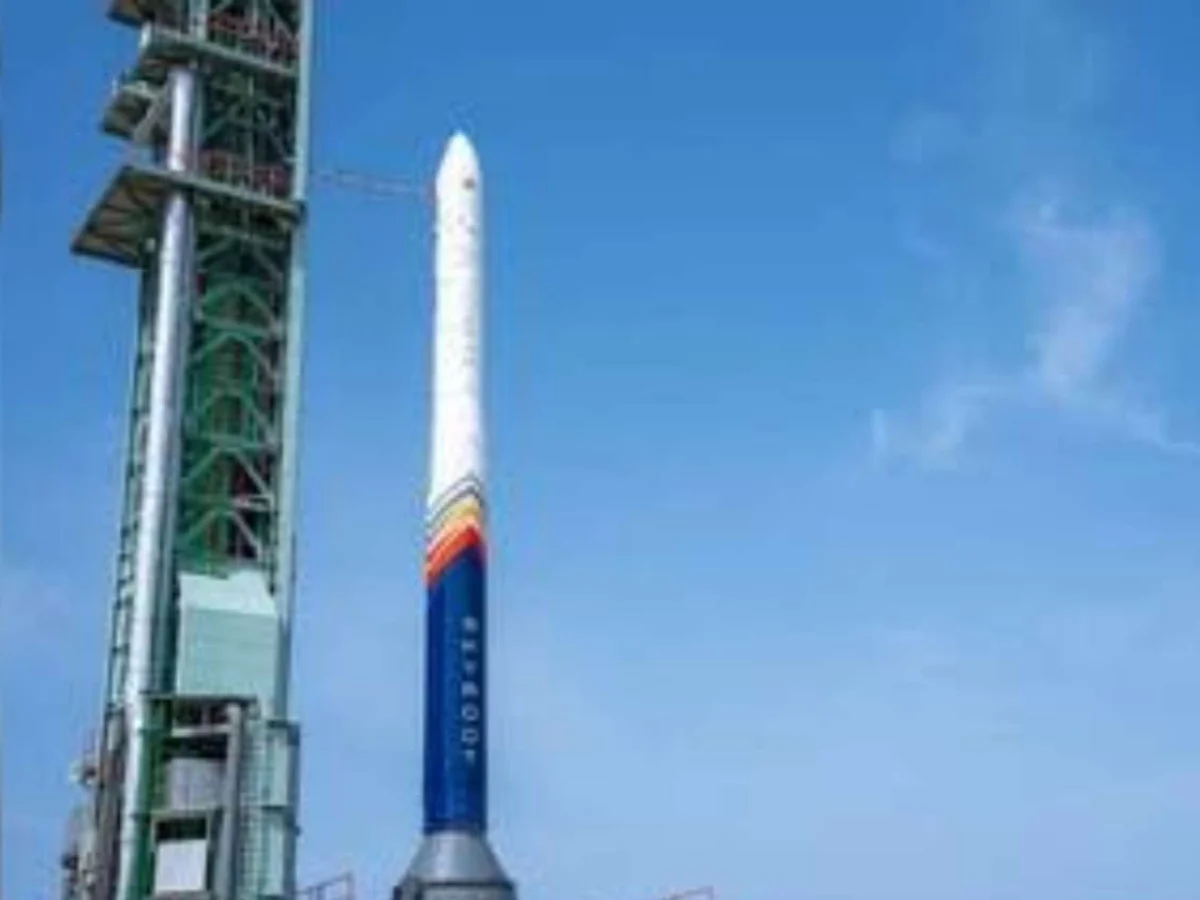
In a monumental leap forward for India’s burgeoning private space industry, Skyroot Aerospace is poised to launch its Vikram-1 orbital rocket on its maiden test flight. Scheduled for liftoff at 11:30 AM IST on July 18, 2024, from the First Launch Pad at the Satish Dhawan Space Centre in Sriharikota, this mission marks a pivotal moment, ushering in a new era of commercial space exploration and access for the nation. The successful flight of Vikram-1 will firmly establish India’s private sector as a formidable contender in the global launch services market, challenging established players and opening up unprecedented opportunities.
A New Dawn for Indian Space: The Vikram-1 Mission
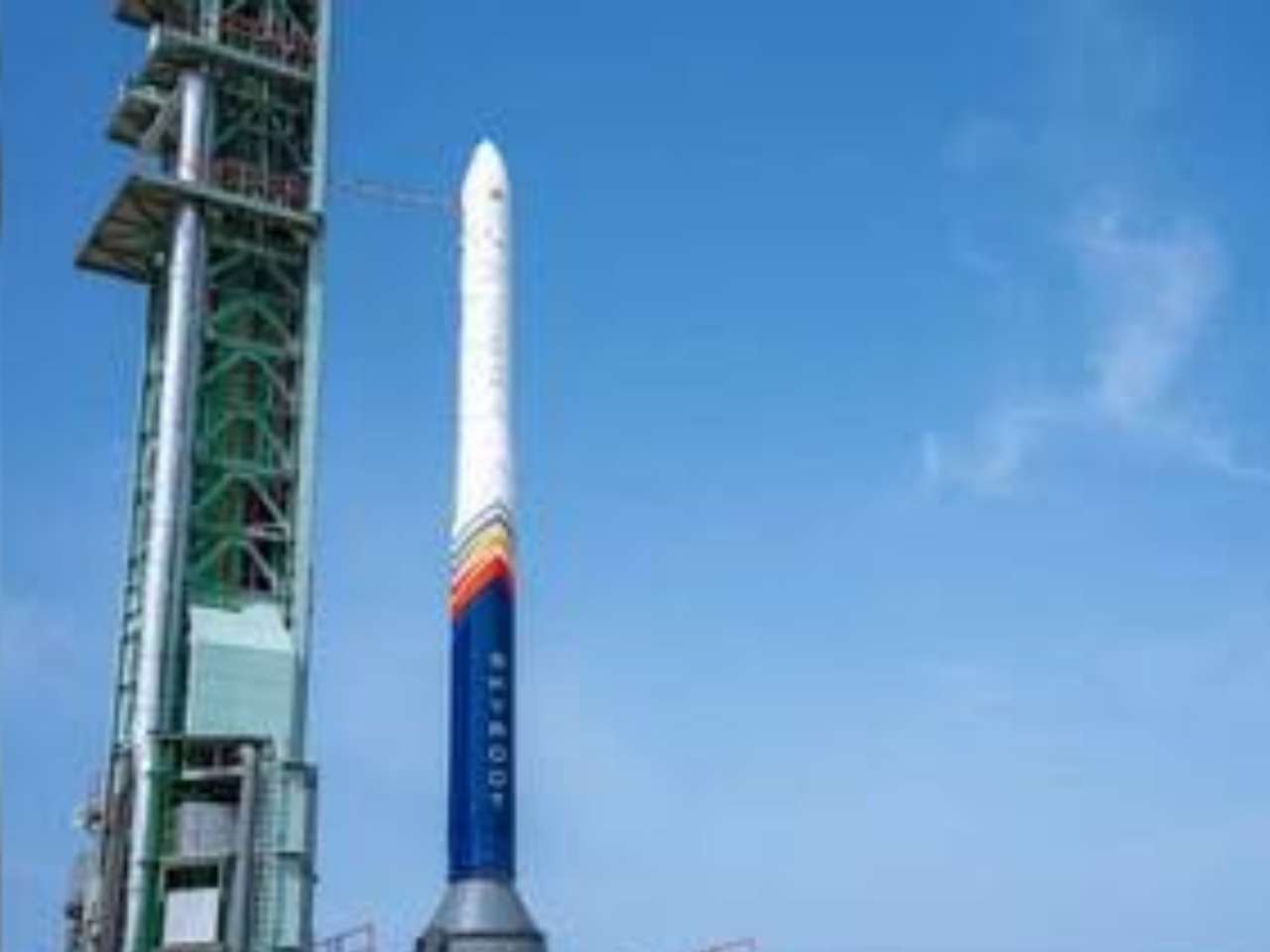
The countdown to a new chapter in India’s space saga has begun. Vikram-1, a testament to indigenous innovation and entrepreneurial spirit, stands ready on the launch pad, embodying the aspirations of a nation striving for self-reliance and global leadership in advanced technologies. This mission is not merely a technical demonstration; it is a profound statement of intent from India’s private sector, signaling its readiness to contribute significantly to the global space economy.
Countdown to Liftoff: The Scheduled Launch
The designated launch window of 11:30 AM IST on July 18 holds the promise of a historic spectacle. The First Launch Pad at the Satish Dhawan Space Centre, a site historically associated with India’s national space agency ISRO’s major achievements, now plays host to a private entity’s ambitious orbital attempt. This sharing of critical national infrastructure underscores the collaborative ecosystem fostered by the Indian government to propel its private space ventures.
Skyroot Aerospace co-founder and CEO, Pawan Kumar Chandana, articulated the profound significance of this moment, stating, "After passing all tough tests, Vikram-1 is cleared to fly. This first launch is the start of our goal to open up space for everyone." His words resonate with the vision of democratizing space access, a goal that was once the exclusive domain of national agencies but is now increasingly being pursued by agile private companies. The meticulous preparation for this launch has seen all components of Vikram-1 integrated and positioned on the launch pad. Skyroot’s state-of-the-art launch control centre has diligently completed its final checks, ensuring seamless communication and data transfer with all telemetry ground stations and tracking radars. Furthermore, regulatory bodies have issued the necessary airspace and maritime notices, formally designating restricted zones along Vikram-1’s ascent and impact corridor for launch day, a standard but crucial procedure ensuring safety and compliance. This stringent adherence to safety protocols and regulatory frameworks highlights the professional maturity of Skyroot Aerospace and the Indian private space sector as a whole.
Engineering Marvel: Unpacking Vikram-1’s Capabilities
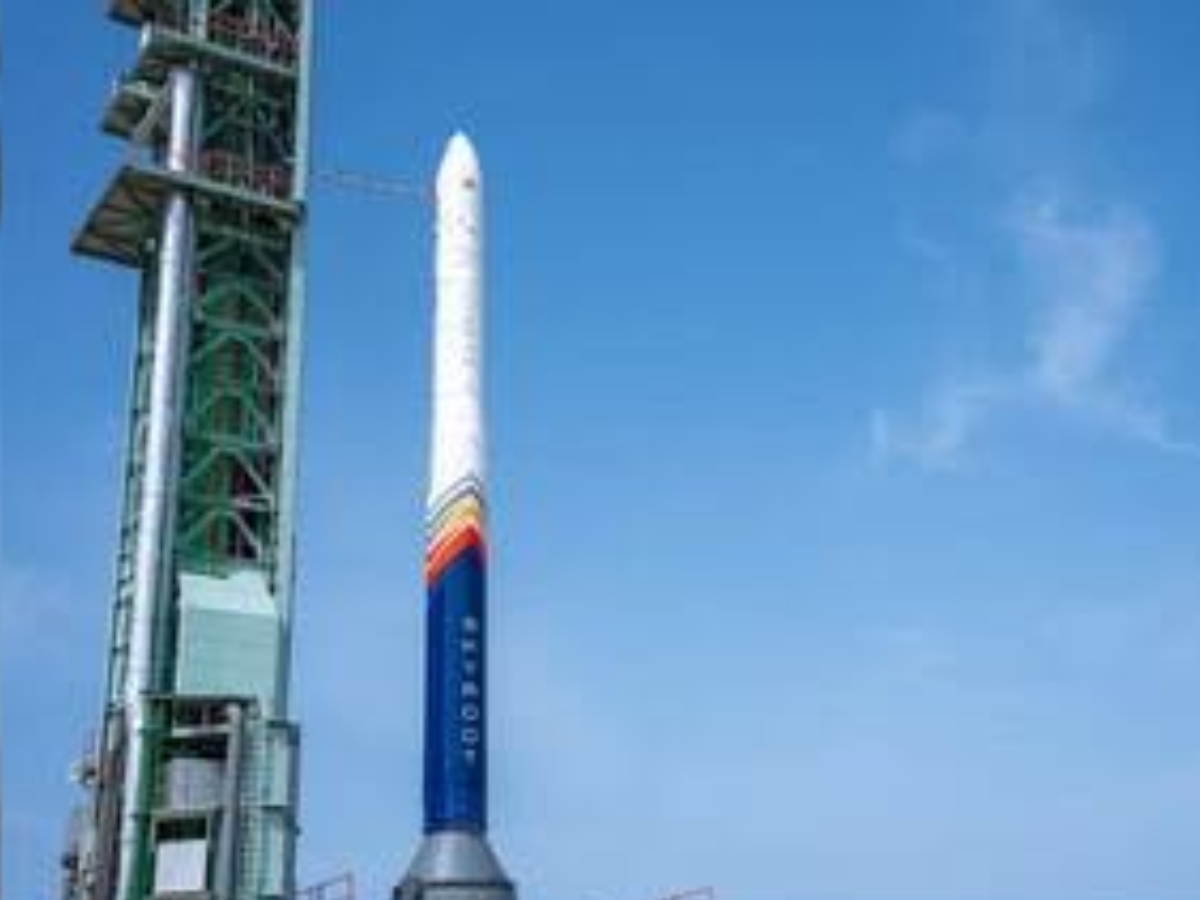
Vikram-1 is an impressive piece of engineering, designed to be a workhorse for the small satellite market. Standing at seven storeys tall, this multi-stage launch vehicle is meticulously engineered to deploy small satellites weighing up to 350 kg into Low Earth Orbit (LEO). Its inaugural mission targets an altitude of 450 km with a 60-degree orbital inclination, a typical trajectory for various Earth observation and communication satellites.
)
One of the most remarkable features of Vikram-1 is its advanced construction. The rocket boasts an all-carbon composite body, a material choice that significantly reduces the vehicle’s overall mass while enhancing its structural integrity and performance. This lightweight yet robust design is critical for achieving optimal payload capacity and orbital velocity. Beyond its structure, Vikram-1 leverages cutting-edge indigenous propulsion systems. This includes advanced 3D-printed engines, which represent a paradigm shift in rocket manufacturing. 3D printing allows for rapid prototyping, complex geometries, and reduced production costs, making rocket development more agile and cost-effective. Complementing these innovative engines are high-thrust solid-fuel boosters, providing the initial immense power required for liftoff and the initial ascent phase. The successful deployment of these indigenous technologies, from material science to propulsion, positions India at the forefront of advanced rocketry and manufacturing processes. This technological prowess not only demonstrates Skyroot’s engineering capabilities but also contributes to India’s broader "Make in India" initiative, fostering self-reliance and boosting domestic technological expertise. The ability to manufacture critical components domestically reduces reliance on foreign suppliers, enhances national security, and creates a robust supply chain within India.
Mission Objectives: Beyond the Horizon
While the primary objective of any rocket launch is to successfully deliver its payloads to orbit, Vikram-1’s maiden flight carries a deeper strategic purpose. This mission is fundamentally designed to gather crucial performance data across various critical subsystems. The propulsion system, responsible for generating thrust; the stage separation mechanisms, vital for jettisoning spent stages; the Guidance, Navigation, and Control (GNC) systems, which ensure the rocket stays on its intended trajectory; and the overall vehicle’s structural and aerodynamic performance will all be meticulously monitored.
This comprehensive data acquisition is not merely for validation; it is foundational to Skyroot’s strategic transition to full-fledged commercial launch operations. Each data point collected from this test flight will inform future design refinements, operational procedures, and ultimately, enable Skyroot to establish a reliable "launch cadence" – the ability to conduct frequent and predictable launches for commercial clients. As Chandana elaborated, "On 18 July, we are eager to see how Vikram-1 performs in a real flight environment for the first time. This is our first test flight, and we will be getting valuable data from it. This will be foundational to Skyroot’s aspirations of establishing launch cadence." This iterative approach of test-learn-refine is characteristic of successful aerospace innovation and underscores Skyroot’s commitment to developing a robust and dependable launch platform for the global market.

A Constellation of Innovation: The Diverse Payloads
Vikram-1’s maiden flight will host a diverse manifest of four tech-demonstration payloads, showcasing the rocket’s versatility and the breadth of innovation within India’s burgeoning space ecosystem, alongside a few symbolic tributes.
-
Grahaa Space’s Solaras S3 satellite: Hailing from Bengaluru and incubated at the Indian Institute of Space Science and Technology (IIST), Solaras S3 represents the potential of academic and startup collaboration in developing cutting-edge space solutions. Satellites like Solaras S3 are typically designed for Earth observation, remote sensing, or communication, contributing valuable data for various applications.
-
Embrace: This innovative space-debris removal robotic arm is developed by Hyderabad-based startup Cosmoserve Space. The inclusion of Embrace highlights a critical and growing concern in space – the proliferation of orbital debris. Demonstrating technologies for active debris removal is vital for ensuring the long-term sustainability of space operations.
)
-
Skyroot’s own Scope satellite: As an in-house payload, Scope serves as a dedicated platform for Skyroot to test and validate its own proprietary technologies in an operational space environment. This could include new sensor packages, communication systems, or structural components, directly feeding into the company’s research and development cycle.
-
Orbital demonstration from German firm DCUBED: The participation of a German firm underscores Vikram-1’s international appeal and India’s growing reputation as a reliable launch provider. DCUBED’s payload could involve testing micro-propulsion systems, deployable structures, or other experimental technologies, leveraging Vikram-1’s test flight for valuable in-orbit validation.
Beyond these technical payloads, Vikram-1 will also carry symbolic cargo: 18-carat gold micro-sculptures of India’s revered space pioneers – Sir C.V. Raman, Dr. Vikram Sarabhai, and Dr. A.P.J. Abdul Kalam. This tribute acknowledges the foundational work laid by these luminaries, whose vision paved the way for modern Indian space achievements. Additionally, Cosmos Diamonds’ artwork titled "Cosmic Bloom" will journey into orbit, adding an artistic dimension to this technological feat and symbolizing the boundless creativity inspired by space. These symbolic payloads add a touch of cultural and historical significance to a purely scientific and commercial endeavor, bridging the gap between human aspiration and technological achievement.
)
Chronology of a Private Space Dream
The journey to Vikram-1’s launch is a saga of ambition, perseverance, and strategic development. It reflects not just Skyroot’s individual trajectory but also the broader evolution of India’s space policy.
Skyroot Aerospace: From Vision to Launchpad
Skyroot Aerospace was founded in 2018 by former ISRO scientists Pawan Kumar Chandana and Naga Bharath Daka. Their vision was clear: to revolutionize space access by developing affordable, reliable, and responsive launch solutions for the burgeoning small satellite market. Starting with a lean team and immense ambition, Skyroot quickly attracted investor interest, securing significant funding rounds that fueled its research and development.
Their initial major milestone came on November 18, 2022, with the successful launch of Vikram-S, a sub-orbital demonstrator. This mission was historic as it marked the launch of India’s first private rocket to reach space, validating Skyroot’s propulsion systems and proving its capabilities. The "Prarambh" (the beginning) mission, as it was called, was a resounding success, paving the way for the more ambitious orbital flight of Vikram-1. This early success not only boosted the company’s credibility but also signaled to the global space community that India’s private sector was a serious player. The journey from Vikram-S to Vikram-1 represents a rapid progression from sub-orbital test flights to a full-fledged orbital launch capability, showcasing Skyroot’s agile development methodology and commitment to innovation.
)
The Road to Orbital Flight: Development Milestones
The path to Vikram-1 has been paved with relentless innovation, rigorous testing, and overcoming numerous technical challenges. The development involved multiple critical stages, beginning with sophisticated design and simulation work. Skyroot’s engineers utilized advanced computational fluid dynamics and structural analysis tools to optimize Vikram-1’s performance and ensure its structural integrity.
A significant milestone was the testing of its propulsion systems, including the crucial Raman engines, named after Nobel laureate C.V. Raman. These engines, featuring advanced liquid propulsion technology, underwent extensive ground-based hot fire tests, simulating flight conditions to validate their performance, efficiency, and reliability. Similarly, the solid-fuel boosters underwent static fire tests to ensure they could deliver the immense initial thrust required for liftoff. Beyond propulsion, the company meticulously developed and tested its avionics, guidance, navigation, and control systems, which are the brain of the rocket. These systems were put through their paces in various simulated environments to ensure they could accurately guide Vikram-1 to its intended orbit.
The "tough tests" mentioned by CEO Pawan Kumar Chandana encompass a wide array of qualification procedures, from individual component testing to full-scale stage integration tests. These included vibration tests, thermal vacuum tests, acoustic tests, and electromagnetic interference (EMI) tests, all designed to ensure the rocket can withstand the extreme conditions of space launch and operation. The final phases involved the meticulous assembly of all rocket stages, their integration at the launch site, and comprehensive pre-flight checks, including electrical connectivity, fuel loading simulations, and communication link validations with ground control. This systematic and thorough approach to development and testing is crucial for ensuring mission success and building confidence in a new launch vehicle.
)
Supporting Data and the Ecosystem
The launch of Vikram-1 is not an isolated event but a significant indicator of a profound shift in India’s space landscape, supported by evolving policies and a burgeoning ecosystem.
India’s Evolving Space Policy and Private Sector Engagement
For decades, India’s space program was synonymous with ISRO, a state-run entity that achieved remarkable feats despite limited resources. However, recognizing the global trend towards private sector involvement and the immense potential for growth, the Indian government initiated significant reforms. The establishment of the Indian National Space Promotion and Authorization Centre (IN-SPACe) in 2020 was a game-changer. IN-SPACe acts as a single-window agency to promote, authorize, and supervise private sector space activities, providing the necessary regulatory clarity and a level playing field for private companies.
This policy shift has unleashed a wave of entrepreneurial energy, leading to the emergence of numerous Indian space startups. Beyond Skyroot, companies like Agnikul Cosmos, which is developing its own small satellite launch vehicle, Agnibaan, and Bellatrix Aerospace, focusing on in-space propulsion systems, are contributing to a vibrant and competitive ecosystem. This strategic move aims to leverage the agility, innovation, and cost-effectiveness of the private sector to complement ISRO’s strategic missions, accelerating India’s overall progress in space. The government’s encouragement, coupled with clear regulatory frameworks, has created an environment conducive to private investment and innovation, attracting both domestic and international capital into the Indian space sector.
)
Economic and Technological Impetus
The "made-in-India" label on Vikram-1 carries significant economic and technological weight. It underscores the nation’s commitment to indigenous development and self-reliance, aligning with the broader "Atmanirbhar Bharat" (self-reliant India) initiative. The scale of this endeavor is impressive: Naga Bharath Daka, co-founder and COO of Skyroot Aerospace, highlighted that "The launch represents the hopes and hard work of around 1,000 people, the contributions of over 400 suppliers, and nearly 3,000 days of resolve to build a global offering from India." This statement illustrates the ripple effect of such a project, creating high-tech jobs, stimulating ancillary industries, and fostering a skilled workforce across the country.
The adoption of advanced manufacturing techniques, such as 3D printing for rocket engines, is a prime example of technological impetus. 3D printing not only streamlines the manufacturing process, reduces lead times, and lowers costs but also enables the creation of highly complex and optimized engine designs that are difficult or impossible to achieve with traditional methods. This capability positions India as a leader in advanced aerospace manufacturing. Economically, the global small satellite launch market is projected to grow significantly in the coming decade, driven by demand for communication constellations, Earth observation, and IoT applications. With cost-effective and reliable launch solutions like Vikram-1, India is well-positioned to capture a substantial share of this lucrative market, offering competitive alternatives to international clients.
Global Competition and India’s Niche
The global private space industry is a fiercely competitive arena, dominated by giants like SpaceX and emerging players such as Rocket Lab. While these companies have established significant capabilities, India’s private space sector, spearheaded by Skyroot, is strategically carving out its niche. India brings several inherent advantages to the table: a vast pool of highly skilled engineers and scientists, relatively lower operational costs compared to Western counterparts, and a robust legacy of space expertise inherited from ISRO.
)
Skyroot’s focus on small satellite launch vehicles (SSLVs) is particularly strategic. The demand for dedicated launch services for small satellites is rapidly increasing, as these smaller payloads often face delays or secondary payload status on larger, more expensive rockets. By offering dedicated and flexible launch options, Skyroot can cater to a specific market segment that values responsiveness and cost-efficiency. This approach allows India to compete effectively without directly challenging the heavy-lift capabilities of established players, instead focusing on a segment where it can offer distinct advantages. The successful demonstration of Vikram-1 will significantly enhance India’s credibility in this global market, attracting international customers seeking reliable and affordable access to space.
Official Responses and Industry Outlook
The impending launch of Vikram-1 has elicited enthusiastic responses from Skyroot’s leadership and signals a positive outlook from government and industry experts.
Voices from Skyroot Leadership
Pawan Kumar Chandana’s vision for "opening up space for everyone" underscores Skyroot’s long-term ambition beyond just launching satellites. It speaks to a future where space access is more democratic, fostering innovation and participation from a wider array of entities, from universities to small businesses. His emphasis on collecting "valuable data" from this first test flight highlights a pragmatic and iterative approach to development, recognizing that every launch, especially a maiden one, is a learning opportunity. This data will be crucial for refining the rocket’s design and operational procedures, ensuring future commercial success.
)
Naga Bharath Daka’s poignant remark about the launch representing "the hopes and hard work of around 1,000 people, the contributions of over 400 suppliers, and nearly 3,000 days of resolve" paints a vivid picture of the immense human effort and dedication behind this achievement. It is a testament to the collaborative spirit and resilience of the Indian workforce. His statement, "With the in-flight data gathered from this mission, we will return to the shop floor to learn, improve, and build further," reinforces the continuous improvement philosophy ingrained in Skyroot’s culture. This commitment to iterative development and learning from experience is a hallmark of successful aerospace companies and promises a future of increasingly reliable and capable launch vehicles.
Government and Regulatory Support
The flight approval for Vikram-1 is a direct outcome of the supportive regulatory environment fostered by the Indian government. IN-SPACe, as the nodal agency, has played a crucial role in streamlining the authorization process, ensuring that private players can operate within a clear and supportive framework. This proactive approach by the government is vital for encouraging private investment and accelerating the growth of the space sector. By providing guidance, technical support, and regulatory oversight, IN-SPACe is enabling companies like Skyroot to focus on innovation and execution, rather than being bogged down by bureaucratic hurdles.
This shift in government policy from a monopolistic state-run model to one that encourages public-private partnerships is a strategic move to unlock the full potential of India’s space capabilities. The government recognizes that private sector agility and innovation are essential to meet the rapidly evolving demands of the global space market and to maintain India’s competitive edge. The support extends beyond mere approvals, encompassing access to testing facilities, technical expertise from ISRO, and a conducive policy environment that promotes domestic manufacturing and technological development.
)
Expert Opinions and Market Projections
Space industry analysts worldwide are closely watching India’s private space sector, and the Vikram-1 launch is seen as a significant indicator of its maturity and potential. Experts generally agree that the successful orbital launch of Vikram-1 will be a powerful signal to international clients and investors, demonstrating India’s capability to offer reliable and cost-effective launch services. Market projections for India’s space economy are highly optimistic, with estimates suggesting multi-fold growth in the coming years.
Analysts point to several factors contributing to this positive outlook: India’s proven track record in space exploration (via ISRO), its competitive cost structures, a large pool of skilled engineering talent, and a rapidly evolving regulatory framework. The success of Vikram-1 could lead to increased foreign direct investment in Indian space startups, fostering further innovation and expansion. Moreover, it could position India as a key player in the global small satellite launch market, attracting contracts from international satellite operators, research institutions, and even other national space agencies looking for affordable access to space. The launch is also expected to create a cascading effect, inspiring more entrepreneurs to venture into the space domain and driving job creation across various high-tech sectors.
Implications and Future Outlook
The launch of Vikram-1 is more than just a rocket going to space; it carries profound implications for India’s geopolitical standing, economic growth, and technological advancement.
)
Reshaping India’s Space Narrative
Historically, India’s space narrative has been largely defined by ISRO’s remarkable achievements in planetary exploration, satellite deployment, and scientific missions. While ISRO will continue its vital role, the entry of private players like Skyroot fundamentally reshapes this narrative. India is transitioning from a predominantly government-led space power to a dual public-private powerhouse. This diversification not only enhances India’s capabilities but also strengthens its position in the global space arena.
The message sent to international clients and investors is clear: India is open for business in space. It demonstrates that India has the technological prowess, regulatory framework, and entrepreneurial spirit to support a vibrant private space industry. This shift can attract a greater share of the global space economy, positioning India as a reliable partner for launch services, satellite manufacturing, and other space-related ventures. It projects an image of a dynamic, forward-looking nation ready to compete and collaborate on the global stage.
Paving the Way for Commercial Space
Chandana’s vision of "opening up space for everyone" is a testament to the democratizing potential of commercial space. This entails making space access more affordable and frequent, which in turn can spur innovation in various sectors, from Earth observation and remote sensing to satellite-based internet and advanced material science. For Skyroot, the successful flight of Vikram-1 is just the beginning. The company has plans for a series of Vikram rockets, each designed to cater to different payload capacities and orbital requirements, aiming for a higher launch cadence.
)
Beyond just launching satellites, the rise of commercial space could enable new services like in-orbit manufacturing, space tourism (in the long term), and advanced satellite servicing. Skyroot’s success will pave the way for other Indian private entities to explore these diverse avenues, fostering a comprehensive commercial space ecosystem. This could ultimately lead to a future where space is not just a frontier for scientific exploration but also a domain for robust economic activity, generating wealth and technological advancements that benefit humanity.
Challenges and Opportunities Ahead
Despite the immense promise, Skyroot and the broader Indian private space sector face several challenges. Sustained funding remains critical for R&D, infrastructure development, and scaling operations. Access to advanced testing facilities and a robust supply chain also needs continuous strengthening. Furthermore, navigating the complexities of international space law and export controls while competing with established global players will require strategic acumen. Continued regulatory support from the Indian government, particularly in adapting policies to keep pace with rapid technological advancements, will be paramount.
However, the opportunities far outweigh the challenges. The exploding demand for small satellite launches, the growing market for satellite broadband, and the potential for in-orbit services present vast avenues for growth. India’s cost-effectiveness, combined with its engineering talent, positions it uniquely to capitalize on these trends. The success of Vikram-1 will not only fuel Skyroot’s ambitions but also galvanize the entire Indian space industry, inspiring a new generation of innovators and entrepreneurs. It represents a significant step towards India becoming a global hub for accessible and affordable space solutions, propelling the nation into a leading position in the future of space exploration and commerce.
)
In conclusion, the impending launch of Skyroot Aerospace’s Vikram-1 is more than a technological achievement; it is a symbol of India’s growing ambition and capability in the global space domain. It embodies the spirit of innovation, collaboration, and self-reliance, setting the stage for India’s private sector to play a transformative role in shaping the future of space. As Vikram-1 prepares for its historic liftoff, the world watches, recognizing that a new era for Indian space is about to begin.
