On September 30, 2026, the Government of India released a transformative and highly contentious set of draft regulations titled the Prevention of Cruelty to Animals (Control and Supervision of Experiment, Breeding and Trading of Laboratory Animals) Rules, 2026. While the government frames these rules as a necessary modernization of the research landscape to keep pace with a booming pharmaceutical and biotech sector, animal welfare organizations and scientific ethicists have raised a localized storm of protest.
The draft rules, which remained open for public comment until November 5, 2026, propose a fundamental shift in how animal experimentation is sanctioned in India. By moving away from a centralized oversight model based on the biological complexity of the animal (phylogeny) to a decentralized model based on the "severity" of the procedure, critics argue the government is inviting a conflict of interest that could jeopardize the welfare of thousands of animals.
Main Facts: A Paradigm Shift in Oversight
The core of the controversy lies in the redistribution of power from the central regulatory body to individual research institutions. Under the current regulatory framework—primarily the Breeding of and Experiments on Animals (Control and Supervision) Rules, 1998—the central Committee for the Control and Supervision of Experiments on Animals (CCSEA) holds the ultimate authority over experiments involving "higher" animals.
The Decentralization of Approval
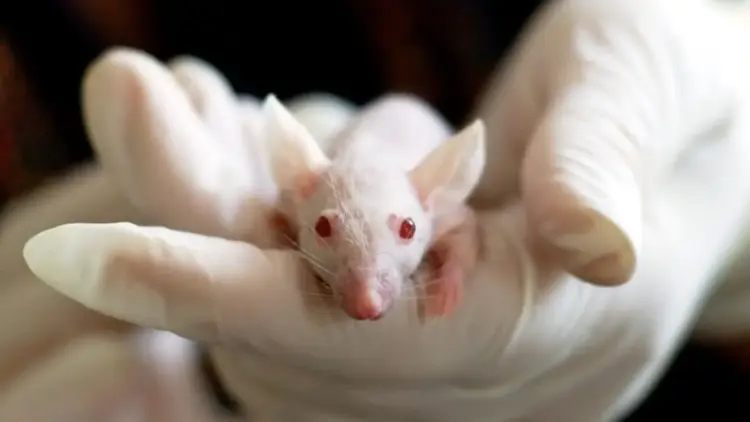
Currently, Institutional Animal Ethics Committees (IAECs) can only approve experiments on lower phylogenetic levels, such as rodents (rats and mice), birds, and rabbits. For any research involving more sentient species—including dogs, monkeys, pigs, cattle, and goats—the IAEC must forward the proposal to the central CCSEA for a rigorous secondary review.
The 2026 draft rules propose to dismantle this hierarchy. Under the new proposal, IAECs would be empowered to approve experiments on all animals, regardless of species, provided the experiments are categorized as "mild" or "moderate" in nature. Central CCSEA approval would only be mandated for "severe" experiments or "non-recovery" procedures (where the animal is euthanized under anesthesia).

Redefining Severity
The draft rules introduce a classification system for pain and distress:
- Mild: Short-term mild pain, suffering, or distress with no significant impairment.
- Moderate: Procedures likely to cause moderate impairment of well-being or general condition.
- Severe: Procedures causing severe pain, long-lasting suffering, or significant impairment.
- Non-recovery: Procedures performed entirely under general anesthesia from which the animal does not regain consciousness.
Chronology: The Evolution of Animal Testing Laws in India
To understand the gravity of the 2026 draft, one must look at the legislative trajectory of animal welfare in Indian science over the last six decades.
- 1960: The Prevention of Cruelty to Animals (PCA) Act is passed, establishing the legal bedrock for animal protection.
- 1968: The Experiments on Animals (Control and Supervision) Rules are notified, emphasizing that experiments must be performed with "due care and humanity."
- 1998: The Breeding of and Experiments on Animals (Control and Supervision) Rules are introduced, creating the current tiered system of IAEC and CCSEA approvals.
- 2022: The CCSEA issues a controversial circular allowing stray dogs to be used in clinical vaccine trials.
- October 2023: Following intense public outcry, the circular regarding stray dogs is withdrawn "until further orders" due to a lack of formulated protocols.
- 2023: The government passes the New Drugs and Clinical Trials (Amendment) Rules, 2023, which for the first time legally recognizes non-animal methods (NAMs), such as organ-on-chip technology, as valid for drug safety studies.
- September 30, 2026: The new draft rules are published, appearing to diverge from the 2023 momentum toward non-animal alternatives by streamlining the process for traditional animal testing.
Supporting Data: The Economic and Scientific Stakes
The push to "streamline" approvals is not happening in a vacuum. India is rapidly becoming a global hub for Contract Research Organizations (CROs) that perform preclinical trials for international pharmaceutical giants.
The CRO Market Boom
According to market research by Grand View Research, the Indian preclinical CRO market was valued at approximately $183.3 million in 2023. This sector is projected to grow at a compound annual growth rate (CAGR) of 11.4% through 2030. The growth is driven by low operating costs, a skilled workforce, and a vast network of more than 2,300 CCSEA-registered facilities. Proponents of the draft rules argue that the current centralized approval process creates bottlenecks that delay vital medical research and deter foreign investment.
The Risk of Genetic Variability
A significant point of scientific contention in the draft rules is the potential use of wild and stray animals. Traditionally, lab-bred animals are used because their genetic consistency ensures that results are reproducible.

Surat Parvatam, Senior Program Director at Humane World for Animals India, points out the scientific flaw in the draft’s allowance of wild or stray animals: "If animals are sourced from stray or wild populations, we don’t know their medical history or genetic background. How are you going to interpret the scientific data that emerges?" Using animals with unknown variables could lead to "noisy" data, potentially rendering the experiments scientifically useless while still causing animal suffering.
Official Responses: Critics Call the Rules "Backward"
The backlash from the animal rights community has been swift and severe. Organizations like PETA India and the Rapid Response network have labeled the draft a regression in ethical standards.
Conflict of Interest Concerns
A major criticism involves the composition of the IAECs. Under the draft rules, five out of the nine members of an IAEC are from the institute itself. Critics argue that this creates a "rubber stamp" culture. "Outsourcing this decision-making to the IAECs introduces a conflict of interest," says Parvatam. The concern is that institutional committees may prioritize the institution’s research deadlines and funding over the ethical necessity of the experiment.
PETA India’s Stance
PETA India has described the draft as "backward," arguing that the government should be doubling down on the 2023 amendments that favored New Approach Methods (NAMs). They argue that instead of making it easier to use animals, the government should be providing incentives for laboratories to adopt high-tech, animal-free testing models like 3D tissue cultures and AI-driven predictive modeling.
The "Moral Necessity" Argument
Rapid Response, a network of animal welfare advocates, submitted an objection letter stating that experiments should never be approved merely for "convenience." They argue that the draft fails to strictly enforce the "Three Rs" of animal testing: Replacement (using non-animal methods), Reduction (using fewer animals), and Refinement (minimizing suffering).

Implications: Ethical, Scientific, and Legal Risks
If the 2026 draft rules are adopted in their current form, the implications for animal welfare in India could be profound.
1. Erosion of Protections for Highly Sentient Species
By allowing local committees to approve "moderate" experiments on monkeys or dogs, the specialized oversight that previously considered the high cognitive and social needs of these species may vanish. What an institution deems "moderate"—such as solitary isolation or inducing tumors—might be perceived as "severe" by an independent central body.
2. Legalization of the Trade in Stray and Wild Animals
The draft rules state that wild or stray animals shall not be used unless there is a "scientific justification." Critics argue that this "justification" is a loophole that could be easily exploited. Furthermore, the provision allowing the procurement of livestock from "open markets" with IAEC approval could inadvertently fuel an unregulated commercial trade of animals for labs.
3. Divergence from Global Trends
While the European Union and parts of North America are tightening restrictions on animal testing—particularly for cosmetics and certain types of medical research—India’s draft rules appear to be moving in the opposite direction. This could create a "regulatory haven" effect, where companies move animal-intensive research to India to avoid the stricter ethical hurdles of the West, potentially damaging India’s reputation in the global scientific community.
4. Impact on Scientific Validity
As highlighted by experts, the move toward using non-standardized animals (strays/wild) and the potential for biased institutional approvals could lead to a decline in the quality of Indian research. If the data produced is not rigorous or reproducible due to lax oversight, the pharmaceutical products derived from these tests may face hurdles in international regulatory markets like the FDA or EMA.

Conclusion
The Draft Prevention of Cruelty to Animals Rules, 2026, represent a crossroads for India. On one side is the desire to accelerate scientific innovation and capture a larger share of the global R&D market by reducing "red tape." On the other is the ethical obligation to protect sentient beings from unnecessary harm and the scientific necessity of maintaining rigorous, centralized oversight.
As the government reviews the public comments submitted through November 2026, the scientific community and animal advocates remain in a state of high alert. The final version of these rules will determine whether India continues its journey toward advanced, non-animal research or reverts to a system that critics fear prioritizes institutional convenience over the "care and humanity" promised decades ago.