

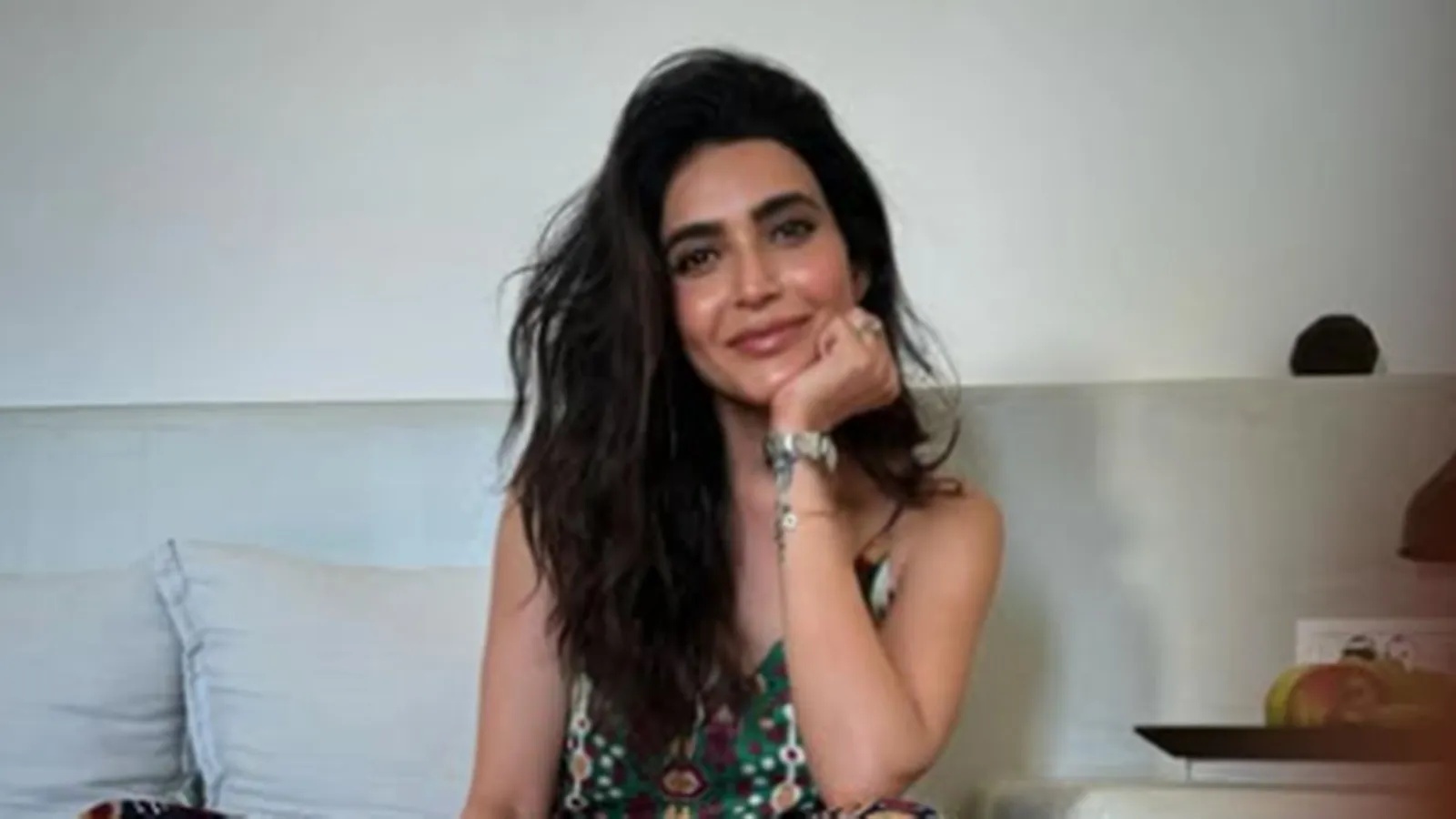
New Delhi, July 22, 2026 – In a candid conversation that has sparked interest in traditional Indian cuisine’s nutritional potential, actress Karishma Tanna revealed her fondness for moong dal sheera, a humble yet potent dish, as a solution to her cravings. The revelation came during a discussion with her nutritionist, Shweta Shah, who lauded the dish as an "intelligent food" often overlooked in modern diets. This culinary endorsement, coupled with insights from a leading dietitian, highlights moong dal sheera’s potential as a nutritious addition to various diets, particularly for expectant mothers.
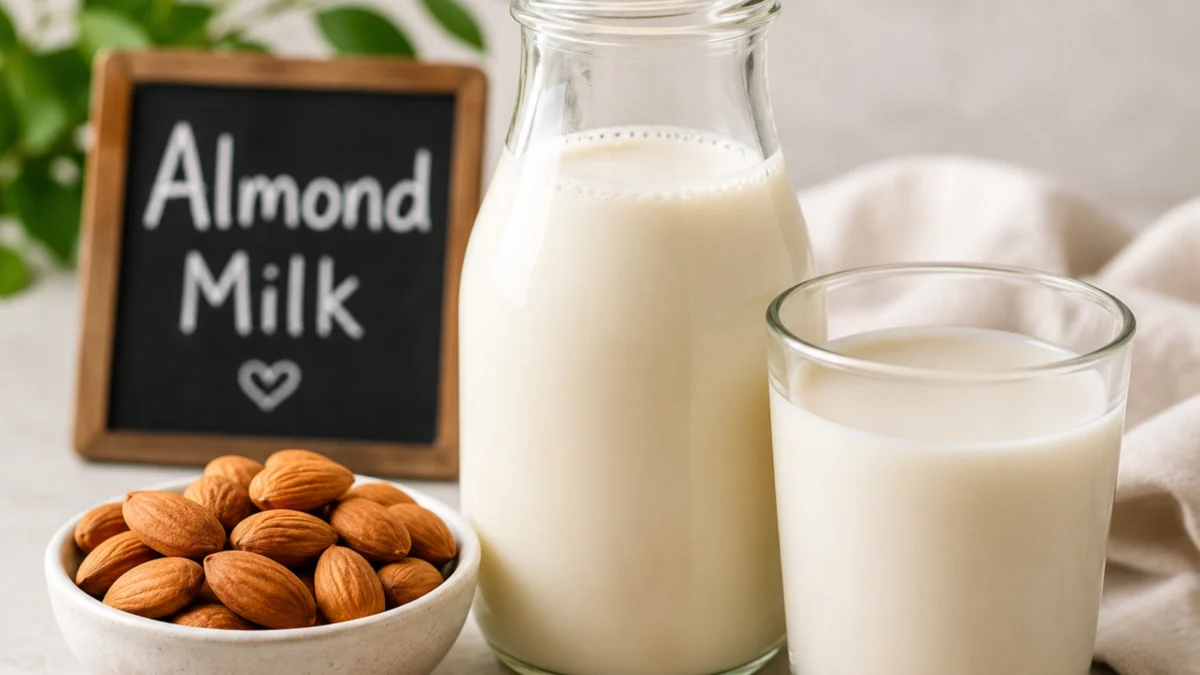
The dialogue between Tanna and Shah underscored a growing appreciation for traditional recipes that offer both flavor and health benefits. Shah recalled Tanna’s enthusiastic response to her suggestion of moong dal sheera, noting, "You can’t cancel such foods. They are intelligent foods." Tanna further elaborated on her preparation, mentioning the inclusion of almond milk and jaggery powder, a deliberate choice to cater to her dietary preferences and enhance its nutritional profile. This adaptation reflects a modern approach to traditional dishes, blending time-tested ingredients with contemporary dietary considerations.
The Nutritional Powerhouse: Unpacking Moong Dal Sheera
Moong dal, or split yellow lentils, is a staple in Indian households, recognized for its digestibility and rich nutrient content. When transformed into sheera, a sweet pudding-like dish, it offers a unique combination of carbohydrates, protein, and fiber. However, the traditional preparation often involves significant amounts of ghee and sugar, which can elevate its calorie count and potentially negate its health benefits if consumed in excess.
Dr. Amreen Sheikh, Chief Dietitian at KIMS Hospitals, Thane, emphasizes that moong dal sheera can be a "nutritious addition to a pregnancy diet when made thoughtfully." She explains the inherent benefits of moong dal: "Moong dal is naturally high in plant protein, folate, iron, fibre, and other nutrients that support the health of the mother and the baby’s growth. It is also easier to digest than many other legumes, making it a good choice for women who have digestive discomfort during pregnancy."
The inclusion of almond milk, as Tanna mentioned, also comes under scrutiny. Dr. Sheikh notes that while it’s an "interesting option," its nutritional value can vary significantly between brands. "Many almond milks available in stores are lower in protein than dairy milk," she states. "If the almond milk is fortified with calcium and vitamin D and is unsweetened, it can be suitable for women who are lactose intolerant, vegan, or prefer plant-based options. However, for those who can handle dairy, regular milk usually provides more protein and natural calcium, making it a better choice during pregnancy." This nuanced perspective highlights the importance of ingredient selection and understanding the nutritional content of substitutes.
A Look at Karishma Tanna’s Customization
Karishma Tanna’s personal touch to the moong dal sheera recipe – incorporating almond milk and jaggery powder – exemplifies how traditional dishes can be adapted to modern dietary needs and preferences. Her preference for almond and oat milk aligns with a growing trend towards plant-based alternatives, often chosen for their perceived health benefits or to accommodate dietary restrictions.
"I had put almond milk in it because I love almond and oat milk," Tanna shared. "I had put jaggery powder in it. Milk replacement: I got almond milk." This approach demonstrates a conscious effort to enhance the dish’s health quotient. Jaggery, a less refined sugar alternative to white sugar, retains some minerals and offers a slightly different flavor profile. However, it is crucial to remember that jaggery is still a form of sugar and should be consumed in moderation.
Expert Insights: Crafting a Healthier Moong Dal Sheera
The key to unlocking the full nutritional potential of moong dal sheera, especially during pregnancy, lies in mindful preparation. Dr. Sheikh offers practical advice for making this traditional sweet a healthier option:
Moderation is Key: Portion Control and Ingredient Adjustments
"As with any traditional sweet, portion size is important," Dr. Sheikh stresses. "Moong dal sheera is often made with large amounts of ghee and sugar, which can raise its calorie content significantly. Although pregnancy increases nutritional needs, it does not mean women should eat unlimited amounts of calorie-dense foods."
A healthier approach, according to Dr. Sheikh, involves:
- Using moderate amounts of ghee: While ghee contributes to the texture and flavor, reducing the quantity can significantly lower the calorie and fat content.
- Cutting back on added sugar: Relying on the natural sweetness of the ingredients and using minimal jaggery or other sweeteners is advisable.
- Allowing natural flavors to shine: The inherent flavor of roasted moong dal and the aroma of cardamom can be sufficient without excessive sweetening.
Boosting Nutrients with Natural Additions
To further enhance the nutritional value, Dr. Sheikh suggests incorporating nutrient-dense ingredients:
- Adding chopped nuts and seeds: "Adding chopped nuts and seeds can boost the healthy fats and nutrients without relying on extra sweetness," she recommends. Almonds, walnuts, pistachios, pumpkin seeds, and sunflower seeds are excellent choices, providing essential fatty acids, vitamins, and minerals.
The Pregnancy Diet Context: Is Moong Dal Sheera a Regular Fixture?
The question of whether moong dal sheera can be consumed regularly during pregnancy is a crucial one for many expectant mothers seeking healthy dietary options. Dr. Sheikh clarifies its role:
"Moong dal sheera can definitely be part of a balanced pregnancy diet, but it should be considered a wholesome snack or occasional breakfast rather than a daily dessert."
She elaborates on the importance of a varied diet during this critical period:
"Nutrition during pregnancy is all about variety. Including different sources of protein, whole grains, fruits, vegetables, dairy, or fortified options, and healthy fats ensures that both the mother and baby receive a wide range of essential nutrients."
Personalized Nutrition Over Celebrity Trends
While celebrity endorsements can bring attention to certain foods, Dr. Sheikh emphasizes the paramount importance of individualized dietary plans. "While celebrity food choices can inspire, the best pregnancy diet should always fit an individual’s health needs, nutritional requirements, and any medical conditions like gestational diabetes or excessive weight gain," she advises.
This statement serves as a vital reminder that dietary recommendations should always be tailored to the individual, taking into account pre-existing health conditions, allergies, and specific nutritional needs during pregnancy.
The Broader Implications: Reclaiming Traditional Foods
The conversation surrounding Karishma Tanna and moong dal sheera is more than just a celebrity anecdote; it reflects a broader societal shift towards rediscovering and re-evaluating traditional foods. In an era dominated by processed foods and fad diets, the wisdom embedded in ancient culinary practices is being revisited for its inherent health benefits.
Moong dal sheera, often relegated to festive occasions or viewed as a simple comfort food, is now being recognized for its potential as a nutrient-dense option. Its high protein content from moong dal, combined with the potential for added nutrients from nuts, seeds, and thoughtfully chosen sweeteners and milk alternatives, positions it as a versatile dish.
The adaptability of moong dal sheera is a testament to its "intelligent" nature, as described by nutritionist Shweta Shah. It can be modified to suit various dietary needs, from vegan and lactose-intolerant preferences with the use of plant-based milk to reduced sugar options for those managing blood sugar levels.
Conclusion: A Balanced Perspective on a Beloved Dish
In conclusion, moong dal sheera, when prepared with awareness and moderation, can be a delightful and nutritious addition to one’s diet. The insights from Karishma Tanna and expert advice from Dr. Amreen Sheikh underscore its potential, particularly for pregnant women seeking wholesome ways to satisfy cravings.
The key takeaway is not to dismiss traditional dishes but to understand their nutritional composition and adapt them to contemporary health standards. By focusing on balanced ingredients, mindful portion sizes, and incorporating nutrient-rich additions, moong dal sheera can transition from an occasional indulgence to a recognized healthy choice, proving that sometimes, the most intelligent foods are the ones that have been with us all along.
Disclaimer: This article is based on information from the public domain and/or expert opinions. It is crucial to consult with a qualified health practitioner or registered dietitian before making any significant changes to your diet, especially during pregnancy.
