


New Delhi, July 30, 2026 – The joyous arrival of a baby is often accompanied by a whirlwind of emotions and a profound shift in a woman’s identity. For actress Lin Laishram, who welcomed a baby girl with actor Randeep Hooda in March 2026, this transition has been met with a refreshingly honest and relatable reflection on the multifaceted challenges of early motherhood. Her recent candid post on Instagram, where she humorously yet poignantly questioned the whereabouts of "skincare," "me time," and "fine dining," has resonated deeply with new mothers across the nation, igniting a vital dialogue about the realities often glossed over in the romanticized narrative of parenthood.
Laishram, at 40, has bravely articulated the sacrifices and adjustments that come with embracing motherhood, shedding light on the significant physical and emotional transformations that new mothers navigate. Her introspection serves as a powerful reminder that while motherhood is an immensely rewarding journey, it is also a period of profound personal upheaval, demanding resilience, self-compassion, and a supportive environment.
The Unvarnished Truth: Lin Laishram’s Post and Its Impact
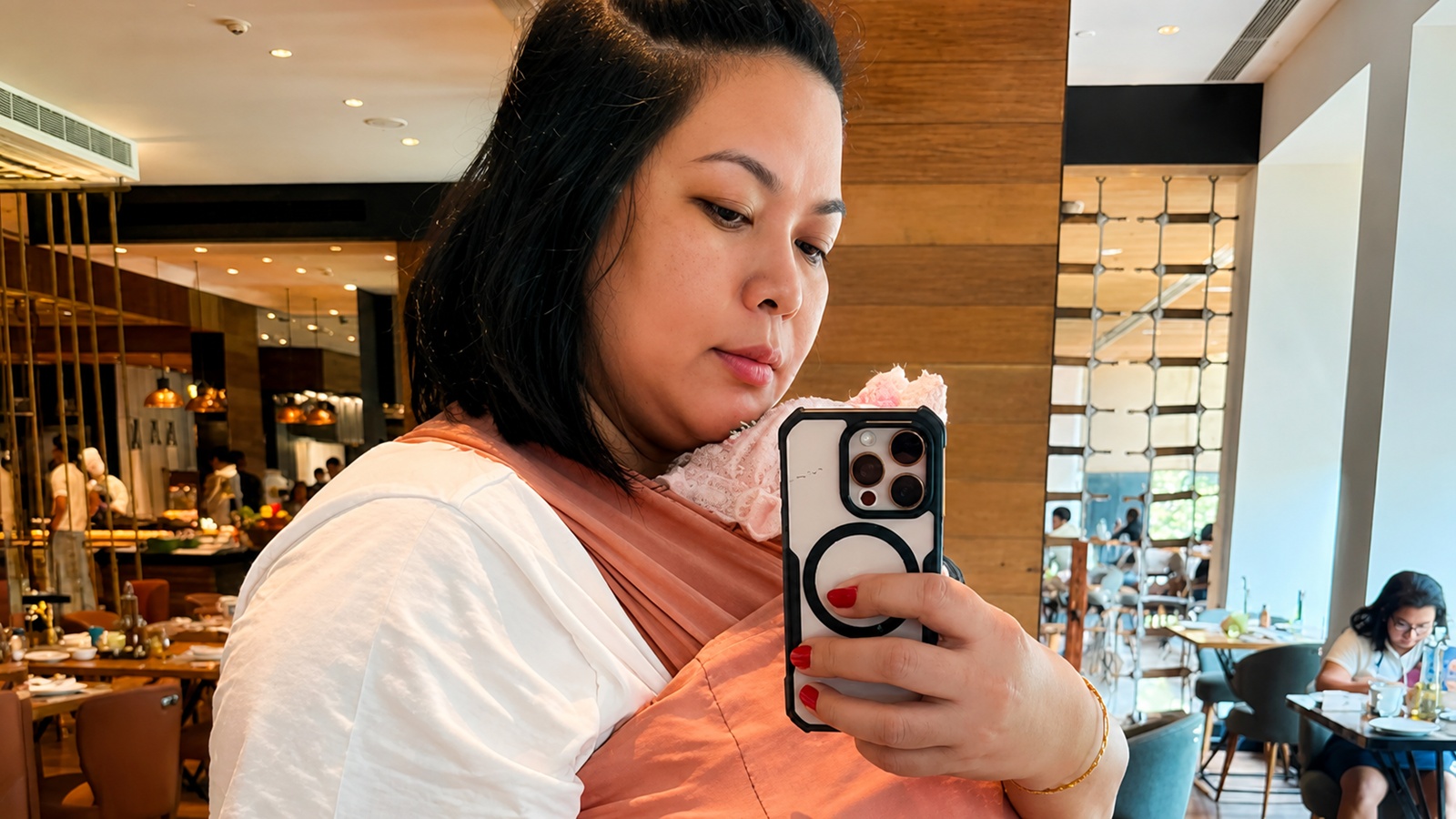
Lin Laishram’s Instagram carousel post, shared with her followers, presented a series of rhetorical questions that paint a vivid picture of the post-partum reality for many women:
- "w*f is skincare?"
- "w*f is me time?"
- "w*f is no sugar?"
- "w*f is fine dining?"
- "w*f is solo travel?"
- "w*f is eating in peace?"
- "w*f is flat stomach?"
These questions, delivered with a touch of humor, underscore the drastic shift in priorities and the often-unforeseen sacrifices that characterize the initial months of caring for a newborn. The "w*f" (what the f***) phrasing, while informal, conveys a raw and authentic sense of bewilderment and perhaps even frustration at the disappearance of former routines and personal luxuries.
The post’s immediate virality underscores a widespread sentiment among new mothers who feel seen and validated by Laishram’s candidness. In a society that often places immense pressure on women to "bounce back" and maintain an idealized image post-partum, Laishram’s willingness to acknowledge the messy, demanding, and sometimes overwhelming aspects of motherhood offers a much-needed counter-narrative. It validates their struggles and encourages open conversations about the realities of this transformative phase.
Expert Perspectives: Validating the Maternal Experience
To delve deeper into the experiences articulated by Lin Laishram, we consulted with Dr. Tanveer Aujla, a distinguished consultant obstetrician and gynaecologist at Motherhood Hospitals, Noida, Sector 48. Dr. Aujla unequivocally affirmed that Laishram’s observations are not isolated incidents but rather common challenges faced by a significant number of women.
"Motherhood is undeniably one of life’s most profound and rewarding experiences," Dr. Aujla stated. "However, it is also a period that brings forth numerous unexpected challenges that can significantly impact a woman’s physical and emotional well-being. Many women struggle immensely during this phase, grappling with issues ranging from comments about achieving a ‘flat stomach’ to the pervasive lack of sleep, the difficulty in finding personal time, and the inability to enjoy simple pleasures like fine dining or spontaneous travel."
Dr. Aujla elaborated on the societal pressures that often exacerbate these challenges. "After childbirth, there is a considerable pressure on many women to ‘bounce back’ and regain their pre-pregnancy body. It’s crucial to understand that every mother’s body heals differently, and the recovery process is a gradual one. Unrealistic expectations, whether self-imposed or stemming from external pressures, can lead to significant stress, diminished self-esteem, and unnecessary feelings of guilt."
The pursuit of a "flat stomach" is a particularly pervasive and often detrimental aspect of post-partum societal expectations. Dr. Aujla emphasized, "The focus on achieving a ‘flat stomach’ immediately after childbirth is often unrealistic and can be detrimental to a mother’s mental and physical health. The body undergoes immense changes during pregnancy and childbirth, and it requires time, nourishment, and gentle care to recover. Prioritizing a healthy recovery over rapid aesthetic changes is paramount."
The Erosion of ‘Me Time’ and Personal Liberties
The concept of "me time," a luxury often taken for granted before motherhood, becomes a scarce commodity for new mothers. Dr. Aujla highlighted this common struggle: "Finding ‘me time’ is another significant challenge. Caring for a newborn often necessitates putting one’s own needs on the back burner, leaving very little time for exercise, pursuing hobbies, or even obtaining adequate rest. Many mothers also find themselves missing simple joys like leisurely dinners at restaurants or spontaneous travel. Outings now require meticulous planning around the baby’s feeding and sleep schedules, adding another layer of complexity to daily life."
The shift from independent living to a life dictated by the needs of an infant means that even basic activities like eating can become a challenge. The image of a new mother rushing through a meal, interrupted by the baby’s cries, is a familiar one. Similarly, the freedom to indulge in a quiet meal, savoring each bite, becomes a distant memory. This loss of autonomy and the constant demands of infant care can contribute to feelings of overwhelm and a sense of losing one’s pre-motherhood identity.
Dietary Adjustments and the Sugar Dilemma
Lin Laishram’s question, "w*f is no sugar?" touches upon another area of significant adjustment: dietary habits. For breastfeeding mothers, nutritional choices become even more critical, impacting both their own health and the baby’s.
"Dietary habits often undergo significant changes after childbirth," Dr. Aujla explained. "Some mothers choose to reduce their sugar intake or adopt healthier eating patterns for various reasons. This can be to improve their own health, support breastfeeding, or to set a positive example for their children. However, the transition to healthier eating can be challenging amidst the demands of caring for a newborn, especially when cravings and exhaustion are prevalent."
The pressure to restrict certain foods, including sugar, can add another layer of difficulty. While a balanced diet is crucial, the guilt associated with occasional indulgences can be detrimental. Dr. Aujla stressed the importance of a balanced approach, "It’s important for mothers to nourish themselves adequately. While healthy eating is encouraged, occasional indulgences are also permissible and can contribute to overall well-being. The focus should be on sustainable healthy habits rather than restrictive diets that can lead to feelings of deprivation."
The Implication of Unrealistic Expectations: A Societal Challenge
The underlying theme in Lin Laishram’s post and Dr. Aujla’s expert opinion is the detrimental impact of unrealistic expectations. The societal narrative often glorifies motherhood, presenting an idealized image of effortless grace and constant joy. This can create a chasm between the lived reality of new mothers and the expectations placed upon them.
"Unrealistic expectations can have a cascading effect," Dr. Aujla warned. "They can lead to increased stress, poor self-esteem, and an overwhelming sense of guilt. Mothers may feel inadequate if they are not effortlessly managing all aspects of their lives, from nurturing their child to maintaining their physical appearance and personal well-being. This can create a vicious cycle of self-doubt and anxiety."
The pressure to achieve a "flat stomach" is a prime example of these unrealistic expectations. While it’s natural for women to desire to return to their pre-pregnancy bodies, the timeline and the methods often promoted are not always healthy or achievable for everyone. The focus on external appearance can overshadow the crucial internal healing and recovery process.
Towards a More Supportive Framework: Embracing Imperfection
Lin Laishram’s courageous sharing serves as a catalyst for a broader societal conversation about how we support new mothers. Dr. Aujla offers practical advice for navigating these challenging times:
"Many mothers commonly witness these struggles, and it is important to remember that this is often a temporary phase," she reassured. "It is crucial for mothers to prioritize self-care without succumbing to guilt. Seeking support from family, sharing responsibilities with a partner, maintaining a balanced diet, staying physically active as advised by a doctor, and taking short breaks are essential for preserving both physical and mental well-being."
The importance of a strong support system cannot be overstated. Partners, family members, and friends play a vital role in alleviating the burdens of new parenthood. Open communication and a willingness to share tasks can significantly ease the pressure on the mother.
Furthermore, the narrative surrounding motherhood needs to evolve. Instead of solely focusing on the joyous moments, it’s essential to acknowledge and validate the struggles. This includes:
- Challenging the ‘Bounce Back’ Culture: Emphasizing a healthy and gradual recovery process over the immediate return to pre-pregnancy aesthetics.
- Normalizing the Messiness: Acknowledging that motherhood is often chaotic, imperfect, and requires constant adaptation.
- Promoting Self-Compassion: Encouraging mothers to be kind to themselves and to recognize that they are doing their best in a demanding situation.
- Prioritizing Maternal Mental Health: Ensuring access to mental health support and destigmatizing discussions around post-partum depression and anxiety.
"Motherhood changes life in myriad ways," Dr. Aujla concluded, "but caring for oneself is just as important as caring for the child. Just as a baby’s health is paramount, the mother must prioritize her own health and well-being. This isn’t a selfish act; it’s a necessary foundation for being the best caregiver possible."
Lin Laishram’s candid revelations, amplified by expert insights, have opened a much-needed dialogue. By embracing the realities of motherhood, fostering a culture of support, and prioritizing the well-being of new mothers, we can help them navigate these uncharted waters with greater confidence, resilience, and ultimately, joy. The journey of motherhood is a marathon, not a sprint, and it requires empathy, understanding, and a collective commitment to supporting every woman on this transformative path.
