

The enduring legacy of Joseph Pilates’ mind-body exercise continues to reshape fitness landscapes, offering a scientifically-backed path to core strength, mental acuity, and holistic well-being.
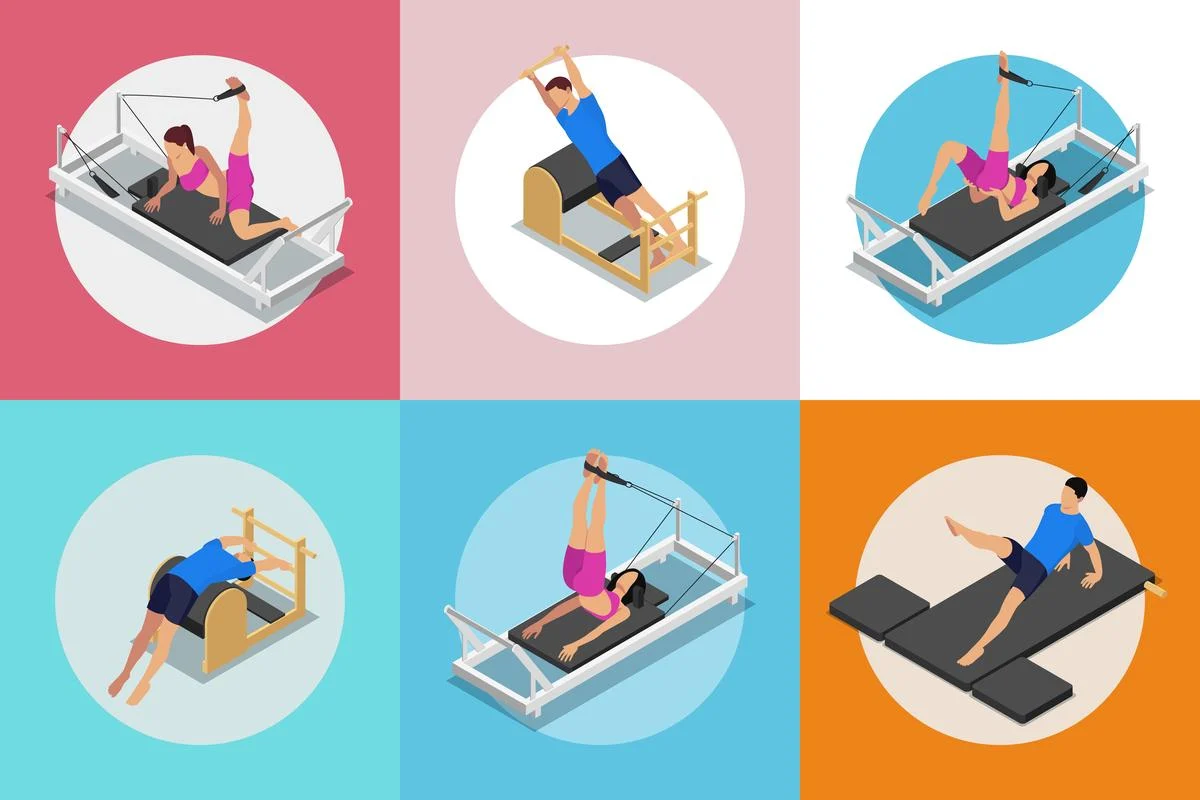
Pilates, a discipline born in the early 20th century, has transcended its origins to become a cornerstone of modern fitness. Far from a fleeting trend, this meticulously crafted exercise method, developed by the visionary Joseph Pilates, offers a profound approach to physical and mental conditioning. While often associated with mat-based routines, Pilates’ versatility extends to specialized apparatus like reformers and cadillacs, which provide dynamic resistance and support, allowing for a nuanced and challenging full-body workout. The core tenets of Pilates – emphasizing precise muscle control, mindful breathing, and a deep connection between mind and body – have resonated across generations, proving its enduring efficacy in enhancing core strength, improving posture, and fostering a heightened sense of body awareness.
Recent years have witnessed a significant resurgence in Pilates’ popularity, fueled by a growing understanding of its scientifically validated benefits. Studies published in esteemed journals such as the Journal of Orthopaedic & Sports Physical Therapy and by the American Council on Exercise have consistently highlighted Pilates’ effectiveness in promoting spinal stability and improving posture, all while minimizing the risk of injury. This scientific validation has propelled Pilates beyond a mere exercise fad, cementing its status as a legitimate and highly effective component of a comprehensive wellness regimen.
The Genesis of Contrology: Joseph Pilates’ Visionary Approach
The story of Pilates begins with Joseph Pilates, a German physical trainer who, in the early 1900s, embarked on a journey to create a system of exercise that would revolutionize physical rehabilitation and overall health. Drawing inspiration from a diverse range of disciplines including gymnastics, boxing, yoga, and Zen meditation, Pilates developed a holistic approach he termed "Contrology." This original philosophy emphasized the integration of mind and body, believing that precise muscle control, achieved through focused movement and breath, was the key to unlocking optimal physical function.
Pilates’ dedication to his craft led him to immigrate to New York in 1926, where he established his first studio in close proximity to the renowned New York City Ballet. This strategic location allowed him to work with dancers and athletes, honing his methods and demonstrating the transformative power of Contrology. His studio became a hub for those seeking a deeper understanding of their bodies and a more effective path to physical fitness. The principles he established then continue to form the bedrock of the Pilates practice today, influencing its evolution and broad appeal.
Evolution of a Discipline: From Contrology to Contemporary Adaptations
The enduring legacy of Joseph Pilates is evident in the distinct lineages and adaptations of his original method that have emerged over the decades. Understanding these variations provides insight into how Pilates has remained relevant and adaptable to the diverse needs of modern practitioners.
Contrology: The Purest Form
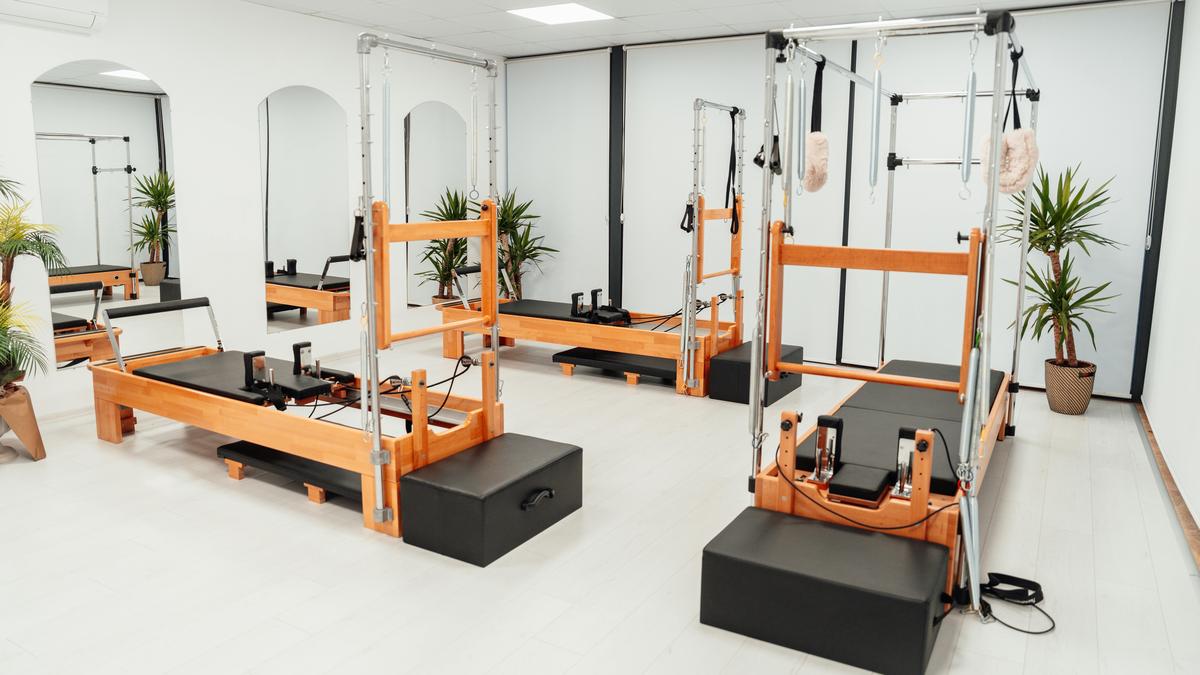
At its core lies Contrology, the original system meticulously designed by Joseph Pilates. This method is characterized by a precise sequence of exercises, often requiring specialized apparatuses engineered with specific characteristics to provide controlled resistance. Joseph Pilates was famously rigorous in his adherence to his original system, permitting modifications only if the practitioner acknowledged that the altered exercise was no longer strictly "Contrology." This dedication to purity ensured that the foundational principles of breath, control, centering, precision, flow, and concentration were maintained with utmost integrity.
Classical Pilates: Honoring the Master’s Disciples
Classical Pilates represents a subtle yet significant evolution from the original Contrology. Developed by Joseph Pilates’ direct disciples, this approach acknowledges minor deviations and additions to the original repertoire. While maintaining a strong adherence to the foundational principles and the spirit of Pilates’ teachings, Classical Pilates often incorporates additional exercises and may present them in slightly varied sequences. The distinction between Contrology and Classical Pilates is often seen as a continuation of the master’s work, preserving its essence while allowing for incremental growth.
Contemporary Pilates: Modernizing the Method
In contrast, Contemporary Pilates embraces a more modern and adaptable interpretation of the Classical form. This evolution involves a greater degree of modification, the introduction of new and innovative equipment, and a departure from the strict adherence to a specific exercise order. Contemporary Pilates aims to make the practice more accessible and versatile, catering to a wider range of physical needs and fitness goals. This has led to the integration of Pilates principles with other popular fitness modalities, creating dynamic hybrid workouts.
The Proliferation of Pilates: Hybrid Forms and Innovative Applications
The adaptability of Pilates has paved the way for its integration with a multitude of other fitness disciplines, creating innovative hybrid workouts that cater to diverse preferences and objectives. This fusion has significantly broadened Pilates’ reach and appeal, making it an integral part of a multifaceted approach to health and wellness.

- Yogilates: A harmonious blend of Pilates and yoga, Yogilates combines the core-strengthening and alignment principles of Pilates with the flexibility, mindfulness, and spiritual aspects of yoga. This practice offers a holistic approach to physical and mental well-being, promoting both strength and serenity.
- Cardiopilates: For those seeking to enhance cardiovascular fitness alongside core conditioning, Cardiopilates integrates aerobic elements with Pilates exercises. This dynamic approach provides a challenging yet controlled workout, boosting endurance and metabolism.
- Piloxing: A high-energy fusion of Pilates, boxing, and dance, Piloxing offers an exhilarating workout that sculpts the body, burns calories, and boosts confidence. The combination of powerful punches, graceful movements, and core engagement makes for a fun and effective fitness experience.
- Aquapilates: This innovative approach takes Pilates into the water, leveraging the buoyancy and resistance of water to create a low-impact, joint-friendly workout. Aquapilates is particularly beneficial for individuals with injuries or those seeking a gentle yet effective exercise routine.
- Aeropilates: Utilizing equipment such as trampolines and resistance cords, Aeropilates offers a unique way to engage the body while protecting joints. This method enhances balance, coordination, and core strength in a dynamic and engaging manner.
The Science Behind the Surge: Pilates’ Proven Efficacy
The recent surge in Pilates’ popularity is not merely a reflection of shifting fitness trends or social media influence; it is underpinned by a growing body of scientific evidence that validates its efficacy as a robust and beneficial exercise method. The "FOMO" effect, or Fear Of Missing Out, may have initially drawn attention, but it is the demonstrable results that have cemented Pilates’ place in the modern wellness landscape.
Multiple studies have consistently highlighted Pilates’ significant impact on various aspects of physical and mental health:
- Core Strengthening and Spinal Stability: Research published in leading physical therapy and sports medicine journals unequivocally supports Pilates’ ability to strengthen the deep core muscles. This enhanced core strength is crucial for maintaining spinal stability, reducing the risk of back pain, and improving overall posture. The precise and controlled movements of Pilates engage the transversus abdominis, multifidus, and pelvic floor muscles, creating a robust internal support system.
- Chronic Pain Management: Pilates has emerged as a valuable tool for managing chronic pain, particularly in the back and neck. By improving alignment, strengthening supporting muscles, and promoting mindful movement, Pilates can alleviate discomfort and reduce reliance on pain medication. The gentle yet effective nature of the exercises makes it suitable for individuals with a range of pain conditions.
- Improved Balance and Flexibility: The emphasis on controlled movements, proprioception (the body’s awareness of its position in space), and a full range of motion contributes to enhanced balance and flexibility. Regular Pilates practice can improve coordination, reduce the risk of falls, and increase overall mobility, making everyday activities easier and more comfortable.
- Enhanced Mental Health and Stress Reduction: The mindful and focused nature of Pilates practice cultivates a strong mind-body connection, akin to a form of movement meditation. This focus on breath and controlled movement can significantly reduce anxiety, promote relaxation, and improve overall mental well-being. The discipline required to perform Pilates exercises can also foster a sense of accomplishment and self-efficacy.
- Bone Density and Osteoporosis Prevention: While not a weight-bearing exercise in the traditional sense, the controlled resistance and muscle engagement in Pilates can contribute to maintaining bone density. By strengthening the muscles that support the skeleton, Pilates can play a role in preventing conditions like osteoporosis, where bones become brittle and fragile.
- Postural Correction: In an era dominated by sedentary lifestyles and prolonged screen time, postural issues are increasingly prevalent. Pilates directly addresses these concerns by strengthening the muscles responsible for maintaining proper alignment, counteracting the effects of slouching and promoting a more upright and confident posture.
While the subjective experience of exercise effectiveness can vary, Pilates offers a distinct and scientifically validated approach to health and wellness. It provides a compelling alternative for those seeking to move beyond traditional strength training or static stretching routines. Its comprehensive benefits, encompassing physical strength, mental clarity, and injury prevention, solidify its position as a powerful and enduring discipline in the pursuit of a healthier, more balanced life. As research continues to illuminate its multifaceted advantages, Pilates is poised to remain a vital component of the global fitness and wellness movement for decades to come.
