

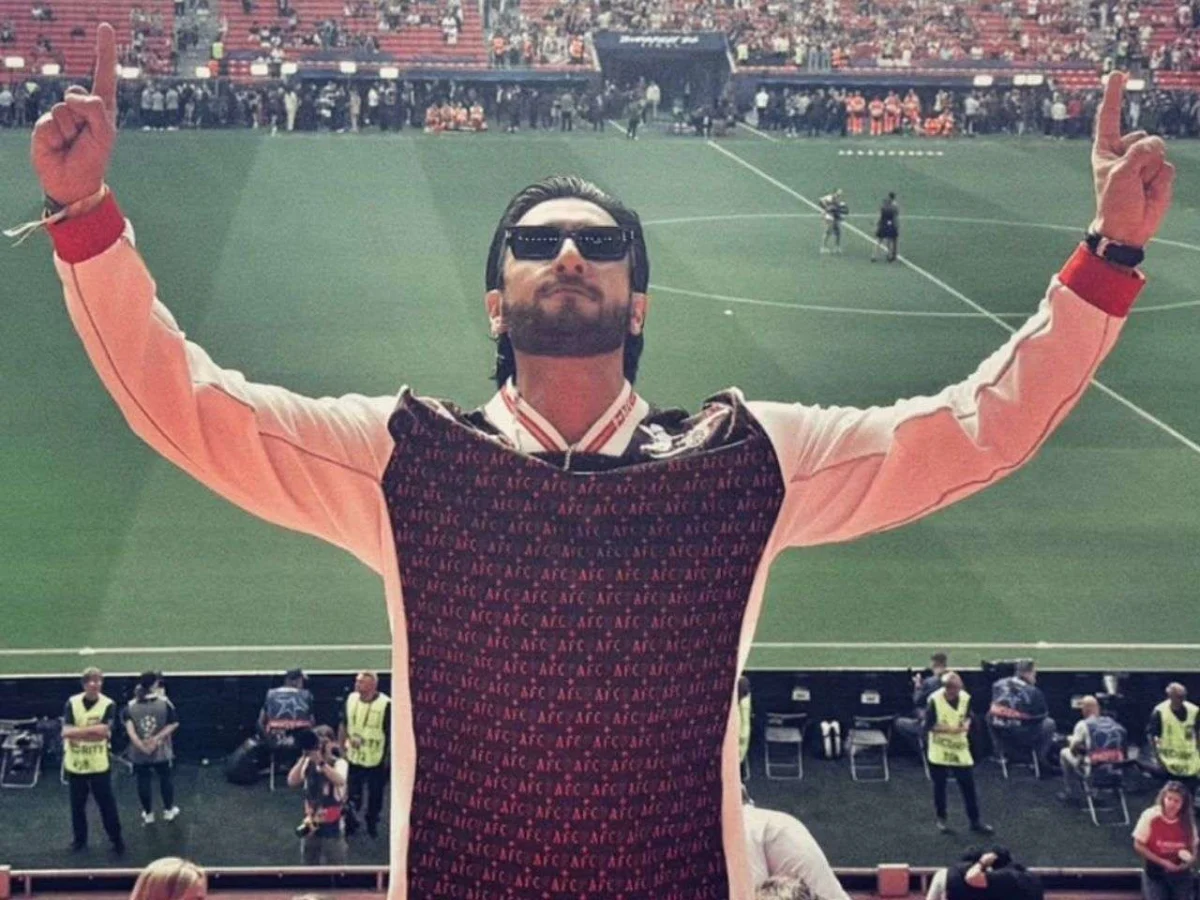
New Delhi, May 30, 2026 – In a dramatic display of unwavering spirit amidst professional turbulence, Bollywood superstar Ranveer Singh has seemingly brushed aside a stringent non-cooperation directive issued by the Federation of Western India Cine Employees (FWICE). While the industry buzzes with debates and speculation surrounding the actor’s recent professional decisions, Singh has opted for a global stage, jetting off to Hungary to witness the highly anticipated UEFA Champions League final. His presence at the Puskás Aréna in Budapest, supporting Arsenal, sends a clear message of resilience and a determination to continue living life on his own terms, unburdened by the controversy.
The Federation of Western India Cine Employees (FWICE), a powerful body representing various craftspeople and technicians in the Indian film industry, had recently issued a directive against Ranveer Singh. This move, widely interpreted as a professional "ban," stems from the actor’s abrupt withdrawal from the highly anticipated "Don 3," a project helmed by filmmaker Farhan Akhtar. The Federation’s action has ignited a fierce debate within the entertainment fraternity, highlighting the complex dynamics between actors, producers, and industry unions. However, Singh’s decision to attend a major international sporting event in Europe, far from the immediate pressures of the Indian film circuit, suggests a calculated move to maintain perspective and demonstrate his unaffected stance.
)
The Spectacle in Budapest: A Bold Statement of Resilience
Ranveer Singh’s social media presence has provided a vivid narrative of his Hungarian sojourn. Far from the hushed tones of industry negotiations, the actor has shared his exhilaration from the heart of the UEFA Champions League final. His posts, imbued with his characteristic exuberance, paint a picture of a man fully immersed in the electrifying atmosphere of a world-class sporting event.
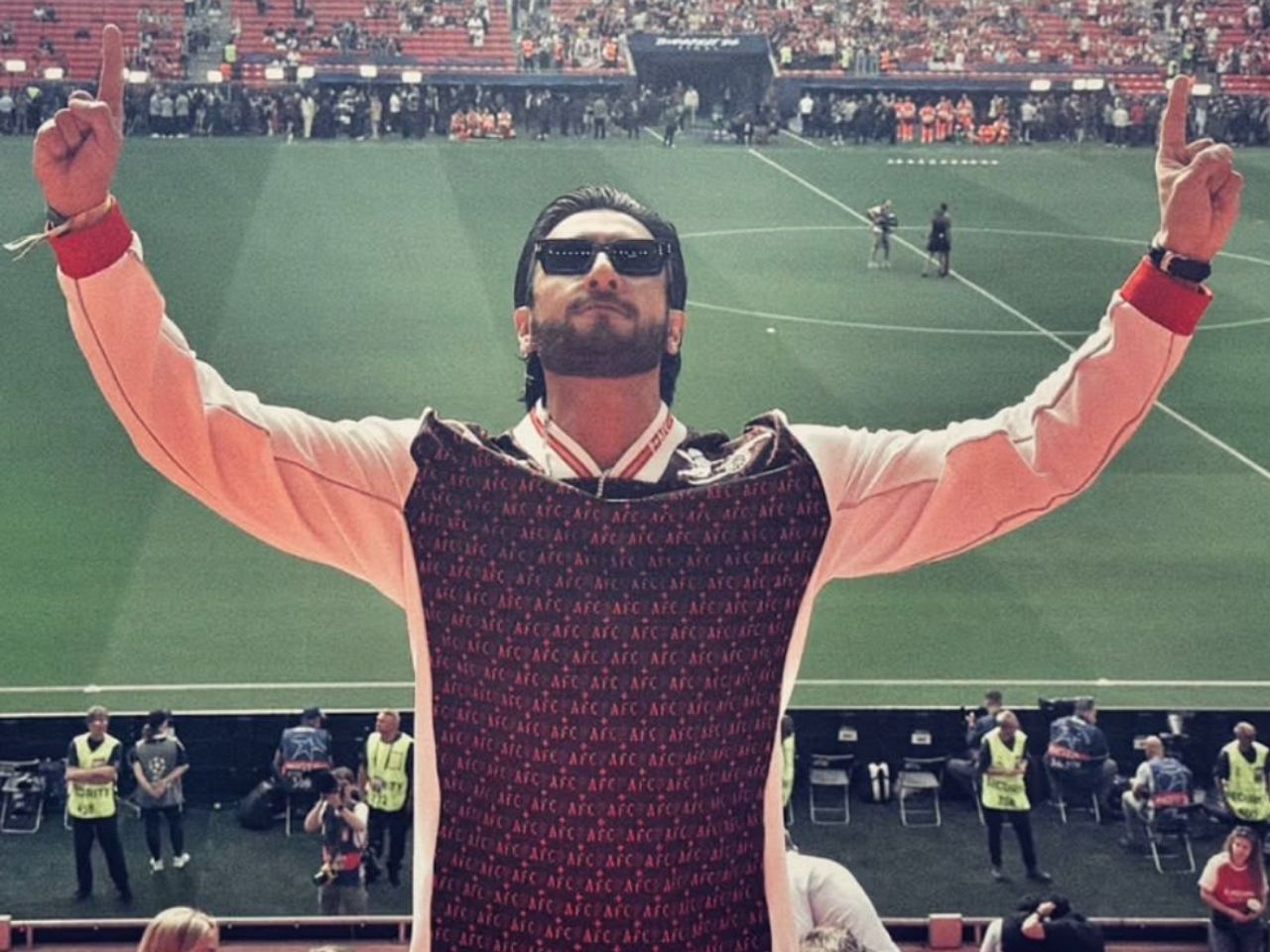)
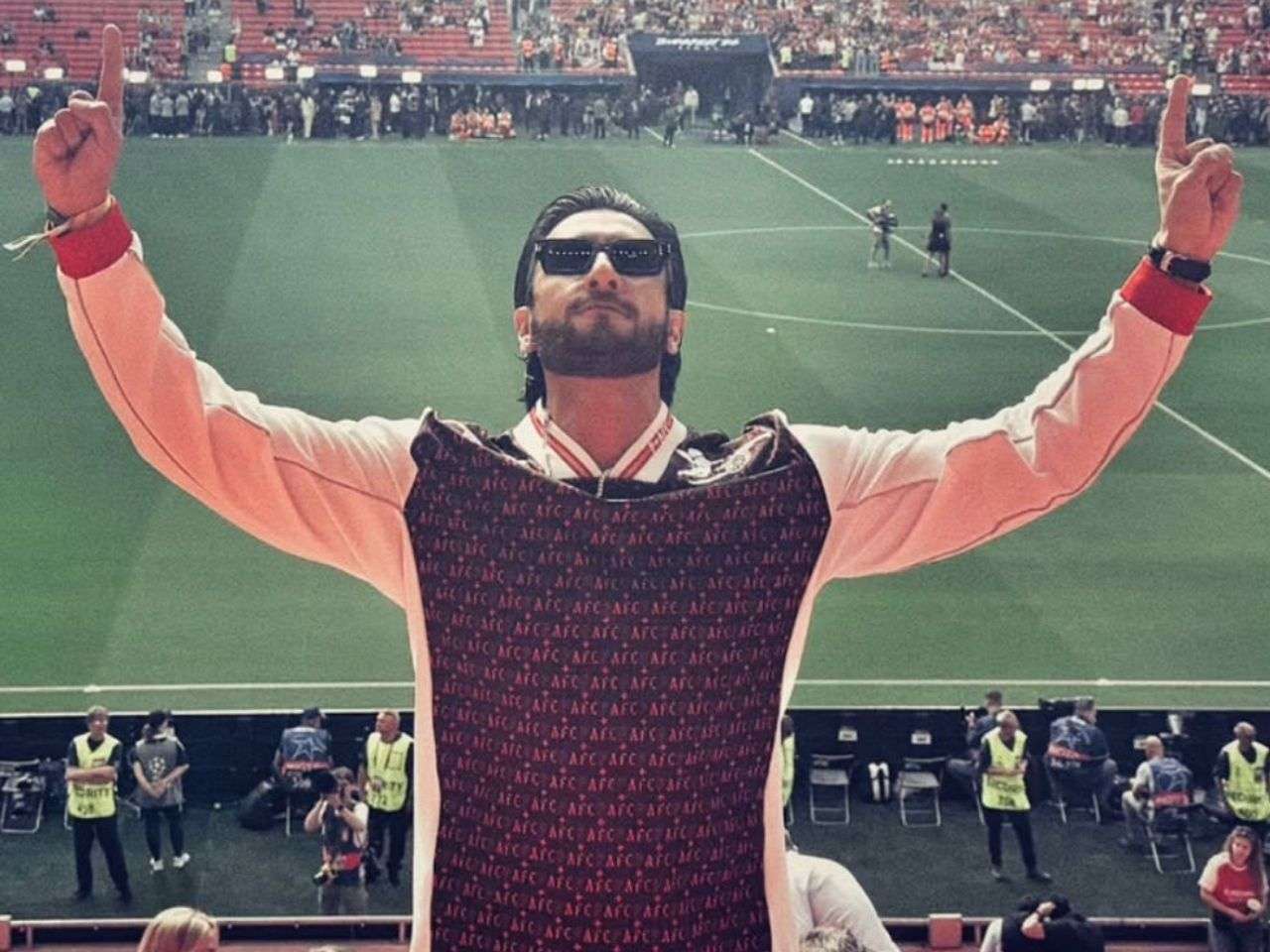
One particular image captured Singh at the Puskás Aréna, his arms outstretched in a gesture of fervent support. Adorned with the Arsenal crest, the photograph was accompanied by a passionate declaration: "COYG (Come on you Gunners)." This public display of allegiance to the English football club, a team with a dedicated global fanbase, underscores his commitment to his chosen affiliations, even amidst personal professional challenges.

Further enhancing this narrative of an unperturbed spirit, Singh shared another poignant photograph showcasing him walking the streets of Budapest. In this image, his gaze is directed upwards, towards the iconic jerseys of Arsenal, a silent yet powerful testament to his unwavering fandom. Accompanying this visual was a caption that resonated with a sense of profound experience: "This is rare air!" This phrase, loaded with implication, suggests a feeling of elevated experience, a detachment from the mundane, and perhaps a subtle acknowledgment of the unique circumstances he finds himself in.
)
His engagement with the Champions League extends beyond mere spectating. Singh also shared a photograph of himself contemplating the coveted UEFA Champions League trophy, a potent symbol of ultimate sporting achievement. His caption, a simple yet profound "Believe" accompanied by heartfelt emojis, speaks volumes about his personal philosophy of perseverance and aspiration. This act of faith, directed towards his own future endeavors, offers a powerful message of optimism to his fans, assuring them that his spirit remains unbroken.
)
It is also noteworthy that Ranveer Singh is the official ambassador for Sony Liv, the official broadcast partner for the UEFA Champions League in India. This association amplifies his presence at the event, connecting his personal passion with his professional endorsements and further solidifying his commitment to the sport and its global appeal. His participation, therefore, is not merely a personal indulgence but also an extension of his professional responsibilities, strategically aligning him with a globally recognized and celebrated event.
)
The Genesis of the Controversy: A Clash of Interests
The current situation surrounding Ranveer Singh and FWICE is a direct consequence of his decision to withdraw from Farhan Akhtar’s "Don 3." The Federation’s intervention, framed as a non-cooperation directive, has sent ripples through the industry, raising critical questions about artistic freedom, contractual obligations, and the extent of union power.
)
Sources indicate that the dispute escalated following Singh’s abrupt exit from the highly anticipated "Don 3." Farhan Akhtar, the producer and director of the film, reportedly sought substantial compensation from Singh, estimated to be in the region of Rs 45 crore, as damages for the alleged breach of contract and the subsequent disruption to the project.
)
The FWICE, stepping into the fray, attempted to mediate the situation. According to reports, the Federation’s Chief Advisor, Ashoke Pandit, revealed that Singh initially failed to respond to multiple invitations extended by the organization. It was only when the Federation announced its intention to hold a press conference regarding the matter that Singh allegedly communicated his stance via email, stating, "This doesn’t come under your jurisdiction." This response was perceived by FWICE as a dismissal of their authority and a refusal to engage in a resolution process.
)
Ashoke Pandit, in a press conference, articulated the Federation’s stance, highlighting the actor’s alleged non-compliance with their attempts at arbitration. He emphasized that such directives are typically issued when an individual fails to adhere to industry norms or contractual agreements, impacting the livelihoods of numerous associated workers. The Federation’s primary concern often revolves around ensuring fair practices and protecting the interests of its members, who rely on the smooth progression of film projects.
)
A Divided Industry: Support for Singh Amidst Federation’s Stance
The controversy surrounding Ranveer Singh and the FWICE directive has not gone unnoticed within the film fraternity. While the Federation stands firm on its decision, a significant segment of the industry has voiced their support for the actor, deeming the "ban" as unwarranted and an overreach of authority.
)
Several prominent actors and industry insiders have publicly questioned the FWICE’s jurisdiction in matters concerning contractual disputes between individual artists and production houses. They argue that such issues should ideally be resolved through legal channels or private arbitration, rather than through industry-wide directives that can potentially tarnish an actor’s reputation and affect their career prospects.
)
The argument often put forth is that actors, like any other professionals, have the right to make career choices and renegotiate terms, especially when unforeseen circumstances arise. The Rs 45 crore compensation sought by Farhan Akhtar is also a point of contention, with some questioning the rationale behind such a colossal figure for a withdrawal, especially before significant filming has commenced.
)
This division within the industry underscores the complex and often contentious relationship between artists, producers, and labor unions. While unions play a crucial role in safeguarding workers’ rights and ensuring fair labor practices, their interventions in artistic and contractual negotiations can sometimes lead to polarized opinions and protracted disputes. The case of Ranveer Singh and FWICE serves as a stark reminder of these inherent tensions.
)
Implications and Future Outlook: Navigating Uncharted Waters
The implications of the FWICE directive against Ranveer Singh extend beyond this singular incident. It raises pertinent questions about the future of artist-union relations in Bollywood and the mechanisms for dispute resolution within the industry.
)
For Ranveer Singh: His decision to travel to Hungary and actively participate in a global event, while seemingly defiant, can be interpreted as a strategic move to maintain his international profile and demonstrate his continued relevance and marketability. It allows him to project an image of an artist who is not intimidated by internal industry pressures and is capable of operating on a global scale. However, the long-term impact of the FWICE directive on his future projects within India remains to be seen. If the directive is strictly enforced by FWICE’s member organizations, it could potentially create hurdles for him in securing certain projects or collaborations.
)
For FWICE: The Federation’s firm stance highlights its commitment to asserting its authority and upholding its regulations. However, the backlash from a section of the industry suggests that the Federation might need to re-evaluate its approach to dispute resolution, potentially exploring more collaborative and less confrontational methods. The effectiveness of such directives in the long run also depends on their widespread adherence and the potential consequences for those who disregard them.
)
For the Indian Film Industry: This incident brings to the forefront the need for a more robust and transparent framework for resolving contractual disputes and inter-industry conflicts. Clearer guidelines, accessible arbitration processes, and a greater emphasis on dialogue and mutual understanding could help mitigate such controversies in the future. The industry must find a balance between protecting the rights of its workers and respecting the artistic and professional autonomy of its artists.
)
The ongoing debate surrounding Ranveer Singh’s situation is likely to continue, sparking further discussions on the power dynamics within Bollywood and the evolving role of industry federations. As Ranveer Singh continues to enjoy the "rare air" of international sporting spectacles, his journey serves as a compelling case study in navigating professional challenges with resilience and a bold assertion of personal choices. The true impact of this controversy on his career trajectory, and on the broader landscape of industry regulations, will only become clear in the months and years to come.
