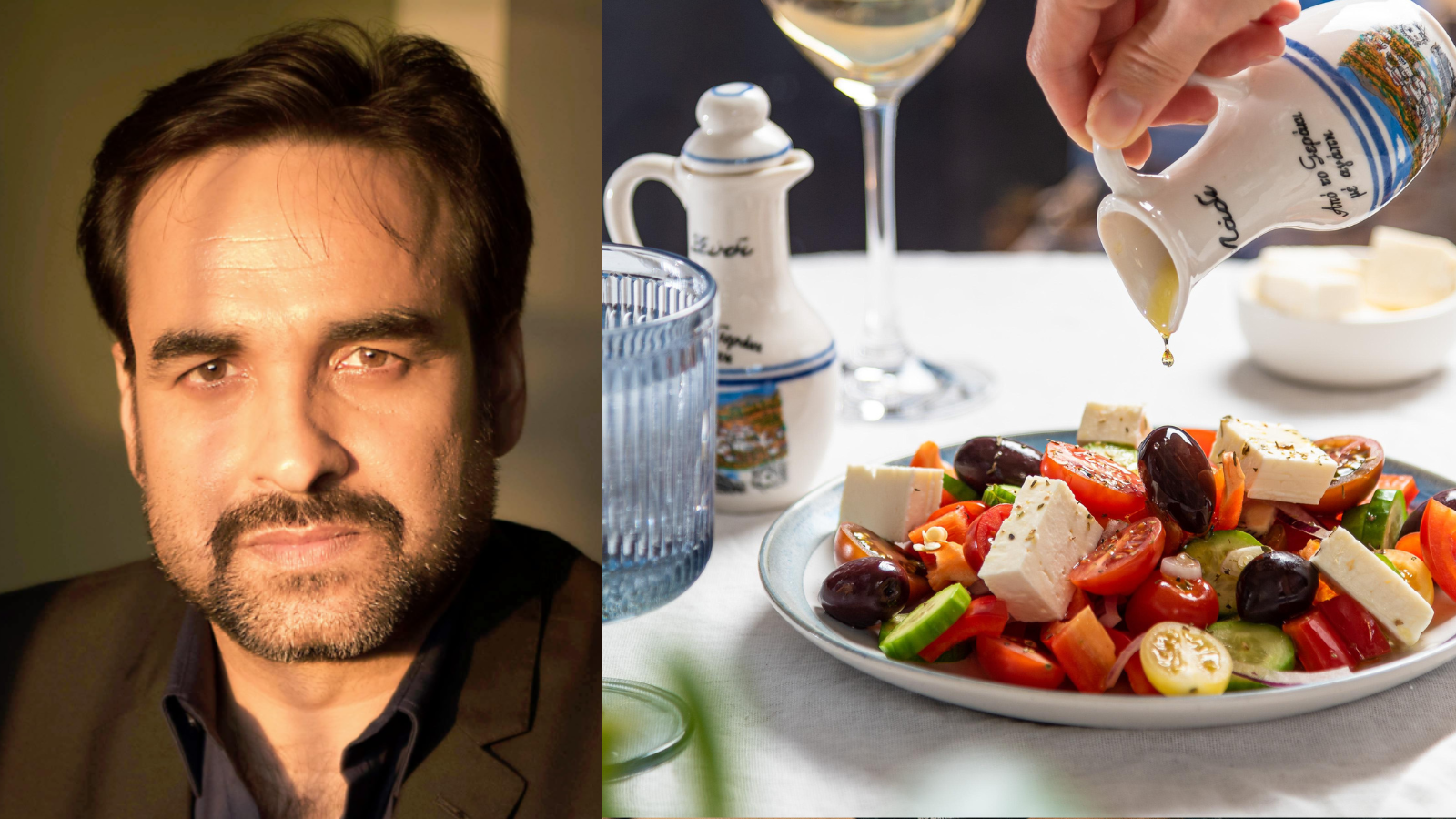
In an era defined by relentless speed and constant connectivity, the simple act of eating can often become an afterthought, a hurried refueling rather than a nourishing experience. However, acclaimed actor Pankaj Tripathi has recently illuminated a more profound approach to our daily sustenance, advocating for mindful eating as the cornerstone of improved health. In a candid conversation with FSSAI’s Eat Right India initiative, Tripathi revealed a personal transformation: dedicating a full 30 minutes to each meal. This seemingly small adjustment, he emphasizes, is unlocking a cascade of health benefits, underscoring the power of slowing down and truly savoring our food.
Tripathi’s revelation, shared in Hindi, resonated with a simple yet powerful philosophy: "For the past month, I have been spending about half an hour eating nowadays, savoring the juices, savoring the taste, because all the hustle of the entire day is for this meal, isn’t it? So, there should definitely be proper time for that meal, where my focus remains solely on the food and nothing else." This sentiment elevates the meal from a mere biological necessity to a cherished moment of self-care, a well-deserved pause in the demanding rhythm of daily life.
The Science Behind the Slow Burn: Why Deliberate Eating Matters
The question naturally arises: is this deliberate pace truly beneficial for our health? Experts unequivocally affirm that it is, though they caution against a rigid adherence to a specific timeframe. The essence lies not in the clock, but in the process. "Experts say there isn’t a universal rule that all meals must take 30 minutes," explains Dr. Pankaj Kumar, Consultant at Kailash Hospital, Greater Noida. "The process matters more: whether you eat carefully, chew properly, and give your body enough time to realize it is fully satisfied."
Dr. Kumar elaborates on the pitfalls of rapid eating: "When eating fast, you may eat more than necessary and not feel it until you become overly full. On the contrary, by slowing down, you will be able to concentrate on what you eat, enjoy the process, and detect satiety signals." This heightened awareness is crucial in preventing overconsumption, a common issue in our fast-paced society.
Deepa Mishra, a dietitian at Narayana RN Tagore Hospital, Mukundapur, Kolkata, echoes this sentiment, highlighting the subtle yet significant role of pauses in our eating. "Slower eating creates a natural pause between bites, making it easier to notice when hunger is fading, making meals feel more comfortable," she states. These brief interludes allow our bodies to communicate their needs more effectively, preventing the disconnect that often leads to overeating and subsequent discomfort.
The Psychological Plate: Cultivating a Healthier Relationship with Food
Beyond the physiological advantages, slow eating also offers a compelling psychological dimension. Deepa Mishra points out the calming and intentional nature of this practice. "Eating at a slower pace often makes meals feel calmer and more intentional, which can reduce stress around food and help people enjoy what they are eating," she observes. This mindful approach transforms mealtime from a potential source of anxiety or guilt into an opportunity for peace and enjoyment.
"In that sense, slow eating is not just about digestion or calorie intake, but also about building a healthier and more mindful relationship with food," Mishra adds. This holistic perspective underscores that the benefits of slow eating extend far beyond mere physical health, fostering a more balanced and positive connection with our food choices.
The Brain’s 30-Minute Signal: Understanding the Gut-Brain Axis
The notion that it takes time for our bodies to register fullness is not merely anecdotal; it is rooted in intricate biological processes. Samiksha Chordiya, a senior dietician at DPU Super Specialty Hospital, Pimpri, Pune, clarifies this biological imperative: "It takes the brain roughly 20 to 30 minutes to register fullness, and understanding this delay is key to preventing overeating." This realization is fundamental to adopting a more conscious approach to eating.
Chordiya further explains the sophisticated communication network between our gut and brain: "Fullness is not about a full stomach, it’s about the brain receiving confirmation that enough energy has arrived. This confirmation is chemical and neural, and it is intentionally slow." This deliberate biological lag is precisely why we often feel overly stuffed shortly after finishing a meal eaten in haste.
The Gut-Brain Conversation: A Chronology of Satiety
To truly appreciate the importance of slow eating, understanding the timeline of this gut-brain communication is essential:
-
0-5 Minutes: The Stretch Signal: As we begin to eat, our stomach physically expands. Specialized receptors in the stomach lining, known as mechanoreceptors, are activated. These receptors send an initial, albeit weak, signal to the brainstem via the vagus nerve, indicating that food has entered the digestive tract. This is the first whisper of fullness, but it is far from a definitive declaration.
-
10-20 Minutes: The Hormonal Cascade: As food, particularly protein and fats, progresses into the small intestine, a crucial hormonal response is triggered. The small intestine releases potent satiety hormones, including Cholecystokinin (CCK), Peptide YY (PYY), and Glucagon-like peptide-1 (GLP-1). Notably, GLP-1 is the same hormone targeted by popular weight-loss medications like Ozempic, highlighting its significant role in appetite regulation. Simultaneously, Ghrelin, often dubbed the "hunger hormone," begins to decrease. These hormonal signals are much stronger than the initial stretch signals and are vital in conveying the message of fullness to the brain.
-
20-30 Minutes: The Final Confirmation: The hormones released by the gut embark on a journey through the bloodstream, reaching the hypothalamus, a key region in the brain responsible for regulating appetite and satiety. Here, these signals interact with Leptin, a hormone produced by fat cells that signals long-term energy stores. It is only when all these diverse signals – the mechanical stretch, the hormonal messengers, and the fat-derived Leptin – converge and are processed by the hypothalamus that the conscious feeling of satisfaction and the urge to stop eating are generated. This intricate, multi-stage process underscores why rushing through a meal can lead to overconsumption, as the brain hasn’t had sufficient time to receive and interpret the complete satiety message.
The Perils of Haste: When Speed Leads to Discomfort
The consequences of rapid food consumption extend beyond mere overeating, potentially leading to a range of digestive discomforts. Dr. Saiprasad Lad, a consultant gastroenterologist at S.L. Raheja Hospital, Mumbai, highlights a significant contributor: aerophagia, or the excessive swallowing of air. "The faster we ingest food, especially if we take large bites and talk while eating, the more air we ingest with our meals, causing us to burp and feel bloated," he explains. This swallowed air can distend the stomach, leading to a feeling of fullness and discomfort that is not directly related to the volume of food consumed.
Furthermore, Dr. Lad points out the direct link between fast eating and increased food intake: "Fast ingestion of food will also stimulate the consumption of more food without giving enough time for the stomach and brain to recognize fullness. As a result, that will make the stomach expand even more and cause postprandial heaviness in people prone to GERD." This cycle of eating without registering satiety can lead to an overstretched stomach, exacerbating symptoms of indigestion and discomfort, particularly for individuals susceptible to Gastroesophageal Reflux Disease (GERD).
It is important to note, however, that while rapid eating can contribute to acidity and indigestion, these issues can have multiple underlying causes. Conditions such as GERD, functional dyspepsia, gastritis, food allergies, and specific food triggers can also play significant roles. Therefore, while slow eating can be a beneficial strategy for managing digestive health, it is not a universal panacea, and persistent issues warrant professional medical evaluation.
Embracing the Slow Food Movement: A Path to Holistic Well-being
Pankaj Tripathi’s embrace of mindful, slow eating serves as a powerful reminder of the profound impact seemingly simple lifestyle adjustments can have on our overall health. By dedicating time to our meals, we not only allow our bodies to communicate their needs more effectively, preventing overconsumption and its attendant discomforts, but we also cultivate a deeper appreciation for the food we eat. This conscious approach fosters a more positive and intentional relationship with nourishment, transforming mealtime from a hurried chore into a restorative ritual.
As experts consistently advise, the key lies not in rigidly adhering to a specific duration, but in the mindful engagement with the eating process. This involves paying attention to the taste, texture, and aroma of our food, chewing thoroughly, and allowing for natural pauses between bites. By embracing the art of the slow meal, we can unlock a pathway to improved digestion, better appetite regulation, reduced stress around food, and ultimately, a more holistic and vibrant state of well-being. Pankaj Tripathi’s journey exemplifies that sometimes, the most significant health transformations begin with the simplest, most intentional pauses in our busy lives.
Disclaimer: This article is based on information from the public domain and expert opinions. It is intended for general informational purposes only and does not constitute medical advice. Always consult with a qualified healthcare professional before making any decisions about your health or undergoing any new treatment or routine.