

By [Your Name/Journalist Name]
In the vast and vibrant tapestry of Indian gastronomy, few dishes bridge the gap between sacred ritual and everyday comfort as seamlessly as Sabudana Kheer. Known variously as Sago Kheer or Tapioca Pudding, this creamy, translucent delicacy serves as a cornerstone of "Vrat" (fasting) cuisine, particularly during the auspicious nine nights of Navratri. However, beyond its religious associations, Sabudana Kheer represents a fascinating study in culinary chemistry and the historical migration of ingredients.
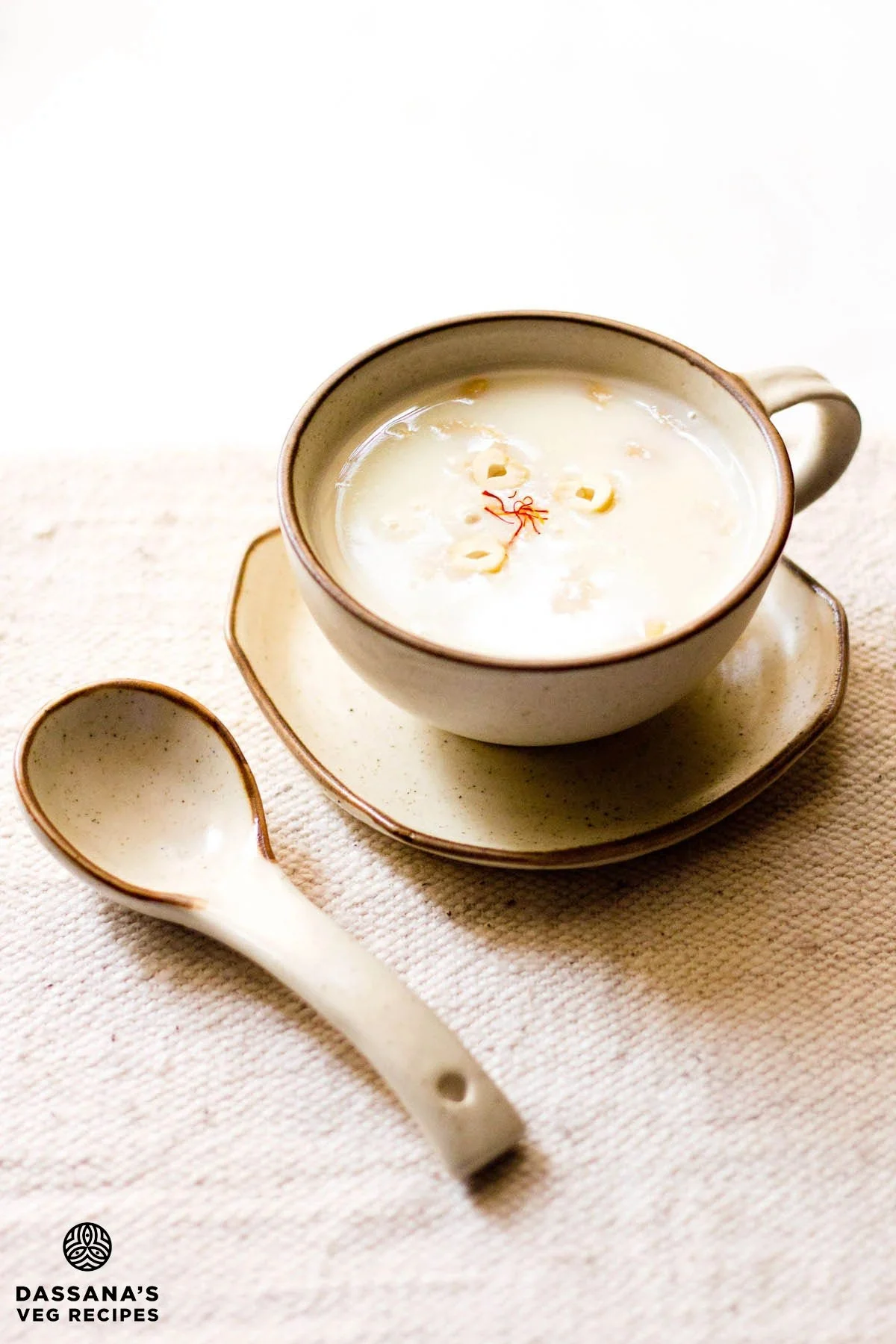
The dish—a harmonious blend of pearls derived from cassava root, reduced milk, aromatic cardamom, and saffron—is prized for its unique texture. When prepared correctly, the starch-heavy pearls transform into soft, gelatinous orbs that float in a pool of sweetened, thickened milk. As global interest in gluten-free diets and ancient energy sources rises, Sabudana Kheer is undergoing a modern resurgence, moving from the confines of ritualistic kitchens to the menus of high-end contemporary Indian restaurants.

The Core Components: Defining Sabudana Kheer
At its heart, Sabudana Kheer is a milk-based pudding. The primary ingredient, sabudana, refers to small pearls made from the starch of the cassava root (Manihot esculenta). While often confused with true sago (which comes from the pith of sago palm trees), the commercial "sago" found in Indian markets is almost exclusively tapioca-based.
The preparation involves a delicate balance of four elements:
- The Pearls: High-quality tapioca starch pearls that provide the "chew."
- The Base: Whole milk, which provides the fat content necessary for a velvety mouthfeel.
- The Aromatics: Green cardamom powder and saffron strands, which introduce floral and earthy notes.
- The Texture: Roasted nuts (cashews, almonds, or pistachios) and raisins, offering a crunch that contrasts with the soft pearls.
A Chronological Evolution: From Cassava Roots to Sacred Pots
The history of Sabudana in India is a relatively recent addition to an ancient culinary tradition. While the dish feels timeless, the cassava plant is native to South America.

The 19th Century Introduction
Cassava was introduced to India by the Portuguese, but it gained significant traction in the mid-19th century, particularly in the Kingdom of Travancore (modern-day Kerala). During a period of severe famine, the local rulers promoted cassava as a hardy, drought-resistant alternative to rice.
The Industrial Shift
By the 1940s, the industrial processing of cassava starch into "pearls" (sabudana) became a major industry in Salem, Tamil Nadu. This technological leap allowed the ingredient to be easily transported across the subcontinent.
Integration into Fasting Traditions
The most intriguing chronological development is how a New World tuber became an "allowable" food for Hindu fasting. Because sabudana is a processed starch and not a grain (like wheat or rice), it falls under the category of Phalahari (fruit-based or non-grain) foods. This classification allowed it to become the "energy bar" of the traditional world, providing much-needed carbohydrates to devotees abstaining from their regular diet.

The Science of Preparation: The "No-Soak" Methodology
Traditionally, making Sabudana Kheer required hours of foresight, with the pearls needing to be soaked until they reached a specific level of hydration. However, modern culinary techniques have refined this process, emphasizing efficiency without sacrificing quality.
The Water-First Approach
Professional chefs and home experts now often advocate for cooking the sabudana in water before introducing milk. The rationale is rooted in molecular biology: starch granules hydrate and swell much faster in pure water than in milk, where the fats and proteins can coat the pearls and slow down the absorption of liquid.
According to the methodology popularized by culinary experts like Dassana Amit, rinsing the pearls multiple times is the critical first step. This removes excess surface starch that can cause the pudding to become unpleasantly gummy. Once rinsed, the pearls are simmered in fresh water. Within five to seven minutes, the opaque white spheres begin to float and turn translucent—a visual cue that the starch has gelatinized.

The Simmering Stage
Once the pearls are hydrated, warm whole milk is introduced. The kheer is then simmered for 20 to 25 minutes. During this stage, a secondary chemical reaction occurs: some of the pearls naturally break down, releasing just enough starch to thicken the milk without the need for external thickeners like cornstarch. This results in a "smooth consistency that thickens as it cools," a hallmark of a well-executed kheer.
Supporting Data: The Nutritional Profile
While often viewed as a "heavy" dessert, the nutritional data of Sabudana Kheer reveals why it is an ideal recovery food during fasts.
Nutritional Breakdown (Per Serving – Approx 4 Servings per Recipe):

- Calories: 220 kcal
- Carbohydrates: 36g (Primarily complex starches)
- Protein: 5g (Derived from the milk)
- Fat: 6g (Saturated Fat: 3g)
- Calcium: 160mg (16% of Daily Value)
- Potassium: 249mg
The high carbohydrate content provides an immediate glucose spike for those who have been fasting all day, while the milk provides essential proteins and fats to sustain satiety. Furthermore, the inclusion of cardamom and saffron isn’t just for flavor; in Ayurvedic tradition, cardamom is considered a digestive aid, helping to mitigate the heaviness of the starch.
Expert Perspectives and Culinary Guidelines
Culinary experts emphasize that the difference between a mediocre kheer and a masterpiece lies in the "pearl integrity."
"The pearls should be swollen and completely soft, without a hard, dense, or chewy center," notes one culinary guide. To achieve this, experts suggest:

- Temperature Control: Using warm milk rather than cold milk prevents the temperature of the pot from dropping, which can cause the sabudana to "seize" or become tough.
- Consistency Management: Because the starch continues to absorb liquid even after the heat is turned off, the kheer should be removed from the stove while it is "slightly thinner than the desired final consistency."
- The Sugar Variable: Adding sugar (either raw or granulated) only after the pearls are mostly cooked ensures that the sugar doesn’t interfere with the softening of the starch.
Official Storage and Safety Advice
Food safety experts recommend consuming Sabudana Kheer within 48 hours. Due to the high starch and dairy content, it is a prime environment for bacterial growth if left at room temperature. Refrigeration is mandatory, though the kheer will thicken into a custard-like state. It can be revived with a splash of warm milk, but experts warn against freezing, as the thawing process destroys the delicate texture of the tapioca pearls.
Implications: The Modern Renaissance of "Vrat" Foods
The persistence of Sabudana Kheer in the Indian diet has broader implications for the global food industry. As the world moves toward gluten-free alternatives, Sabudana stands out as a naturally gluten-free powerhouse.
Economic Impact
The demand for sabudana during peak festival seasons like Navratri creates a significant seasonal economy. In states like Tamil Nadu and Maharashtra, the production and distribution of tapioca pearls are vital to the agricultural sector.

Health and Wellness Trends
Modern nutritionists are beginning to look at sabudana through the lens of "resistant starch." When cooked and then cooled, tapioca starch can develop resistant properties that act as a prebiotic, feeding healthy gut bacteria. This aligns with the ancient Indian wisdom of using kheer as a "Satvik" (pure and balanced) food that calms the digestive system after a period of abstinence.
Cultural Continuity
Perhaps most importantly, Sabudana Kheer represents cultural continuity. In an era of fast food and highly processed snacks, the act of slowly simmering a pot of kheer—watching the pearls turn from white to glass-like transparency—is a meditative process that connects younger generations to their heritage. It is a dish that requires patience, a trait that is often at odds with modern life but is central to the philosophy of the festivals it accompanies.
Conclusion
Sabudana Kheer is more than a simple pudding; it is a culinary intersection where history, religion, and science meet. Whether served hot on a rainy evening or chilled as a refreshing summer dessert, its appeal remains universal. By mastering the "no-soak" method and understanding the underlying starch chemistry, the modern cook can keep this tradition alive, ensuring that the translucent pearls of the cassava root continue to sweeten Indian celebrations for generations to come.
