

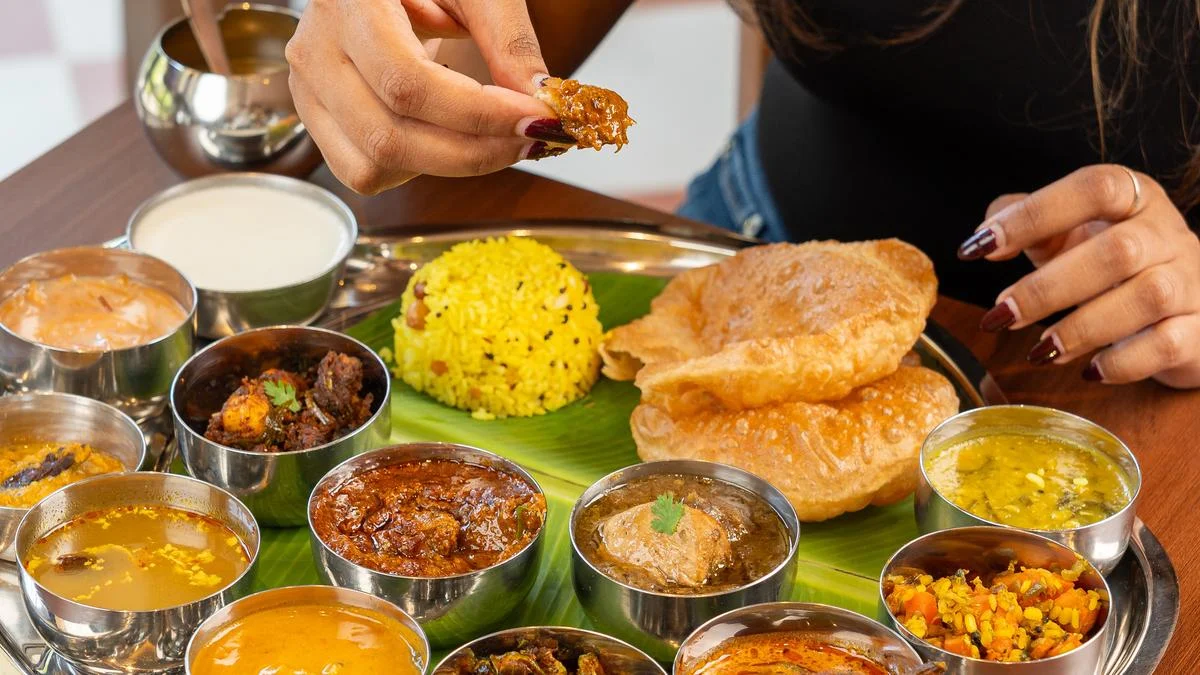
HYDERABAD – For decades, the global culinary identity of Hyderabad has been tethered to a single, albeit magnificent, dish: the Dum Biryani. To the world, the city’s streets smelled of saffron, aged basmati, and slow-cooked meat. However, a quiet but potent revolution is simmering in the kitchens of the Charminar city. Hyderabad’s food scene is undergoing a profound metamorphosis, pivoting away from its one-dish reputation toward a sophisticated, hyperlocal celebration of Telugu cuisine.
This is not merely a change in menu; it is a cultural reclamation. The culinary conversation in the city has expanded to include the fiery tang of gongura, the earthy comfort of muddapappu, and the complex spice profiles of the Deccan plateau. From high-end bistros in Banjara Hills to archival kitchens celebrating Telangana’s history, the city is proving that Telugu food is far more than just podi (gunpowder) and avakaya (mango pickle).
Main Facts: The Widening Table
The shift in Hyderabad’s gastronomic landscape is characterized by an "expansion of the table" rather than a replacement of old favorites. While Biryani remains a staple, the "Biryani-obsessed" local crowd is increasingly seeking out the nuances of sub-regional cooking.
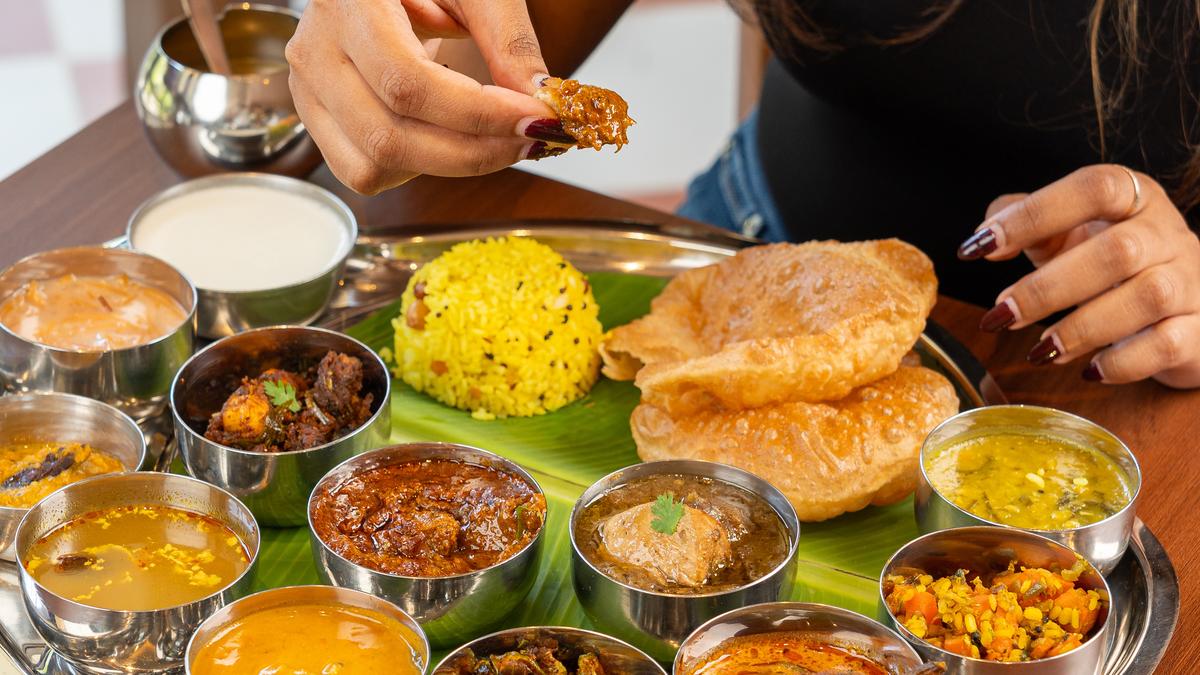
The new stars of the Hyderabad menu are dishes that were once confined to the private dining rooms of homes in the Godavari districts, the rugged terrains of Telangana, or the coastal belts of Andhra. Dishes like totakura liver fry (amaranth with liver), nimmakayya guddu bonda (lemon-infused egg fritters), and chepala pulusu (tangy fish tamarind gravy) are now being served with the same reverence once reserved for the finest kebabs.
This transition is marked by three distinct trends:
- Hyperlocality: A focus on specific districts like Karimnagar, Warangal, and Bheemavaram.
- Fine-Dining Sensibilities: The elevation of "peasant food" or "homely staples" into gourmet experiences.
- The Pulao Pivot: A move away from long-grain Basmati toward short-grain aromatic rice varieties that better absorb the robust flavors of regional gravies.
Chronology: From 1985 to the Neo-Telangana Era
The journey toward this culinary awakening has been decades in the making.
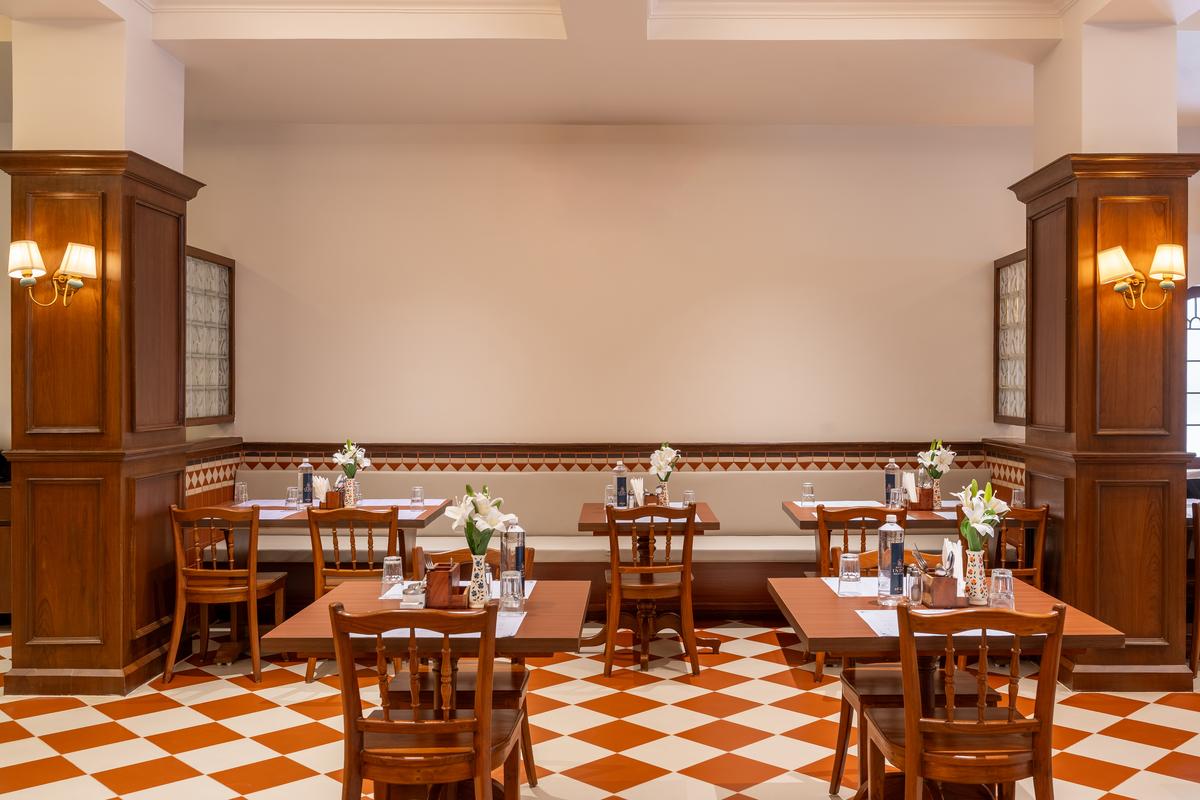
The Foundation (1985–2010): In 1985, Venugopal Reddy founded Hotel Indu Deluxe, a venue that stayed true to its Telugu roots even as the city was swept up in the globalized "multicuisine" trend of the 90s and early 2000s. For nearly forty years, such establishments served as the guardians of authentic taste, resisting the urge to add butter chicken or pasta to their menus.
The Biryani Peak (2010–2020): During this decade, Hyderabad became synonymous with "Biryani tourism." The rise of massive chains solidified the dish as the city’s primary export. However, toward the end of this period, a "palate fatigue" began to set in. Diners started looking for the "flavors of home" in commercial spaces.
The Regional Renaissance (2021–Present): Post-pandemic, there has been a surge in "Telugu-forward" establishments. In 2025, the expansion reached a fever pitch. Iconic brands like Indu Deluxe opened new outlets in upscale neighborhoods like Banjara Hills, specifically to cater to a new generation of "inquisitive" diners. Simultaneously, "Neo-Telangana" kitchens like Terrai and modern cafes like Coffee Sangam began reimagining traditional snacks for a younger, hygiene-conscious demographic.
Supporting Data: A Map of Micro-Cuisines
The "Telugu cuisine" label is a broad umbrella covering several distinct culinary identities, each now finding its own spotlight in Hyderabad.
- Telangana & The Deccan: Characterized by the use of millets (jonna, sajja), robust shorbas, and rustic meats. Restaurants like Terrai focus on the "archival" nature of this food, using ingredients that reflect the region’s arid terrain and history.
- The Godavari Districts: Known for a delicate balance of heat and tartness. This region contributes dishes like jeedi kobbari paala koora (cashew and coconut milk curry) and the famous Bheemavaram style of preparation.
- Uttar Andhra: A micro-cuisine recently brought to the forefront by home chefs like Sowjanya Narsipuram. It utilizes mustard powder as a garnish and features inventive dishes like guna charu, made with semi-ripe jackfruit.
- Rayalaseema: Famous for its uncompromising spice levels and the use of ragi (finger millet), this region’s influence is seen in the "ghee roasts" and natu kodi (country chicken) dishes now trending in the city’s bars.
Data from local restaurateurs suggests that the "thali" (the traditional platter) is no longer the only way people consume this food. There is a growing demand for "individual star dishes." For example, chepala pulusu is now served as a standalone gourmet entree in stone pots, emphasizing the artisanal nature of the preparation.

Official Responses: Perspectives from the Frontline
Industry leaders emphasize that this shift is about pride and authenticity rather than just a trend.
Rohit Reddy, Manager of Hotel Indu Deluxe, notes that the demand for authenticity has never been higher. "Our cuisine has so much to offer that we don’t need a multicuisine menu," Reddy says. "Our cooks are from Bheemavaram, Warangal, and Rajahmundry. There is no need to borrow dishes from elsewhere." His decision to maintain a strictly regional menu after 40 years in the business reflects a confidence in the inherent value of Telugu flavors.
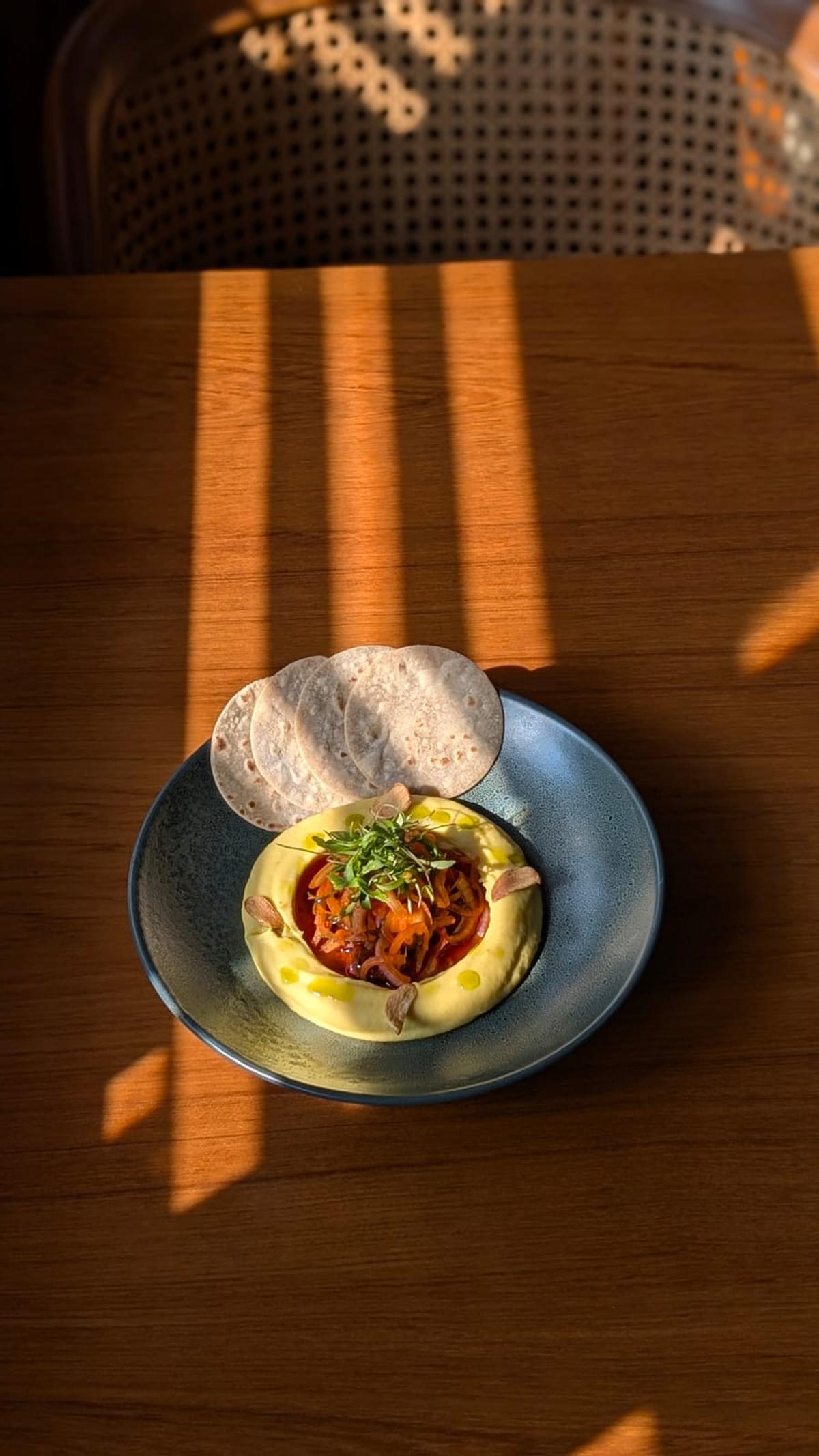
Sampath Tummala, owner of Spicy Venue and Theta Theta Telugu, believes the presentation must match the complexity of the flavors. "There has to be a distinction between a rushed lunch and one you plan to celebrate," Tummala explains. By serving traditional dishes like muddapappu (thick dal) as hummus or rasam as an amuse-bouche, he is repositioning Telugu food within the fine-dining hierarchy.
Gopi Bylapula of the Culinary Lounge views this as a global mission. He points to the 2025 UNESCO inscription of Italian cuisine as a benchmark. "Telugu cuisine, too, must aim for global recognition, given its depth and centuries-old techniques," Bylapula asserts. He argues that showcasing regional food can drive "cultural and culinary tourism" while preserving the "intangible heritage" of the Deccan.

Chef Vignesh Ramachandran of Coffee Sangam highlights the "comfort factor." He notes that while people crave roadside snacks like dahi puri or punugulu, they often hesitate due to hygiene concerns. By bringing these into a cafe setting, he is bridging the gap between "street soul" and "modern convenience."
Implications: Beyond the Plate
The rise of regional Telugu cuisine in Hyderabad has implications that extend far beyond the restaurant industry.
1. Cultural Identity and Pride
For a long time, the "South Indian" culinary identity in India’s metros was dominated by Udupi-style tiffins (Idli/Dosa) or Chettinad spices. The current movement allows Telugu people to reclaim their specific heritage. As Ankita Choudhary, founder of Concept Crate, notes, the rise of kodi vepudus (chicken fries) offers a "textured alternative to the overkill of kebabs," allowing locals to see their own home-cooked traditions as "cool" and "premium."
2. Preservation of Biodiversity
The focus on "archival" ingredients, such as millets, pulses, and semi-ripe jackfruit, encourages the cultivation of indigenous crops. By creating a commercial market for these ingredients, the food industry is supporting local farmers and preserving agricultural techniques that were at risk of being lost to the monoculture of rice and wheat.
3. Economic and Tourism Growth
As Hyderabad diversifies its food offerings, it becomes a more attractive destination for "foodies" who have already "done" the Biryani circuit. This creates a secondary economy of food walks, culinary tours, and home-chef pop-ups, distributing wealth more evenly across the culinary ecosystem rather than concentrating it in a few large Biryani houses.
4. The Global Stage
With proponents like Gopi Bylapula pushing for international recognition, Hyderabad is positioning itself as a "City of Gastronomy" in the truest sense. By moving beyond a "one-dish" identity, the city is following in the footsteps of global food capitals like Oaxaca or Lyon, where the depth of the regional pantry is the primary draw.
Conclusion: A New Chapter for the Deccan
Hyderabad is no longer a city that can be summed up in a single pot of rice and meat. The "Great Telugu Renaissance" is a testament to the city’s evolving palate and its deepening respect for its own roots. As diners move from the predictable comfort of butter chicken to the layered, tart, and fiery complexities of chepala pulusu and mamsam ghee roast, they are participating in a historical shift.
The table in Hyderabad has indeed widened. It is a table that now honors the home chef, the regional farmer, and the archival recipe. While the Dum Biryani will always have a place at the head of the table, it now shares the space with a vibrant, diverse, and unapologetically Telugu family of flavors. For the city of pearls, the future of food is not global—it is fiercely, beautifully local.
