

Main Facts: The Essence of Simplicity in North Indian Cuisine
In the sprawling landscape of Indian culinary arts—often characterized by complex gravies, hours of slow-cooking, and an exhaustive list of ingredients—a quiet revolution is taking place. At the heart of this movement is a deceptively simple dish: Matar Ki Sabji. A staple of North Indian households, particularly during the brisk winter months, this dry vegetable preparation has emerged as a quintessential example of how minimalist cooking can yield maximum flavor.
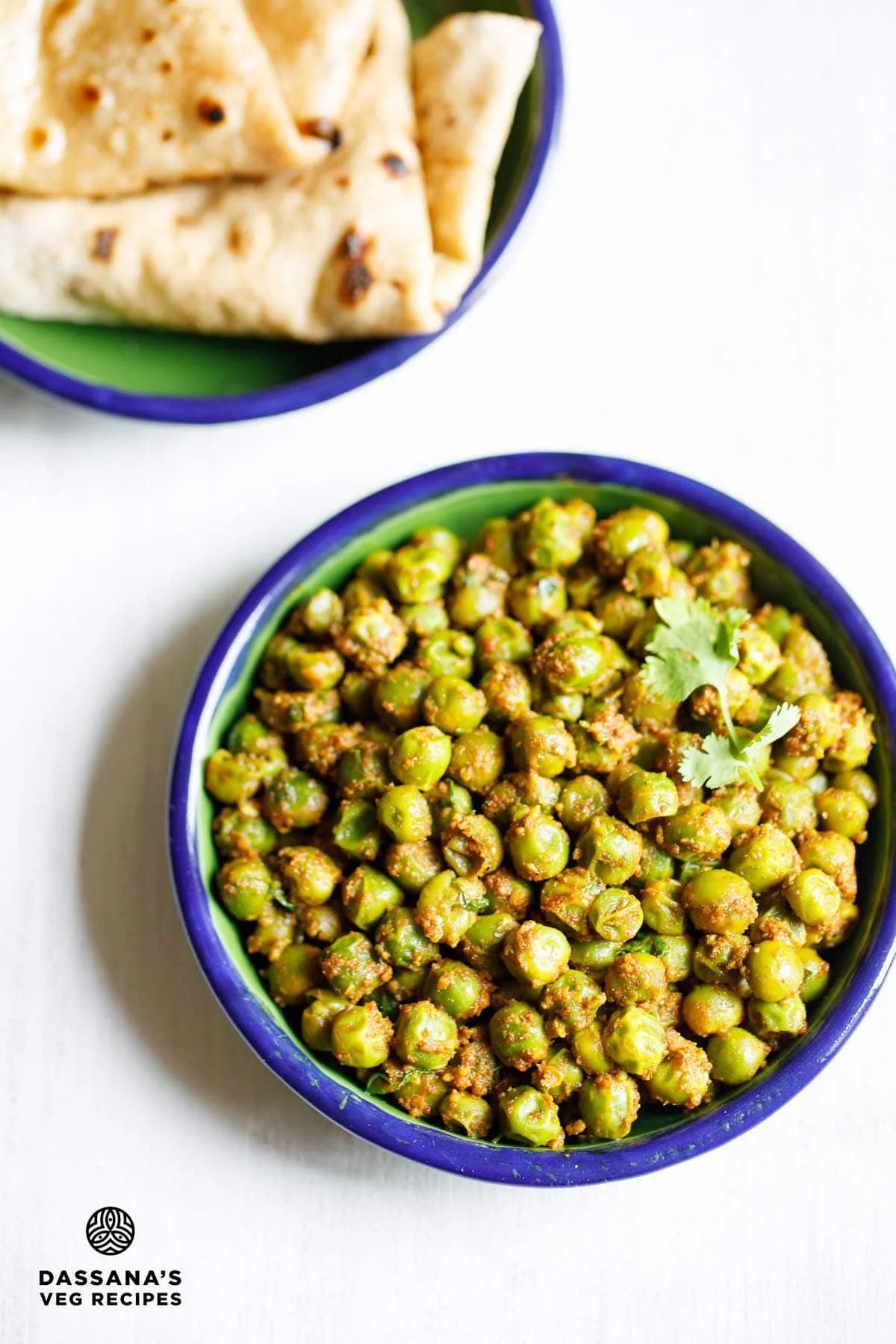
Matar Ki Sabji, or dry green pea curry, is a vegan and gluten-free dish that relies on the natural sweetness of green peas (Pisum sativum) complemented by a precise selection of Indian aromatics. Unlike many of its more famous counterparts like Matar Paneer or Aloo Matar, this specific preparation eschews the heavy base of onions and garlic. This makes it a prominent feature of the "Sattvic" or "Jain" style of cooking, which emphasizes purity and simplicity.

The dish’s popularity is rooted in its versatility. It serves as a comforting primary meal when paired with traditional Indian flatbreads like roti, phulka, or paratha, and functions equally well as a sophisticated side dish alongside dal (lentils) and rice. As global dietary trends shift toward plant-based and allergen-friendly diets, Matar Ki Sabji is gaining international recognition not just as a traditional recipe, but as a nutritional powerhouse that fits perfectly into the modern wellness narrative.
Chronology: From Winter Harvests to Year-Round Staple
The history of Matar Ki Sabji is inextricably linked to the agricultural cycles of Northern India. Historically, the dish was a celebratory marker of the winter season.

The Seasonal Origins
In the fertile plains of Punjab, Haryana, and Uttar Pradesh, the arrival of winter heralded the harvest of fresh green peas. These "winter peas" are prized for their tender texture and high sugar content. During this period, Matar Ki Sabji was traditionally prepared using only the freshest pods, shelled by hand in communal family settings. The cooking method was—and remains—swift, designed to preserve the vibrant green color and the structural integrity of the vegetable.
The Rise of Preservation and Frozen Logistics
With the advent of industrial refrigeration and flash-freezing technology in the mid-20th century, the chronology of the dish underwent a significant shift. No longer tethered strictly to the four months of winter, green peas became available year-round. This transition allowed Matar Ki Sabji to evolve from a seasonal delicacy into a reliable "emergency" meal.

Today, the dish follows a streamlined preparation timeline that appeals to the fast-paced life of urban India. From the initial rinsing of the peas to the final garnish of fresh coriander, the entire process takes less than 20 minutes. The modern chronology of a typical Matar Ki Sabji preparation involves:
- Selection: Choosing between fresh seasonal pods or high-quality frozen alternatives.
- Steaming/Boiling: A crucial 5-to-7-minute window where the peas are softened without becoming mushy.
- Tempering: The rapid infusion of oil (or ghee) with green chilies.
- Spice Integration: The low-heat tossing of ground spices to prevent burning while ensuring full flavor extraction.
- Finishing: The addition of amchur (dry mango powder) for acidity and coriander for freshness.
Supporting Data: A Nutritional and Technical Analysis
The enduring appeal of Matar Ki Sabji is supported by robust nutritional data. Despite its simple appearance, the dish is a dense source of essential micronutrients and macronutrients.

Nutritional Profile
According to standardized culinary data for a two-serving portion of Matar Ki Sabji, the dish provides approximately:
- Calories: 173 kcal
- Protein: 6g (A significant amount for a vegetable side dish)
- Fiber: 8g (Meeting nearly 30% of the recommended daily intake)
- Vitamins: Rich in Vitamin A (1001 IU), Vitamin C (47 mg), and Vitamin K (29 µg).
- Minerals: Substantial levels of Iron (2 mg), Magnesium (48 mg), and Potassium (321 mg).
The high fiber content combined with the absence of cholesterol makes it an ideal choice for heart-healthy diets. Furthermore, the use of amchur (dried mango powder) provides a vitamin C boost that aids in the absorption of the iron present in the peas.

Technical Preparation Metrics
The recipe’s success relies on specific thermodynamic principles. Culinary experts suggest that steaming the peas in a pressure cooker for 5 to 6 whistles (or roughly 7 minutes) ensures the starch in the peas gelatinizes without the skins bursting. The dry sautéing phase, which uses approximately one tablespoon of oil per 1.5 cups of peas, ensures a "dry" or sukhi finish, which is essential for the dish’s portability and shelf-life in lunchboxes (tiffin).
Official Responses: Culinary Experts and Dietitians Weigh In
The culinary community and health professionals have frequently lauded Matar Ki Sabji for its "clean label" characteristics.

The Chef’s Perspective
"The beauty of Matar Ki Sabji lies in its restraint," says Chef Ananya Sharma, a specialist in North Indian regional cuisines. "In many Indian dishes, we use heavy masalas to create depth. Here, the pea is the hero. By removing onion and garlic, you allow the subtle earthiness of the turmeric and the warmth of the garam masala to highlight the sweetness of the legume. It is an exercise in culinary balance."
The Dietitian’s View
Registered Dietitian Dr. Rohan Mehra notes the importance of the dish in vegan diets. "For those moving away from animal proteins, peas are a vital resource. Matar Ki Sabji is naturally gluten-free and vegan, making it accessible to almost every dietary restriction. The inclusion of hing (asafoetida) in many variations of this recipe also serves a functional purpose, aiding in the digestion of legumes and reducing flatulence."

The Traditionalist Stance
Prominent food bloggers and home cooks emphasize the "No Onion, No Garlic" (NONG) aspect as a cultural pillar. During certain religious festivals or periods of fasting in India, NONG recipes are mandatory. Matar Ki Sabji is frequently cited as the "go-to" recipe for these occasions, proving that religious dietary restrictions do not necessitate a compromise on flavor.
Implications: The Global Future of Simple Indian Cooking
The rise of Matar Ki Sabji in digital recipe databases and international food forums has several long-term implications for the food industry and cultural exchange.

The Shift Toward "Slow-Fast" Food
Matar Ki Sabji represents a category of "slow-fast" food—dishes that use whole, unprocessed ingredients but are prepared with the speed of modern convenience food. As consumers become increasingly wary of ultra-processed vegan meat substitutes, whole-food plant-based (WFPB) recipes like this are expected to see a surge in popularity.
Sustainability and Agricultural Impact
India is one of the world’s largest producers of green peas. The continued popularity of pea-based dishes supports millions of small-scale farmers in the northern belt. Furthermore, peas are nitrogen-fixing crops, meaning they improve soil health. Promoting dishes like Matar Ki Sabji aligns with global sustainability goals by encouraging the consumption of crops that require less water and fewer synthetic fertilizers than animal-based proteins.

Globalization of the "Tiffin" Culture
As remote work fluctuates and office culture returns, the "lunchbox friendly" nature of dry sabzis is gaining traction in the West. Matar Ki Sabji, which does not leak oil or gravy and remains palatable at room temperature, is becoming a model for "meal prep" enthusiasts worldwide. It challenges the stereotype that Indian food is always "saucy" or "heavy," introducing a global audience to the sukhi sabzi (dry vegetable) tradition.
Conclusion: A Masterclass in Gastronomic Economy
Matar Ki Sabji is more than just a recipe; it is a masterclass in gastronomic economy. It utilizes everyday pantry staples—turmeric, chili powder, cumin, and salt—to transform a humble legume into a sophisticated meal. Whether it is served in a blue-rimmed bowl at a family dinner or packed into a stainless steel tiffin for a school lunch, it remains a symbol of the enduring power of home-style Indian cooking. In an era of culinary excess, the simplicity of the green pea may well be the ultimate sophistication.
