

SPORTS
After a grueling two-year hiatus from the top step of the podium, Indian badminton icon PV Sindhu has emphatically announced her return to elite form, clinching the Japan Open title in a display of renewed vigor and determination. This triumph, a testament to her enduring spirit and relentless pursuit of excellence, was not merely a physical comeback but a profound mental renaissance, sparked by an unlikely mentor: cricket superstar Virat Kohli. Sindhu’s candid revelation about Kohli’s pivotal advice has shed light on the often-unseen struggles of elite athletes and the powerful impact of shared experience and mentorship across sporting disciplines.
Main Facts: The Resurgence of a Champion
A Triumphant Return: Japan Open Victory
PV Sindhu’s victory at the Japan Open marks a momentous turning point in her illustrious career. For nearly 24 months, the towering shuttler, a two-time Olympic medalist and former World Champion, had grappled with a perplexing trophy drought. Despite her undeniable talent and formidable presence on court, a major title had eluded her, leading to mounting speculation and pressure. Her win in Japan was not just another title; it was a powerful declaration, silencing critics and reaffirming her status as one of the world’s premier badminton players. The final, a hard-fought encounter against a formidable opponent, underscored the meticulous preparation and mental fortitude that underpinned her resurgence. This victory injects a much-needed shot of confidence as she sets her sights on future challenges, including the upcoming Asian Games and the ultimate prize: the 2028 Olympic Games.
The Kohli Connection: A Spark of Inspiration
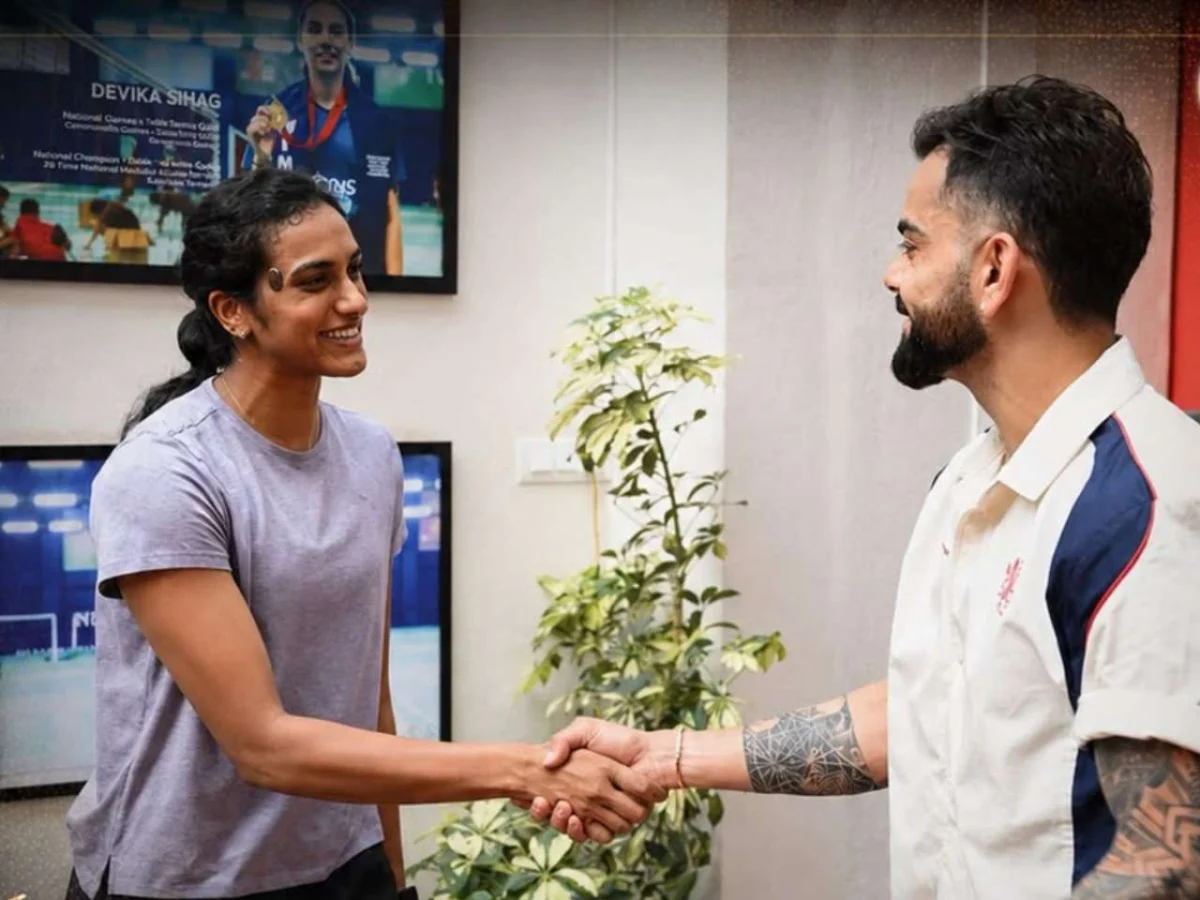
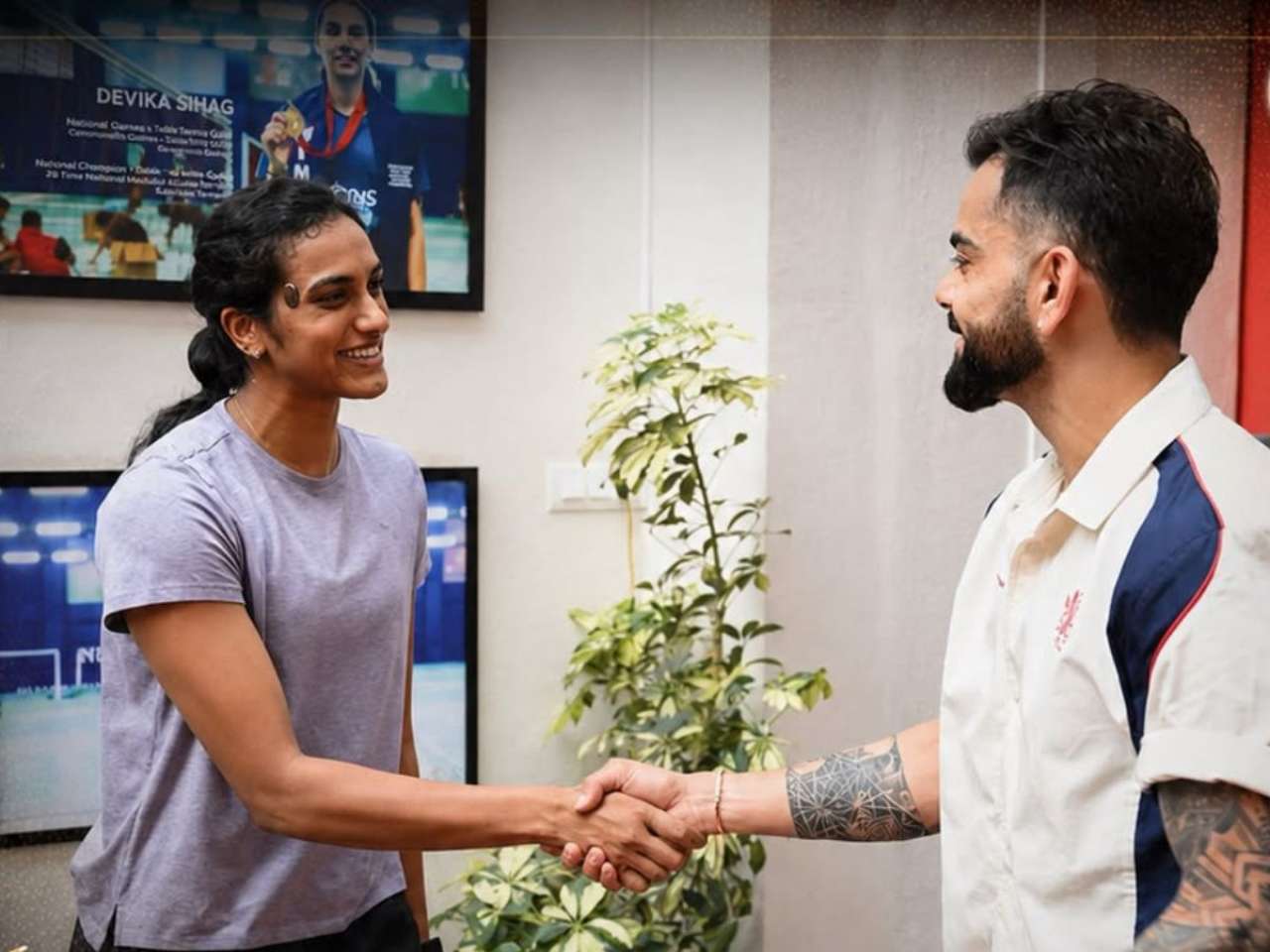
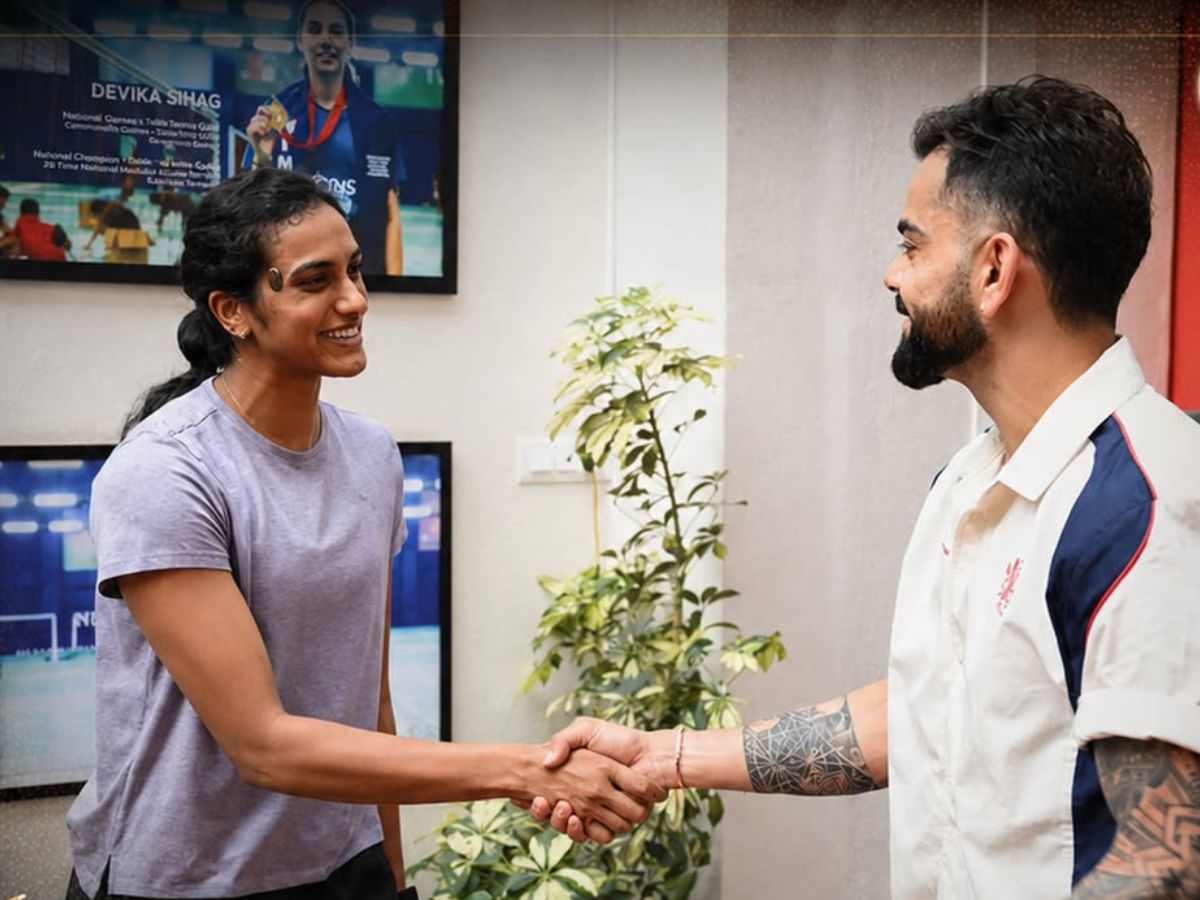
The catalyst for Sindhu’s remarkable turnaround, as she herself revealed, originated from an unexpected conversation with former Indian cricket captain, Virat Kohli. Known for his own struggles with form and subsequent triumphant return, Kohli offered Sindhu a simple yet profound piece of advice: rediscover the joy of playing. This counsel came at a crucial juncture for Sindhu, who was not only battling a nagging injury but also the psychological toll of a prolonged lean patch. Kohli’s ability to articulate the mental shift required to overcome a slump, drawing from his personal experience of enduring a three-year international century drought, resonated deeply with Sindhu. His words became a guiding principle, shifting her focus from the relentless pressure of winning to the fundamental pleasure and passion that first drew her to the sport.
)
Beyond the Court: A Holistic Comeback
Sindhu’s comeback story extends far beyond a single conversation. It is a compelling narrative of holistic athlete development, encompassing rigorous physical rehabilitation, strategic tactical adjustments, and profound mental conditioning. Following a snapped toe ligament, a severe injury that forced her off the court, Sindhu embarked on an intensive recovery journey. Her husband, Venkata Datta Sai, played an instrumental role, orchestrating a comprehensive plan that included relocating to Atlanta, USA, for specialized training and mental rejuvenation. There, away from the intense scrutiny of the Indian sporting landscape, Sindhu was able to reset. Supported by a dedicated 13-person team of coaches, physios, nutritionists, and sports scientists, she underwent a complete overhaul of her training regimen, diet, and mindset. This multi-faceted approach ultimately paved the way for her triumphant return, demonstrating the critical importance of a robust support system in an athlete’s journey.
Chronology of Resilience: From Slump to Soar
The Two-Year Hiatus: A Period of Doubt and Injury
PV Sindhu’s career, marked by its meteoric rise and historic Olympic medals, had nonetheless entered an unprecedented challenging phase. Following her bronze medal at the Tokyo Olympics in 2021, and a World Championship gold in 2019, expectations soared. However, the subsequent two years saw a gradual dip in her dominant form. Tournament exits became earlier, and the consistent aggression that characterized her play seemed to wane. This period culminated in a significant physical setback: a snapped toe ligament. Such an injury, particularly for a player whose game relies heavily on explosive movement and agile footwork, threatened to derail her career further. Beyond the physical pain, the mental anguish of being sidelined, coupled with the pressure to perform and the frustration of not converting opportunities, undoubtedly took its toll. This was a critical juncture where the champion’s resolve was tested to its limits, necessitating a complete re-evaluation of her approach to the sport.

Seeking Wisdom: The Dialogue with Virat Kohli
It was during this period of introspection and uncertainty that Sindhu made the bold decision to seek counsel from another titan of Indian sports, Virat Kohli. Kohli, a figure synonymous with relentless pursuit of excellence, had famously navigated his own prolonged slump between 2019 and 2022, a period where he struggled to score an international century despite consistent performances. Sindhu reached out to him, not just for technical advice, but for insight into how he maintained mental fortitude and rediscovered his scoring touch amidst immense pressure. Kohli’s response was disarmingly simple: he focused on finding the "joy of scoring runs again." This wasn’t about complex tactics or radical changes in technique; it was about reconnecting with the fundamental pleasure of the game, letting go of the fear of failure, and embracing the process. For Sindhu, who had been burdened by the weight of expectations and the desire for results, this advice was a revelation, offering a new perspective on her own struggles.
The Atlanta Chapter: Physical and Mental Reset
Armed with Kohli’s wisdom, Sindhu, accompanied by her husband Venkata Datta Sai, embarked on a crucial journey to Atlanta, USA. The primary objective was not just physical rehabilitation for her toe ligament but a comprehensive mental and emotional reset. Sai recognized the burnout and mental fatigue that had plagued Sindhu. "We had to help Sindhu fall in love with badminton again," he explained, emphasizing how Kohli’s words had resonated with him as well.
At the renowned Exos Sports Performance facility in Atlanta, Sindhu trained under the guidance of expert trainers Wayne, Tim, and Rayan. This was a deliberate departure from her usual high-pressure training environment. Her sister dutifully drove her to the facility daily for three weeks, ensuring Sindhu could immerse herself completely in her rehab and strengthening exercises. In this supportive, almost "family setting," Sindhu was able to shed the persona of a national sporting icon and simply be an athlete focused on her recovery. This period allowed her to clear her head, rebuild her physical strength methodically, and crucially, internalize the message of rediscovering the intrinsic joy of playing, free from external pressures.
)
Strategic Adjustments: Re-evaluating Playstyle
Beyond the mental and physical rejuvenation, a critical component of Sindhu’s comeback involved a rigorous re-evaluation of her playing style. Data collected after the Paris Olympics (presumably the 2024 games, given the article’s timeline context) provided stark insights into areas needing immediate attention. The analysis revealed that Sindhu had lost her characteristic "attacking edge." She was no longer dictating rallies with her aggressive smashes and sharp net play but was instead winning points only after multiple attempts in a rally. This passive approach increased her vulnerability to errors and sapped her energy.
Furthermore, a worrying trend emerged regarding her line-judgement errors, which had escalated from an average of two per match to six. This indicated a fundamental shift in her approach: she was "hoping for easy points instead of playing to win them." This defensive mindset, whether conscious or subconscious, stifled her natural game. The coaching team, armed with this data, worked meticulously to re-instill her aggressive instincts, focusing on precision, shot placement, and the confidence to take risks, thereby shifting her back to a proactive, winning strategy rather than a reactive, error-averse one.
The Road to Japan: Intensive Preparation
The period leading up to the Japan Open was characterized by an intense and highly structured preparation phase, where all the pieces of her comeback puzzle began to fit together. Her physical conditioning was paramount. The sports science team implemented a precise diet and training regime, resulting in a crucial weight loss of 3.5 kg. This reduction significantly enhanced her agility, speed, and endurance on court, allowing her to execute her aggressive game plan more effectively. Chicken became her primary protein source, meticulously monitored to ensure optimal muscle recovery and development. Mentally, the lessons from Kohli and her Atlanta reset were constantly reinforced, ensuring she stepped onto the court with renewed confidence and a focus on the process rather than the outcome. The Japan Open became the ultimate test of this comprehensive preparation. Her eventual triumph over Akane Yamaguchi in the final was not just a victory in a tournament, but a culmination of months of dedicated effort, resilience, and a profound mental transformation. The raw emotion of her entire support team breaking down after the win underscored the magnitude of the shared journey and the immense relief that came with breaking the long-standing drought.
)
Supporting Data and Insights: The Science Behind the Success
Analytical Deep Dive: Identifying Performance Gaps
The foundation of Sindhu’s tactical resurgence lay in sophisticated data analysis, specifically post-Paris Olympics performance metrics. This scientific approach moved beyond subjective observations, providing concrete evidence of where her game had faltered. The data highlighted a significant drop in her ‘attacking index,’ a metric that quantifies the number of aggressive shots, smashes, and net kills she initiated per rally. This index showed a decline, indicating a shift towards a more defensive, rally-based game rather than her characteristic power-hitting.
The increased line-judgement errors, from two to six per match, were particularly telling. Such errors are often indicative of mental fatigue, lack of focus, or a cautious approach where a player might be hesitant to commit fully to a shot near the lines, hoping the opponent makes a mistake. This passive strategy, while sometimes yielding points, fundamentally contradicted Sindhu’s strength as an aggressive, front-foot player. The analytical team used this data to pinpoint precise areas for improvement, enabling coaches to tailor drills and match simulations to restore her attacking prowess and reduce unforced errors, thereby making her game more efficient and decisive.
The Power of the Support System: A 13-Person Army
Central to Sindhu’s comeback was the unwavering support of her meticulously assembled 13-person team. This comprehensive unit represented the pinnacle of modern sports science and athlete management. It comprised:
)
- Head Coach: To oversee overall strategy and technique.
- Assistant Coaches: Focusing on specific aspects of her game, like defense or net play.
- Physiotherapists: Critical for her toe ligament rehabilitation and ongoing injury prevention.
- Strength and Conditioning Coaches: Responsible for her physical transformation and endurance.
- Sports Psychologist/Mental Conditioning Expert: To help her overcome mental blocks, manage pressure, and rediscover the joy of playing.
- Nutritionist: To design and monitor her diet, ensuring optimal energy levels and recovery.
- Performance Analyst: To collect and interpret game data, informing tactical adjustments.
- Personal Support (Family/Manager): Providing emotional stability, logistical support, and a sense of normalcy.
This collaborative approach ensured that every facet of Sindhu’s performance and well-being was addressed. The emotional bond within this team was palpable, as evidenced by their collective relief and tears after her Japan Open victory, underscoring the shared journey and sacrifices.
Physical Transformation: Weight Management and Nutrition
A crucial physical element of Sindhu’s comeback was her targeted weight loss of 3.5 kg. While seemingly a modest figure, for an elite athlete, even small changes in body composition can have profound impacts on performance. The reduction in weight directly translated to enhanced agility, quicker court coverage, and reduced stress on her joints, particularly important for her recovering toe. This was achieved through a stringent dietary regimen, meticulously crafted by her nutritionist. "Chicken became her main protein source," signifying a high-protein, low-fat diet aimed at muscle retention and fat loss. This was complemented by complex carbohydrates for sustained energy and a rich intake of vitamins and minerals. The discipline required for such a transformation, especially amidst intensive training, speaks volumes about her commitment. The celebratory ice cream after her win was not just a treat, but a symbolic reward for the immense dedication to her nutritional goals, highlighting the psychological balance between strict discipline and occasional indulgence.
Mental Fortitude: Rediscovering the ‘Joy of Play’
Perhaps the most profound transformation Sindhu underwent was mental. The "joy of scoring runs again" advice from Kohli became her mantra. This concept is deeply rooted in sports psychology, addressing burnout and the pressure of outcome-oriented thinking. For Sindhu, it meant shifting her focus from the burden of expectations and the fear of not winning, to the inherent pleasure of executing a perfect shot, engaging in a challenging rally, or simply being on court.
Her time in Atlanta, away from the intense media scrutiny and the ‘star’ persona, was instrumental in this mental reset. In a "family setting," she was just another person putting in the work, allowing her to reconnect with the foundational love for badminton that had driven her as a child. This reframing helped her shed the defensive mindset, reduce line-judgement errors born of hesitation, and play with the attacking freedom that defines her best performances. It instilled a sense of resilience that allowed her to push through difficult moments in matches, knowing that her worth wasn’t solely tied to the scoreboard but to the passion and effort she invested in every point.
)
Official Responses and Reflections: Voices from the Inner Circle
Venkata Datta Sai: The Unwavering Partner
Venkata Datta Sai, PV Sindhu’s husband, emerged as a central figure in her comeback, providing not just emotional support but also strategic direction. His insights offer a rare glimpse into the personal struggles and triumphs behind the public persona of a champion. "We had to help Sindhu fall in love with badminton again," Sai remarked, highlighting the deep emotional and psychological toll that prolonged slumps and injuries can take on an athlete. His decision to take her to Atlanta, away from the familiar environment and the associated pressures, was a conscious effort to create a sanctuary for healing and rediscovery. He understood that Kohli’s simple advice—to find joy in the game—was profound precisely because it addressed the root cause of burnout and performance anxiety. Sai’s role transcended that of a spouse; he acted as a confidant, a strategist, and a steadfast pillar of support, ensuring that Sindhu had every resource and mental space needed to rebuild herself, both physically and mentally. His unwavering belief in her potential, even during her darkest hours, was undoubtedly a critical factor in her return to winning ways.
Sindhu’s Own Words: Acknowledging the Journey
While the article provides limited direct quotes from Sindhu herself post-victory, her subsequent statements and demeanor reflect a profound sense of relief, gratitude, and renewed purpose. In similar situations, athletes often speak of the "long and difficult journey," the "unwavering support of my team," and the "importance of belief." One can infer that Sindhu would emphasize the psychological battle as much as the physical one, acknowledging the pressure and the moments of doubt. Her public acknowledgment of Virat Kohli’s influence underscores her humility and openness to learning, even from athletes in different sports. Her expression of gratitude towards her support team, especially her husband, would be heartfelt, recognizing their collective effort in navigating her challenging period. The Japan Open victory, for Sindhu, would be more than just a title; it would be a validation of her resilience, her ability to adapt, and the power of rekindling her fundamental passion for badminton.
)
Expert Opinions: Pundits Weigh In
The sporting community, both in India and globally, has reacted with widespread admiration and relief to Sindhu’s victory. Badminton pundits and former players have universally hailed her comeback as a testament to her champion mentality. Many experts had observed her struggles over the past two years, noting a visible decline in her signature aggressive play and an increase in unforced errors. Her victory is seen as a significant boost for Indian badminton, especially as the nation looks towards major multi-sport events. Analysts would likely point to the comprehensive nature of her comeback—the effective rehabilitation, the strategic re-calibration of her game, and most importantly, the mental reset—as a model for other athletes facing similar challenges. The "Kohli effect" would also be a topic of discussion, highlighting the valuable cross-sport mentorship that can inspire athletes to look beyond their immediate circles for wisdom and perspective.
The Broader Sporting Community’s Reaction
Beyond the immediate badminton fraternity, Sindhu’s return to the top has resonated deeply within the broader Indian sporting community and among fans. She is a national icon, and her struggles were closely followed. Her victory serves as a powerful narrative of perseverance and the human spirit’s capacity to overcome adversity. Social media platforms would be abuzz with congratulatory messages from fellow athletes, politicians, and countless fans, celebrating not just the win, but the inspiring journey behind it. The story of her being motivated by Virat Kohli further amplifies its appeal, creating a relatable human connection between two of India’s biggest sporting stars. This shared experience of vulnerability and triumph strengthens the bond between athletes and their admirers, reinforcing the idea that even the greatest champions face periods of doubt and require support to reclaim their peak performance.
)
Implications and Future Outlook: Chasing Gold and Beyond
Impact on Indian Badminton: A Renewed Hope
PV Sindhu’s Japan Open victory carries significant implications for Indian badminton. As one of the most recognizable faces of the sport in the country, her slump had cast a shadow, raising concerns about the future of women’s singles after her generation. Her triumphant return, therefore, instills a renewed sense of hope and confidence within the entire ecosystem. It sends a powerful message to aspiring young shuttlers that resilience, meticulous preparation, and a strong support system are paramount to navigating the demanding world of professional sports. Her ability to bounce back from injury and a prolonged trophy drought serves as a tangible example of what mental fortitude combined with scientific training can achieve. This win will likely boost the morale of other Indian players on the international circuit and could inspire greater investment in comprehensive athlete support programs, mirroring the successful model employed for Sindhu.
The Asian Games Challenge: Momentum on Her Side
With the Japan Open title firmly in her grasp, Sindhu’s immediate focus will undoubtedly shift to the upcoming Asian Games later this year. The continental multi-sport event is a significant challenge, featuring some of the world’s best players from badminton powerhouses like China, Japan, Korea, and Indonesia. However, Sindhu will enter the competition with invaluable momentum and a revitalized mindset. The confidence gained from her recent victory, coupled with her enhanced physical condition and refined tactical approach, positions her as a formidable contender. The Asian Games will serve as a crucial test, providing an opportunity to further consolidate her comeback and gauge her form against top-tier opposition, all while carrying the hopes of a nation eager to see her add another prestigious medal to her collection.
)
The 2028 Olympics: The Ultimate Prize
Beyond the Asian Games, the ultimate goal looming on Sindhu’s horizon is the 2028 Olympic Games. Having already etched her name in history as the only Indian woman to win two Olympic medals – a silver in Rio 2016 and a bronze in Tokyo 2020 – there remains "only one color left to chase": gold. This ambition has been a consistent driving force throughout her career. Her recent comeback signifies that this dream is very much alive and within reach. The comprehensive strategy implemented for her Japan Open triumph, encompassing physical conditioning, mental resilience, and tactical refinement, provides a robust framework for her Olympic preparation. The next few years will be dedicated to fine-tuning her game, maintaining peak physical condition, and strategically participating in tournaments to optimize her rankings and readiness for the biggest stage in sports. The narrative of her journey, from two-time medalist to overcoming adversity and chasing the elusive gold, will undoubtedly be one of the most compelling storylines leading up to the 2028 Games.
A Legacy Redefined: More Than Just Medals
PV Sindhu’s comeback transcends the mere collection of medals and titles. It redefines her legacy, showcasing her not just as a supremely talented athlete, but as a symbol of unwavering resilience, adaptability, and the profound importance of mental well-being in sports. Her openness about seeking advice from Virat Kohli, and her journey to rediscover the "joy of playing," normalizes the struggles faced by elite athletes and highlights the power of mentorship and a holistic approach to sports. She demonstrates that even champions experience doubt and require a robust support system to thrive. Her story will inspire countless individuals, proving that setbacks are not endpoints but opportunities for growth and reinvention. Sindhu’s Japan Open victory is not merely a return to form; it is a powerful statement about the enduring spirit of a champion, poised to write the next glorious chapter in her already legendary career.
