

New Delhi, July 23, 2026 – For over a decade, India has possessed the medical technology to offer pregnant women a more dynamic and potentially more comfortable birthing experience through "walking epidurals." Yet, despite its availability, this innovative pain management technique remains remarkably underutilized, with adoption rates significantly lagging behind Western counterparts. Experts attribute this disparity to a complex interplay of factors, ranging from resource limitations in healthcare facilities to the need for specialized expertise and a nuanced understanding of patient suitability.
While traditional epidurals have long been a cornerstone of labor pain management, their efficacy often comes at the cost of immobility, confining mothers to their beds. The "walking epidural," a refinement of this technique, aims to strike a balance, offering substantial pain relief while preserving the crucial ability for movement. This article delves into the mechanics of walking epidurals, explores the benefits they offer, and investigates the reasons behind their slow integration into mainstream Indian obstetrics, while also examining the potential for wider adoption in the future.
H2: Understanding the Walking Epidural: A Modern Approach to Labor Pain Management
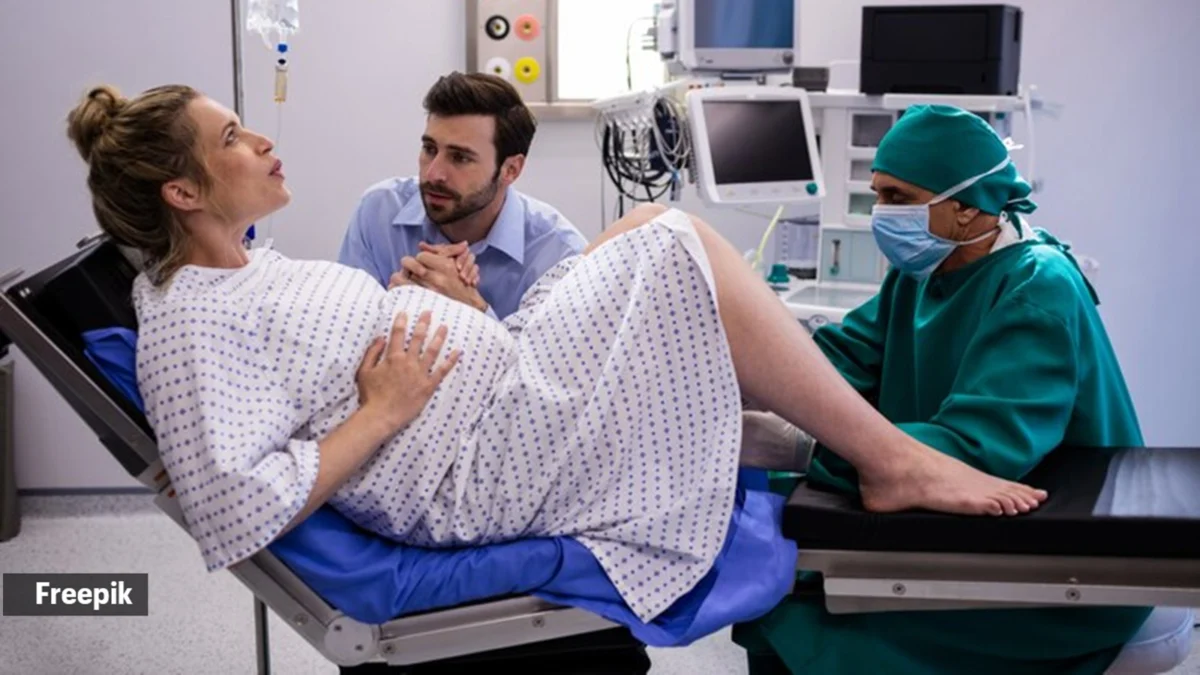
The fundamental difference between a traditional epidural and a walking epidural lies in the dosage and composition of the anesthetic and analgesic agents used. A traditional epidural typically employs a higher concentration of anesthetic to achieve profound numbness and pain relief, which, while effective for pain, can significantly impede leg movement and necessitate bed rest.
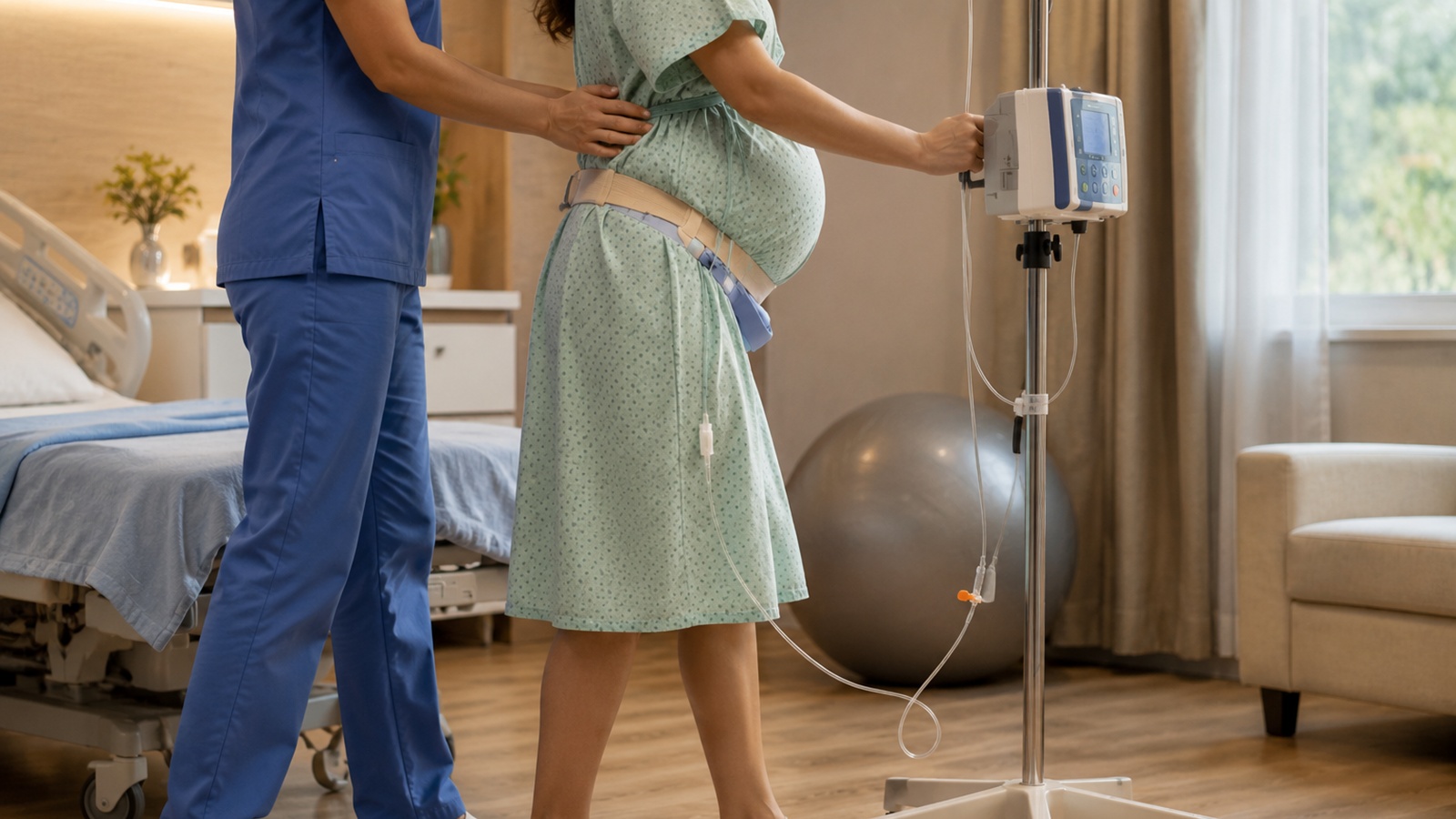
In contrast, a walking epidural utilizes a carefully calibrated lower dose of anesthetic, often combined with opioid analgesics. This refined approach is designed to significantly reduce labor pain without inducing complete numbness or motor blockade in the legs. "The goal is to provide substantial pain relief while ensuring the mother retains sufficient motor function to move her legs, change positions, and, with assistance, even ambulate," explains Dr. Richa Bharadwaj, a consultant gynecologist and obstetrician at Wockhardt Hospitals, Mumbai Central.
The ability to move during labor is not merely about comfort; it can actively contribute to a more efficient and empowering birth. Gravity, when harnessed through upright positions like standing or squatting, can assist the baby’s descent through the birth canal. Furthermore, changing positions can alleviate pressure points, promote better blood circulation, and potentially lead to more effective uterine contractions. "Staying mobile can boost comfort, lessen feelings of helplessness, and in some cases, may shorten labour and reduce the need for interventions," Dr. Bharadwaj elaborates.
Dr. Anita Roy, a consultant anesthesiologist at Motherhood Hospitals, Kharghar, Navi Mumbai, echoes this sentiment, highlighting the psychological benefits. "Women often report better control during labour, less discomfort, and greater satisfaction when they can participate actively in their birthing process," she states. This increased sense of agency can transform the often-intense experience of labor into a more positive and engaging journey.
H3: The Advantages of Enhanced Mobility During Labor
The benefits of a walking epidural extend beyond mere pain reduction. By enabling movement, these epidurals can:
- Facilitate Labor Progression: Upright positions can help the baby engage with the cervix and descend more effectively, potentially shortening the first stage of labor.
- Improve Comfort and Reduce Pressure: Shifting positions can alleviate pressure on the mother’s back and pelvis, providing much-needed relief from the intensity of contractions.
- Enhance Fetal Positioning: Certain movements can encourage optimal fetal positioning, which can make labor smoother and reduce the likelihood of complications.
- Minimize the Need for Interventions: By promoting natural labor progression, mobility may reduce the reliance on interventions such as forceps or vacuum-assisted delivery.
- Boost Maternal Empowerment: The ability to move and actively participate in the birthing process can lead to a greater sense of control and satisfaction for the mother.
- Reduce Risk of Deep Vein Thrombosis (DVT): Prolonged immobility, particularly after surgery or in certain medical conditions, can increase the risk of DVT. While not a primary concern during labor, any intervention that promotes movement can be seen as beneficial in this regard.
H2: A Decade in Waiting: The Slow Adoption of Walking Epidurals in India
Despite being available for well over a decade, the adoption of walking epidurals in India remains surprisingly low, with estimates suggesting usage in only 10-20% of cases where epidurals are considered. This stark contrast to Western countries, where walking epidurals are far more commonplace, prompts a critical examination of the barriers hindering their widespread implementation.
"The prevalence is very low compared to Western countries," Dr. Bharadwaj notes, pointing to a significant gap in accessibility and awareness. Several interwoven factors contribute to this underutilization:
H3: The Crucial Role of Expertise and Resources
One of the primary hurdles to widespread walking epidural adoption is the requirement for a highly skilled and coordinated healthcare team. Implementing this technique safely and effectively demands:
- Experienced Obstetricians: Clinicians with a deep understanding of labor dynamics and the ability to monitor labor progression closely are essential.
- Skilled Anesthesiologists: The precise administration of lower-dose anesthetics and analgesics requires significant expertise. Anesthesiologists must be adept at titrating medications to achieve optimal pain relief while meticulously preserving motor function.
- Continuous Fetal Monitoring: While standard practice for many epidurals, continuous fetal monitoring is even more critical with walking epidurals to ensure the well-being of the baby as the mother moves. This necessitates reliable equipment and trained personnel to interpret the readings.
- Trained Nursing Staff: Nurses play a pivotal role in assisting mothers with mobility, monitoring for any signs of distress, and ensuring safety protocols are followed.
"Not every hospital has the resources or staff needed to support this type of monitoring and the specialized care required," Dr. Bharadwaj explains. Smaller, less equipped facilities may lack the necessary infrastructure, including continuous fetal monitoring systems, and the availability of highly trained anesthesiologists and nurses who are proficient in managing walking epidurals.
H3: Patient Selection: A Nuanced Approach
The success of a walking epidural is not universal and hinges significantly on careful patient selection. While women with low-risk, uncomplicated pregnancies who desire pain relief and have no contraindications to epidural anesthesia are generally considered suitable candidates, certain factors can preclude its use:
- High-Risk Pregnancies: Women with pre-existing medical conditions such as severe hypertension, cardiac issues, or obstetric complications like placenta previa or severe pre-eclampsia may require more intensive monitoring and traditional pain management strategies.
- Complications During Labor: If a labor deviates from the norm, presenting with signs of fetal distress, prolonged arrest of dilation, or other emergent situations, the priority shifts to immediate and robust pain relief and continuous observation, which might necessitate a different approach.
- Maternal Preference and Understanding: It is crucial for expectant mothers to be well-informed about the benefits and limitations of walking epidurals. Some women may prefer the complete immobility offered by a traditional epidural, or conversely, may opt for non-pharmacological pain relief methods. A thorough discussion with healthcare providers is paramount.
Dr. Bharadwaj emphasizes that "every labour is unique, and being mobile does not guarantee an easier delivery." Therefore, a one-size-fits-all approach is not appropriate. The decision to offer or accept a walking epidural must be individualized, taking into account the mother’s medical history, the progression of her labor, and her personal preferences.
H3: The Economics of Advanced Pain Management
The cost of implementing and maintaining the infrastructure for walking epidurals can also be a significant factor. Specialized equipment, ongoing training for staff, and the potential for longer labor management times (if mobility leads to a more protracted but ultimately natural birth) can translate into higher operational costs for hospitals. In a healthcare landscape where cost-effectiveness is often a key consideration, the perceived higher investment for walking epidurals, especially when compared to the established and widely understood traditional epidural, might deter some institutions from fully embracing the technology.
H2: The Path Forward: Towards Wider Adoption and Empowered Births
Despite the current challenges, the growing demand for personalized and evidence-based maternity care in India suggests a promising future for walking epidurals. As awareness increases and the benefits become more widely recognized, several trends could drive their broader adoption:
H3: The Rise of Specialized Maternity Centers
Larger, tertiary-care hospitals and specialized maternity centers are likely to be at the forefront of adopting these advanced practices. These institutions often possess the necessary infrastructure, a higher concentration of skilled specialists, and the financial capacity to invest in advanced technologies and training. "Larger, specialised hospitals in India may be the first to adopt these practices, provided they have the right expertise, safety systems, and trained teams in place," Dr. Bharadwaj suggests. Their focus on providing comprehensive and cutting-edge care makes them ideal environments for implementing techniques like walking epidurals.
H3: Increasing Patient Demand and Awareness
As more information becomes accessible through digital platforms and word-of-mouth, expectant mothers are becoming increasingly informed about their birthing options. The desire for a more natural and empowering birth experience, coupled with the potential for reduced intervention rates, is likely to fuel demand for walking epidurals. Healthcare providers will increasingly be called upon to offer this option, driving its availability.
H3: Continuous Medical Education and Training
Investing in ongoing medical education and specialized training programs for anesthesiologists and obstetricians is crucial. As more healthcare professionals become proficient in administering and managing walking epidurals, the availability of this service will naturally expand. Collaboration between medical institutions and professional bodies can play a significant role in disseminating best practices and fostering a culture of continuous learning.
H3: Government and Policy Support
While not explicitly mentioned in the original article, supportive government policies and initiatives aimed at improving maternal healthcare infrastructure and promoting advanced pain management techniques could significantly accelerate the adoption of walking epidurals. Subsidies for advanced equipment, grants for training programs, and the inclusion of such services in national health insurance schemes could make them more accessible and affordable.
H3: Emphasizing Individualized Care
Ultimately, the successful integration of walking epidurals hinges on a commitment to individualized care. "The goal should always be to offer safe, individualised care instead of applying a one-size-fits-all approach," Dr. Bharadwaj asserts. This means moving beyond a blanket recommendation and engaging in thorough consultations with each patient to determine the most appropriate pain management strategy based on her unique circumstances.
H4: Conclusion: A Step Towards Empowered Childbirth
The "walking epidural" represents a significant advancement in labor pain management, offering a compelling blend of effective pain relief and enhanced mobility. While India has had this technology for some time, its underutilization highlights the need for greater investment in infrastructure, specialized training, and a more nuanced approach to patient selection. As the landscape of maternity care evolves, driven by increasing patient awareness and a growing emphasis on personalized, evidence-based practices, the walking epidural holds immense potential to become a more commonplace and cherished option, empowering mothers to navigate the transformative journey of childbirth with greater comfort, control, and confidence. The ultimate goal remains the same: ensuring the safest and most positive birth experience possible for every mother and baby.
