

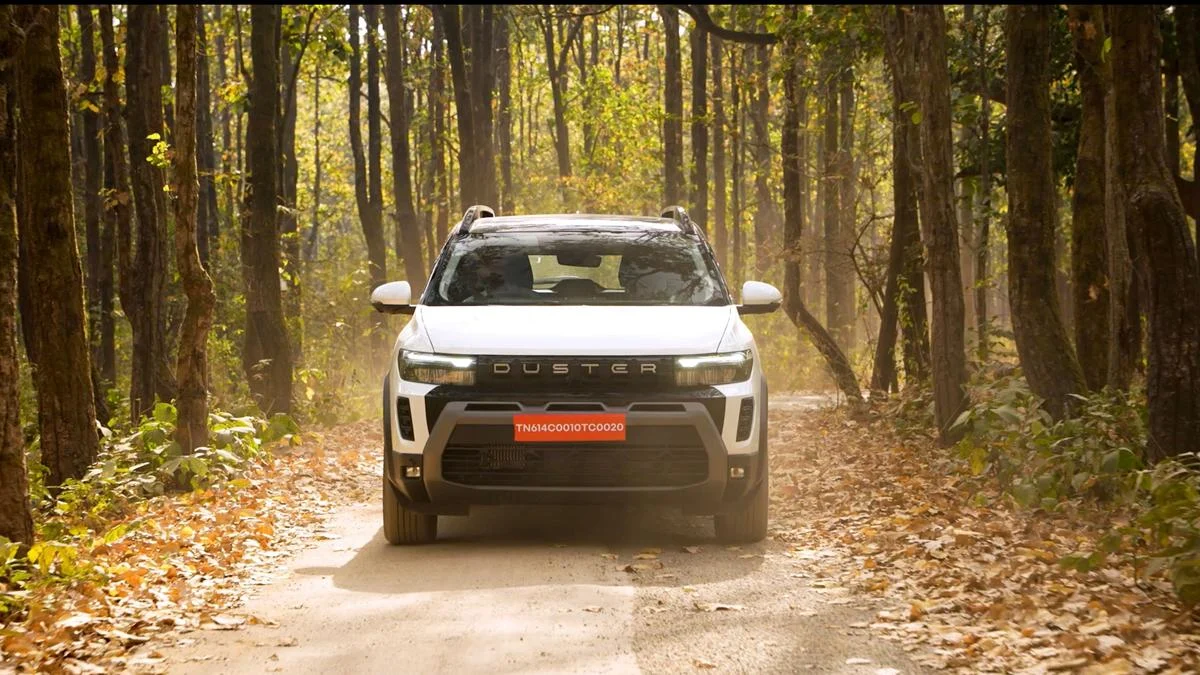
The Indian automotive landscape is one of the most volatile and competitive in the world, yet few names evoke as much nostalgia and respect as the Renault Duster. When it first graced Indian shores over a decade ago, it didn’t just enter a segment; it essentially pioneered the C-SUV category, proving that a monocoque chassis could deliver the ruggedness of a traditional ladder-frame SUV with the civility of a sedan. After a hiatus that left enthusiasts and loyalists yearning for its return, the Renault Duster is making a high-stakes comeback. This is not merely a product launch; it is a calculated effort by the French automaker to reclaim its identity in a market that has since been dominated by South Korean and domestic heavyweights.
Main Facts: A New Chapter for the Iconic Nameplate
The all-new Renault Duster returns to India with a sophisticated blend of rugged heritage and modern technology. Moving away from the utilitarian roots that characterized its predecessor, the new Duster—specifically in its 1.3 Turbo ICONIC avatar—positions itself as a premium yet hardy contender.
Key Specifications and Highlights:
- Powertrain Options: A flagship 1.3-litre turbo-petrol engine (163hp/280Nm), a budget-friendly 1.0-litre turbo-petrol (100hp), and a highly anticipated 1.8-litre strong hybrid slated for a Diwali release.
- Transmission: 6-speed manual and a smooth Dual-Clutch Transmission (DCT).
- Dimensions & Utility: Features a class-leading 518-litre boot and 18-inch alloy wheels.
- Pricing: Positioned competitively between INR 10.29 lakh and 18.49 lakh, targeting the heart of the mid-size SUV segment.
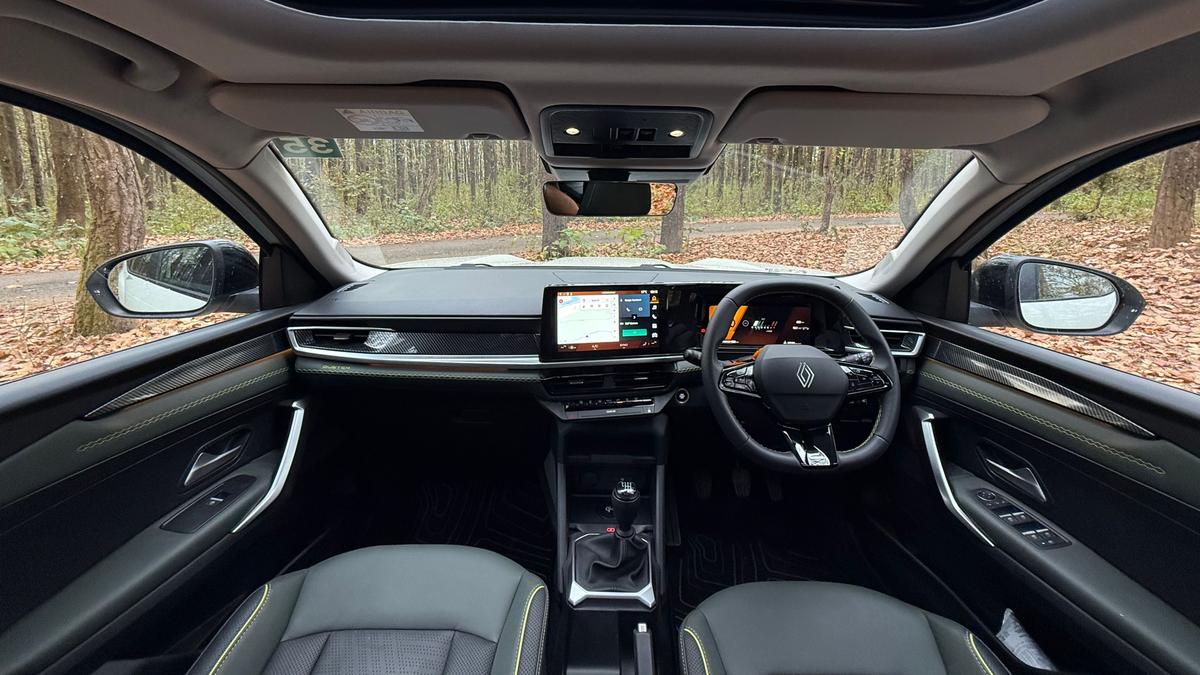
- Technology: A complete digital overhaul featuring a 10.1-inch infotainment system with integrated Google services and a 10.25-inch driver’s display.
The new Duster is built on the Renault-Nissan-Mitsubishi Alliance’s CMF-B platform, a modular architecture designed to support multiple body styles and, crucially, electrified powertrains. This shift is vital as India moves toward stricter emission norms and a growing preference for hybrid technology.
Chronology: From Trailblazer to Hiatus and Back
To understand the weight of the Duster’s return, one must look at the timeline of its influence on the Indian market.
- 2012: The Genesis: Renault launches the Duster in India. At a time when SUVs were either small (Premier Rio) or massive (Mahindra Scorpio/Tata Safari), the Duster offered a "just right" size. It became an overnight sensation, driving Renault’s growth in India.
- 2015-2019: The Rise of Competition: The arrival of the Hyundai Creta shifted the market’s focus toward "feature-rich" interiors and urban aesthetics. While the Duster remained the king of ride quality, its aging interior began to show.
- 2020: The Turbo Shift: Renault discontinued the legendary 1.5-litre K9K diesel engine due to BS6 emission norms, replacing it with a powerful 1.3-litre turbo-petrol engine. However, the aging platform could no longer keep up with the tech-heavy competition.
- 2022: The Exit: Renault officially pulled the Duster from the Indian market, focusing on the Kwid, Triber, and Kiger.
- 2024-2025: The Renaissance: Renault announces the return of the Duster, utilizing a global design language that has already seen success in European markets under the Dacia brand, but re-engineered for the specific demands of the Indian subcontinent.
Design and Aesthetics: Matured Ruggedness
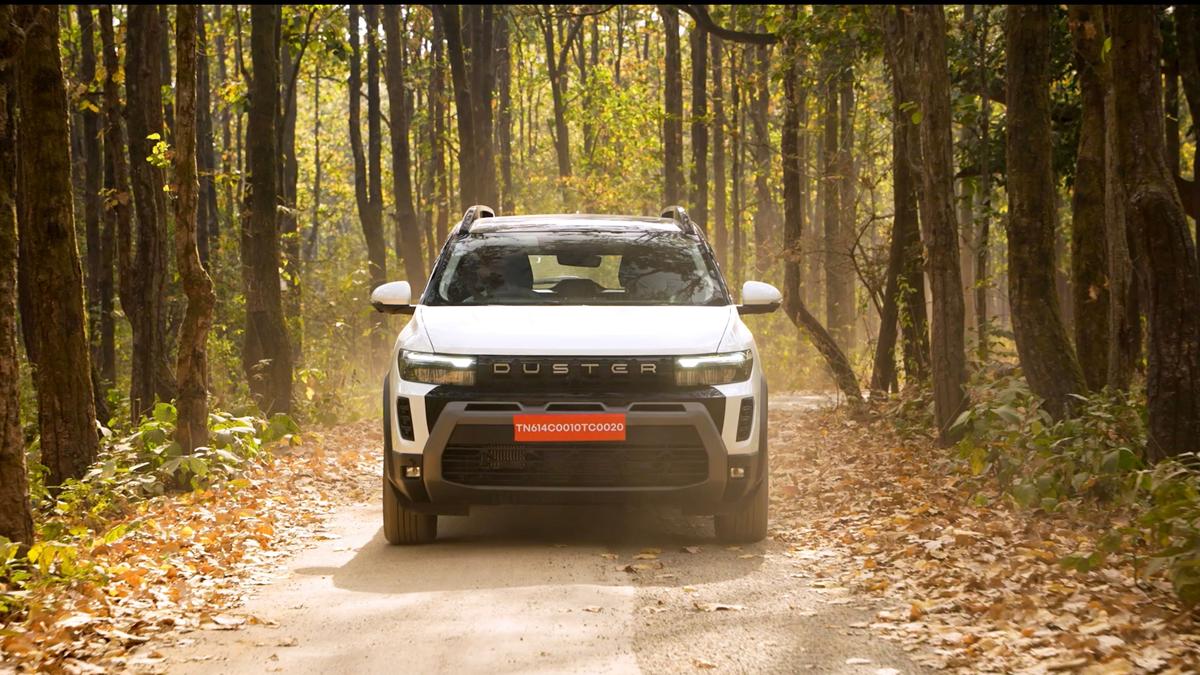
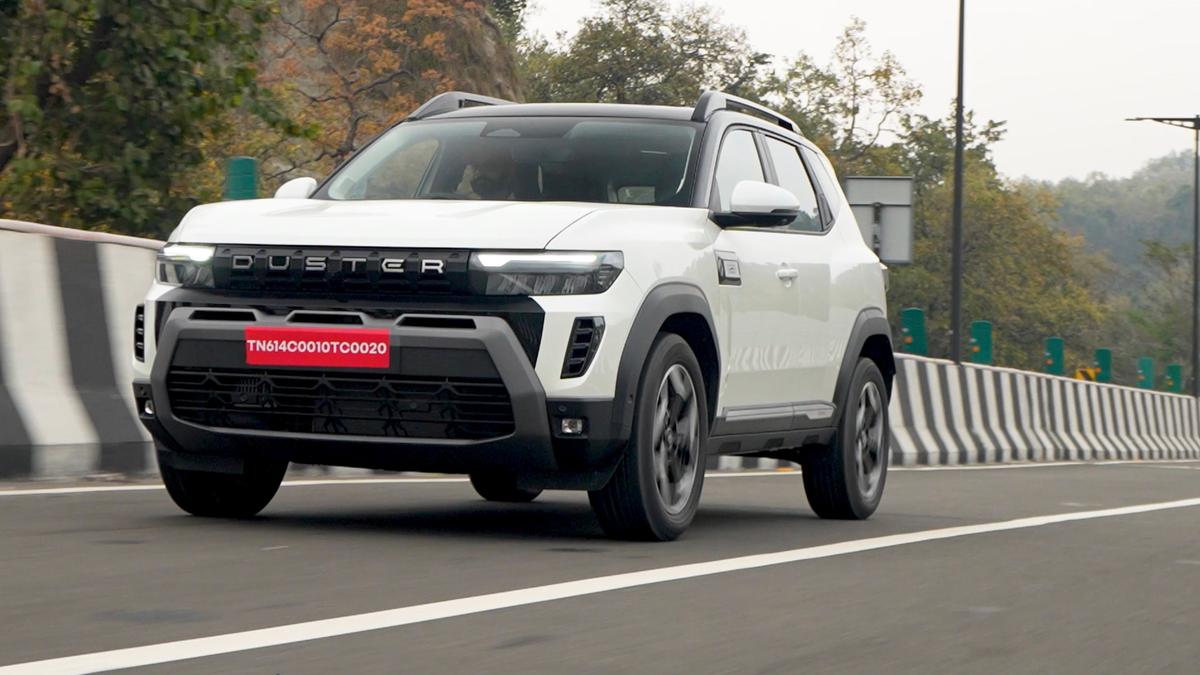
The new Duster avoids the "soft-roader" aesthetic that many modern SUVs have adopted. Instead, it doubles down on a "no-nonsense" stance. The front fascia is dominated by a clean LED lighting signature that wraps around a grille prominently featuring the Duster name. This is a deliberate branding move; Renault knows the "Duster" name carries more equity than the Renault badge itself in certain regions.
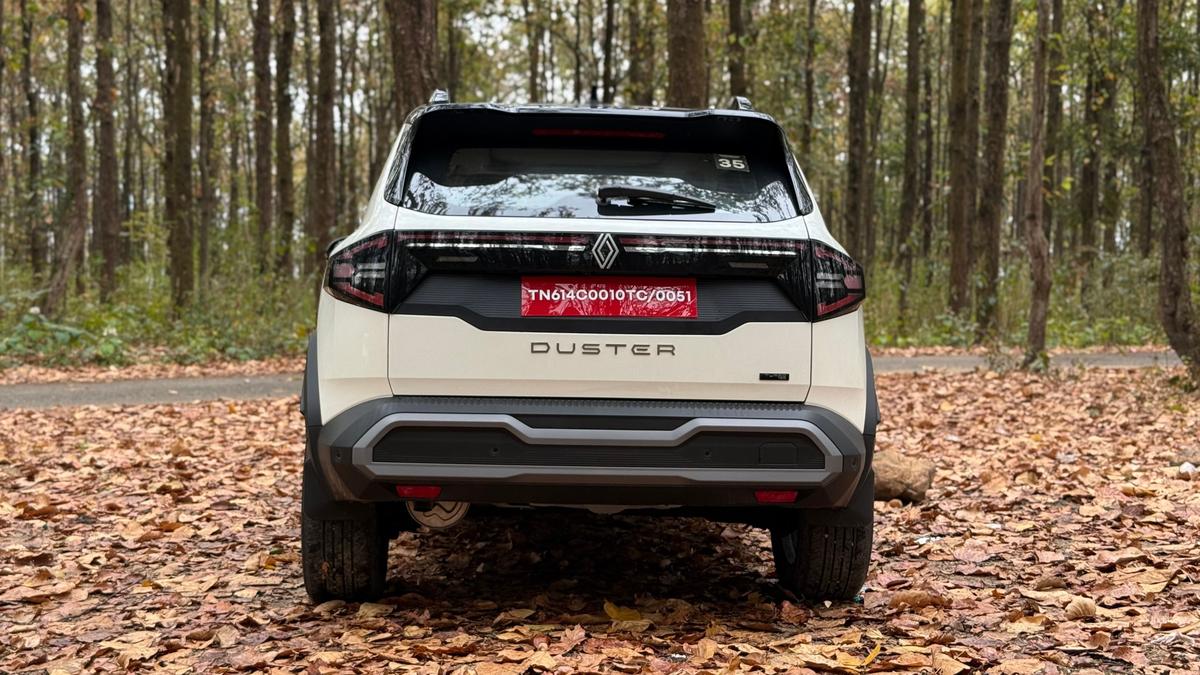
The profile of the vehicle is defined by muscularity. Squared-off wheel arches and thick body cladding suggest a vehicle that isn’t afraid of gravel or slush. The integration of the rear door handles into the C-pillar creates a cleaner three-door look while maintaining five-door practicality. At the rear, the connected LED tail lamps provide a modern "light signature" that is currently trending in the Indian market, yet the overall surfaces remain tidy and functional. It looks like a tool built for a purpose, rather than a fashion accessory.
Supporting Data: Engineering and Performance Analysis
The heart of the new Duster’s appeal lies in its mechanical variety. Renault is targeting three distinct types of buyers: the enthusiast, the value-seeker, and the eco-conscious commuter.
1. The Powerhouse: 1.3-Litre Turbo Petrol
This engine, co-developed with Mercedes-Benz, remains one of the most potent in its class. Producing 163hp and 280Nm of torque, it offers a power-to-weight ratio that challenges even the segment leaders. During testing, the engine showed a slight "turbo-lag" below 2,000 RPM, but once the spool hits, the mid-range surge is enough to break traction in second gear—a rarity for a front-wheel-drive family SUV.
2. The Practical Choice: 1.0-Litre Turbo
For those who primarily navigate urban jungles, the 100hp/160Nm engine provides a balance of fuel efficiency and enough "zip" for city overtakes.
3. The Future: 1.8-Litre Strong Hybrid
Slated for a late 2024 release, this powertrain is Renault’s answer to the Toyota Hyryder and Maruti Suzuki Grand Vitara. By combining a 1.8-litre Atkinson-cycle engine with an electric motor, it aims to deliver a combined 160hp while pushing fuel efficiency figures toward the 22-25 kmpl mark in real-world city driving.
Performance and Ride Quality Metrics:
| Feature | Specification |
|---|---|
| Max Power (1.3L) | 163 hp |
| Max Torque (1.3L) | 280 Nm |
| Boot Space | 518 Litres |
| Ground Clearance | 210 mm (Estimated) |
| Tested Fuel Efficiency | 13 kmpl (Aggressive) / 18+ kmpl (Claimed) |
| Infotainment Size | 10.1-inch Touchscreen |
Interior Evolution: From Utilitarian to Sophisticated
Historically, the Duster’s Achilles’ heel was its cabin. It was often criticized for being "too plastic" and "basic." The new ICONIC variant addresses these criticisms head-on. The cabin now feels like a contemporary workspace.
The inclusion of a 10.1-inch touchscreen and a 10.25-inch digital instrument cluster brings it into parity with the Kia Seltos and Hyundai Creta. However, Renault has made a conscious decision to retain physical buttons for climate control. This is a significant ergonomic win; on bumpy Indian roads, navigating a touchscreen for basic functions is not only difficult but dangerous.
The front seats are a highlight, offering both power adjustment and ventilation—a must-have feature in India’s tropical climate. While the rear seat space is adequate for two adults, it remains slightly tighter than the cavernous Honda Elevate. However, the Duster compensates with a massive 518-litre boot, making it the superior choice for long-distance touring and airport runs.
Official Responses and Strategic Positioning
Renault India’s leadership has been vocal about the Duster’s role in their "Renault 2.0" strategy. The company is positioning the Duster not just as a volume seller, but as a brand halo.
Addressing the elephant in the room—the absence of All-Wheel Drive (AWD) at launch—official sources indicate that the CMF-B platform is inherently AWD-capable. Renault is currently monitoring market sentiment. While the original Duster AWD had a cult following among off-roaders, the current market data suggests that over 95% of C-SUV buyers prefer 4×2 configurations for better fuel economy. However, an AWD version remains "on the table" for a future "Adventure Edition."
Furthermore, the partnership with Motorscribes and other media outlets emphasizes Renault’s focus on "driving feel." They are targeting the "driving enthusiast who has grown up" but still wants a vehicle that can handle a trip to Spiti or Ladakh without hesitation.
Implications: Can the Duster Disrupt the Status Quo?
The return of the Duster has several implications for the Indian automotive market:
- Pressure on the Leaders: The Hyundai Creta and Kia Seltos have long enjoyed a duopoly in the premium C-SUV space. The Duster’s reputation for superior ride quality (the "magic carpet" ride) offers a tangible alternative for buyers who find the Korean SUVs too "firm" or "city-centric."
- The Hybrid War: By introducing a 1.8-litre strong hybrid, Renault is bypassing the mild-hybrid technology used by some competitors and going straight for the "Gold Standard" of efficiency. This could lure buyers away from the Toyota/Maruti Suzuki camp.
- Brand Resurgence: For Renault, the Duster is a make-or-break product. A successful launch will provide the momentum needed to introduce other global models like the Bigster (a 7-seater version of the Duster).
- The "Rugged" Niche: The Duster fills a gap between the urban-focused crossovers (like the VW Taigun) and the hardcore off-roaders (like the Mahindra Thar). It offers a middle ground of "toughness with comfort" that is currently underserved.
Conclusion
The Renault Duster is returning to a world that is much more crowded than the one it left. Yet, by sticking to its core strengths—unrivaled ride quality, a muscular design, and a powerhouse turbo engine—while fixing its historical flaws in interior quality and tech, Renault has created a formidable contender.
It does not try to be a gadget-on-wheels; instead, it presents itself as a robust, mechanical companion that is "built for broken roads, but refined enough for everyday life." Whether it can reclaim its throne remains to be seen, but one thing is certain: the Duster is no longer just a memory. It is a very real, very potent threat to the established order. For the Indian consumer, the return of this icon means one thing—the SUV wars have just entered their most interesting chapter yet.
