

Main Facts: Redefining the Entry-Level Electric SUV
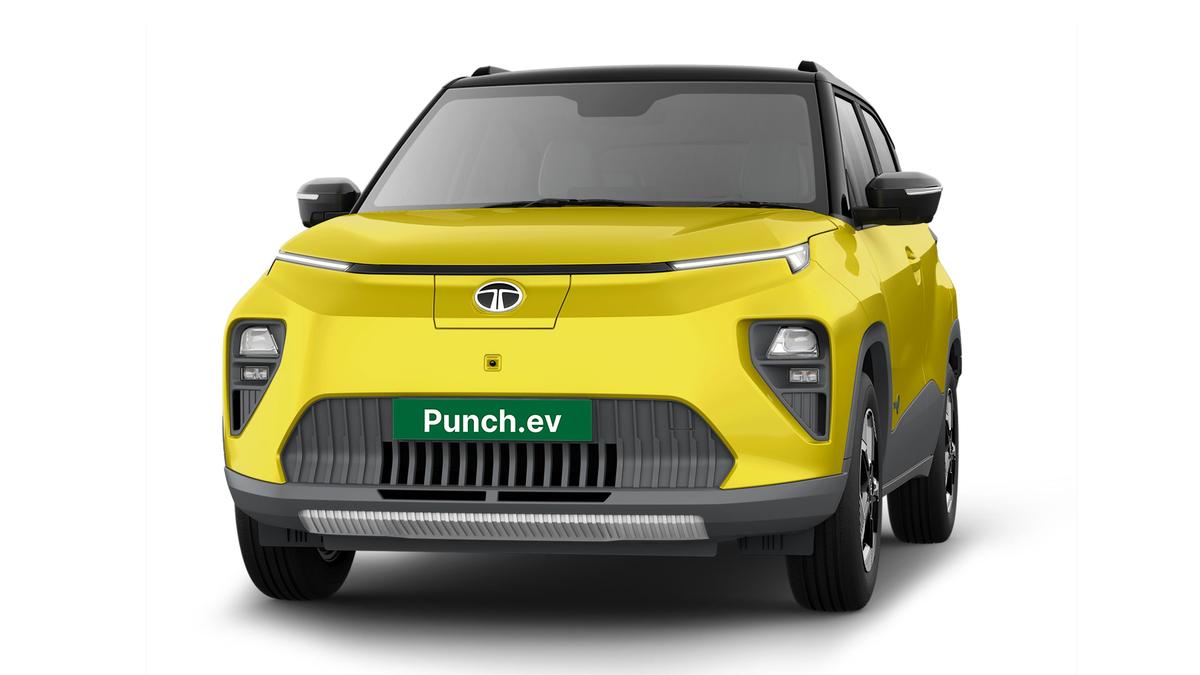
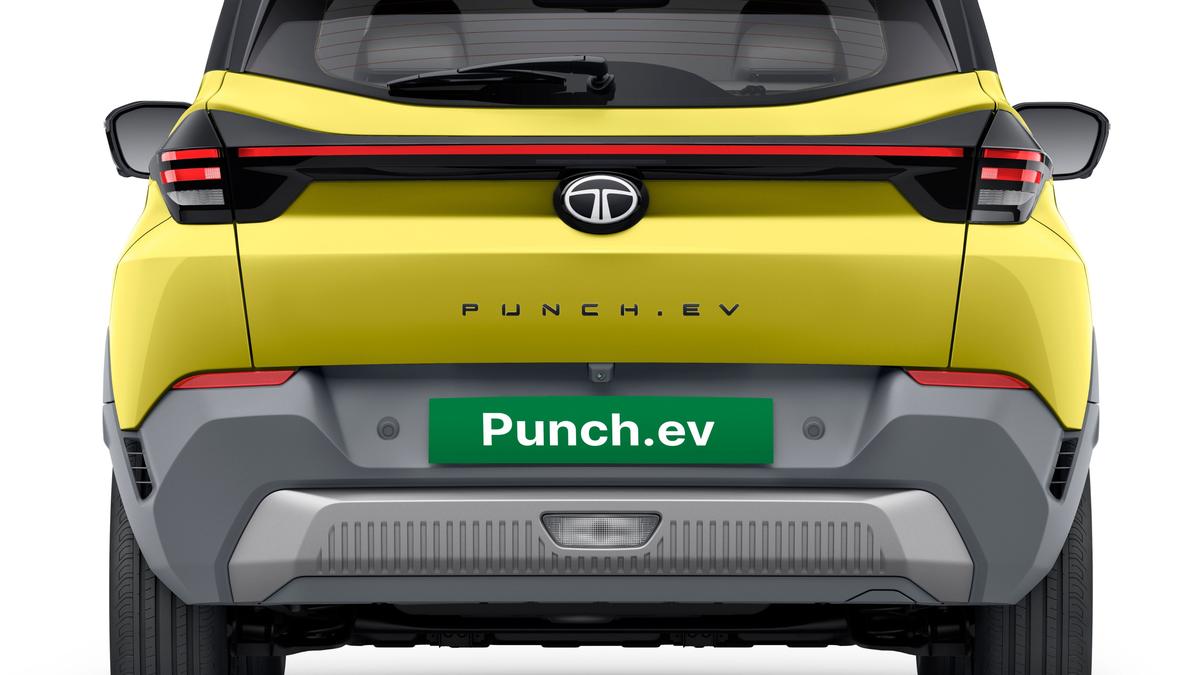
The Indian automotive landscape is witnessing a seismic shift as electric vehicles (EVs) transition from niche novelties to mainstream necessities. At the heart of this transformation is Tata Motors, a company that currently commands over 70% of the domestic EV market share. Their latest offering, the Tata Punch.ev, represents more than just a new model; it is a strategic masterstroke designed to bridge the gap between affordability and premium electric performance.
The Tata Punch.ev is the first product to be built on the company’s dedicated acti.ev (Advanced Connected Tech-Intelligent Electric Vehicle) platform. Unlike previous iterations like the Nexon.ev or Tiago.ev, which were essentially internal combustion engine (ICE) platforms adapted for batteries, the Punch.ev is "born electric." This distinction is critical, as it allows for better space optimization, enhanced battery safety, and superior driving dynamics.
Priced between ₹9.69 lakh and ₹12.59 lakh (ex-showroom), the Punch.ev occupies a "sweet spot" in the market. It offers a more robust, SUV-like experience than the Tiago.ev, while remaining significantly more accessible than the flagship Nexon.ev. Available in two main variants—the Medium Range (MR) and the Long Range (LR)—the vehicle promises a real-world range of approximately 300 to 350 km on a single charge, effectively addressing the "range anxiety" that has long plagued potential EV adopters in India.
Chronology: From Concept to the acti.ev Era
To understand the significance of the Punch.ev, one must look at the timeline of Tata Motors’ electric journey.
- The Nexon Benchmark (2020): Tata Motors proved that EVs could be viable in India with the Nexon EV. It focused on a high safety rating and a "zippy" driving experience.
- The Democratization Phase (2022-2023): With the launch of the Tiago.ev and Tigor.ev, Tata brought electric mobility to the sub-₹10 lakh segment, targeting urban commuters.
- The Launch of the Punch ICE (2021): The internal combustion version of the Punch became an overnight sensation, praised for its 5-star GNCAP safety rating and rugged design.
- The Introduction of acti.ev (2024): Recognizing that "converted" platforms had limitations, Tata unveiled the acti.ev architecture. This platform was designed to support multiple body styles, front-wheel drive (FWD), rear-wheel drive (RWD), and all-wheel drive (AWD) configurations.
- The Punch.ev Debut: Launched as the vanguard of this new architecture, the Punch.ev underwent rigorous testing across diverse Indian terrains, from the congested streets of Mumbai to the high-altitude passes of the Himalayas, ensuring the battery and motor could withstand extreme temperature fluctuations.
Supporting Data: Technical Specifications and Performance Metrics
The Tata Punch.ev’s appeal is backed by rigorous engineering data that separates it from its competitors.
Powertrain and Battery Options
The vehicle is offered with two battery pack options, catering to different usage patterns:
- Medium Range (MR): Equipped with a 25 kWh battery pack, generating approximately 82 PS and 114 Nm of torque. This variant is tailored for strict city use.
- Long Range (LR): Features a 35 kWh battery (often cited as 40 kWh in specific high-trim configurations) producing 130 PS (90 kW) and 154 Nm of torque.
Performance and Range
While the Automotive Research Association of India (ARAI) figures often suggest optimistic ranges (up to 421 km for the LR), real-world data indicates a more practical 300–350 km. In urban stop-and-go traffic, the vehicle benefits from a multi-mode regenerative braking system, controlled via steering-mounted paddle shifters. This allows the driver to toggle between four levels of regeneration, effectively allowing for "one-pedal driving" in heavy congestion.
Charging Infrastructure Compatibility
One of the most significant data points for the Punch.ev is its charging versatility:
- DC Fast Charging: Supports up to 65 kW, enabling a 20% to 80% charge in just 36 minutes.
- AC Fast Charging: A 7.2 kW AC home charger can replenish the battery from 10% to 100% in approximately 5 hours (for the LR variant).
- Emergency Charging: A 15-minute quick-charge at a compatible station can add roughly 130 km of range, making it viable for unplanned short inter-city trips.
Geometry and Utility
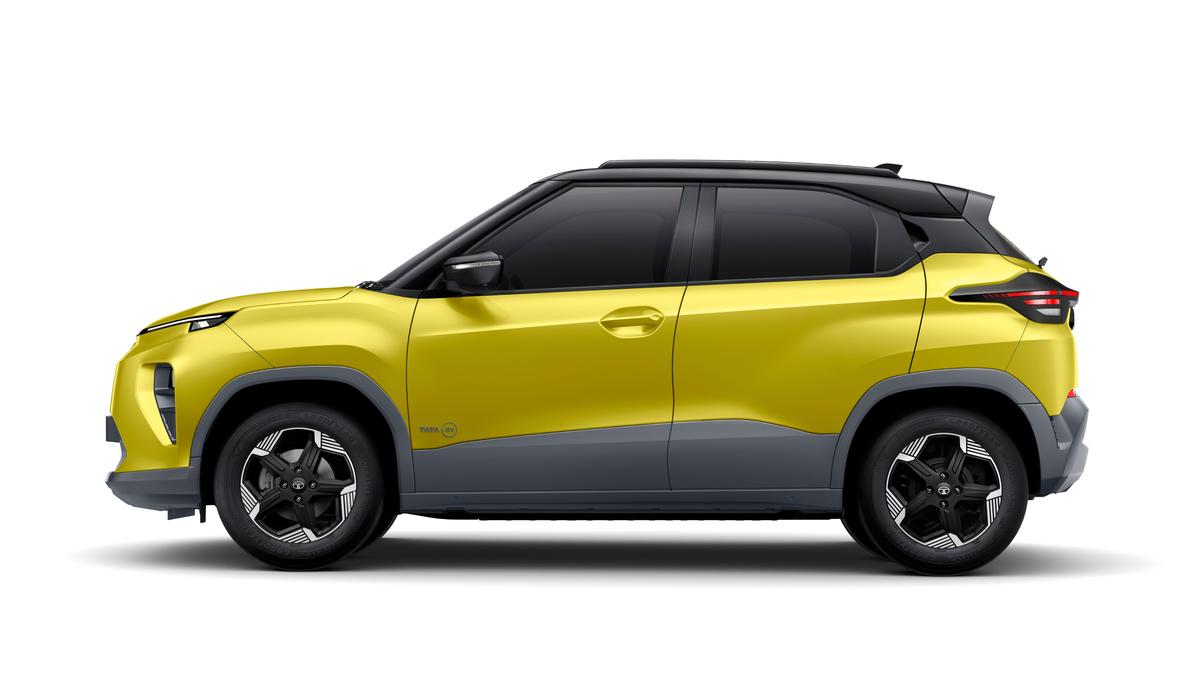
True to its SUV DNA, the Punch.ev maintains a 190 mm ground clearance (unladen) and an impressive 350 mm water-wading capability. The acti.ev platform also introduces a "Frunk" (front trunk) with 14 liters of storage, augmenting the 366-liter rear boot space.
Official Responses and Market Context
Tata Motors’ leadership has been vocal about the Punch.ev’s role in their "EV 2.0" strategy. Shailesh Chandra, Managing Director of Tata Motors Passenger Vehicles and Tata Passenger Electric Mobility, has emphasized that the Punch.ev is designed to eliminate "friction points" in EV ownership.
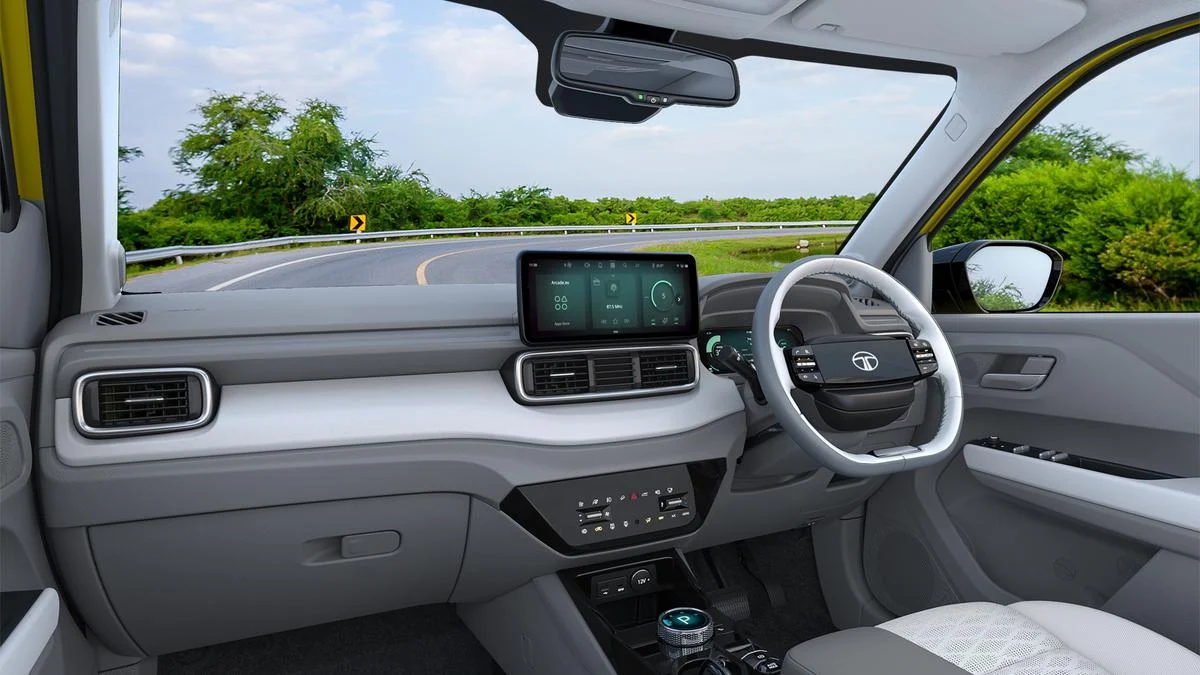
Industry analysts suggest that Tata’s decision to offer premium features—usually reserved for luxury segments—in the Punch.ev is a calculated move to disrupt the entry-level SUV market. Features such as ventilated front seats, a 360-degree surround-view camera, and a 10.25-inch high-definition infotainment system by Harman are designed to lure buyers away from mid-size ICE SUVs like the Hyundai Exter or the Maruti Suzuki Fronx.
The government’s response through the FAME (Faster Adoption and Manufacturing of Hybrid and Electric Vehicles) initiatives and various state-level subsidies has also played a crucial role. By pricing the Punch.ev competitively, Tata is positioning itself to take advantage of the narrowing Total Cost of Ownership (TCO) gap between petrol and electric vehicles.
Implications: The Future of the Indian EV Ecosystem
The arrival of the Tata Punch.ev has several far-reaching implications for the Indian automotive industry and the environment.
1. The Normalization of Electric Mobility
For years, EVs were viewed as "secondary" cars—reserved for short grocery runs or as a statement of environmental consciousness. The Punch.ev, with its robust build and 300+ km real-world range, challenges this notion. It is a viable "only car" for a nuclear urban family. Its ease of use and predictable throttle response make it an ideal transition vehicle for those moving away from manual transmission ICE cars.
2. Pressure on Infrastructure Development
As the Punch.ev and its siblings proliferate, the demand for public charging infrastructure will reach a breaking point. This is forcing a collaborative response from power companies (like Tata Power), oil marketing companies, and private startups to accelerate the deployment of charging plazas. The Punch.ev’s support for 65 kW charging sets a new standard for what entry-level EVs should expect from public chargers.
3. Safety Standards in the EV Segment
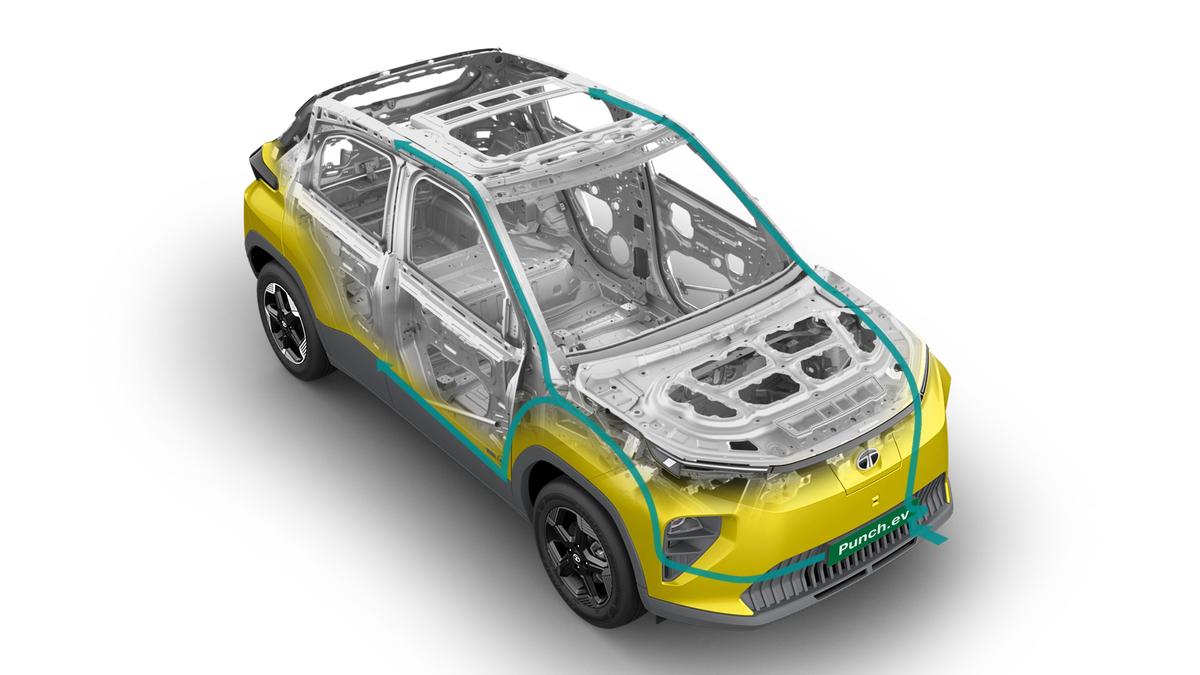
Tata Motors has successfully carried over its reputation for structural integrity to its EV line. The Punch.ev comes standard with six airbags, Electronic Stability Control (ESC), and ISOFIX child seat mounts. By proving that an affordable EV can also be a 5-star safety-rated vehicle, Tata is forcing other manufacturers to prioritize safety over cost-cutting in the budget segment.
4. Technological Trickle-Down
The acti.ev platform introduces software-over-the-air (SOTA) capabilities and a cloud-connected suite (ZConnect). This brings a level of technological sophistication to the ₹10-12 lakh segment that was previously unheard of. The integration of "Arcade.ev"—an app suite that allows users to stream videos or play games while the car is charging—redefines the car as a "third space" beyond the home and office.
5. Environmental Impact and Sustainability
On a macro level, the success of the Punch.ev contributes significantly to India’s goal of achieving 30% EV penetration by 2030. By targeting the high-volume "compact SUV" segment, Tata is effectively replacing thousands of tailpipe-emitting vehicles with zero-emission alternatives. Furthermore, the acti.ev platform’s focus on modularity means that battery recycling and second-life applications will be easier to implement in the future.
Conclusion: A Well-Judged Entry
The Tata Punch.ev does not attempt to reinvent the wheel. Instead, it perfects the existing formula of the urban SUV. It addresses the three pillars of EV adoption: Range, Price, and Perception.
While there is still room for improvement—specifically regarding the quality of interior plastics and the ergonomics of the high loading lip in the boot—the overall package is remarkably cohesive. It feels mature, planted, and "quietly confident." For the Indian consumer standing on the fence of the electric revolution, the Punch.ev provides a very compelling reason to finally make the switch. It is a car that fits into your life, rather than asking you to change your life to fit the car.
Technical Analysis provided by Motorscribes, in association with The Hindu. For more updates on the evolving EV landscape, follow @motorscribes on social media.
