

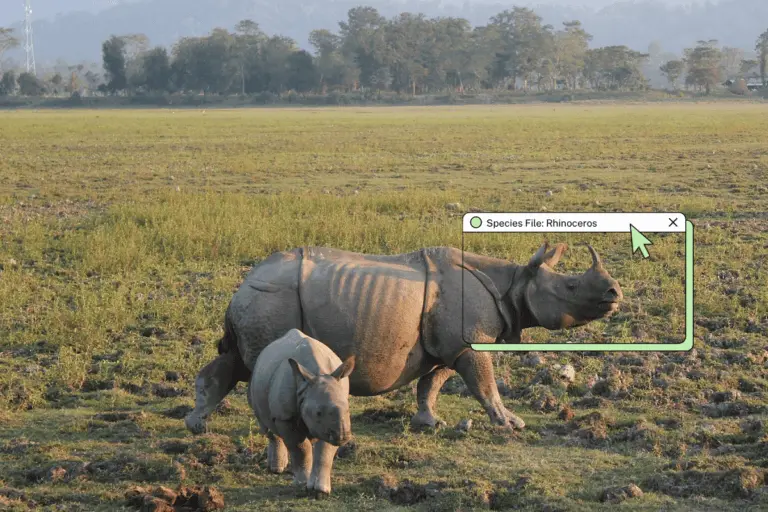
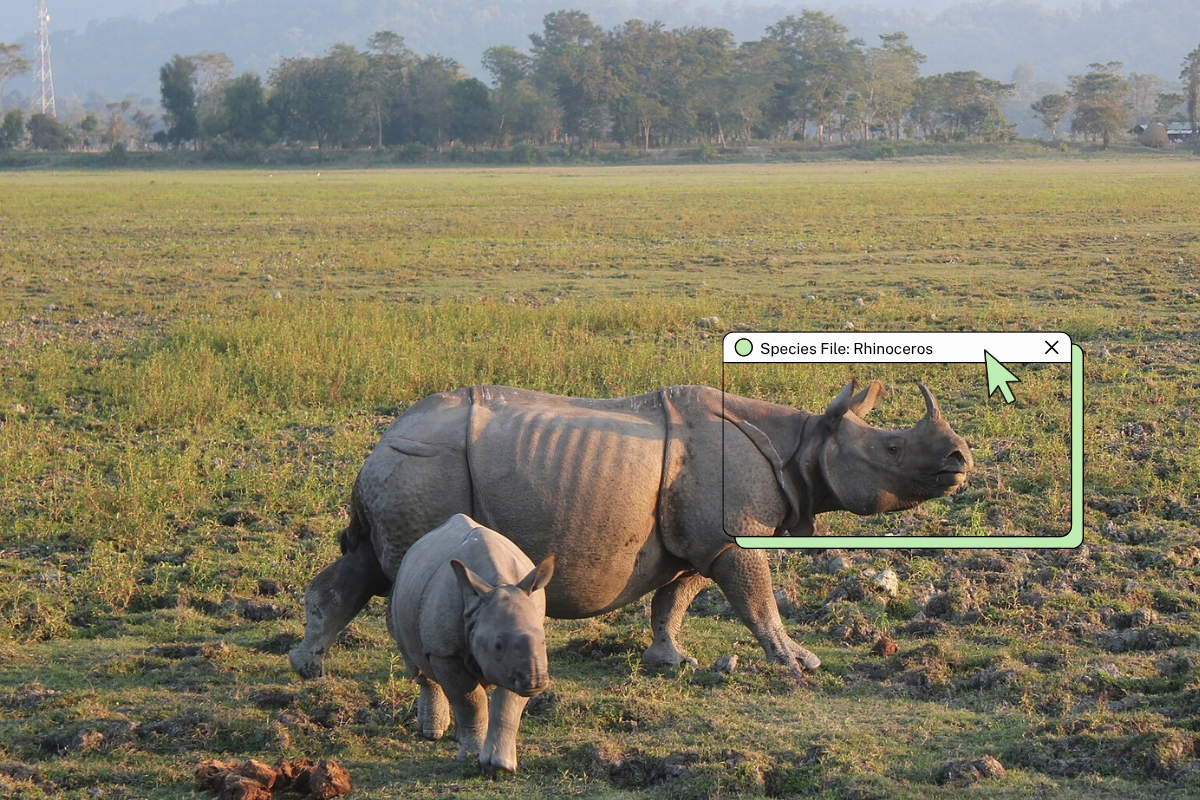
The resurgence of the greater one-horned rhinoceros (Rhinoceros unicornis) in Assam’s Manas National Park stands as one of the most significant conservation success stories in modern Indian history. Once driven to local extinction due to civil unrest and rampant poaching, the species has been painstakingly reintroduced through a combination of wild-to-wild translocations and dedicated rehabilitation programs. A recent comprehensive study on the re-established population has provided encouraging data, suggesting that the species is not only surviving but actively adapting and breeding in its ancestral home. However, as experts warn, the recovery remains "fragile," requiring sustained vigilance against old threats and emerging ecological challenges.
Main Facts: The Biology and Status of a Conservation Icon
The greater one-horned rhinoceros is a biological marvel, often referred to as India’s "wild unicorn." It is the largest of the three Asian rhino species and the second-largest living rhinoceros after the white rhino.
Physical Characteristics and Behavior
An adult male can weigh up to 2,700 kilograms (nearly three tons), standing roughly 6.5 feet tall at the shoulder. Its most striking feature is its single black horn, composed of keratin—the same protein found in human hair and fingernails—which typically grows to a length of 8 to 25 inches. Their grey-brown hide is characterized by thick, rivet-like skin folds that give the animal an "armor-plated" appearance.
Despite their massive bulk, these rhinos are surprisingly agile. they are excellent swimmers, capable of navigating the turbulent waters of the Brahmaputra floodplains. Their diet is primarily herbivorous, consisting of tall alluvial grasses, leaves, branches of shrubs, aquatic plants, and various fruits.
Current Global Standing
As of the most recent estimates, the global population of the greater one-horned rhinoceros stands at approximately 4,075 individuals. This population is restricted to fragmented pockets of grasslands in India and Nepal. While this number represents a significant increase from the early 20th century—when fewer than 200 individuals remained—the species remains categorized as "Vulnerable" on the IUCN Red List.
In India, the rhinoceros is afforded the highest level of legal protection under Schedule I of the Wildlife (Protection) Act, 1972. Internationally, it is listed under Appendix I of the Convention on International Trade in Endangered Species of Wild Fauna and Flora (CITES), which strictly prohibits any commercial international trade in the species or its parts.
Chronology: From Extinction to Reintroduction
The history of rhinos in Manas National Park is a tale of tragedy followed by a slow, methodical triumph.
The Era of Loss (1980s – 2000s)
During the late 1980s and throughout the 1990s, the Manas landscape—a UNESCO World Heritage site—was gripped by severe ethno-political unrest. The breakdown of administrative control led to a catastrophic spike in poaching and habitat destruction. By the early 2000s, the once-thriving rhino population in Manas had been completely wiped out. The park’s World Heritage status was subsequently downgraded to "in Danger."
The Birth of Indian Rhino Vision 2020 (IRV 2020)
In 2005, the Government of Assam, in partnership with the World Wide Fund for Nature (WWF), the International Rhino Foundation (IRF), and the U.S. Fish and Wildlife Service, launched "Indian Rhino Vision 2020." The ambitious goal was to increase the rhino population in Assam to 3,000 and distribute them across seven protected areas to insulate the species from localized catastrophes like disease or floods.
The Reintroduction Phase (2008 – Present)
The first translocations to Manas began in 2008. These were "wild-to-wild" movements, where rhinos were tranquilized in Kaziranga National Park and Pobitora Wildlife Sanctuary, then transported by truck to Manas.
Complementing these efforts was the work of the Centre for Wildlife Rehabilitation and Conservation (CWRC). Hand-reared calves, orphaned by floods or poaching in other parts of Assam, were rehabilitated and eventually released into Manas. Over the last 15 years, these combined efforts have successfully established a founder population that has now begun to reproduce naturally in the wild.
Supporting Data: Signs of a Thriving Population
A recent study titled "The recruitment pattern and inter-calving interval of the reintroduced greater one-horned rhinoceros population in Manas National Park" offers a deep dive into the health of this new population. The data suggests that the "Manas Experiment" is working.
Recruitment and Breeding Success
The study highlights that the reintroduced rhinos have successfully transitioned from "acclimatization" to "establishment." Recruitment—the process by which new individuals are added to the population through birth—has been steady. The researchers noted that the inter-calving interval (the time between successive births by the same female) in Manas is comparable to, and in some cases better than, the intervals observed in the crowded Kaziranga National Park. This indicates that the habitat in Manas provides high-quality nutrition and sufficient space, reducing the stress that often slows reproduction in overpopulated areas.
Adaptation to Habitat
The monitoring of these rhinos through radio-telemetry and camera trapping has shown that the animals are reclaiming their ecological niches. They are utilizing the "beels" (wetlands) and "chapories" (riverine islands) of Manas exactly as their ancestors did. The study confirms that the "rehabilitated" rhinos (those raised by humans) are successfully integrating with the "wild-to-wild" translocated rhinos, leading to a genetically diverse and socially stable population.
Official Responses: Guarded Optimism
While the numbers are encouraging, conservation officials and experts remain cautious. The memory of the 1990s serves as a reminder of how quickly decades of work can be undone.
Mudit Gupta, Landscape Lead for the Eastern Terai at WWF-India, emphasizes that the safety of the rhinos is dependent on constant human intervention. "Poaching remains a potential threat once rhinos are outside fenced protection," Gupta noted in a 2026 report. He highlighted that the current success is the result of "increased ground patrols, intelligence-led protection initiatives, ongoing radiotelemetry tracking of released rhinos, and close cooperation with enforcement agencies across borders."
The Assam Forest Department has also increased its focus on community-based conservation. Officials recognize that the long-term survival of the rhino depends on the support of the local Bodo communities living on the fringes of the park. By involving locals in eco-tourism and as "forest protectors," the department aims to create a socio-economic shield around the park.
Implications: The Fragile Future of the Grassland Giant
The return of the rhino to Manas has implications that extend far beyond a single species. Rhinos are "ecosystem engineers." By grazing on tall grasses, they maintain the height of the vegetation, which allows smaller herbivores like the hog deer and the endangered pygmy hog to thrive. Their dung serves as a vital fertilizer and a dispersal mechanism for various plant seeds.
However, several "fragile" elements could still derail this progress:
1. The Threat of Invasive Species
The grasslands of Manas are currently under siege by invasive plants such as Mimosa invisa and Chromolaena odorata. These weeds choke out the native grasses that rhinos rely on for food. If the habitat quality degrades, the recruitment rates observed in recent studies will inevitably drop.
2. Genetic Diversity
With a relatively small founder population, there is an ongoing risk of inbreeding. Conservationists are calling for continued "gene flow" management, which may involve further translocations from different source populations to ensure the Manas rhinos remain resilient to diseases.
3. Climate Change and Flooding
While Manas is higher in elevation than Kaziranga and less prone to the catastrophic annual flooding of the Brahmaputra, climate change is making weather patterns unpredictable. Extreme weather events could damage the delicate grassland-wetland mosaic that the rhinos require.
4. Transboundary Challenges
Manas National Park shares a border with the Royal Manas National Park in Bhutan. While this allows for a "transboundary landscape" that gives rhinos more room to roam, it also complicates anti-poaching efforts. Maintaining high-level diplomatic and logistical cooperation between India and Bhutan is essential for the security of the corridor.
Conclusion
The re-establishment of the greater one-horned rhinoceros in Manas National Park is a testament to what is possible when political will, scientific expertise, and community engagement align. The "wild unicorns" have returned to the foothills of the Himalayas, and the recent data on their breeding patterns offers a glimmer of hope for the species’ future.
Yet, the term "fragile recovery" serves as a necessary sobering thought. The rhino is a high-value target for international criminal syndicates, and its habitat is under constant pressure from a changing climate and invasive flora. The success in Manas is not a finish line, but rather a successful first chapter in a long-term commitment to rewilding India’s lost landscapes. For the rhinos of Manas, the path ahead is clear, but it must be walked with unceasing vigilance.
