


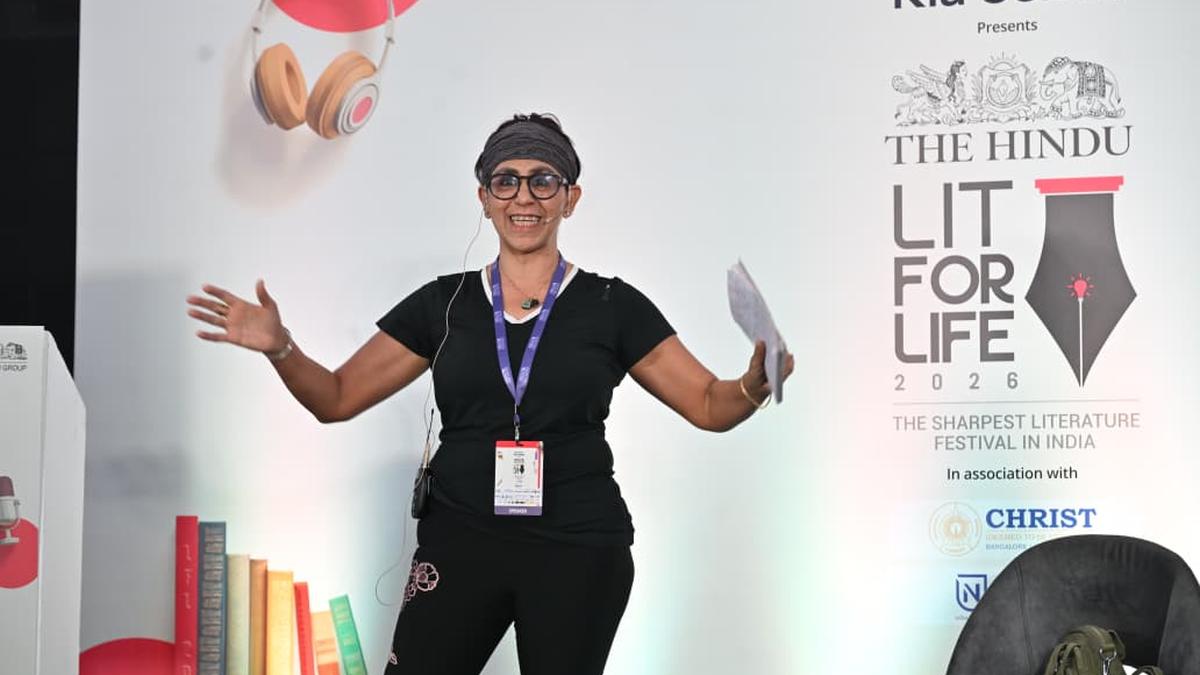
Chennai, India – January 18, 2026 – In an era where digital connectivity is as essential as the air we breathe, the pervasive influence of technology on our physical and mental health has become a growing concern. At the recent The Hindu Lit for Life 2026 event, fitness coach Priti Chawla delivered a compelling session titled "Are Your Gadgets Bringing You Down?: Back Health in the Workplace," shedding light on the often-overlooked repercussions of our screen-centric lifestyles and offering practical solutions to mitigate their adverse effects. The session, held on Sunday at The Hindu Showplace, underscored the urgent need for greater awareness and proactive measures to safeguard our well-being in the face of an increasingly digital world.
The Unseen Toll: A Decline in Physical Vitality
Ms. Chawla’s presentation painted a stark picture of how prolonged engagement with digital devices is systematically impacting our bodies. She highlighted a dramatic reduction in muscle activation, citing a staggering decrease of nearly 90% when individuals spend extended periods sitting in front of screens, compared to the natural engagement experienced while standing or walking. This sedentary posture, she explained, leads to a cascade of negative physiological responses.
"The human body is designed for movement," Ms. Chawla emphasized. "When we remain static for hours on end, our muscles essentially go into a state of dormancy. This lack of activation is not just a minor inconvenience; it’s a fundamental disruption of our natural biomechanics."
The consequences of this reduced muscle activity extend beyond mere inactivity. Ms. Chawla elaborated on how prolonged sitting contributes to joint stiffness, a direct result of the diminished range of motion. This immobility, coupled with slower blood circulation, can lead to uncomfortable and potentially harmful conditions such as swelling in the ankles. Furthermore, the diminished blood flow can have a detrimental impact on cognitive functions, affecting concentration and overall energy levels.
The Ergonomic Nightmare: Neck Strain and Spinal Vulnerability
A significant portion of Ms. Chawla’s discourse focused on the specific ergonomic challenges posed by common device usage. The ubiquitous act of tilting one’s head forward to gaze at phones or laptops was identified as a major contributor to neck strain. This seemingly minor posture places an excessive burden on the delicate neck muscles and nerves, leading to a disruption of the natural cervical curve – a vital component of a healthy spine.
"The forward head posture, often referred to as ‘text neck,’ is a silent epidemic," Ms. Chawla stated. "Each degree of forward head tilt exponentially increases the pressure on your cervical spine. Over time, this can lead to chronic pain, nerve impingement, and even structural changes in the neck."
The lumbar spine, the lower back region that bears a substantial portion of the body’s weight and acts as a shock absorber, is also rendered particularly vulnerable by prolonged sitting. Without regular movement, the intervertebral discs can become compressed, and the supporting muscles can weaken, increasing the risk of back pain and more serious spinal issues.
Practical Prescriptions: Reclaiming Our Posture and Health
Recognizing the inevitability of technology in our lives, Ms. Chawla shifted her focus to actionable strategies for mitigating these health risks. She provided a series of practical, easily implementable adjustments that individuals can incorporate into their daily routines, both at work and at home.
H2: Optimizing Workplace Ergonomics
- Foot Placement: Ensure feet are planted flat on the floor, providing a stable base of support.
- Hip and Knee Alignment: Maintain a 90-degree angle at the hips and knees. This promotes an upright posture and reduces pressure on the lower back.
- Lumbar Support: Utilize a cushion or a rolled towel to provide adequate support for the natural curve of the lower back. This is crucial for preventing strain and maintaining spinal alignment.
- Screen Height: Position screens at eye level. This is a fundamental principle that directly addresses the issue of forward head posture. Instead of bending your head down to the screen, the goal is to bring the screen up to meet your gaze. This simple adjustment significantly reduces stress on the neck and upper back.
H3: Enhancing Sleep Posture
Ms. Chawla also emphasized the importance of maintaining good posture even during sleep, as this is a critical period for bodily repair and recovery.
- Neutral Spine Alignment: Strive for a neutral spine position while sleeping.
- Pillow Support: Use pillows strategically. Placing a pillow under or between the knees can help maintain proper alignment of the hips and spine, especially for side sleepers.
Beyond the Office: Holistic Health in a Digital Age
The impact of prolonged sitting is not confined to the workplace. Ms. Chawla stressed that even individuals who diligently engage in regular exercise are not immune to the detrimental effects if they spend the majority of their day in a sedentary state. The benefits of a workout can be significantly undermined by hours of inactivity.

"The key is to integrate regular movement throughout the entire day, not just during dedicated exercise periods," she advised. "Our bodies are designed for intermittent activity. Building small bursts of movement into your workday is essential for preventing the accumulation of long-term pain and spinal strain."
The Power of Movement: A Simple Yet Profound Solution
The session concluded with a powerful and memorable message from Ms. Chawla: "Movement is medicine." She reiterated that even minor adjustments can yield significant positive outcomes. The human body possesses remarkable adaptability, and when given the opportunity, it can quickly respond and heal.
"The principle is simple: bring the screen up to eye level, do not bring your head down to the screen," she urged the audience. "This one change, when consistently applied, can have a profound impact on your overall well-being. Prioritize movement, even in small doses, and your body will thank you for it."
The session served as a timely reminder that in our pursuit of technological advancement and convenience, we must not compromise our fundamental health. By adopting a more mindful approach to our digital interactions and incorporating regular movement into our lives, we can effectively combat the silent scourge of gadget-induced ailments and pave the way for a healthier, more vibrant future.
The Hindu Lit For Life is presented by The all-new Kia Seltos. In association with: Christ University and NITTE, Associate Partners: Orchids- The International School, Hindustan Group of Institutions, State Bank of India, IndianOil, Indian Overseas Bank, New India Assurance, Akshayakalpa, United India Insurance, ICFAI Group, Chennai Port Authority and Kamarajar Port Limited, Vajiram & Sons, Life Insurance Corporation of India, Mahindra University, Realty Partner: Casagrand, Education Partner: SSVM Institutions, State Partner: Government of Sikkim & Uttarakhand Government.
Official Timekeeping Partner: Citizen, Regional Partner: DBS Bank India Ltd, Tourism Partner: Bihar Tourism, Bookstore Partner: Crossword and Water Partner: Repute Radio partner: Big FM.
