

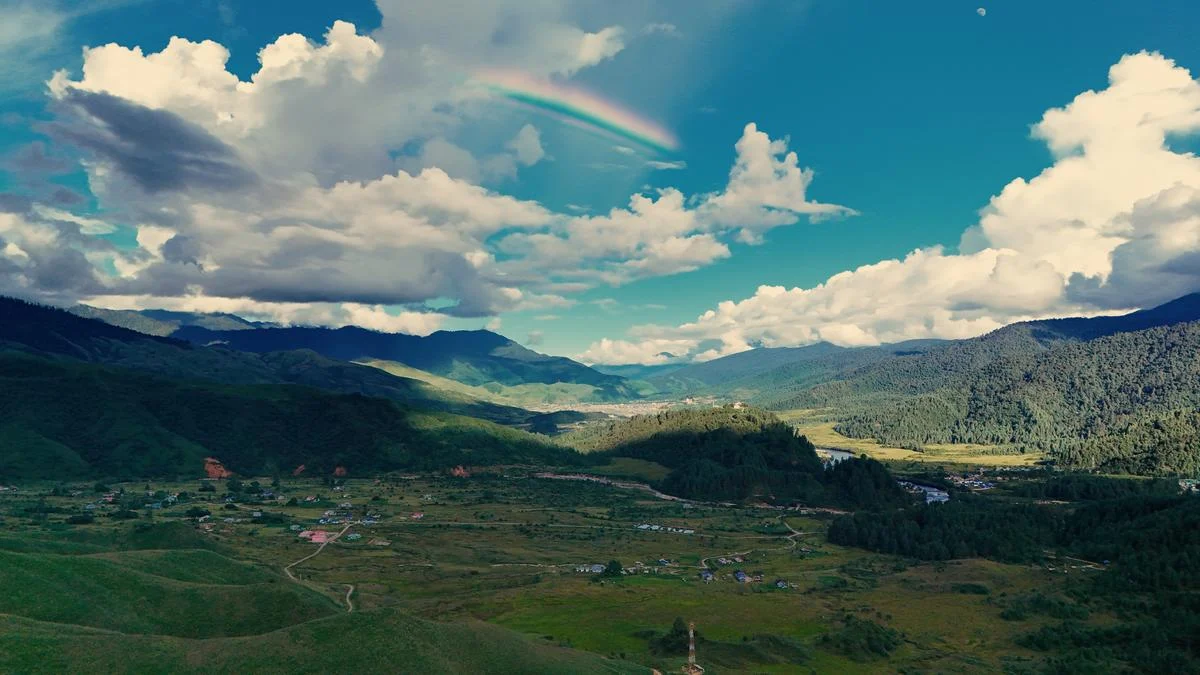
The misty valleys of Mechuka, often referred to as the "Switzerland of the East," recently served as the backdrop for a significant shift in India’s adventure tourism landscape. Nestled in the Shi-Yomi district of Arunachal Pradesh, near the border with Tibet, the crystalline waters of the Yargyap Chu River played host to the second edition of the Mechuka Trout Quest. This international angling championship is not merely a competition; it is the spearhead of a state-sanctioned movement to position Arunachal Pradesh as a premier destination for high-value, low-impact eco-tourism.
As sport fishing gains traction across the Indian subcontinent, the success of the Mechuka event highlights a growing synergy between environmental conservation, local entrepreneurship, and global sporting standards. From the personal journey of local guides to the strategic visions of state ministers, the narrative of angling in the Eastern Himalayas is evolving from a colonial legacy into a modern economic engine.
Main Facts: The Mechuka Trout Quest and the Rise of Indian Angling
The second edition of the Mechuka Trout Quest, held between July 25 and 26, 2024, brought together 56 elite competitors from across the globe. Organized by the Arunachal Pradesh Department of Tourism, the event focused on the "catch-and-release" philosophy, a cornerstone of sustainable sport fishing. Among the participants were luminaries such as Bobby Satpal, one of India’s most respected fly anglers, and Tup Meesupwatana, a renowned professional angler and content creator from Thailand.
The primary objective of the tournament is to showcase the state’s potential for "niche tourism." Unlike mass tourism, which often strains local infrastructure and ecosystems, angling attracts a specific demographic: dedicated enthusiasts who prioritize pristine environments over luxury accommodations. For Arunachal Pradesh, a state characterized by its ecological fragility and mountainous terrain, this model offers a sustainable path to economic growth.
The event focused specifically on trout—both brown and rainbow—species that thrive in the cold, oxygen-rich waters of the high-altitude rivers. These fish, though not indigenous, have become a focal point for the state’s fisheries department, which views trout farming and angling as dual pillars for rural development.
Chronology: From Bamboo Poles to International Tournaments
The evolution of angling in Arunachal Pradesh can be traced through the life of Neega Ngurang, a local sports angler, river guide, and content creator. His journey mirrors the broader transition of fishing in the region.
The Formative Years (Pre-2013)
As a child in Sagalee, near the state capital of Itanagar, Ngurang practiced what he calls "local style" fishing. This involved a rudimentary bamboo pole, a single monoline, and one hook. For generations, this was the standard in the Northeast—fishing was primarily a means of sustenance, a traditional practice deeply tied to the daily lives of the indigenous tribes.

The Digital Spark (2013–2015)
The transition to "sport fishing" began with the influx of global media. In 2013, Ngurang saw a spinning rod on television, an encounter that fundamentally changed his perspective. He spent the next two years self-training in the rivers surrounding his home, moving away from sustenance fishing toward the technical art of angling.
Professionalization and Competition (2016–Present)
By 2016, Ngurang had adopted the catch-and-release technique, a practice that defines sport fishing as distinct from commercial or sustenance fishing. He began participating in regional competitions, eventually launching "Neega Fishing Adventures," a YouTube channel dedicated to educating the public about the sport. This period coincided with the state government’s realization that the pristine rivers of the North, once overlooked, were world-class assets for the global angling community.
The Institutionalization of the Sport (2022–2024)
The Mechuka Trout Quest was born from a collaboration between passionate local anglers and international experts. Dr. Gebu Sona, a physician from Tato and an avid angler, reached out to Derek Dsouza, the India representative of the International Game Fishing Association (IGFA). This partnership led to the formalization of the tournament, ensuring it met international standards for fairness and environmental protection.
Supporting Data: The Economics and Logistics of the Sport
Sport fishing is frequently compared to golf—not just because of the patience required, but because of the significant economic activity it generates. The "Mechuka Trout Quest" serves as a case study for the financial impact of adventure sports on remote regions.
The Cost of Entry
According to Tournament Director Derek Dsouza, the financial commitment for an angler can vary wildly:
- Starter Kits: Unbranded kits begin at approximately ₹3,000, while entry-level branded equipment starts at ₹5,000.
- Professional Gear: Specialized fly-fishing kits can cost several lakhs of rupees.
- Operational Costs: Lures range from ₹250 to ₹800. Fishing licenses are tiered, costing roughly ₹1,500 for Indian nationals and ₹3,000 for foreigners for river access.
The Tourist Spend
An angler traveling to Arunachal from outside the state typically spends between ₹20,000 and ₹50,000 on travel, food, and local homestays, excluding registration fees (which range from ₹500 to ₹15,000). For international anglers, the expenditure can rise to between ₹2 lakh and ₹5 lakh. Unlike the typical tourist, this money flows directly into the local economy through "homestays" rather than large hotel chains.
Logistics of the Region
Mechuka’s remoteness is part of its charm, but it presents logistical challenges. The nearest airport is in Dibrugarh, Assam, followed by a 370 km road journey. Alternatively, a twice-weekly chopper service operates from Itanagar. Despite these hurdles, the demand remains high, with participants from as far as Bhutan and Jammu & Kashmir making the trek.

Official Responses: Government Strategy and Environmental Stewardship
The Arunachal Pradesh government is clear in its mandate: tourism must not come at the cost of the environment. This "niche tourism" philosophy is championed by the state’s top officials.
Pasang Dorjee Sona, Tourism Minister and local MLA:
Minister Sona emphasizes that the state is "endowed by Nature" and does not require large-scale industrial development to attract visitors. "We want to have niche tourism only," Sona stated. "The landscape is already there. We are targeting adventure seekers—the people who respect the land they visit." He noted that the government is now focusing on building infrastructure specifically for kayaking, mountain biking, and angling.
Gabriel Denwang, Fisheries Minister:
Minister Denwang highlights the biological potential of the region. "Mechuka is one of the few places in Arunachal where we have trout. The climatic conditions are conducive because it is a cold-water fish," he explained. The state plans to invest heavily in trout farming, not just for export, but to ensure that the rivers remain well-stocked for the angling community, thereby boosting the local "trout tourism" economy.
Derek Dsouza, IGFA Representative:
Dsouza argues that anglers are the best stewards of the river. "Anglers don’t need expensive accommodation; they need a pristine river. Because they value the catch-and-release philosophy, they are the first to report pollution or illegal netting. They are largely responsible tourists who ensure they keep their surroundings clean."
Implications: The Future of High-Altitude Eco-Tourism
The success of the Mechuka Trout Quest has implications that reach far beyond the borders of Arunachal Pradesh. It represents a viable model for the entire Himalayan belt.
1. Environmental Preservation through Valuation
By turning a live trout into a valuable "sporting asset" rather than just a "food source," the state creates a financial incentive for local communities to protect their rivers. When a local guide can earn more leading a catch-and-release trip than by netting a fish for the market, the ecosystem wins.
2. Women in Adventure Sports
The participation of Nasreen Sultana Naaz, a Gauhati-based indie rock musician and the sole female angler at the event, signals a shift in the sport’s demographics. Her presence highlights the growing appeal of angling as a wellness and travel activity, breaking the traditional "boys’ club" image of the sport in India.

3. Strengthening International Ties
The presence of Bhutanese winner Sonam Tshering and Thai angler Tup Meesupwatana suggests that Arunachal is becoming a hub for soft diplomacy. Shared interests in Himalayan ecology and sporting standards are fostering closer ties between India and its neighbors.
4. Sustainable Economic Decentralization
By focusing on homestays in villages like Dorjeeling and Mae, the government ensures that tourism revenue is decentralized. This prevents the "over-tourism" seen in places like Shimla or Manali, keeping the cultural fabric of the Memba and Adis people intact while providing them with modern income streams.
Conclusion: A New Horizon for the Eastern Himalayas
As the sun sets over the Yargyap Chu, the image of Sonam Tshering gently releasing a tawny, speckled brown trout back into the water serves as a metaphor for the future of Arunachal Pradesh. The state is betting on a future where "less is more"—where fewer tourists paying higher premiums for authentic, raw experiences lead to better outcomes for both the economy and the environment.
With the government’s commitment to infrastructure and the local community’s growing expertise, Mechuka is on a trajectory to become one of the premier trout destinations in the world. For the "addicted" anglers like Neega Ngurang, the journey that began with a bamboo pole has now opened a gateway for the world to witness the untouched beauty of the "Land of the Rising Sun."
