

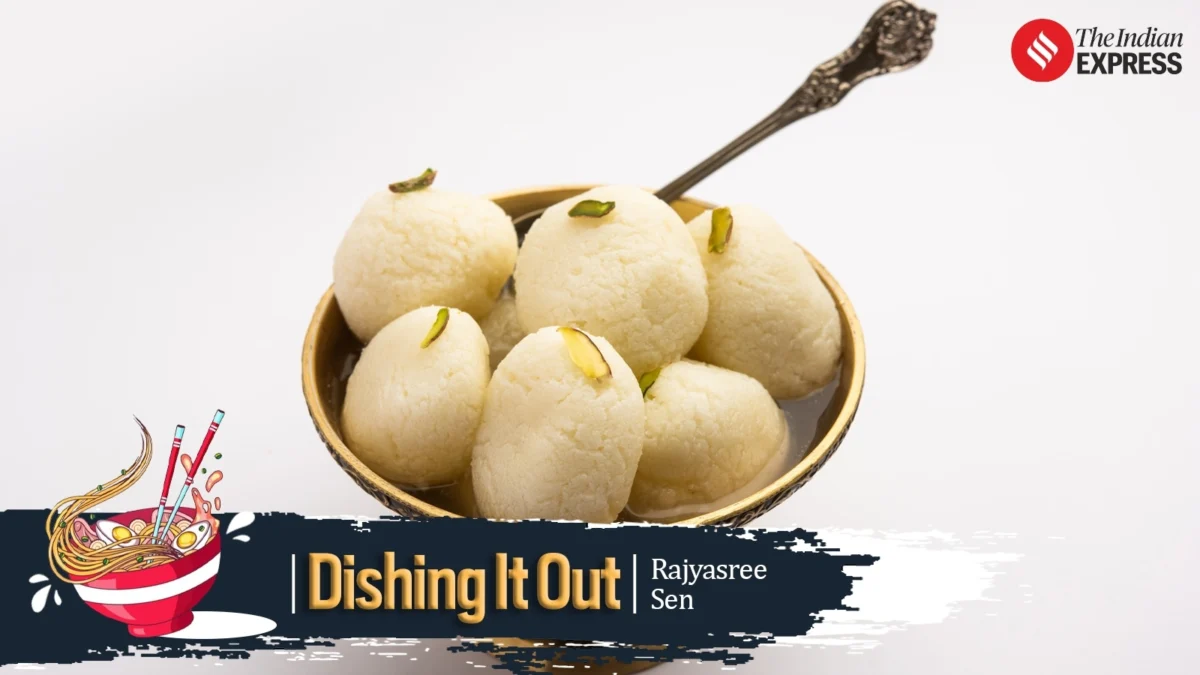
For decades, the culinary discourse of Eastern India has been dominated by the heavyweights of Bengali gastronomy. Known for its intricate fish curries, subtle use of spices, and a vast repertoire of sweets, Bengali food has long enjoyed a global spotlight. However, a quieter, more rustic, yet equally profound culinary tradition has been simmering in the neighboring state of Odisha. Often overshadowed by the "Rasgulla wars"—a spirited debate over the origin of the iconic syrup-soaked cheese ball—Odia cuisine is finally stepping out of the shadows.
While the debate over the GI (Geographical Indication) tag for the Rasgulla may have sparked headlines, the true essence of Odia food lies in its simplicity, its reverence for seasonal produce, and a secret arsenal of ingredients that provide a distinct flavor profile. From the coastal bounty of Chilika Lake to the temple kitchens of Puri, Odia cuisine offers a masterclass in balancing tartness, heat, and the natural sweetness of fresh ingredients.
Main Facts: A Shared Heritage with a Distinct Identity
Odia and Bengali cuisines share a significant amount of "culinary DNA." Both rely heavily on rice as a staple, both celebrate the abundance of freshwater and sea fish, and both utilize Panch Phoron—a quintessential five-spice blend consisting of fenugreek, nigella seed, cumin, black mustard seed, and fennel seed.
However, where Bengali cuisine often leans toward a more "nuanced" or "sophisticated" profile—frequently eschewing onion and garlic in its more traditional, aristocratic bonedi bari iterations—Odia cuisine is celebrated for its "soulful" and "rustic" character. It is a cuisine that does not seek to mask the flavor of the produce with heavy gravies but rather uses minimal intervention to let the ingredients shine.
A defining characteristic of Odia food is its use of souring agents. While Bengal often uses tomatoes or yogurt, Odisha relies on a unique ingredient known as Ambula—sun-dried raw mangoes salted to perfection. This ingredient provides a concentrated, salty-tart punch that is reminiscent of the Kokum used in Goan and Konkani cooking, yet it possesses a sharp, sun-baked intensity that is uniquely Eastern.
Chronology: The Historical Symbiosis of Odia and Bengali Kitchens
The relationship between the two cuisines is not merely geographic; it is deeply historical. For over a century, a common truism in Bengali households was that the finest cooks hailed from Odisha.
The Era of the Odia ‘Brahmin’ Cook
During the late 19th and early 20th centuries, a significant migration occurred. Many men from Odisha, particularly from the priestly castes, migrated to the burgeoning metropolis of Calcutta (now Kolkata) to work as domestic cooks in affluent Bengali households. These cooks became the custodians of Bengali culinary secrets, mastering the complex fish kalia and delicate vegetable shukto.
However, they also subtly infused their own techniques into these kitchens. The reliance on mustard oil, the specific tempering of lentils, and the precision of vegetable chopping often carried an Odia touch. This cross-pollination created a symbiotic relationship where the "best" Bengali food was often, ironically, prepared by Odia hands.
The Temple Influence
The chronological development of Odia food cannot be discussed without mentioning the Jagannath Temple in Puri. For centuries, the Mahaprasad (the 56 varieties of food offered to the deity) has dictated the culinary standards of the region. This temple food is prepared without the use of "foreign" vegetables like potatoes, tomatoes, or green chilies, relying instead on indigenous gourds, tubers, and black pepper. This ancient tradition has preserved a "pure" form of cooking that continues to influence modern Odia home kitchens.
Supporting Data: The Anatomy of Odia Flavors
To understand why Odia cuisine is increasingly viewed as a rival to its more famous neighbor, one must look at its specific flavor profiles and techniques.
The Ambula Factor
Ambula is more than just a souring agent; it is a preservative and a flavor enhancer. The process involves slicing raw green mangoes, coating them in salt, and drying them under the scorching sun until they become shriveled and dark.
- Dahi Ambula: A sophisticated raita where rehydrated Ambula is mixed with whisked yogurt and tempered with mustard seeds and curry leaves.
- Ambula Khata: A sweet-and-sour chutney that serves as a palate cleanser, balancing the heat of a main meal with its intense acidity.
The Mustard Matrix: Machha Besara vs. Shorshe Maach
While both states love mustard fish, the preparation differs significantly. The Bengali Shorshe Maach typically uses a paste of yellow and black mustard seeds. In contrast, the Odia Machha Besara incorporates a more robust paste made of mustard seeds, garlic, and dried red chilies. The addition of Ambula to this gravy provides a tartness that cuts through the pungency of the mustard, creating a more balanced, multi-dimensional flavor.
The Fermented Staple: Pakhala Bhaat
While Bengal has its Panta Bhaat, the Odia Pakhala is a cultural institution. It is fermented rice soaked in water, often seasoned with curd, ginger, and roasted cumin. Data from nutritional studies suggest that Pakhala is not only cooling for the tropical climate but also rich in probiotics, making it a functional food that predates modern health trends.
Official Responses and Expert Opinions: The Chef’s Perspective
Anasuya Mohanty Chatterjee, a prominent Gurgaon-based home chef and a vocal advocate for Odia gastronomy, emphasizes that the cuisine is defined by its lack of "excess."
"Odia food has been under the radar because it is quiet and deeply rooted in balance," Mohanty Chatterjee explains. "I grew up eating classics like Dalma—a nutritious mix of lentils and vegetables—and Chhenchera, which utilizes the entire fish head along with Malabar spinach and vegetables. It is a zero-waste, sustainable way of eating that we are only now starting to value globally."
When asked to weigh in on the perennial "which is better" debate, Mohanty Chatterjee takes a diplomatic, yet insightful stance. "The cuisines are similar yet distinct. While some Bengali dishes may offer more nuance or finesse due to their historical evolution in urban centers, Odia food offers a rustic, inventive character that is full of heart. Dishes like Muri Mangsa (puffed rice with mutton curry) show a level of creativity that is truly unique to the region."
She points out that while Dahi Bara Alu Dom (lentil dumplings in yogurt served with potato curry) has recently gained street-food fame across India, other staples like Santula (a light vegetable stir-fry) remain underrated gems that represent the "nourishing" side of Indian home cooking.
Implications: The Regional Renaissance in Indian Gastronomy
The rising profile of Odia cuisine signifies a broader shift in the Indian culinary landscape. For decades, "Indian food" was internationally synonymous with North Indian Mughlai cuisine. Later, South Indian and Bengali foods found their niche. Today, we are witnessing a "Regional Renaissance" where the specificities of sub-regional cuisines are being celebrated.
1. Gastronomy Tourism
The recognition of Odia food is likely to bolster tourism in the Eastern belt. From the "Sweet Trail" of Pahala (famous for its rasgullas) to the seafood hubs of Puri and Konark, Odisha is positioning itself as a destination for epicurean travelers.
2. Sustainability and Health
As global food trends shift toward plant-based diets and gut health, Odia cuisine stands as a ready-made solution. Its reliance on steamed vegetables (Seeja), fermented rice (Pakhala), and protein-rich lentils (Dalma) aligns perfectly with modern wellness goals.
3. Cultural Identity and Pride
The "Rasgulla War" was never really about a sweet; it was about cultural visibility. By articulating the unique elements of their cuisine—like the Ambula or the Besara—Odians are reclaiming their space in the national narrative.
4. The Future of Fusion
As chefs across India’s metropolitan "club culture" and fine-dining scenes look for new inspirations, the "secret ingredients" of Odisha are beginning to appear on high-end menus. The use of Ambula as a substitute for balsamic vinegar or citrus in modern fusion dishes is a testament to its versatility.
Conclusion
The debate over whether Odia cuisine is "better" than Bengali cuisine is, ultimately, a matter of personal palate. However, the enrichment of the culinary conversation to include the depths of Odisha is a win for food lovers everywhere. By moving beyond the Rasgulla war and exploring the sun-dried tartness of Ambula or the soul-warming comfort of Dalma, we discover a cuisine that is not just a neighbor to Bengal, but a formidable peer.
For the traveler and the gourmand alike, a journey through Eastern India—from the sophisticated kitchens of Kolkata to the rustic, sun-drenched hearths of Odisha—offers a complete spectrum of flavors. It is a reminder that in the world of gastronomy, simplicity is often the ultimate sophistication.
