

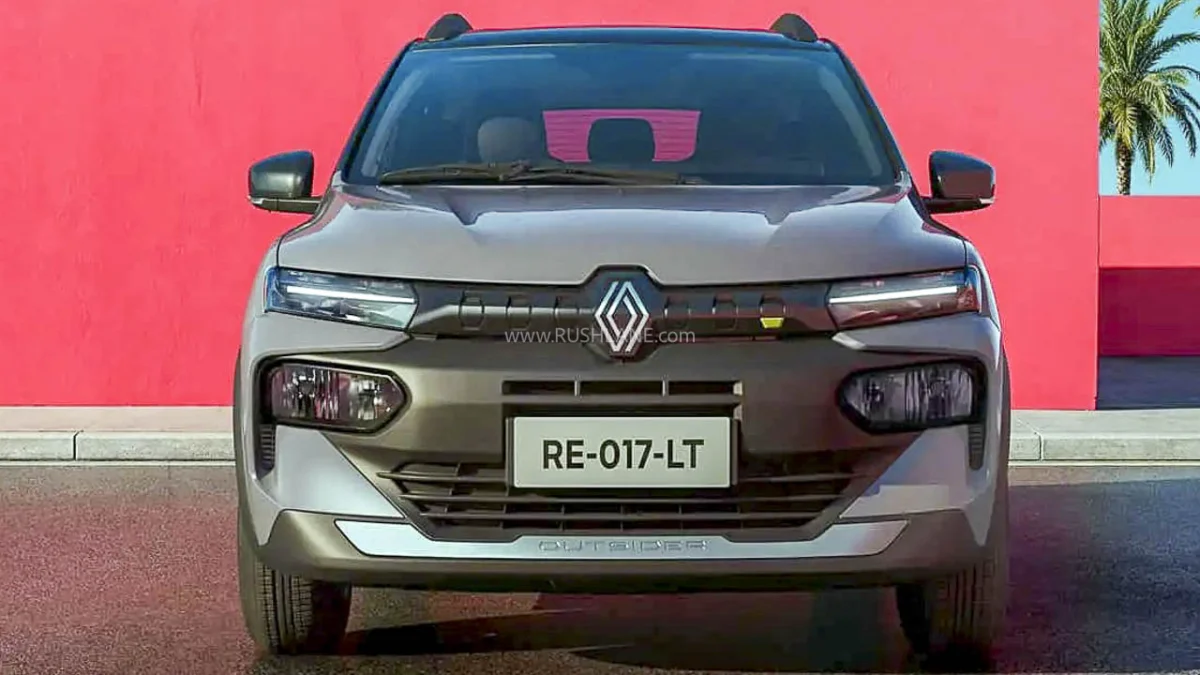
The entry-level hatchback segment, often considered the entry point for millions of first-time car buyers in emerging markets, is witnessing a significant technological leap. Leading this charge is Renault, which has officially unveiled the updated 2027 Kwid in Brazil. Arriving just days after the vehicle was spotted testing undisguised, this second major facelift for the current-generation Kwid marks a strategic pivot for the French automaker. While the exterior revisions remain relatively measured, the cabin has undergone a radical transformation, signaling Renault’s intent to redefine what a "budget car" can offer in terms of connectivity and perceived quality.

Main Facts: The 2027 Refresh at a Glance
The 2027 Renault Kwid is not a new generation, but rather a sophisticated evolution of the CMF-A platform-based hatchback. The update is characterized by three primary pillars: a modernized front-end aesthetic, a class-leading interior tech suite, and a reinforced safety package.

Key highlights of the 2027 model include:

- A Digital-First Interior: The introduction of a 10.1-inch touchscreen infotainment system paired with a 7-inch TFT digital instrument cluster.
- Aesthetic Refinement: A redesigned front bumper, gloss black grille elements, and new lighting signatures.
- Variants and Pricing: Three distinct trims—Evolution, Techno, and Outsider—with prices starting from BRL 71,090 (approximately Rs 13.19 lakh).
- Mechanical Continuity: Retention of the reliable 1.0-litre SCe flex-fuel engine, optimized for the Brazilian market’s unique fuel requirements.
Chronology: The Kwid’s Journey from 2015 to 2027
To understand the significance of the 2027 facelift, one must look at the Kwid’s decade-long trajectory. Originally conceptualized with a heavy focus on the Indian market, the Kwid was designed to disrupt the dominance of established players like Maruti Suzuki by offering SUV-inspired styling in a micro-hatchback footprint.

- 2015: Renault launches the Kwid in India, built on the CMF-A architecture. It becomes an instant success due to its high ground clearance and "baby Duster" looks.
- 2017: The Kwid makes its debut in Brazil. Renault adapts the car for Latin American safety standards, adding structural reinforcements and extra airbags.
- 2019: The first major facelift is introduced, featuring the iconic split-headlamp design and a more rugged appearance.
- 2022-2024: The model continues to dominate sales charts in Brazil, crossing the 5-lakh unit sales milestone. Production at the Ayrton Senna manufacturing complex in São José dos Pinhais surpasses 8 lakh units, including exports to other Latin American nations.
- Late 2024 (Model Year 2027): Renault launches the second major facelift in Brazil, focusing on interior premiumization to combat newer, more tech-savvy competitors.
Deep Dive: Design and Exterior Enhancements
While the overall silhouette of the Kwid remains familiar, the 2027 model adopts Renault’s latest global design language. The front fascia is the focal point of the exterior update. A new bumper features sharper, more aggressive lines that give the car a wider stance. The grille has been treated with a gloss black finish, housing the updated Renault "Nouvel’R" logo identity.

Standardization of features is a key theme for this model year. LED daytime running lights (DRLs) and a shark-fin antenna—previously reserved for higher trims or accessory packs—are now standard across the entire range. At the rear, the changes are more nuanced but effective. The tail lamps now feature transparent lenses with black internal housing, providing a "smoked" look that is currently trending in automotive design. A practical touch is the repositioning of the reversing camera, which is now neatly integrated into the center of the Renault diamond logo.

The top-tier Outsider variant continues to cater to those seeking a more adventurous look. It distinguishes itself with:

- A dual-tone roof finish.
- New side graphics and protective body cladding.
- Exclusive 14-inch diamond-cut alloy wheels.
The Cabin Revolution: A New Benchmark for the Segment
The most dramatic changes are found within the cabin. Historically, the Kwid’s interior was functional but basic. The 2027 model seeks to shed this image entirely. The dashboard has been completely redesigned to accommodate a "dual-screen" setup that is rare in this price bracket.

Infotainment and Connectivity
The centerpiece is a new 10.1-inch "Media Evolution" touchscreen infotainment system. This unit isn’t just larger; it’s smarter, supporting wireless Apple CarPlay and Android Auto. Positioned directly adjacent to it is a 7-inch TFT digital instrument cluster, providing the driver with clear, customizable data regarding speed, fuel consumption, and vehicle health.

Ergonomics and Materials
Renault has addressed several ergonomic complaints from previous versions. The 2027 Kwid gains a new multifunction steering wheel, two USB Type-C ports for faster charging, and electrically adjustable ORVMs (Outside Rear View Mirrors). While the use of hard plastics remains necessary to keep costs low, Renault has introduced new textures and upholstery patterns to improve the tactile experience.

- Techno Variant: Features a vibrant blue fabric upholstery.
- Outsider Variant: Utilizes a mix of fabric and high-quality synthetic materials for a more premium, rugged feel.
Supporting Data: Engineering, Performance, and Safety
Under the hood, Renault has opted for "if it ain’t broke, don’t fix it." The 2027 Kwid continues to utilize the 1.0-litre, three-cylinder SCe (Smart Control Efficiency) engine. In Brazil, this is a flex-fuel unit capable of running on both ethanol and petrol.

Performance Figures:
- Ethanol (Flex-Fuel): 71 hp and 98 Nm of torque.
- Petrol: 68 hp and 92 Nm of torque.
- Transmission: 5-speed manual gearbox (standard).
Efficiency and Utility:
Despite the added tech, the Kwid remains a lightweight champion, which translates directly to fuel efficiency. Under Brazilian testing standards, the car achieves:

- City: 14.4 km/l (Petrol).
- Highway: Up to 15.4 km/l (Petrol).
- Cargo Capacity: 290 litres, expandable to 1,100 litres with the rear seats folded, maintaining its status as one of the most practical cars in its class.
Safety as a Standard:
Renault has significantly bolstered the safety equipment for the 2027 model. Even the base Evolution variant comes equipped with:

- Four airbags (front and side).
- Electronic Stability Control (ESC) and Traction Control.
- Hill-Start Assist (HSA).
- Tyre Pressure Monitoring System (TPMS).
- Rear parking sensors.
Official Positioning and Pricing
Renault Brazil has structured the 2027 Kwid into three distinct tiers to maximize market coverage.

- Evolution (BRL 71,090 / ~Rs 13.19 lakh): The entry point, focusing on safety and essential comfort (Air conditioning, power steering, and the full safety suite).
- Techno (BRL 75,990 / ~Rs 14.10 lakh): The "value" choice, adding the 10.1-inch screen, digital cluster, and stylistic upgrades.
- Outsider (BRL 84,890 / ~Rs 15.75 lakh): The flagship, featuring the alloy wheels, dual-tone paint, and rugged styling bits.
(Note: Currency conversions are approximate and reflect market exchange rates at the time of launch.)

Implications: What Does This Mean for the Indian Market?
The launch of the 2027 Kwid in Brazil has sparked intense speculation regarding Renault’s plans for India. The Kwid was originally a "born in India" project, and the country remains a vital hub for Renault’s global small-car strategy.

The Need for a Refresh
In India, the Kwid faces stiff competition from the Maruti Suzuki Alto K10 and S-Presso. While the Kwid’s design still holds up, its interior tech has begun to feel dated compared to the rapidly evolving expectations of Indian buyers who now prioritize screens and connectivity even in budget segments.

The "Futuready" Strategy
Renault India is currently embarking on its "Futuready" strategy, which involves launching several new models, including the highly anticipated next-generation Duster and a 7-seater based on the Bigster concept. Introducing the 2027 Kwid facelift in India could serve two purposes:

- Premiumization of the Entry Segment: By bringing the 10.1-inch screen and digital cluster, Renault could position the Kwid as a more premium alternative to its rivals.
- Brand Synergy: Aligning the Kwid’s interior with the upcoming Duster would create a cohesive brand experience across the Renault showroom floor.
Market Challenges
However, the Indian market is highly price-sensitive. The Brazilian Kwid’s price point (starting at over Rs 13 lakh) is significantly higher than the Indian Kwid (which starts under Rs 5 lakh). This price gap is due to Brazil’s different taxation, safety mandates, and flex-fuel technology. For India, Renault would need to localize these interior upgrades heavily to keep the car competitive in the sub-Rs 6 lakh bracket.

Conclusion: A Small Car with Big Ambitions
The 2027 Renault Kwid facelift is a testament to the enduring relevance of the CMF-A platform. By focusing on the "digital cockpit" experience, Renault is acknowledging that even budget-conscious buyers desire modern technology. Whether this specific facelift reaches Indian shores remains unconfirmed, but it sets a clear benchmark for the direction Renault is taking: a future where "entry-level" no longer means "feature-stripped." As the automotive world moves toward electrification and high-end autonomy, the 2027 Kwid proves there is still plenty of room for innovation in the humble internal combustion hatchback.
