

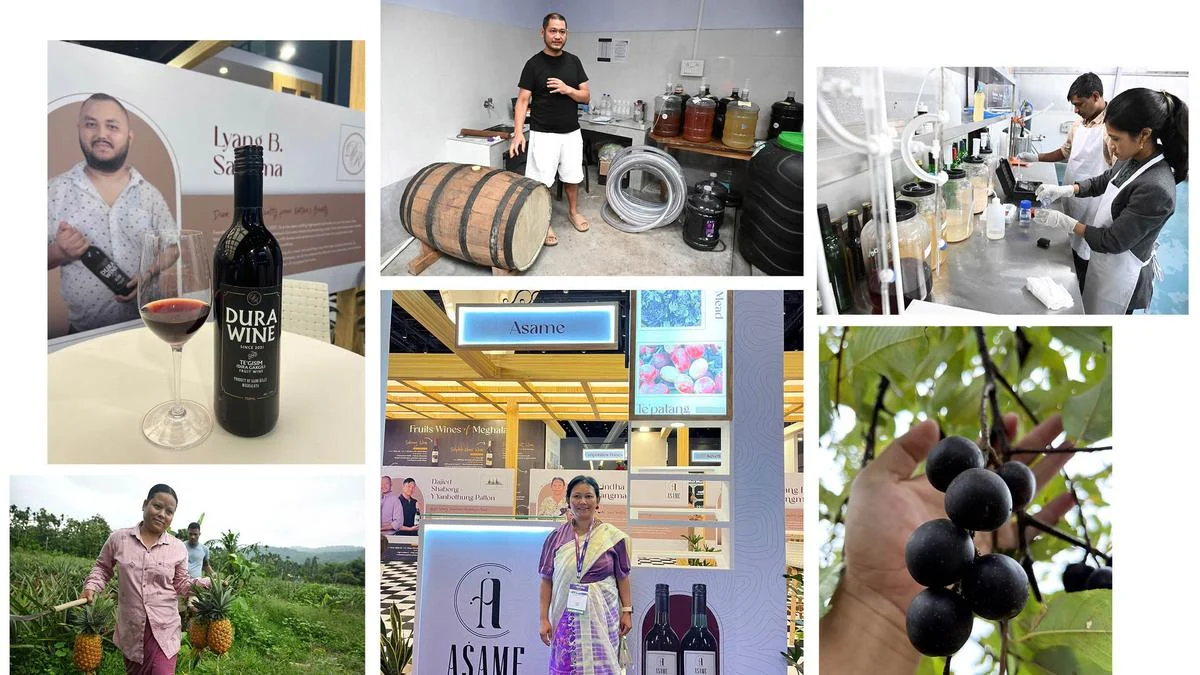
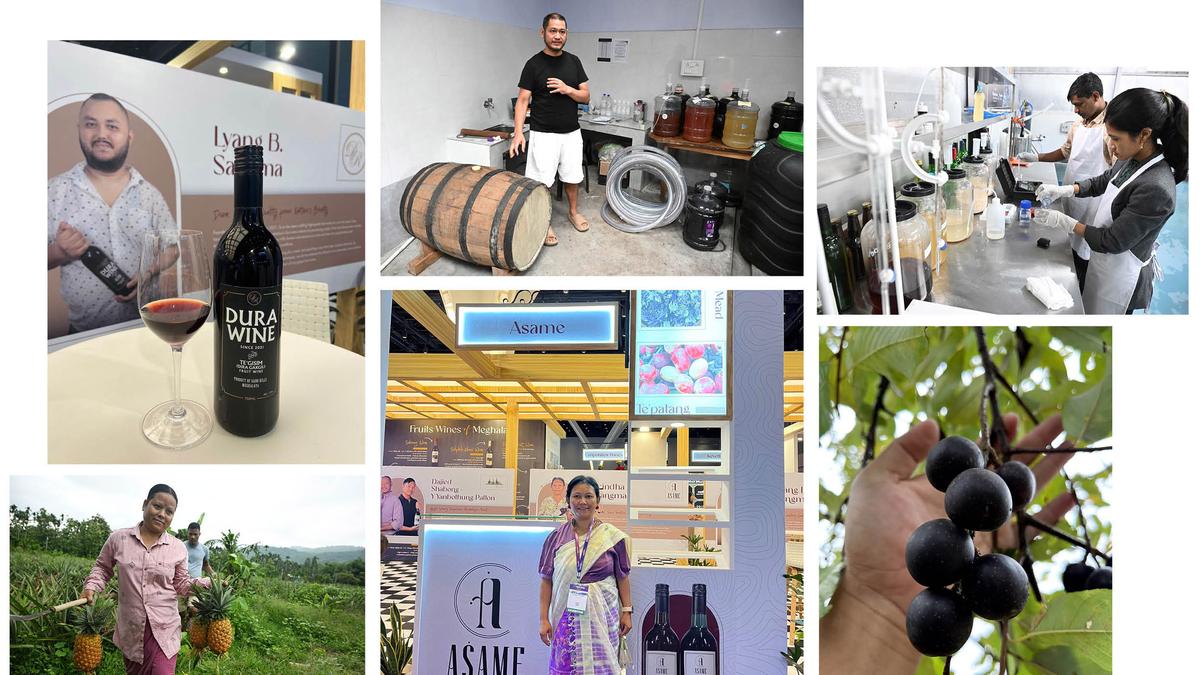
SHILLONG, MEGHALAYA — In the mist-shrouded valleys of the Garo Hills, a botanical enigma known as the "fruit with a dot in its name" is orchestrating a quiet revolution. Te.gism, or the Himalayan cherry (Prunus jenkinsii), was a fruit largely confined to the dense jungles of Northeast India, undocumented by modern botanists until less than a decade ago. Today, it has become the flagship of a burgeoning fruit winemaking industry that is repositioning Meghalaya as a formidable contender in the global alcobev market.
As the state pivots from traditional rice beer to sophisticated, shelf-stable fruit elixirs, it is witnessing an economic and cultural "renaissance." What began as a domestic hobby has matured into a structured commercial sector, backed by aggressive government policy, scientific incubation, and a legacy that dates back to the twilight of the British Raj.
The Main Facts: From Jungle Foraging to International Showcases
The scale of Meghalaya’s ambition was on full display this past September at Vinexpo India 2024 in Mumbai. Among the sleek labels and established grape vintages, six exotic fruit wines and meads from the Meghalaya Farmers Empowerment Commission (MFEC) caught the attention of global connoisseurs.

Among them was Lyang B. Sangma, an entrepreneur from Tura, whose te.gism wine became a focal point of the exhibition. "I had my heart in my mouth whenever an expert or connoisseur sipped the te.gism wine," Sangma recalled. The feedback was unanimous: the product possessed a complexity and "possibility" that extended far beyond the local markets of Meghalaya.
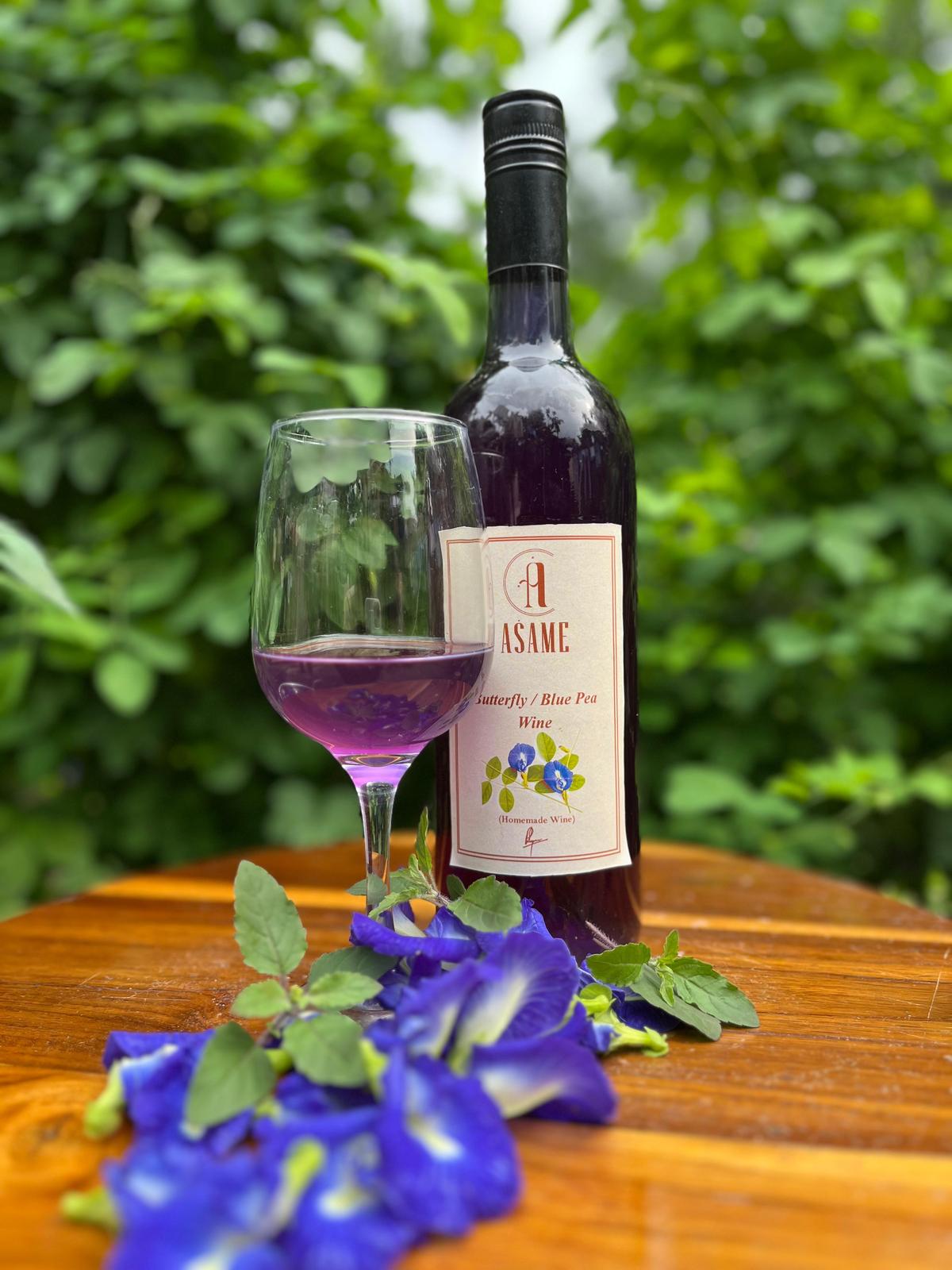
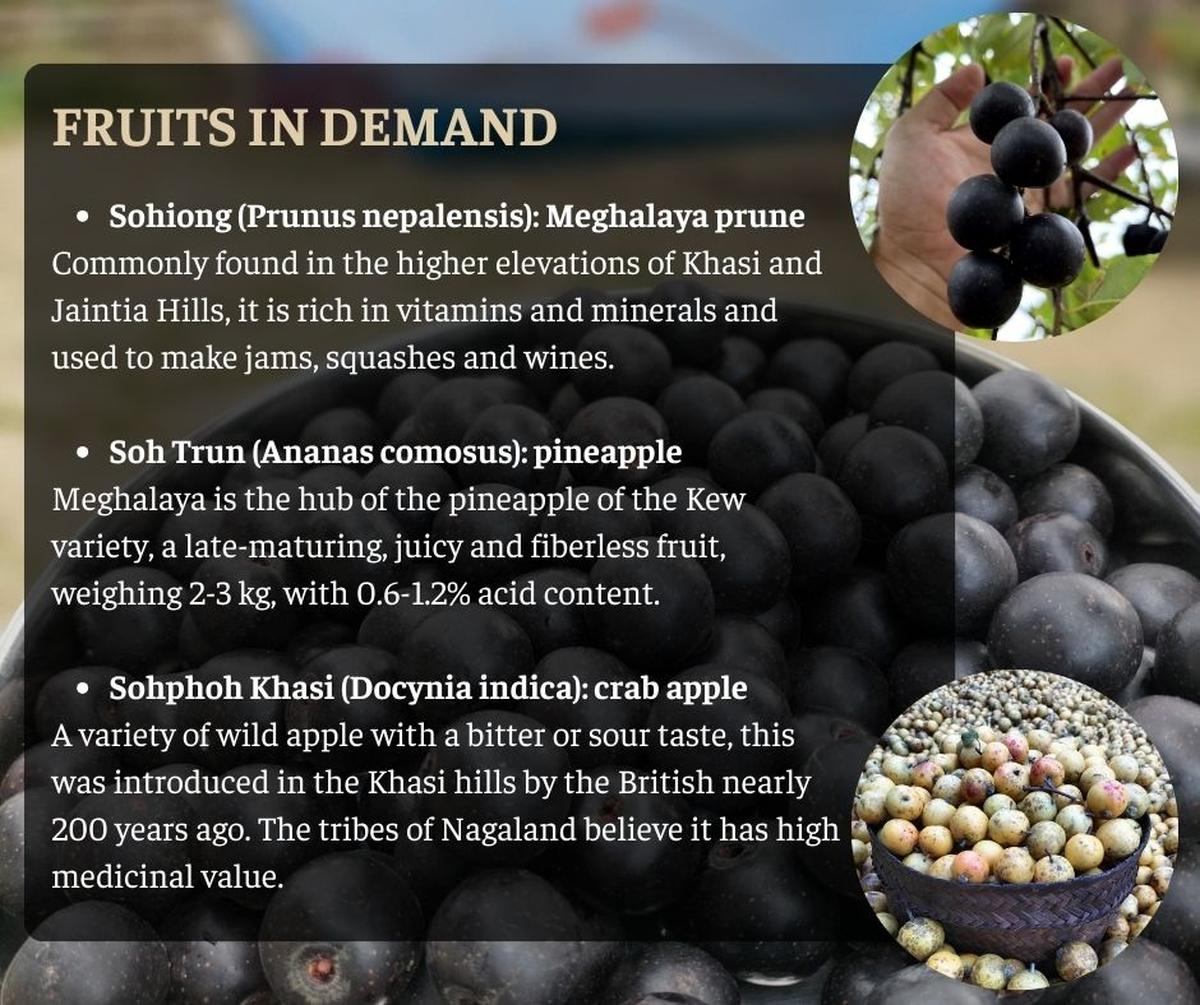
Meghalaya’s wine portfolio is as diverse as its topography. Beyond the dark red te.gism, winemakers are utilizing the te.patang (blood fruit), sohiong (Meghalaya prune), sohphie (bayberry), and even the butterfly pea flower to create a striking "blue wine." These are not merely beverages; they are bottled expressions of a unique ecosystem. Unlike the standardized grape varieties of the West, Meghalaya’s fruits are indigenous, often single-variety, and frequently gathered from the wild or protected sacred groves.

Currently, the state boasts 17 licensed commercial fruit winemakers, a number that has tripled in just three years. This growth is supported by a robust infrastructure, including the North East Fruit Wine Incubation Centre, which trains entrepreneurs in the "science of the sip"—transforming raw jungle fruit into a stable, 10% ABV (Alcohol By Volume) beverage within a 90-day cycle.
Chronology: A Century of Fermentation
The history of winemaking in Meghalaya is a tapestry of colonial legacy and grassroots activism.

1. The Colonial Seed (1947–1980s):
The industry traces its modern roots to Captain Harold Douglas Hunt, a British army officer who stayed behind after India’s independence. Settling in Mawphlang, Hunt established the state’s first licensed winery. His "Mawphlang Cherry Wine" became a household name, creating an ecosystem where local villagers were paid to collect wild fruits. This era established the proof of concept: that Meghalaya’s wild flora could produce world-class spirits. However, the industry languished following Hunt’s death in the 1980s.
2. The Grassroots Revival (2004–2018):
In 2004, Michael Syiem of the Forever Young Club organized Shillong’s first wine festival. The goal was to destigmatize fruit wine and showcase it as a premium alternative to expensive imported grape wines. This movement caught the imagination of millennials, who began to view exotic fruit wines as "cooler" and more culturally relevant than the labels preferred by older generations.
3. The Policy Pivot (2019–2020):
The real acceleration occurred with the establishment of the Meghalaya Farmers Empowerment Commission (MFEC) in 2019. In September 2020, the state government took the landmark step of amending the Meghalaya Excise Rules to legalise commercial home-made wines. This provided the legal framework necessary for hobbyists to transition into licensed entrepreneurs.
4. The Commercial Explosion (2021–Present):
Following the 2020 amendment, entrepreneurs like Lyang B. Sangma and Pecindha K. Sangma launched brands such as Dura Wines and Asame. In 2023, the state inaugurated the Fruit Wine Incubation Centre, cementing the shift from artisanal experimentation to scientific production.
Supporting Data: The Economics of the Bottle
The transition to commercial winemaking is backed by compelling economic incentives designed to make Meghalaya the "Napa Valley of the East."
- Tax Incentives: In a move that sets it apart from the rest of India, the Meghalaya government imposes 0% VAT on fruit wines. This contrasts sharply with other states where VAT ranges from 4% to 53%. The only levies are a nominal ad valorem of ₹100 per case and a retailer lifting fee of ₹10 per case.
- Investment and Employment: Setting up a winery with a 5,000-litre capacity requires an average investment of ₹50 lakh (excluding land). To date, approximately 400 families are directly or indirectly employed by the licensed wineries, including winemakers, farmers, and logistical workers.
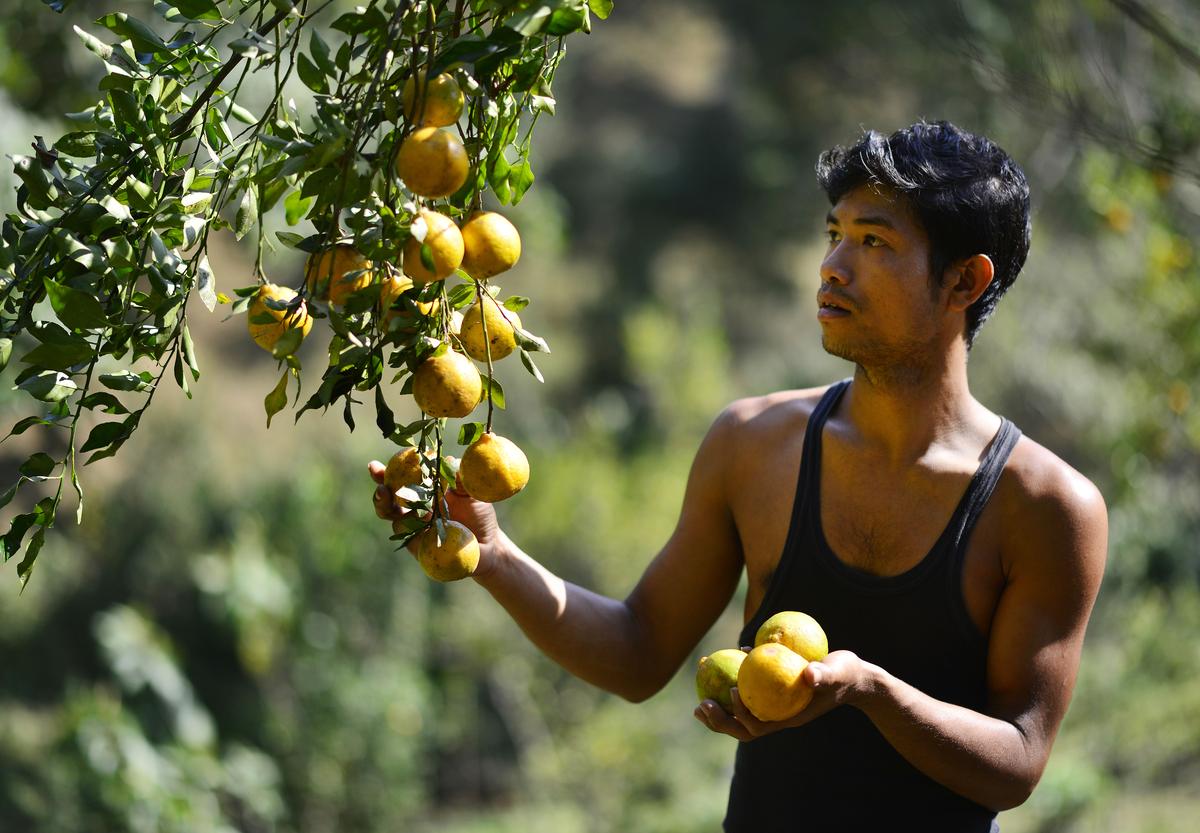
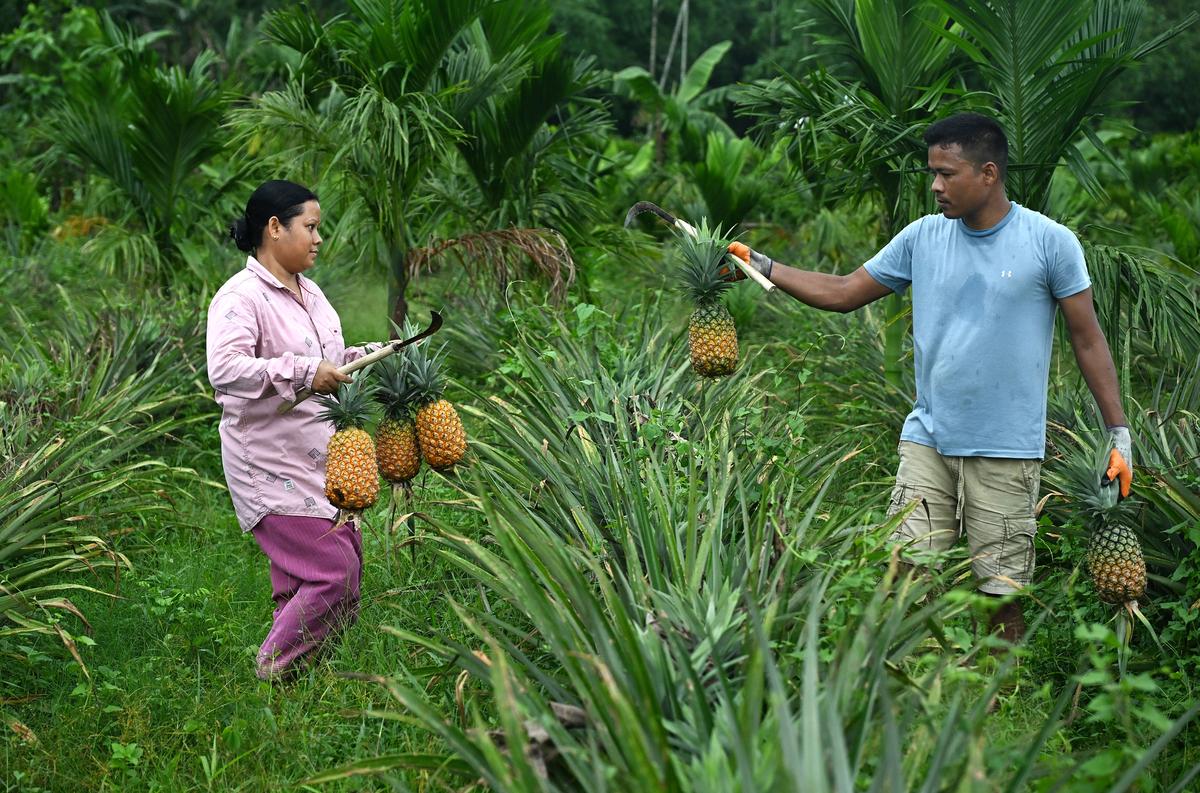
- Farmer Income Multiplier: The impact on the primary sector is profound. A farmer who previously earned ₹3,000 per sohiong tree now earns up to ₹15,000 per season due to the high demand from wineries. For higher-value crops like kiwi, pineapple, and orange, annual incomes for some farmers have surged from ₹30,000 to over ₹3 lakh.
- Waste Reduction: India loses roughly 40% of its fruits and vegetables to supply chain wastage. In Meghalaya, where the terrain makes large-scale transport difficult, winemaking acts as a vital "value-addition" tool. By converting perishable fruits into shelf-stable wine, the state has significantly mitigated farm-gate losses.
Official Responses: The Science of Growth
Government officials emphasize that the success of the industry is not accidental but the result of a deliberate, science-led strategy. B.K. Sohliya, Chairman of the MFEC, describes winemaking as "mostly science," requiring precision that traditional brewing often lacks.
"The push came after our commission, the only one of its kind in the country, was established to represent the voices of farmers," says Sohliya. He notes that Meghalaya now has 17 commercial wineries, second only to Himachal Pradesh’s 22. "Our goal is to provide the training and equipment—such as the ₹25 lakh machinery grants from the North East Centre for Technology Application and Reach (NECTAR)—to ensure our winemakers can compete on texture, taste, and alcohol balance."
To bridge the quality gap, the state roped in Priyanka Save of Himachal Nectars as an official training partner. This has resulted in a marked improvement in the product. Professional wine taster Rajesh Swarnakar observes that the quality has improved "markedly," particularly in achieving a better balance of sugar and a consistent 10% ABV. "While Himachal has a head start with apple-based wines, Meghalaya’s indigenous varieties offer a unique USP that is increasingly sought after by tourists," Swarnakar added.
Implications: Beyond the Glass
The rise of the fruit wine industry carries significant implications for Meghalaya’s socio-economic landscape and its cultural identity.
1. Preservation of Biodiversity:
The demand for wild fruits like sohiong and te.gism has incentivized the protection of forests and sacred groves. Villagers who once saw these trees as mere jungle growth now view them as economic assets. This has led to a shift from opportunistic gathering to organized, sustainable farming.

2. Tourism and Branding:
Fruit wine is becoming a cornerstone of Meghalaya’s tourism "brand." Much like the vineyards of Maharashtra, the wineries of Shillong and Tura are becoming destinations in themselves. The "Beyond the Grape" shows organized by the government are drawing domestic tourists from Assam and beyond, who are eager to purchase bottles of jackfruit or butterfly pea wine at an average price of ₹600 per 750ml bottle.
3. Entrepreneurial Empowerment:
The industry has opened doors for a new generation of entrepreneurs, including women and rural farmers. Pecindha K. Sangma’s transition from a home-brewer to a commercial manufacturer of "Asame" wines highlights the potential for micro-enterprises to scale up under the new excise regime. Similarly, Bording Ioannis Shylla’s 10,000-litre unit in Mawkyrwat demonstrates how farmers are moving up the value chain to become industrialists.
4. Cultural Evolution:
While traditional rice beer (bitchi) remains a staple of Garo and Khasi culture, the emergence of bottled, branded fruit wine represents a "modernization" of indigenous fermentation practices. It allows the state to export its flavors to the rest of the world without losing its traditional essence.
As Andrew Nongdhar, grandson of the pioneering Captain Hunt, prepares to relaunch his grandfather’s famous cherry wine, he summarizes the sentiment of the state: "Entrepreneurship, a change in mindset, and a proactive government combined to help us. Failing to capitalise on this trend would have been an injustice to the man who started it all."

In the bottle of a deep red te.gism wine, Meghalaya has found more than just a beverage; it has found a sustainable path to prosperity, blending the ancient secrets of the jungle with the precision of modern commerce.
