

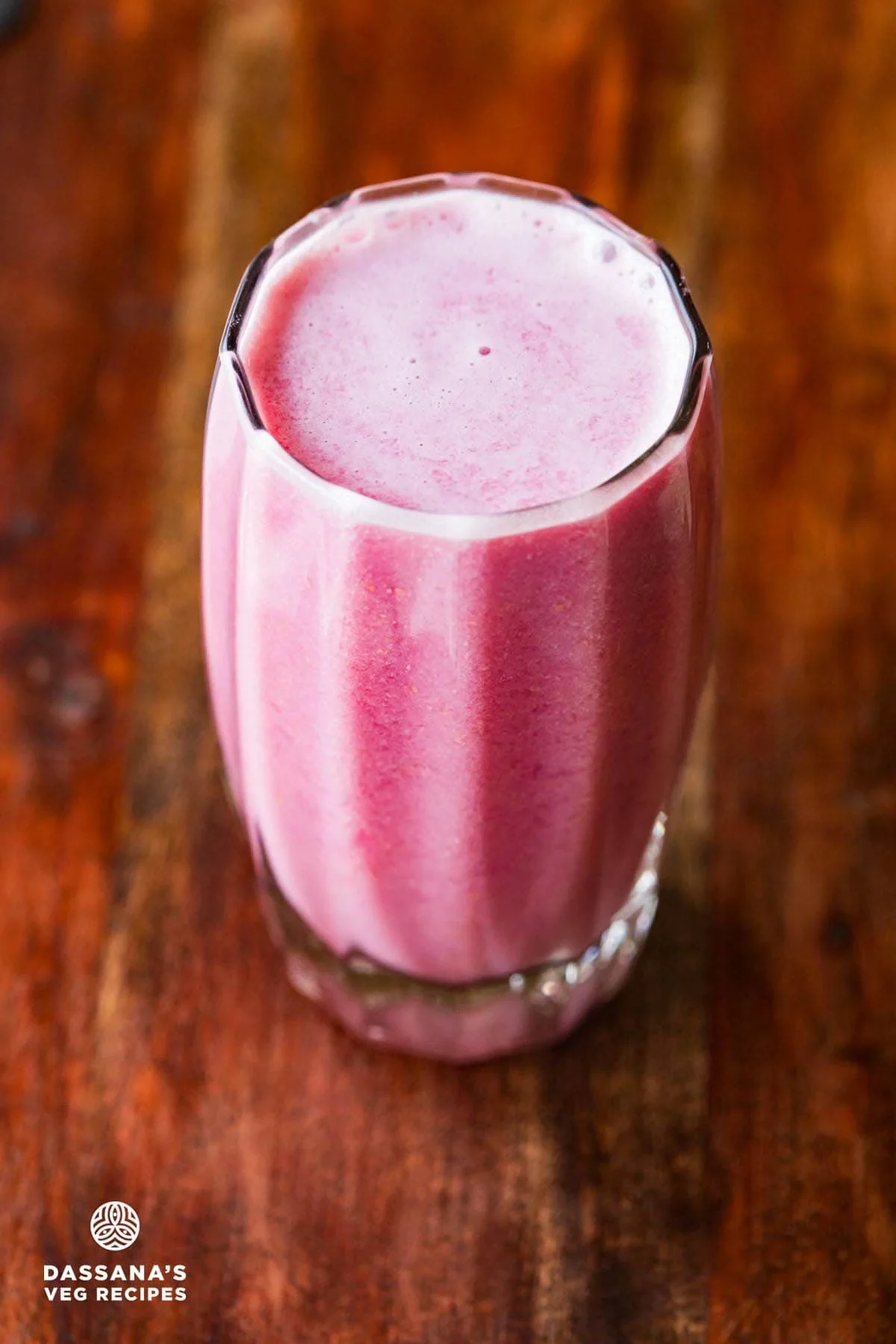
In an era increasingly defined by a shift toward functional nutrition and "clean label" consumption, the humble pomegranate has emerged as a cornerstone of the modern wellness movement. Often referred to as the "jewel of the winter harvest," the pomegranate (Punica granatum) offers a complex flavor profile that balances natural sweetness with a sophisticated tartness. However, as consumers grow wary of the high sugar content and pasteurization processes of commercial juices, a new culinary trend is taking hold: the rise of the homemade "Anar" juice.
Leading the charge in this domestic revival is culinary expert Dassana, whose refined methodology for extracting pomegranate juice has simplified what was once considered one of the most labor-intensive tasks in the kitchen. By focusing on mess-free extraction and the preservation of delicate polyphenols, the artisanal approach to pomegranate juice is transforming it from a luxury bottled product into a staple of the health-conscious home.

Main Facts: The Anatomy of a Nutritional Powerhouse
Pomegranate juice is far more than a refreshing beverage; it is a dense delivery system for bioactive compounds. The juice is derived from the arils—the translucent, ruby-red seeds found within the fruit’s thick, leathery rind. Unlike many other fruit juices, pure pomegranate juice requires no supplemental sweeteners, provided the fruit is harvested at peak ripeness.
Several key factors distinguish the homemade variety from its industrial counterparts:

- Absence of Additives: Commercial versions often contain "natural flavors," citric acid, or added sugars to standardize the taste. The homemade version relies entirely on the fruit’s natural Brix (sugar) levels.
- Color Variability: A common misconception is that all pomegranate juice must be deep red. In reality, the color spectrum—ranging from a delicate pale pink to a saturated ruby—is determined by the specific cultivar and the soil conditions in which it was grown.
- Polyphenol Retention: Pomegranates are famous for their high concentration of polyphenols, specifically punicalagins and anthocyanins. Homemade extraction, particularly through gentle pulsing or slow juicing, minimizes heat friction, thereby preserving these sensitive antioxidants.
Chronology: The Evolution of Extraction Techniques
The process of creating a premium glass of pomegranate juice involves a precise sequence of events, designed to maximize yield while minimizing the "bitter notes" often associated with the fruit’s white membranes (pith).
Phase I: Selection and Preparation
The journey begins with the selection of the raw material. Experts suggest that weight, rather than skin color, is the primary indicator of quality. A pomegranate that feels heavy for its size is an indication of high water content in the arils. The skin should be firm and free of soft spots, though minor surface scarring is usually purely cosmetic.

Phase II: The "Underwater" Breakthrough
Historically, the primary barrier to making pomegranate juice at home was the mess. The juice is a potent natural dye, capable of staining countertops and clothing permanently. The modern "chronology" of prep involves a revolutionary water-immersion technique:
- Capping: The crown of the fruit is sliced off to reveal the internal segments.
- Sectioning: The fruit is quartered with shallow cuts.
- Submersion: The quarters are placed in a large bowl of water.
- Manual Separation: Under the water, the arils are gently nudged from the pith. Because the arils are denser, they sink to the bottom, while the light, bitter pith floats to the surface. This not only prevents staining but also ensures a cleaner juice flavor by removing the astringent white membranes.
Phase III: The Mechanical Choice
Once the arils are drained, the process splits into two modern paths:

- The Blender Method: This is the most accessible route. The arils are pulsed—never continuously blended—to break the juice sacs without pulverizing the hard inner seeds. Finely ground seeds can introduce a gritty texture and a woody, bitter aftertaste.
- The Electric Juicer Method: For those seeking a clearer, more refined liquid, a dedicated juicer handles the separation of pulp and juice in a single motion, though it requires more specialized equipment.
Phase IV: Refinement and Storage
The final stage involves straining the mixture through a fine-mesh sieve. The resulting liquid is a "virgin" juice that can be served immediately or refrigerated for up to 24 hours. For long-term preservation, the juice is increasingly being frozen into ice cubes, allowing it to be used as a nutritional "booster" for smoothies or sparkling water.
Supporting Data: The Nutritional Blueprint
The argument for homemade pomegranate juice is bolstered by a rigorous nutritional profile. According to data provided by culinary nutritionists, a standard serving (approximately 2 cups of arils) delivers a robust array of macro and micronutrients.

Macro-Nutrient Breakdown (Per Serving):
- Energy: 234 kcal
- Carbohydrates: 53g (derived from natural fruit sugars)
- Fiber: 11g (if some pulp is retained)
- Protein: 5g
- Healthy Fats: 3g
The Micronutrient Matrix:
The true value of pomegranate juice lies in its mineral and vitamin density. It is an exceptional source of Potassium (666mg), which is vital for heart health and blood pressure regulation. Furthermore, it provides:

- Vitamin C (29mg): Essential for immune function and collagen synthesis.
- Vitamin K (46µg): Critical for bone metabolism and blood clotting.
- Folate/Vitamin B9 (107µg): Necessary for DNA repair and cell division.
The juice also contains significant trace amounts of Magnesium, Phosphorus, and Zinc, making it a comprehensive "liquid multivitamin."
Official Responses: Culinary and Health Perspectives
Culinary professionals and health experts have weighed in on the DIY pomegranate trend, highlighting why the "homemade" factor is non-negotiable for the discerning palate.

Dassana, a prominent voice in Indian vegetarian cuisine, emphasizes the importance of the "pulse" technique. "Avoid grinding [the seeds] for too long," she warns, noting that the grit from crushed seeds can ruin the mouthfeel of the juice. Her approach suggests that the best juice is the one that respects the integrity of the seed, extracting the nectar while leaving the fiber intact.
From a clinical perspective, nutritionists often point to the "glycemic context" of the juice. While the sugar content (39g per serving) may seem high, it is packaged with a high concentration of polyphenols which, according to some studies, may help modulate the body’s insulin response compared to refined sugars. However, experts recommend that the juice be consumed in its pure form—without added table sugar—to maintain its status as a health beverage.

Furthermore, the "official" culinary stance on color is one of inclusivity. "Pale arils do not necessarily mean the fruit is unripe," experts note. This education is vital for consumers who often bypass perfectly sweet fruit in search of a "commercial red" that may not actually exist in all organic varieties.
Implications: The Future of the Functional Beverage Market
The shift toward homemade pomegranate juice carries significant implications for both the food industry and consumer behavior.

1. The Decline of "Big Juice"
As consumers master the art of the 10-minute pomegranate extraction, the demand for shelf-stable, additive-heavy juices is likely to face headwinds. The DIY movement empowers the consumer to control the quality of the raw ingredient, ensuring they are not consuming "reconstituted" liquids that have lost their enzymatic vitality.
2. Sustainability and Waste Reduction
Making juice at home allows for a "zero-waste" approach. The leftover pomegranate rinds, while not edible, are being increasingly used in home gardens as compost or even in artisanal dyeing and skincare. This aligns with the broader global trend of circular economy principles within the kitchen.

3. The "Food as Medicine" Integration
The ease of creating this juice at home integrates perfectly with the "food as medicine" philosophy. By having a fresh, antioxidant-rich beverage readily available, individuals are more likely to replace caffeinated or carbonated drinks with a nutrient-dense alternative. The implication for public health—specifically regarding anti-inflammatory diets—is substantial.
4. Economic Empowerment
While pomegranates can be expensive, the yield from 2 to 4 large fruits is often more cost-effective than purchasing high-end, cold-pressed "boutique" juices. This makes premium nutrition accessible to a wider demographic, provided they have the knowledge of these simple extraction techniques.

Conclusion
The homemade pomegranate juice movement represents a convergence of ancient tradition and modern health science. By stripping away the mystery of the fruit’s intimidating exterior and replacing it with efficient, mess-free techniques like the water-submersion method, culinary experts have unlocked a powerhouse of nutrition for the average household. As we look toward a future of more mindful consumption, the ruby-red glass of fresh "Anar" juice stands as a symbol of culinary independence and optimal well-being. Whether sipped fresh or frozen into cubes for a summer tonic, the pomegranate remains a timeless ally in the quest for a healthier lifestyle.
