

The Indian automotive industry continues to solidify its position as a global manufacturing hub, according to the latest performance data for July 2026. While the domestic market remains the primary engine of growth, the export sector has maintained a steady upward trajectory, reflecting the increasing global competitiveness of "Make in India" vehicles.
In a month characterized by shifting consumer preferences and the introduction of new global models, the total passenger vehicle (PV) volume—combining domestic sales and exports—reached a staggering 465,130 units. This represents a robust 25.87% year-on-year (YoY) growth compared to the 369,543 units recorded in July 2025. Within this total, exports accounted for 69,931 units, marking a 2.40% increase over the previous year’s 68,292 units.
Main Facts: A Dual-Speed Growth Narrative
The data for July 2026 reveals a fascinating "dual-speed" growth narrative within the Indian automotive sector. While the domestic market is booming with a 31.19% YoY increase, the export market is growing at a more measured pace.
Domestic sales surged from 301,251 units in July 2025 to 395,199 units in July 2026. This surge meant that domestic demand accounted for nearly 85% of the total production volume. On the other hand, exports, while positive, contributed 15.03% to the total volume.
The export market is also becoming increasingly concentrated. The top 30 exported models accounted for 66,728 units, representing more than 95% of all passenger vehicles shipped from Indian shores. This suggests that while India produces a vast array of vehicles, global demand is heavily focused on a specific cohort of high-quality, cost-effective models—primarily mid-size sedans and compact SUVs.
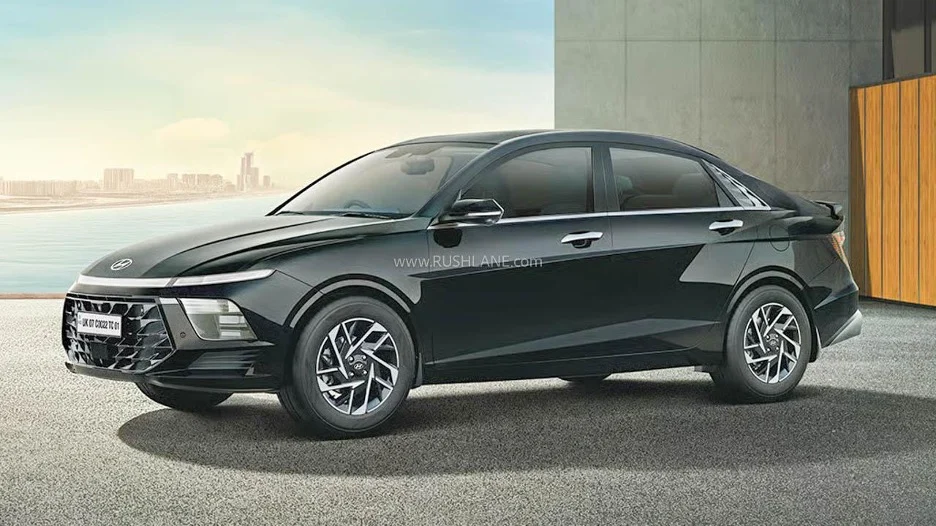
Leading the charge in the export charts is the Hyundai Verna, which saw a massive 49.63% spike in international shipments. Conversely, some established players like the Maruti Jimny and the Toyota Hyryder faced headwinds, seeing double-digit declines in their export volumes.
Chronology and Context: The Evolution of India as an Export Hub
To understand the July 2026 figures, one must look at the broader evolution of the Indian auto industry over the last three years. Following the supply chain disruptions of the early 2020s, Indian Original Equipment Manufacturers (OEMs) aggressively diversified their portfolios.

By 2025, India had transitioned from being a manufacturer of small hatchbacks to a global hub for sophisticated SUVs and premium sedans. The July 2026 data reflects the maturity of this transition.
- The SUV Dominance: Models like the Maruti Fronx and Nissan Magnite have become staples in emerging markets across Latin America, Africa, and Southeast Asia.
- The Sedan Resurgence: While hatchbacks have seen a decline in some regions, the demand for Indian-made sedans like the Hyundai Verna and VW Virtus has grown, particularly in the Middle East and neighboring Asian markets.
- The EV Inception: July 2026 marks a significant milestone with the Maruti e Vitara recording 2,524 units in exports. This signals the beginning of India’s journey as a major exporter of Battery Electric Vehicles (BEVs).
Supporting Data: A Deep Dive into the Top Performers
The performance of individual models provides a granular look at which segments are resonating with international buyers.
The Leaders: Hyundai and Maruti Suzuki
Hyundai Motor India continues to leverage its global parentage to maximize exports. The Hyundai Verna secured the top spot with 7,124 units, up from 4,761 in July 2025. This 10.68% share of the top 30 exports underscores the Verna’s appeal as a premium yet affordable global sedan.
Maruti Suzuki, India’s largest automaker, dominated the volume of models in the top 30. Despite a 15.12% decline, the Maruti Jimny remained the second most exported vehicle with 5,784 units. The Maruti Fronx followed closely in third place with 4,570 units, growing by 9.17%.
High-Growth Outliers
Several models registered extraordinary growth, often due to a "low base effect" or successful new market entries:
- Renault Triber: Recorded a 71,300% growth (714 units vs 1 unit), indicating a renewed focus by Renault on exporting the versatile seven-seater.
- Hyundai Exter: Jumped from 46 units to 1,243 units, showing that the micro-SUV segment is gaining international traction.
- Kia Carens: More than doubled its exports to 1,327 units, a 101.98% increase.
- Nissan Magnite: Continued its strong run with 3,537 units, a 68.83% YoY growth.
Notable Declines
Not all models fared well in the international theater. The Maruti Baleno saw a sharp 45.58% drop to 2,708 units, potentially due to shifting preferences toward the Fronx. The Toyota Hyryder and Honda Elevate also saw significant dips of 42.42% and 36.34%, respectively, suggesting increased competition in the mid-size SUV segment globally.
Official Responses and Industry Sentiment
While specific quotes from every OEM are not public, industry bodies like the Society of Indian Automobile Manufacturers (SIAM) have expressed cautious optimism regarding these figures.

An industry analyst noted, "The 25% growth in total volumes is a testament to the resilience of the Indian manufacturing ecosystem. However, the disparity between domestic growth (31%) and export growth (2.4%) suggests that OEMs are currently prioritizing the high-demand domestic market to manage waiting periods at home."
Hyundai India representatives have previously highlighted that their "One Hub" strategy—where India serves as the primary production point for specific global models like the Verna—is paying dividends. Meanwhile, Maruti Suzuki officials have pointed toward the e Vitara as a precursor to their goal of becoming a global EV export powerhouse by 2030.
Renault’s entry back into the charts with the Duster (520 units) also signals a strategic pivot. A spokesperson for Renault India recently indicated that the brand is looking to revitalize its export portfolio using India as a springboard for right-hand-drive markets globally.
Implications: What This Means for the Future
The July 2026 data carries several long-term implications for the Indian economy and the global automotive landscape.
1. Premiumization of Exports
The success of the Hyundai Verna and VW Virtus (up 59.76%) indicates that the "cheap car" tag once associated with Indian exports is fading. International buyers are now looking to India for vehicles with higher build quality, advanced safety features, and sophisticated technology.
2. The Rise of the "Global Small SUV"
India has perfected the art of the sub-4-meter and compact SUV. The strong performance of the Fronx, Magnite, and Sonet suggests that India will remain the global kitchen for these specific vehicle types, catering to urban environments in developing economies.
3. Supply Chain Maturation
The ability to push nearly 400,000 units into the domestic market while maintaining a 70,000-unit export clip suggests that the Indian component supply chain has reached a new level of maturity. Logistics and port infrastructure improvements have also played a role in maintaining these volumes.

4. The EV Transition
The appearance of the Maruti e Vitara in the export list is perhaps the most significant data point for the future. As global markets transition to electric mobility, India’s ability to export EVs will determine its relevance in the 2030s. If Maruti and other OEMs can scale EV exports, India could challenge traditional hubs like Thailand or even Eastern Europe.
5. Concentration Risk
With the top 30 models accounting for 95% of exports, there is a clear concentration risk. The health of India’s automotive export sector is currently tied to the success of a few key models and brands. Diversifying the "export-ready" portfolio will be a key challenge for Mahindra, Tata, and other domestic players who currently have a smaller export footprint compared to their domestic presence.
Conclusion
July 2026 stands as a landmark month for the Indian auto industry. While the domestic market’s explosive growth is the headline-grabber, the steady and evolving nature of exports provides the foundation for long-term sustainability. As Hyundai continues to lead with the Verna and Maruti Suzuki begins its electric export journey, India is no longer just a "promising" market—it is an indispensable pillar of the global automotive supply chain.
The challenge moving forward will be to maintain this momentum amidst global economic fluctuations and to ensure that the "Make in India" brand continues to be synonymous with quality and innovation on the world stage.
