

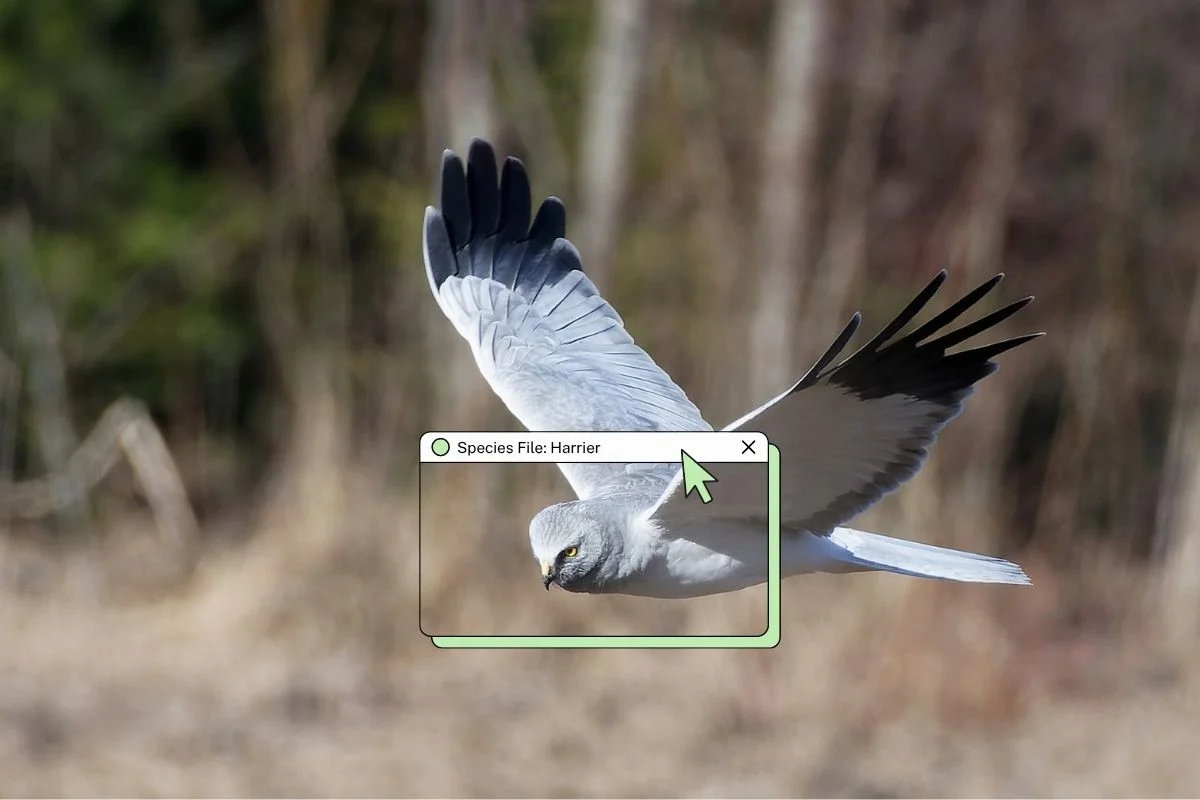
Every year, as the scorching heat of the Indian summer begins to yield to the monsoon rains and the eventual arrival of the winter chill, a silent, majestic arrival occurs in the country’s vast open plains. Thousands of kilometers away, across the freezing tundras of Russia and the sweeping steppes of Central Asia, a group of specialized raptors begins an arduous journey. These are the harriers—slender, long-winged birds of prey that circumvent the formidable Himalayan massif to seek sanctuary in the grasslands of the Indian subcontinent.
Arriving around July, these birds are not merely visitors; they are integral components of India’s ecological fabric. From the salt marshes of Gujarat to the rolling hills of the Deccan Plateau, harriers serve as both apex predators and, as recent science suggests, "unlikely gardeners." However, despite their ecological importance and their high level of legal protection, these avian travelers are facing a silent crisis. Their habitats are shrinking, their prey is being poisoned, and the very landscapes they depend on are being reimagined for industrial and agricultural expansion.
Main Facts: The Biology and Ecology of the Harrier
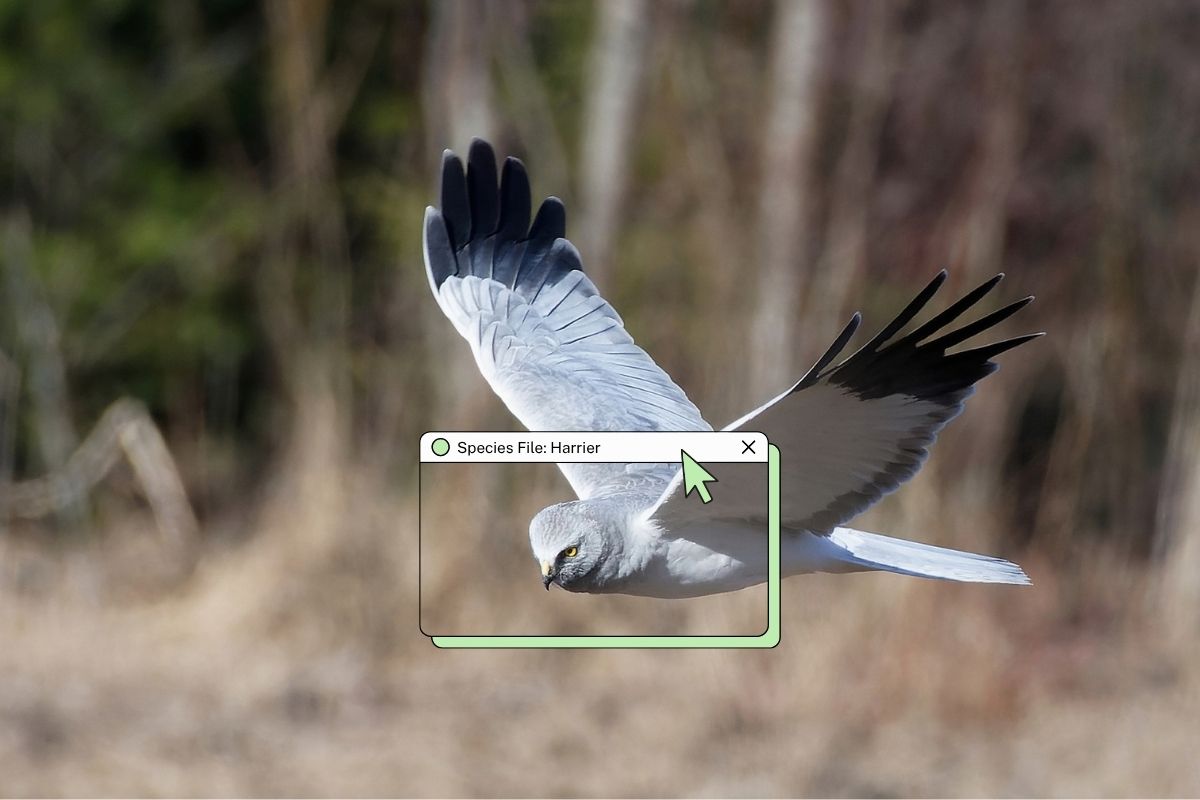
Harriers belong to the genus Circus, a name derived from the Greek kirkos, referring to the bird’s characteristic circling flight. Unlike many other raptors that hunt from high perches or soar at great altitudes, harriers are low-fliers. They are often seen gliding just a few meters above the ground, their wings held in a shallow ‘V’ shape (dihedral), as they use their keen eyesight and acute hearing to detect movement in the tall grass.
The Six Species of India
Of the 16 harrier species found globally, six are known to winter in India:
- Montagu’s Harrier (Circus pygargus): A slender, elegant raptor known for its long-distance migration.
- Pallid Harrier (Circus macrourus): Distinguished by its pale, ghostly appearance in males; currently listed as Near Threatened.
- Hen Harrier (Circus cyaneus): A robust species often found in more northern and hilly regions of India.
- Pied Harrier (Circus melanoleucos): Notable for the striking black-and-white plumage of the male, often seen in the eastern parts of the country.
- Eurasian (Western) Marsh Harrier (Circus aeruginosus): The largest and most common, frequently found near wetlands.
- Eastern Marsh Harrier (Circus spilonotus): A visitor primarily to the eastern and northeastern wetlands.
Unique Behavioral Traits
Harriers exhibit several behaviors that distinguish them from other birds of prey. One of the most spectacular is the "suave mid-air food pass." During the breeding season—and occasionally observed in wintering grounds—a male will catch prey and call to the female. As she flies beneath him, he drops the prey, which she catches with talons outstretched in a display of incredible aerial coordination.
Furthermore, harriers are unusual among raptors for being ground-nesters. While they do not breed in India (with the exception of some marsh harriers in specific conditions), this ground-dwelling nature dictates their wintering behavior. They are highly social, participating in communal roosting. Hundreds of individuals from different harrier species may gather in a single patch of grassland to spend the night, a strategy thought to provide safety from nocturnal predators.
The "Grassland Gardeners"
A groundbreaking study recently highlighted a previously unknown ecological role of the pallid and Montagu’s harriers. Beyond their role as predators, they act as "grassland gardeners." When harriers consume small mammals or birds, they often ingest the seeds present in the prey’s digestive tract. These seeds pass through the harrier’s system and are later expelled in "pellets"—compact masses of indigestible fur, bones, and feathers. Remarkably, these seeds often remain viable, meaning harriers inadvertently assist in the seed dispersal of various plant species across vast distances, maintaining the floral diversity of the grasslands.
Chronology: An Annual Cycle of Survival
The life of a harrier is a cycle of extreme movement and seasonal adaptation. Their presence in India follows a strict chronological pattern tied to the global climate.
- April – June (Breeding Season): The birds reside in the vast steppes and marshes of Russia, Kazakhstan, and parts of Europe. Here, they nest on the ground amidst tall grasses or crops, raising their young during the brief northern summer.
- July – September (The Great Migration): As the northern latitudes begin to cool, harriers begin their southward journey. This is a feat of endurance, requiring them to cross high-altitude mountain passes. They begin arriving in India as early as July, coinciding with the end of the breeding season and the abundance of insects and small vertebrates in the post-monsoon Indian landscape.
- October – March (Wintering in India): This is the period of peak activity in the Indian subcontinent. The birds disperse across the country, though they concentrate in specific "hotspots" like the Velavadar National Park in Gujarat, the Rollapadu Wildlife Sanctuary in Andhra Pradesh, and the grasslands of Rajasthan and Maharashtra.
- Late March – April (Return Flight): As the Indian summer approaches and the grasslands begin to dry up, the harriers head north once again to repeat the cycle.
Supporting Data: Monitoring the Decline
While harriers have been a fixture of the Indian winter for millennia, recent data suggests their numbers are in a precarious state. The Ashoka Trust for Research in Ecology and the Environment (ATREE) has been at the forefront of this research through its "Harrier Watch" program.
Long-term Trends
The Harrier Watch program analyzed data from 1985 to 2015, revealing a disturbing trend. In many traditional roosting sites, the number of birds has plummeted. For instance, Velavadar National Park in Gujarat once hosted the world’s largest documented communal roost of harriers, with counts reaching into the thousands. While it remains a critical site, the overall density and consistency of these roosts have fluctuated downward over the last three decades.
Population Status
Most harrier species are currently listed as "Least Concern" by the International Union for Conservation of Nature (IUCN). However, the Pallid Harrier is a notable exception, classified as Near Threatened. Its global population is in decline, and because India is a major wintering ground for the species, the health of Indian grasslands directly impacts the global survival of the species.
The Impact of Pesticides
Data from ecological studies also points toward a decline in prey availability. The widespread use of chemical pesticides in Indian agriculture has led to a significant reduction in grasshoppers and other large insects—a primary food source for younger harriers and smaller species like the Montagu’s. This creates a "bottom-up" pressure on the population, where the birds may survive the migration but struggle to find enough energy to return and breed successfully.
Official Responses and Expert Opinions
The conservation of harriers in India is complicated by the fact that they inhabit "non-forest" ecosystems. In Indian law, grasslands have historically been categorized as "wastelands," making them easy targets for diversion to other uses.
Legal Protection
In response to their ecological importance, the Indian government has accorded harriers the highest level of legal protection. They are listed under Schedule I of the Wildlife (Protection) Act, 1972. This status grants them the same level of protection as the Bengal Tiger or the Indian Elephant, making it a severe offense to hunt, trap, or disturb them.
Expert Perspectives
Vishwatej Pawar, co-founder of The Grasslands Trust, emphasizes that the plight of the harrier is inseparable from the plight of the grassland itself. "Grassland specialist species like the harriers actually play an important role in stabilizing the populations of insects, pests, and even rodents, which helps farmers," Pawar noted in a 2026 report.
He further explained the conflict between traditional "green" initiatives and grassland conservation: "When their habitats change, either due to afforestation or due to trenches, they compete for space or are unable to nest, roost, or properly forage, which causes population decline." This refers to the common practice of planting trees in open grasslands—a move often intended to increase "forest cover" but which effectively destroys the habitat for birds that require open, treeless horizons to hunt and roost.
Implications: A Landscape in Transition
The decline of harriers is a "canary in the coal mine" for the health of India’s open natural ecosystems. The implications of their disappearance reach far beyond the loss of a beautiful bird; it signifies a fundamental breakdown in the services these landscapes provide.
The Paradox of Renewable Energy
One of the most modern threats to harriers is the expansion of wind and solar energy. While essential for combating climate change, these projects are often cited in "wastelands"—the very grasslands harriers depend on. Wind turbines pose a direct collision risk, while the vast arrays of solar panels and the accompanying power lines fragment the habitat, making it impossible for these low-flying hunters to navigate.
Agricultural Encroachment and Overgrazing
As India’s population grows, the pressure to convert grasslands into agricultural land increases. When a wild grassland is turned into a monoculture farm, the diversity of prey disappears. Furthermore, livestock overgrazing removes the tall grass cover that harriers need for communal roosting. Without the cover of grass, they become vulnerable to feral dogs and other ground predators.
The Pest Control Connection
From a purely economic standpoint, the loss of harriers is bad news for Indian farmers. Harriers are natural pest controllers. A single harrier can consume dozens of rodents and hundreds of locusts during its winter stay. As harrier populations decline, farmers may find themselves increasingly reliant on expensive and toxic chemical pesticides to manage outbreaks of rats and insects, creating a vicious cycle of environmental degradation.
Conclusion: The Need for Holistic Conservation
The story of the harrier is a reminder that conservation cannot be confined to the woods. India’s grasslands are not "wastelands"; they are vibrant, functional ecosystems that support transcontinental migrations and provide essential services to the agrarian economy. Protecting the harrier requires more than just legal schedules; it requires a shift in how we perceive and manage the open plains. If the "suave mid-air food pass" of the Montagu’s harrier is to remain a feature of the Indian winter, the protection of its sun-drenched, grassy home must become a national priority.
