New Delhi, India – The stage is set for a high-stakes showdown as the Indian Premier League (IPL) 2027 mini-auction approaches, promising intense bidding wars and strategic maneuvers that will shape the fortunes of all ten franchises. Following a crucial retention deadline, the financial landscape of the league has become clear, with the Sanjiv Goenka-owned Lucknow Super Giants (LSG) emerging as the team with the deepest pockets, boasting an impressive purse of Rs 47.45 crore. This substantial war chest positions LSG as a formidable force, capable of making significant acquisitions to bolster their squad ahead of the highly anticipated tournament.
The IPL 2027 mini-auction, scheduled for December 16, 2026, in the vibrant state of Goa, will see teams vying for 66 available player slots, including 25 coveted overseas positions. The combined financial power across all franchises totals Rs 297.95 crore, indicating a robust market for talent. While LSG stands at the pinnacle of financial flexibility, other teams have varying degrees of fiscal muscle, setting the stage for a diverse range of strategies to unfold.
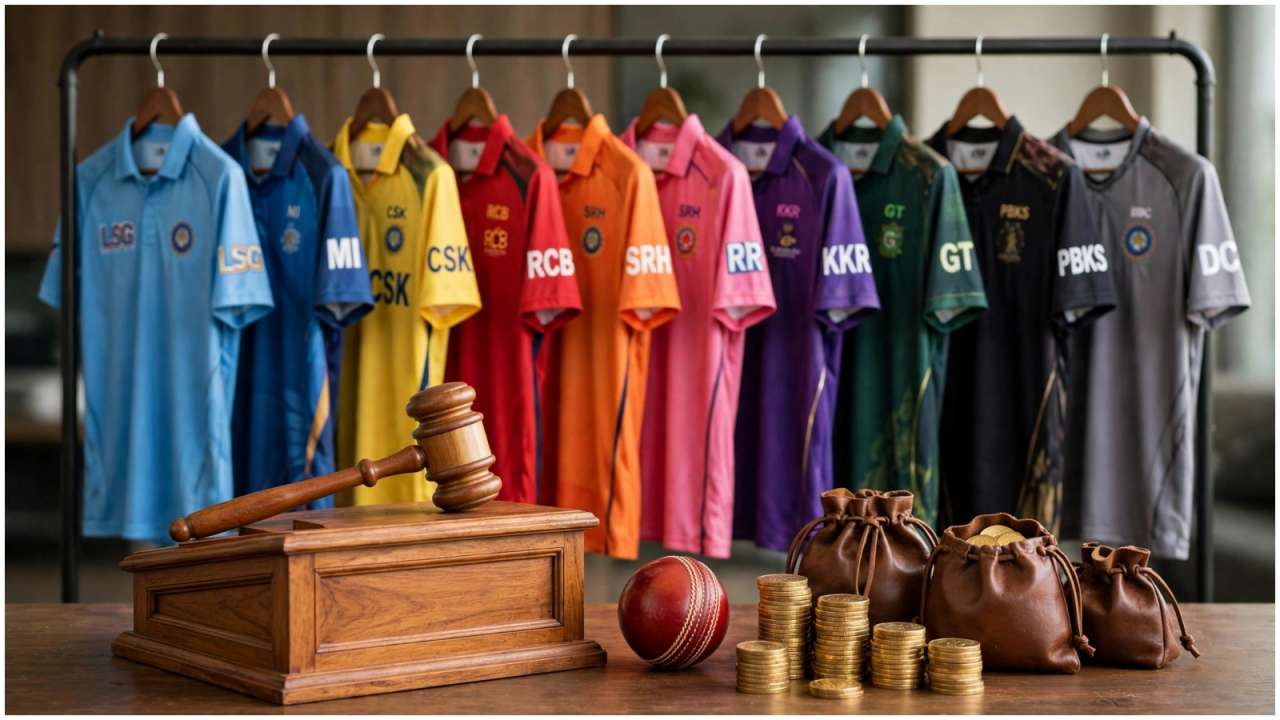
The Retention Reckoning: A Chronology of Strategic Decisions
The journey to the IPL 2027 mini-auction began in earnest on Tuesday, November 17, when the final list of retained and released players was officially announced. This date marked a critical juncture for all ten franchises, as team managements and coaching staff had to make tough decisions, balancing loyalty with performance, and long-term vision with immediate needs. Unlike a mega-auction where entire squads are dismantled and rebuilt, a mini-auction allows teams to retain the core of their squad while strategically filling gaps identified through previous seasons’ performances or player departures.
The retention deadline forces teams to assess their existing roster rigorously. Players who have consistently performed well, offer unique skill sets, or are deemed integral to the team’s balance are typically retained, often at significant cost. Conversely, players who might have underperformed, become too expensive relative to their output, or whose roles have been superseded by emerging talent, are released. These calculated releases are precisely what contribute to the varying purse sizes, freeing up funds to target specific players in the auction pool. For teams like LSG, the decision to release certain big-budget players appears to have been a deliberate strategy to enter the auction with maximum financial leverage, providing them unparalleled flexibility in their bidding approach.
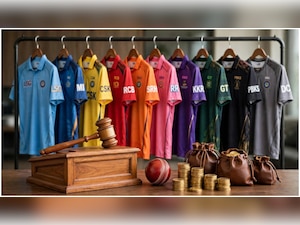
The announcement of the retention lists immediately shifted focus to the upcoming auction in Goa. With the core squads largely set, the mini-auction becomes a meticulous exercise in fine-tuning, where franchises seek to address specific weaknesses, add depth, or acquire impact players who can turn the tide of a match. The clock is now ticking for scouting teams and strategists to finalize their target lists, analyze player performances, and anticipate market dynamics.
Supporting Data: A Deep Dive into Franchise Purses and Vacancies
The financial landscape for IPL 2027 reveals a clear hierarchy in terms of spending power, with LSG leading the pack by a significant margin. This distribution of funds will undoubtedly influence bidding strategies and player acquisitions.

IPL 2027 Auction: Remaining Purse of All 10 Teams
- Lucknow Super Giants (LSG) – Rs 47.45 crore
- Kolkata Knight Riders (KKR) – Rs 41.65 crore
- Sunrisers Hyderabad (SRH) – Rs 40.15 crore
- Delhi Capitals (DC) – Rs 39.50 crore
- Mumbai Indians (MI) – Rs 32.60 crore
- Chennai Super Kings (CSK) – Rs 28.05 crore
- Rajasthan Royals (RR) – Rs 27.05 crore
- Punjab Kings (PBKS) – Rs 18.60 crore
- Royal Challengers Bengaluru (RCB) – Rs 14.15 crore
- Gujarat Titans (GT) – Rs 8.75 crore
Alongside the financial resources, the number of vacant slots each team needs to fill is equally crucial, dictating the volume of players they can acquire.

How Many Players Can Each Team Buy at IPL 2027 Mini-Auction?
- Delhi Capitals (DC): 9 vacant slots
- Mumbai Indians (MI): 9 vacant slots
- Kolkata Knight Riders (KKR): 8 vacant slots
- Lucknow Super Giants (LSG): 7 vacant slots
- Sunrisers Hyderabad (SRH): 7 vacant slots
- Chennai Super Kings (CSK): 6 vacant slots
- Rajasthan Royals (RR): 6 vacant slots
- Punjab Kings (PBKS): 6 vacant slots
- Royal Challengers Bengaluru (RCB): 5 vacant slots
- Gujarat Titans (GT): 3 vacant slots
Strategic Implications: Decoding Each Team’s Auction Playbook
The varied purse sizes and vacant slots paint a vivid picture of the diverse challenges and opportunities facing each franchise.

Lucknow Super Giants (LSG): The High Rollers with a Clear Vision
With a staggering Rs 47.45 crore, LSG is undeniably the team to watch. Their decision to enter the auction with such a significant budget suggests a clear, aggressive strategy. This financial flexibility allows them to target multiple high-value players, potentially even engaging in bidding wars for marquee talents without stretching their budget too thin. With seven slots to fill, LSG could be looking to acquire a mix of experienced campaigners, impactful all-rounders, or uncapped domestic stars who can add balance and depth to their already competitive squad. Their strategy might involve identifying key roles that need strengthening, such as a potent death bowler, a reliable middle-order anchor, or an explosive opener, and then allocating significant funds to secure top-tier options for those positions. The pressure will be on their scouting team to identify talent that justifies the investment.
Kolkata Knight Riders (KKR), Sunrisers Hyderabad (SRH), and Delhi Capitals (DC): The Strong Contenders
These three franchises possess substantial purses ranging from Rs 39.50 crore to Rs 41.65 crore, placing them firmly in the second tier of financial power.

- Kolkata Knight Riders (KKR), with Rs 41.65 crore and eight slots, have ample room to maneuver. Known for their astute auction strategies and reliance on all-rounders, KKR might look to build a versatile squad. Their substantial purse allows them to compete for premium players while also filling multiple roster spots.
- Sunrisers Hyderabad (SRH), holding Rs 40.15 crore and seven slots, historically emphasizes a strong bowling attack. They might use their funds to acquire a top-tier fast bowler, a spin maestro, or a powerful finisher to complement their existing core. SRH’s past success has often come from shrewd, often understated, auction buys, and they will be keen to replicate that.
- Delhi Capitals (DC), despite having Rs 39.50 crore, also have the highest number of vacant slots (9) to fill. This suggests a slightly more extensive rebuild or a need to replenish their bench strength. Their strategy might involve securing a few high-impact players and then focusing on cost-effective domestic talent to fill the remaining positions, ensuring a balanced squad within their budget.
Mumbai Indians (MI), Chennai Super Kings (CSK), and Rajasthan Royals (RR): The Calculated Spenders
This group operates with purses between Rs 27.05 crore and Rs 32.60 crore. These teams, often seen as perennial contenders, are known for their strong core and strategic additions.
- Mumbai Indians (MI), with Rs 32.60 crore and nine vacant slots, indicate a similar scenario to DC in needing to fill multiple spots. MI’s history suggests a focus on developing young talent alongside proven performers. They might target specific roles like a power-hitter, an express pacer, or a quality spinner, while also investing in promising uncapped players.
- Chennai Super Kings (CSK), with Rs 28.05 crore and six slots, are renowned for their stability and long-term vision. Under MS Dhoni’s leadership, CSK often targets experienced players who fit their team culture. Their strategy might involve securing one or two key players to fill specific roles and then using the remaining funds for reliable backup options, focusing on squad depth and versatility.
- Rajasthan Royals (RR), with Rs 27.05 crore and six slots, have often punched above their weight in auctions by identifying undervalued talent. They might look for an aggressive opener, a death bowler, or an all-rounder to complement their dynamic batting lineup and strengthen their bowling resources.
Punjab Kings (PBKS), Royal Challengers Bengaluru (RCB), and Gujarat Titans (GT): The Frugal Operators
These teams operate with the smallest purses, requiring highly precise and efficient auction strategies.

- Punjab Kings (PBKS), with Rs 18.60 crore and six slots, have a history of making bold, often expensive, buys. However, their current purse suggests a more cautious approach this time. They will need to be extremely strategic, perhaps targeting a few mid-range players who can make a significant impact or focusing on filling critical gaps with cost-effective options.
- Royal Challengers Bengaluru (RCB), with Rs 14.15 crore and five slots, will need to be exceptionally shrewd. RCB often relies on its star-studded batting lineup, and their auction strategy might focus on acquiring bowlers or all-rounders who can provide balance and strengthen their historically weaker bowling department. They might target one or two impact players and then rely on promising domestic talent.
- Gujarat Titans (GT), the champions of 2022, enter the auction with the smallest purse of just Rs 8.75 crore and only three vacant slots. This indicates a highly settled squad with minimal requirements. GT’s strategy will be about precision – identifying one or two very specific, niche players who perfectly fit their existing team structure and can provide an immediate upgrade or backup for key roles. They will likely avoid bidding wars and focus on value buys.
Expert Perspectives and the Dynamics of the Mini-Auction
While direct "official responses" from franchise owners or management are typically reserved for post-auction press conferences, the actions taken during the retention phase and the resulting purse values speak volumes about their underlying strategies. Cricket analysts and former players often provide invaluable insights into these dynamics.
"The mini-auction is a chess game," observes a veteran IPL analyst. "Teams with big purses like LSG have the luxury of dictating terms, potentially driving up prices for certain players. But it also comes with the pressure to make the right choices. On the other hand, teams with smaller purses, like GT, must be incredibly precise. Every bid counts, and they can’t afford a single misstep."

The market for players in a mini-auction is often driven by specific needs. All-rounders, especially those who can contribute with both bat and ball in T20 cricket, are always in high demand and command premium prices. Similarly, quality death bowlers, explosive opening batsmen, and dependable middle-order anchors are hot commodities. Overseas slots, limited to 25 across all teams, will see intense competition for proven international stars. The presence of uncapped domestic players, who have performed exceptionally well in state-level tournaments, also adds an exciting dimension, as franchises look to unearth future stars at relatively lower prices.
The auction room itself is a pressure cooker. Bidding wars can quickly deplete purses, and teams must have contingency plans. The role of data analytics has become paramount, with teams using sophisticated models to assess player value, predict bidding patterns, and identify hidden gems. The synergy between the coaching staff, scouts, and the analytical team is crucial to making informed decisions under intense time constraints.

The Road Ahead: Implications for IPL 2027
The IPL 2027 mini-auction is not merely about buying players; it’s about crafting a winning combination, nurturing talent, and fostering team chemistry. The decisions made on December 16 will have profound implications for the upcoming season, influencing team dynamics, on-field strategies, and ultimately, the race for the coveted IPL trophy.
For LSG, their financial might presents a golden opportunity to build a truly formidable squad, capable of challenging the established powerhouses. For teams like GT, their shrewdness in retaining a strong core and making precise, cost-effective additions will be tested. The overall competitiveness of IPL 2027 will undoubtedly be shaped by how effectively each franchise navigates this critical event.

As the countdown to December 16 begins, cricket enthusiasts worldwide eagerly await the unfolding drama. The mini-auction promises to be a spectacle of strategic brilliance, financial daring, and the eternal quest to build the perfect cricket team, all aimed at lifting the prestigious IPL trophy. The stage is set for a thrilling chapter in the ongoing saga of the Indian Premier League.