

May 10, 2026 05:49 PM IST
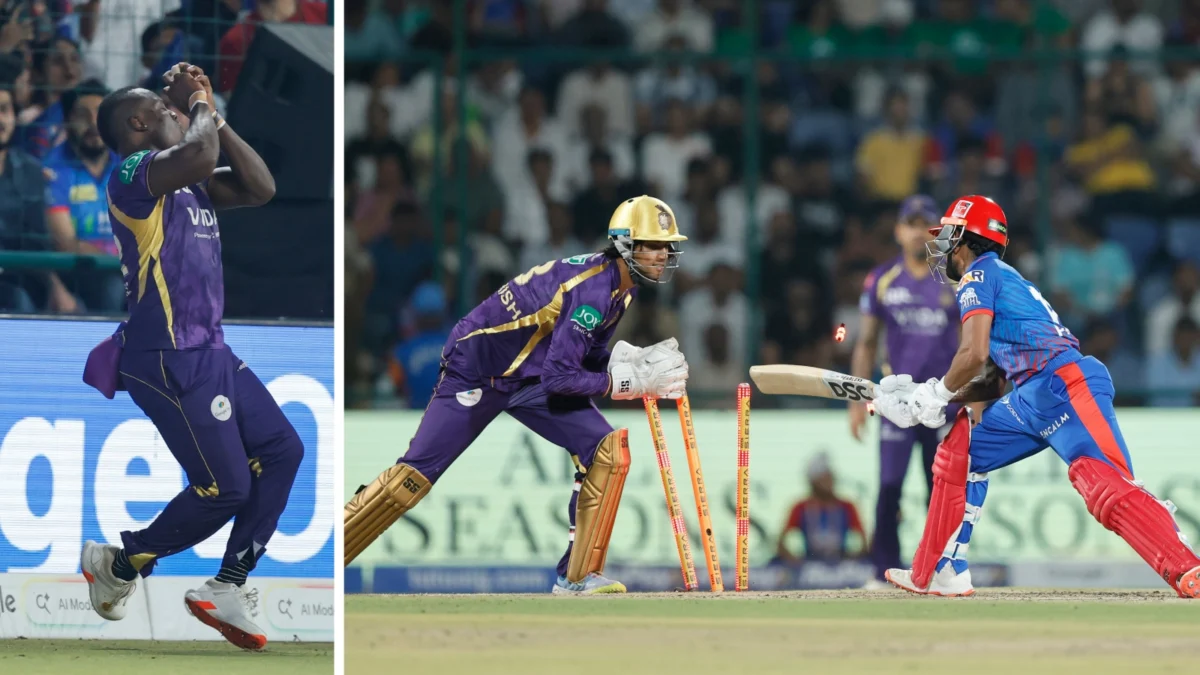
(Image: KKR fielding coach Dishant Yagnik has helped his team in improving ground fielding. (CREIMAS FOR IPL))
Main Facts: The Unveiling of a Multidimensional Talent
In the pulsating theatre of the Indian Premier League (IPL), where careers are forged and destinies rewritten in a matter of overs, a pivotal moment unfolded recently that underscored not just a team’s strategic brilliance but also the unwavering dedication of a young prodigy. Against the formidable Delhi Capitals, Kolkata Knight Riders’ (KKR) "Starboy" Angkrish Raghuvanshi executed a stumping that was as swift as it was decisive, ending Delhi’s aspirations and solidifying his burgeoning reputation as a wicketkeeper. This crucial dismissal of Pathum Nissanka, off the bowling of Anukul Roy, wasn’t merely a flash of brilliance; it was the culmination of a meticulously planned project initiated by the KKR franchise last September, aimed at transforming the promising batsman into a versatile gloveman.
The journey of Angkrish Raghuvanshi from a pure batting talent to a proficient wicketkeeper is a testament to KKR’s progressive player development philosophy and the collaborative efforts of its coaching staff. Head coach Abhishek Nayar, long convinced of the young Mumbaikar’s batting prowess, harboured a bolder vision: to harness Angkrish’s natural athleticism and mental fortitude for a more demanding role. This ambitious undertaking saw fielding coach Dishant Yagnik, a former Rajasthan wicketkeeper with IPL experience from 2011-2014, taking on the mantle of mentor. Yagnik, celebrated for his instrumental role in guiding Jammu and Kashmir to Ranji Trophy glory earlier in February – transforming them into one of domestic cricket’s finest fielding units – initially approached the task with a degree of skepticism. Yet, the successful stumping against Delhi Capitals, following ten initially quiet games, has not only vindicated KKR’s strategic gamble but also illuminated Raghuvanshi’s profound commitment to his team. This transformation offers KKR enhanced flexibility and a potent weapon for future campaigns, signaling a new era of multi-skilled cricketers emerging from the IPL ecosystem.
Chronology: A Journey from Vision to Validation
The narrative of Angkrish Raghuvanshi’s transition into a wicketkeeper is a meticulously charted course, beginning with an audacious vision and culminating in a moment of match-winning brilliance.
The Genesis: September’s Bold Vision
The seed of this transformative project was sown in September of the previous year. KKR coach Abhishek Nayar, known for his keen eye for talent and innovative coaching methodologies, approached fielding coach Dishant Yagnik with an intriguing proposition. Nayar had observed Angkrish Raghuvanshi’s innate batting talent, his fluid stroke play, and his undeniable potential with the bat. However, Nayar envisioned a more expansive role for the youngster, believing his athleticism, sharp reflexes, and mental acuity could be leveraged behind the stumps. The idea was to not just nurture a batsman but to craft a complete cricketer, capable of contributing significantly in multiple facets of the game.
Yagnik, himself a seasoned wicketkeeper from his playing days with Rajasthan and an IPL veteran, and fresh off the high of guiding Jammu and Kashmir to their Ranji Trophy triumph, was the ideal candidate to spearhead such a project. His experience, both as a player who understood the nuances of wicketkeeping and as a coach who could impart that knowledge, was invaluable. However, the undertaking was not without its initial challenges.
The Mentor’s Hesitation and Eventual Commitment
"In September I doubted myself when Nayar asked me ‘Can you make him a keeper?’ I thought twice before saying yes to him," Yagnik candidly recalled in the dressing room post-match huddle after the Delhi Capitals game. This admission highlights the magnitude of the task and the inherent skepticism associated with transforming a specialist batsman into a frontline wicketkeeper at the highest level of T20 cricket. Wicketkeeping demands a unique blend of physical agility, unwavering concentration, swift reflexes, and a deep understanding of the game’s ebb and flow. It’s a role that often takes years of specialized training to master, and to fast-track a young talent into it within a single season was a considerable gamble.
Despite his initial reservations, Yagnik’s belief in Nayar’s vision and Angkrish’s potential ultimately won out. He committed to the project, understanding the strategic advantage a multi-skilled player like Raghuvanshi could bring to the KKR squad. This commitment marked the true beginning of Angkrish’s wicketkeeping journey, a path that would demand immense dedication from both mentor and protégé.
Pre-Season Transformation: Forging a Stumper
With the commitment secured, Angkrish’s pre-season regimen became a crucible of transformation. Nayar and Yagnik meticulously designed a training program focused on building the specific physical attributes required for wicketkeeping. This included intensive fitness and flexibility workouts, targeting core strength, leg power, and agility – all crucial for sustained crouching, quick movements, and acrobatic catches. Drills for glovework, footwork, and anticipation were integrated into his daily routine, pushing him beyond his comfort zone as a batsman.
The rigorous nature of his training was underscored when Angkrish topped Nayar’s circuit test, an outdoor improvised Hyrox of sorts. This grueling test, designed to assess comprehensive fitness and endurance, saw the young player excel, demonstrating not just his natural athleticism but also his extraordinary work ethic and determination. His physical readiness was paramount, but equally important was the mental conditioning to adapt to a role that demands constant vigilance and quick decision-making under pressure.
The Crucible of Early Games: Quiet Beginnings
Following the intensive pre-season, Angkrish was unleashed into the high-octane environment of the IPL. However, his initial foray into the dual role was characterized by "10 quiet, uneventful games." While he continued to contribute with the bat, his performances behind the stumps, though steady, lacked the standout moments that define a keeper’s impact. There were no spectacular catches or lightning-fast stumpings that garnered headlines. This period was crucial for his development, allowing him to acclimatize to the pressures of the role in competitive matches without the added burden of immediate expectation for highlight-reel plays. It was a phase of learning, observation, and quiet refinement, supported by the calm and encouraging environment fostered by the KKR management.
The Breakthrough Moment: Against Delhi Capitals
The patience and persistent training finally paid off in spectacular fashion against the Delhi Capitals. In a high-stakes encounter, with Delhi chasing a challenging total, Angkrish Raghuvanshi produced the moment that announced his arrival as a wicketkeeper. Off the bowling of the left-arm spinner Anukul Roy, Pathum Nissanka, Delhi’s hope, stepped out of his crease, misjudging the line and length. In a blur of motion, Angkrish collected the ball cleanly and whipped off the bails with a precision that belied his relatively new role. The stumping was executed with the finesse of a seasoned gloveman, ending Nissanka’s innings and, critically, extinguishing Delhi’s hopes of victory.
This single act of brilliance was more than just a dismissal; it was a powerful validation of the entire project. It proved that KKR’s vision, Yagnik’s coaching, and Angkrish’s relentless effort had indeed forged a formidable new talent. The "Starboy" had not only completed 1000 runs in his career but had also successfully taken on the big gloves, fulfilling the bold ambition set for him months prior.
Supporting Data: Angkrish’s Roots and KKR’s Calm Culture
The success of Angkrish Raghuvanshi’s transformation is deeply rooted in his personal journey, his intrinsic motivation, and the unique, supportive environment cultivated within the Kolkata Knight Riders franchise.
Angkrish’s Cricketing DNA: Inspiration and Discipline
Angkrish’s journey into cricket is painted with the familiar strokes of a young Indian boy inspired by national heroes. Speaking to JioHotstar, he recalled, "In my childhood I used to watch cricket a lot, since watching India win the 2011 World Cup." That iconic victory, spearheaded by India’s then-captain and legendary wicketkeeper-batsman MS Dhoni, undoubtedly left an indelible mark on a generation of aspiring cricketers, including Angkrish. Dhoni’s calm demeanor under pressure, his audacious finishes, and his unparalleled wicketkeeping skills served as a powerful template for many, perhaps unconsciously guiding Angkrish towards the very role he now excels in.
His early days were marked by a youthful exuberance that needed channelizing. "Then we used to play in our colony. I was naughty. My dad had to keep me in check. So he gave me homework daily," he remembered. This anecdote offers a glimpse into his personality: spirited, energetic, but also disciplined from a young age. This parental emphasis on discipline likely instilled in him the work ethic and commitment necessary to undertake the rigorous training required for his wicketkeeping transition. The ability to focus, absorb instructions, and execute demanding tasks, honed by his father’s structured approach, became invaluable assets in his cricketing development.
The Delhi-Bombay Divide: A Tale of Two Cities
Despite his parents residing in Delhi, Angkrish quickly clarifies his identity, proudly proclaiming himself a "Bombay wallah." "At 11 we shifted to Bombay. Ab Bombay wallah hi ho gaya hoo. Main khudko bombaywalah zyada maantaa hoo," he would say. This geographical shift at a formative age clearly shaped his sense of belonging and cultural identity. While he fondly recalls the culinary delights of Delhi – "Chhole bhature and butter chicken – just that I miss about Delhi. I had both this time," he would laugh – his heart firmly belongs to the bustling metropolis of Mumbai, a city synonymous with producing cricketing talent. This personal touch adds a relatable human dimension to his story, showcasing a young man grounded in his experiences while navigating the demands of professional sport.
His candidness extends to his dietary preferences too, with a playful admission: "Everyday is a a cheat meal, I love icecream." This lightheartedness, coupled with the KKR team’s thoughtful gesture of bringing him special kaju katli, chocolate fudge, and ice cream from his mother for Mother’s Day, illustrates the strong bonds and familial atmosphere within the KKR camp. Such gestures go beyond professional obligations, fostering a sense of belonging and well-being that can significantly impact a player’s performance.
The KKR Ecosystem of Calm: A Catalyst for Turnaround
Angkrish’s development, both as a player and a person, has flourished within the "calm surroundings" fostered by KKR’s leadership. The influence of seasoned figures like coach Abhishek Nayar, the experienced Ajinkya Rahane, the ever-reliable Tim Southee, and of course, Dishant Yagnik, has been pivotal. This collective wisdom and composed approach create an environment where young players can learn, experiment, and even falter without succumbing to excessive pressure.
This philosophy of "calm over aggro" proved instrumental during a challenging phase for KKR. After enduring a frustrating run of six losses, the team staged a remarkable comeback, securing four consecutive wins. Angkrish himself articulated the essence of this turnaround, speaking to IPLT20 after a tricky chase: "Actually you spoke about being calm, it helps better than being aggro… When we were losing, there was no chaos around the team. We knew we have the game, we’ll play smartly." This statement is profoundly insightful, highlighting that true resilience comes not from aggressive posturing but from internal clarity, strategic thinking, and an unwavering belief in one’s process, even when faced with adversity. This calm collective mentality allowed KKR to navigate their slump and rediscover their winning form, with Angkrish’s emergence as a keeper being a significant part of that resurgence.
The Demands of the Gloves: Commitment to the Team
The role of a wicketkeeper in T20 cricket is physically grueling and mentally taxing. It demands constant engagement, split-second decisions, and an exceptional level of fitness. Angkrish openly acknowledged this challenge: "It’s tiring as keeper…" The physical toll of crouching for potentially 20 overs, coupled with the mental strain of tracking every delivery, anticipating deflections, and being ready for stumpings or catches, is immense.
However, his commitment to the team shines through in his immediate follow-up: "But I’m ready to do whatever is needed for the team." This selfless attitude is a hallmark of a true team player and speaks volumes about his character. It indicates a willingness to embrace demanding roles, step outside his comfort zone, and prioritize the team’s requirements above personal preferences. This dedication is precisely what makes him such a valuable asset to KKR and a testament to the success of the wicketkeeping project.
Official Responses: Voices of Vision and Dedication
The success story of Angkrish Raghuvanshi as a wicketkeeper is best encapsulated through the candid reflections of those directly involved – his coach, his mentor, and the player himself. Their words offer invaluable insight into the vision, the initial doubts, and the unwavering commitment that underpinned this remarkable transformation.
Dishant Yagnik, the KKR fielding coach who took on the challenging task of mentoring Angkrish, revealed the magnitude of the gamble and his initial apprehension. "In September I doubted myself when Nayar asked me ‘Can you make him a keeper?’ I thought twice before saying yes to him," Yagnik recalled in the intimate setting of the KKR dressing room post-match huddle. This honesty underscores the significant challenge associated with converting a specialist batsman into a front-line wicketkeeper at the professional level. It wasn’t a decision taken lightly, and Yagnik’s eventual acceptance speaks volumes about his trust in Abhishek Nayar’s judgment and, crucially, his belief in Angkrish’s raw potential and work ethic. His pride in the outcome, evident in his post-match comments, was palpable, a testament to the successful fruition of a demanding project.
Angkrish himself offered glimpses into his formative years and the inspirations that shaped his cricketing aspirations. "In my childhood I used to watch cricket a lot, since watching India win the 2011 World Cup," he shared with JioHotstar. This early exposure to high-stakes cricket and the triumph of the national team, particularly under the captaincy of a legendary wicketkeeper like MS Dhoni, undoubtedly sowed the seeds of his passion for the game. It’s a common thread among many young Indian cricketers, highlighting the profound impact of national sporting achievements on individual dreams.
Further reflecting on his personal identity, Angkrish humorously navigated the question of his roots. While his parents reside in Delhi, he proudly identifies with his adopted city. "At 11 we shifted to Bombay. Ab Bombay wallah hi ho gaya hoo. Main khudko bombaywalah zyada maantaa hoo," he declared. This assertion of his "Bombay wallah" identity, despite his Delhi connections, adds a charming and personal layer to his public persona, showcasing a young man comfortable and confident in his self-perception. His playful remarks about Delhi’s chhole bhature and butter chicken, contrasted with his self-professed love for ice cream, further humanize the "Starboy," making him relatable to fans.
On the field, Angkrish echoed the team’s philosophy of maintaining composure, a strategy that proved crucial in KKR’s turnaround. Speaking to IPLT20 after a challenging chase, he articulated the team’s approach: "Actually you spoke about being calm, it helps better than being aggro… When we were losing, there was no chaos around the team. We knew we have the game, we’ll play smartly." This quote from Angkrish directly validates the calm and supportive environment fostered by Nayar, Rahane, Tim Southee, and Yagnik. It illustrates how this culture of composure enabled the team to navigate a period of six losses and emerge stronger with a four-win streak, reinforcing the idea that mental fortitude often triumphs over aggressive impulsiveness.
Finally, addressing the physical demands of his new role, Angkrish’s dedication shone through. "It’s tiring as keeper… But I’m ready to do whatever is needed for the team," he affirmed. This statement encapsulates his commitment to the team’s cause, highlighting his selfless approach and willingness to embrace any challenge for the collective good. It is this blend of talent, inspiration, personal grounding, and unwavering commitment that has propelled Angkrish Raghuvanshi to become a pivotal figure in KKR’s lineup.
Implications: A Blueprint for Versatility and KKR’s Future
The successful transformation of Angkrish Raghuvanshi into a competent wicketkeeper carries significant implications, not just for his individual career but also for the Kolkata Knight Riders franchise and potentially for broader cricketing strategies.
For Angkrish, this new dimension to his game drastically alters his career trajectory. No longer just a promising batsman, he is now a multi-skilled asset, a rare commodity in modern cricket, especially in the demanding format of T20s. This versatility opens up a multitude of opportunities, making him an invaluable prospect for higher honors, including potential consideration for national team duties in the future. A player who can consistently deliver runs with the bat and provide reliable glovework offers immense flexibility in team composition, allowing selectors to balance the squad more effectively. It positions him as a complete cricketer, capable of influencing the game in multiple phases, thereby enhancing his value and longevity in the sport.
For KKR, the success of this project is a strategic masterstroke. It strengthens their playing XI by providing an additional wicketkeeping option, reducing reliance on a single specialist, and potentially freeing up a spot for another bowler or batsman. This tactical flexibility is crucial in the dynamic environment of the IPL, allowing the team to adapt to different pitch conditions and opposition strengths. More profoundly, it validates KKR’s innovative approach to player development. The franchise has demonstrated a willingness to invest in bold ideas and nurture talent beyond conventional roles, setting a precedent for player growth within their ecosystem. This success can attract more young talents to KKR, seeing it as a franchise that not only identifies potential but actively cultivates it, even if it means challenging traditional roles. The immediate implication for KKR is a more robust, adaptable, and confident squad, especially evident in their recent turnaround from six losses to four wins, where Angkrish’s contribution played a part.
Beyond KKR, this project could serve as a blueprint for other franchises and national teams. In an era where multi-utility players are highly prized, the deliberate conversion of a talented batsman into a wicketkeeper could become a more widespread strategy. It encourages coaches to look beyond established roles and identify hidden potential in players, fostering a new generation of versatile cricketers. The Angkrish Raghuvanshi story is a testament to the power of vision, dedicated mentorship, and an individual’s unwavering commitment to adapt and excel. It underscores that with the right environment and belief, the "Starboy" can indeed shine brighter, not just with the bat, but also with the gloves, defining a new era of cricketing excellence.
