In the high-stakes world of conservation photography, where the line between artistic expression and environmental advocacy often blurs, Rukhiya Mohammed has emerged as a definitive voice for one of India’s most overlooked ecosystems. By winning the prestigious Portfolio Category at the Nature inFocus Awards 2025, Mohammed has not only secured a personal milestone but has thrust the ecological crisis of the Eastern Ghats into the international spotlight. Her winning series, titled “Echoes from the Eastern Ghats,” serves as both a requiem and a wake-up call, documenting the rapid transformation of a landscape that is being systematically dismantled by human ambition.
Main Facts: A Landmark Win for Conservation Storytelling
The Nature inFocus Photography Awards are widely regarded as India’s premier platform for wildlife and conservation photography. Each year, the competition draws thousands of entries from across the globe, judged by a panel of world-renowned photographers, ecologists, and conservationists. Winning the Portfolio category is a significant feat, as it requires more than just a single "lucky shot"; it demands a cohesive narrative, technical excellence, and a deep, sustained engagement with the subject matter.
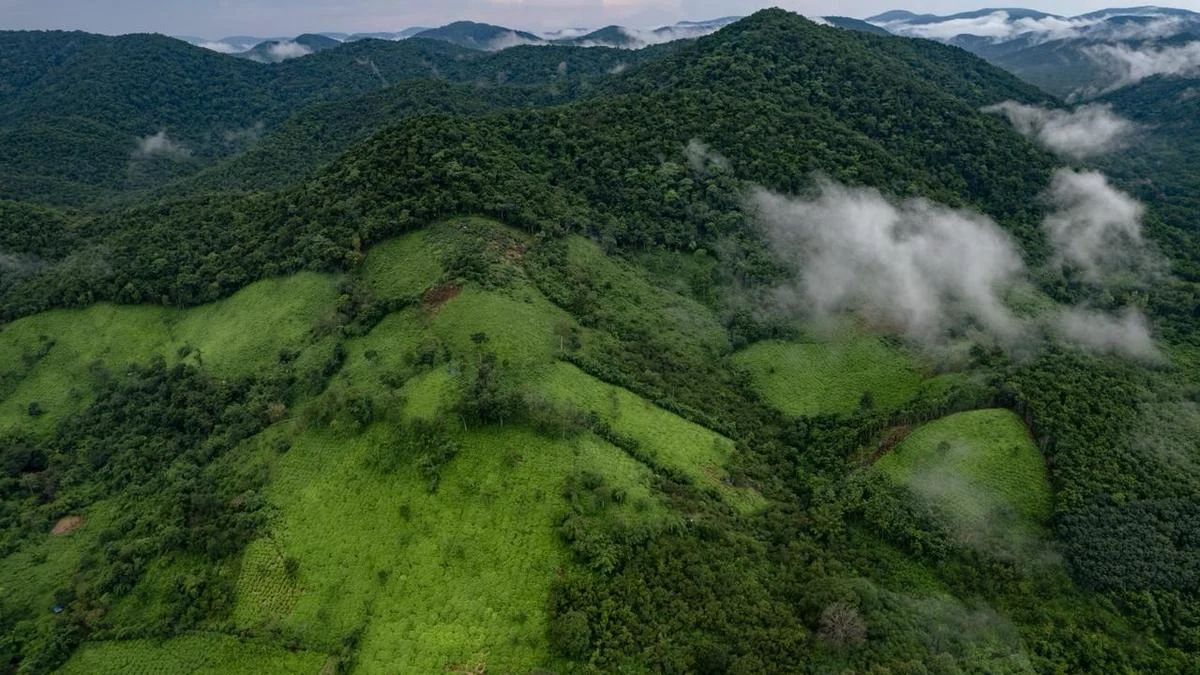
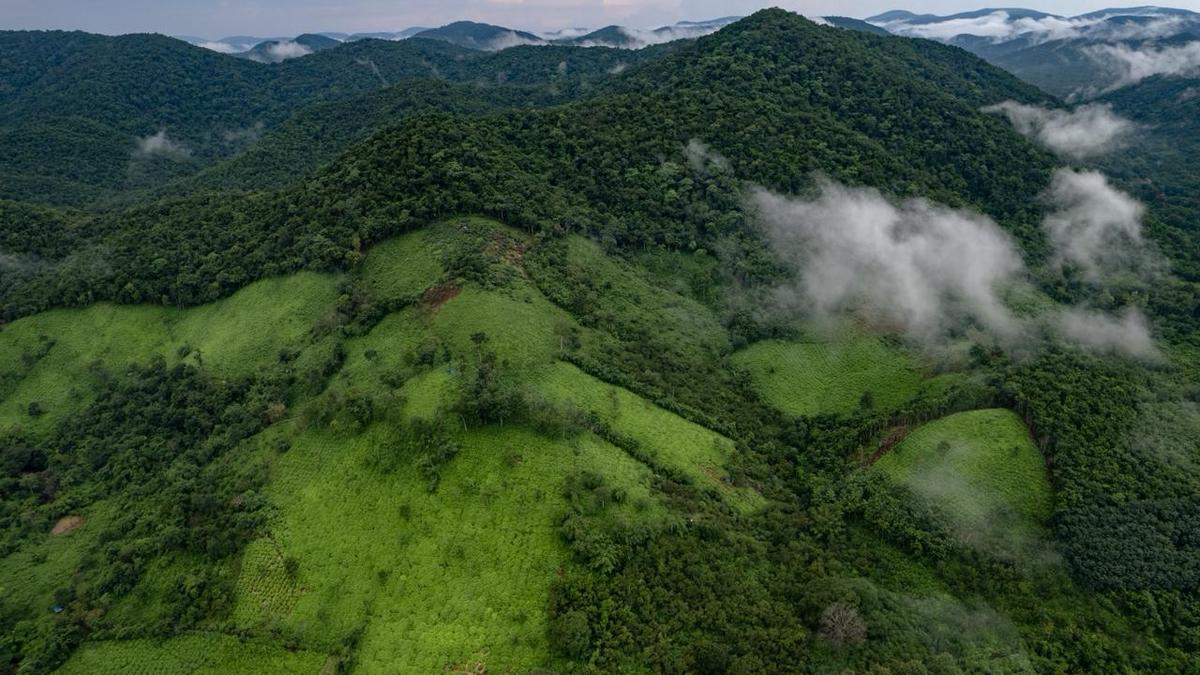
Rukhiya Mohammed’s portfolio, “Echoes from the Eastern Ghats,” achieved this by utilizing a unique aerial perspective. Through the lens of a drone, she captured the intersection of nature and "progress." Her work does not merely show the beauty of the mountains; it exposes the structural violence of deforestation, mining, and unplanned urbanization. The award citation specifically lauded her ability to highlight how human actions—ranging from tourism projects to industrial excavations—are reshaping fragile mountain ecosystems.
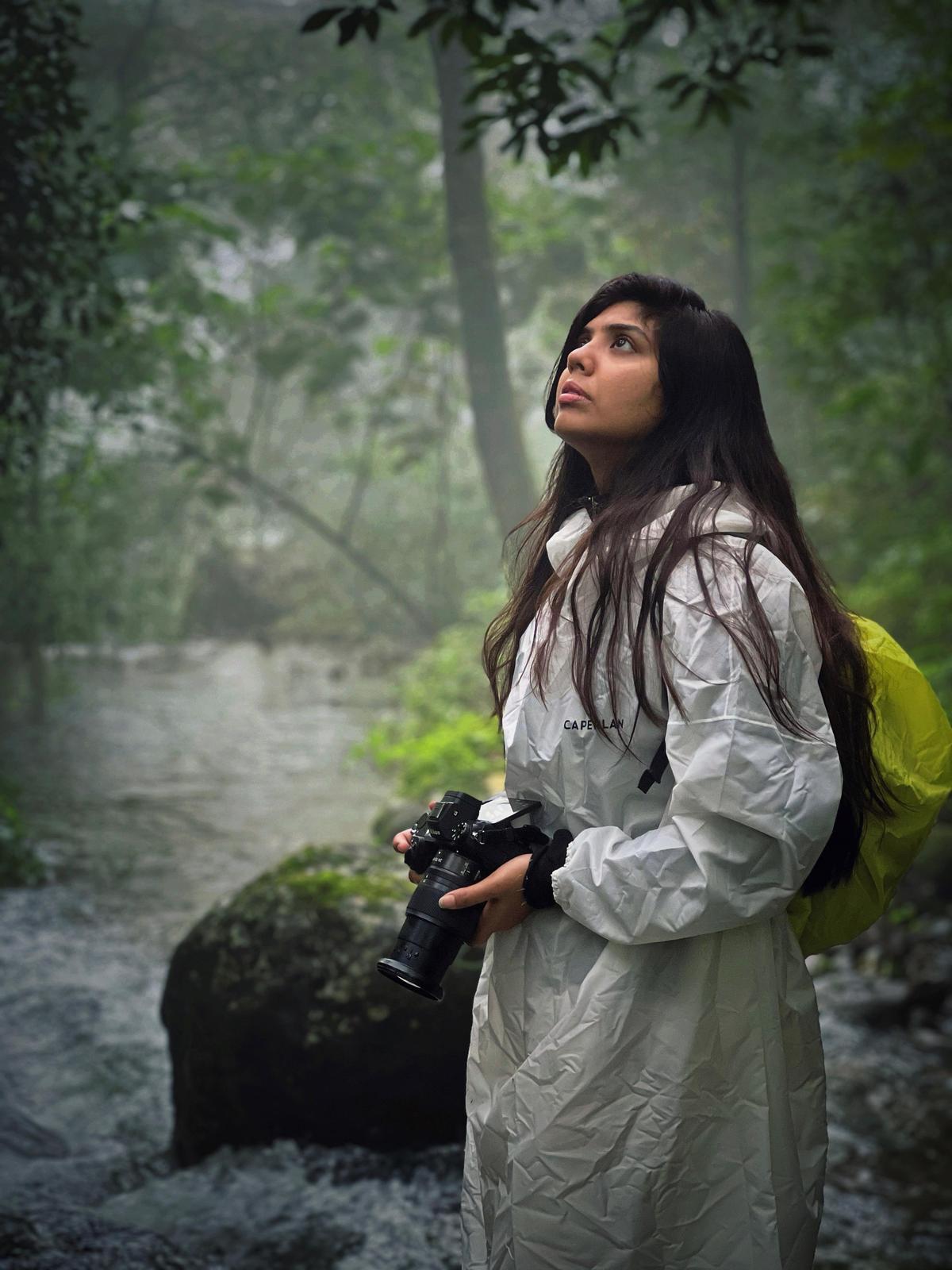
Born in the coastal city of Kakinada and currently based in Hyderabad, Mohammed’s work is deeply rooted in her personal history with the Andhra Pradesh landscape. Her transition from a nature lover to a celebrated photographer represents a growing movement of Indian visual storytellers who are using their craft to document the Anthropocene—the current geological age where human activity is the dominant influence on climate and the environment.
Chronology: From Coastal Roots to Global Recognition
To understand the depth of “Echoes from the Eastern Ghats,” one must trace the trajectory of the artist herself. Mohammed’s journey began in the fertile, coastal belts of Andhra Pradesh, where the proximity to the sea and the hills fostered an early intimacy with the natural world.
Early Influences: Growing up in Kakinada, Mohammed was witness to the inherent beauty of the Eastern Ghats, a discontinuous range of mountains that runs parallel to the Bay of Bengal. However, she also witnessed the creeping expansion of human settlements and the subtle thinning of the green canopy.
The Shift to Advocacy: As Mohammed traveled more extensively, her passion for the outdoors evolved. She became a certified scuba diver, exploring the underwater ecosystems of the Indian Ocean, which further sharpened her understanding of the interconnectedness of all biomes. It was during these travels that she noticed the alarming rate of change in her home state.
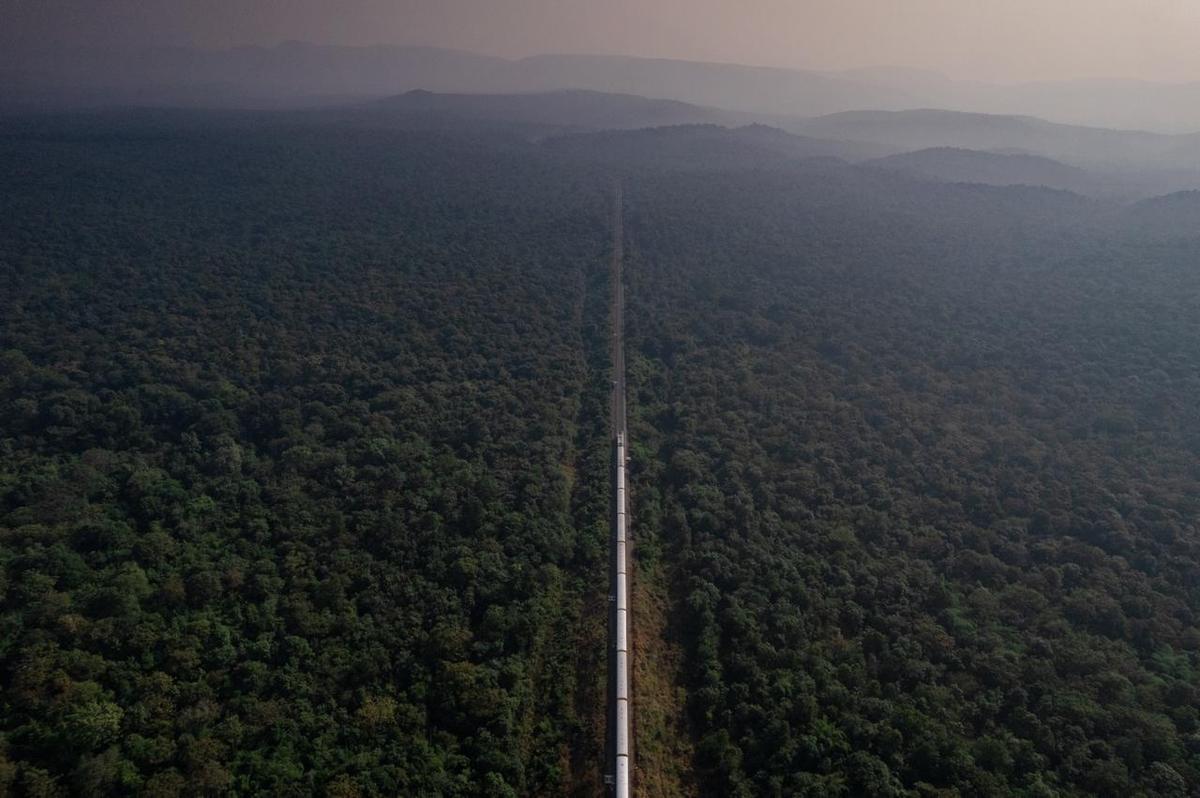
The Project Conception: Approximately three years ago, Mohammed began focusing her lens specifically on the Eastern Ghats. Realizing that ground-level photography often failed to capture the sheer scale of the destruction, she adopted drone technology. This allowed her to document the "macro" view of environmental loss—seeing how a single road can bifurcate an entire forest or how a mining pit can hollow out a mountain.
Recognition in 2025: After years of documenting these changes, Mohammed compiled her most poignant images into a portfolio. The submission to Nature inFocus was intended to bring visibility to a mountain range that often lives in the shadow of the more famous Western Ghats.
Supporting Data: The Ecological Crisis of the Eastern Ghats
While the Western Ghats are a well-known UNESCO World Heritage site and a global biodiversity hotspot, the Eastern Ghats have historically received less conservation attention and legal protection. Rukhiya Mohammed’s photography brings visual evidence to a series of alarming ecological trends.
1. Fragmentation and Connectivity
The Eastern Ghats are a discontinuous range, meaning they are already naturally fragmented. Human intervention has exacerbated this. Mohammed’s portfolio captures railway tracks and multi-lane highways slicing through ancient elephant corridors and leopard habitats. According to ecological studies, such fragmentation leads to "island biogeography," where isolated populations of species become more vulnerable to extinction.
2. The Mining Menace
The Eastern Ghats are rich in minerals, including bauxite, limestone, and granite. Mohammed’s images of "hills flattened for construction" are not metaphors; they are literal documentations of the mining industry. Large-scale quarrying in regions like the Araku Valley and the Nallamala Hills has led to massive soil erosion and the destruction of the watershed, which millions of people downstream depend on for water.
3. Urbanization and "Green" Loss
The city of Hyderabad, where Mohammed is currently based, and other hubs like Visakhapatnam, are expanding rapidly into the foothills. The portfolio shows the "shrinking green spaces pressed against expanding cities." Data from the Forest Survey of India (FSI) has frequently noted that while total "forest cover" might appear stable on paper due to plantations, the "natural forest" in the Eastern Ghats is declining, replaced by monocultures or urban sprawl.
4. Endemic Biodiversity
The Eastern Ghats are home to several endemic species, such as the Golden Gecko and the Jeypore Ground Gecko, as well as unique flora like the Red Sanders tree. Mohammed’s work emphasizes that when these landscapes change, we aren’t just losing trees; we are losing a unique genetic heritage that exists nowhere else on Earth.
Official Responses: Voices from the Field
The recognition of Mohammed’s work has sparked a dialogue among conservationists and the photographic community.
In her acceptance speech and subsequent interviews, Rukhiya Mohammed articulated the emotional weight of her work:
"This project comes from a place of deep concern and love for the Eastern Ghats. I wanted people to see what is happening to these landscapes from a larger perspective. Photography, for me, is about documenting change and starting conversations around conservation. When people emotionally connect with an image, they begin to care. That connection can inspire responsibility and action."
The Nature inFocus Jury highlighted the necessity of her perspective in their official citation:
"Rukhiya Mohammed’s portfolio is a stark reminder of the fragility of our mountain ecosystems. Her work masterfully illustrates the cumulative impact of human actions—deforestation, construction, mining, and tourism. It is a vital document of our times, bridging the gap between artistic excellence and environmental journalism."
Local conservation groups in Andhra Pradesh and Telangana have also hailed the win. Activists hope that the international visibility of the Nature inFocus Awards will pressure regional governments to implement stricter environmental impact assessments (EIAs) for projects within the Eastern Ghats.
Implications: The Power of the Aerial Perspective
The success of “Echoes from the Eastern Ghats” has several far-reaching implications for the future of environmentalism in India.
The Democratization of Conservation
Mohammed’s journey from a self-taught photographer to an award winner suggests that conservation is no longer the exclusive domain of scientists and academics. Visual storytellers play a crucial role in translating complex ecological data into a language that the general public can understand and feel.
The Role of Technology in Witnessing
The use of drones in Mohammed’s work represents a shift in how we "witness" environmental crime. Aerial photography removes the viewer from the immediate beauty of a single tree and forces them to confront the "landscape-level" devastation. It provides a "God’s-eye view" that makes it impossible to ignore the scale of the scars left by mining and roads. This type of imagery is increasingly being used in legal battles and policy advocacy to prove environmental degradation.
A Call for Legal Recognition
There is a growing movement to have the Eastern Ghats recognized with the same level of protection as the Western Ghats. Mohammed’s portfolio provides the visual evidence needed to support this claim. By showing the Eastern Ghats not as a series of isolated hills but as a "living ecosystem carrying stories of survival," her work advocates for a holistic conservation approach that transcends state borders.
Inspiring the Next Generation
As a woman in a field—wildlife and drone photography—that has traditionally been male-dominated, Rukhiya Mohammed’s win is also a cultural milestone. It paves the way for more diverse voices to enter the field of conservation photography, bringing new perspectives and different emotional resonances to the stories of our planet.
Conclusion
Rukhiya Mohammed’s “Echoes from the Eastern Ghats” is more than a prize-winning portfolio; it is a historical record of a landscape at a crossroads. As the mountains continue to be reshaped by the demands of a modernizing India, Mohammed’s images remain as a haunting reminder of what is at stake. Her work suggests that while the echoes of the Eastern Ghats may be fading, they are not yet silent. Through the power of the lens, there is still a chance to listen, to care, and ultimately, to act.