

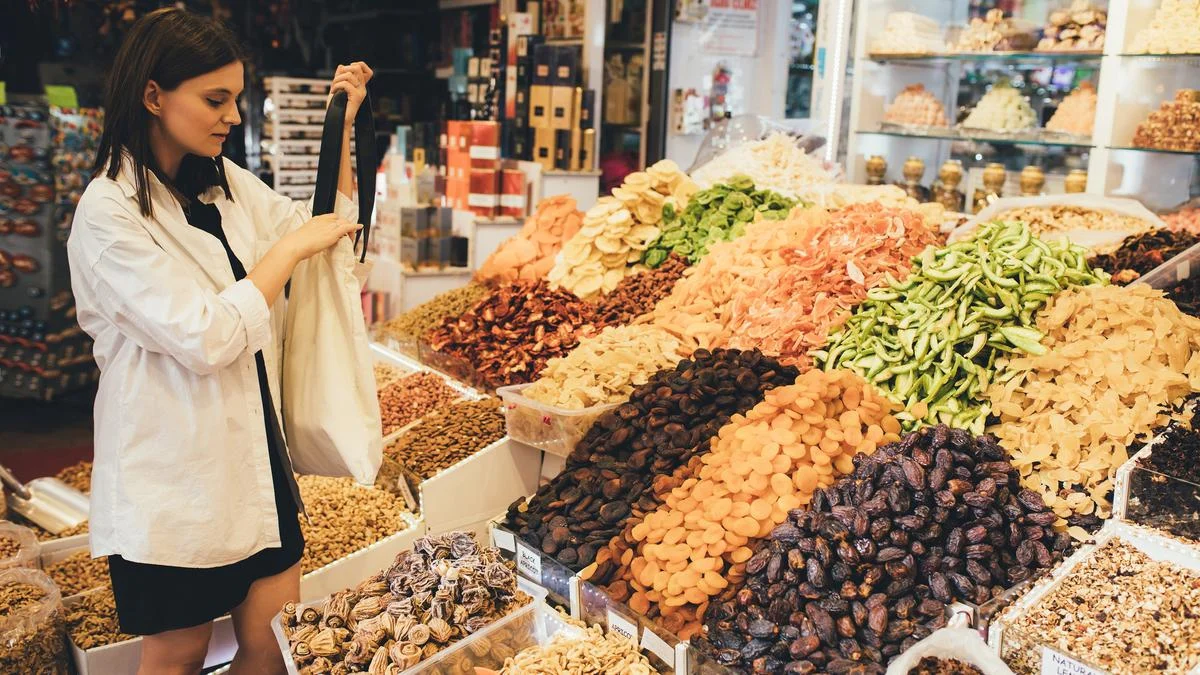
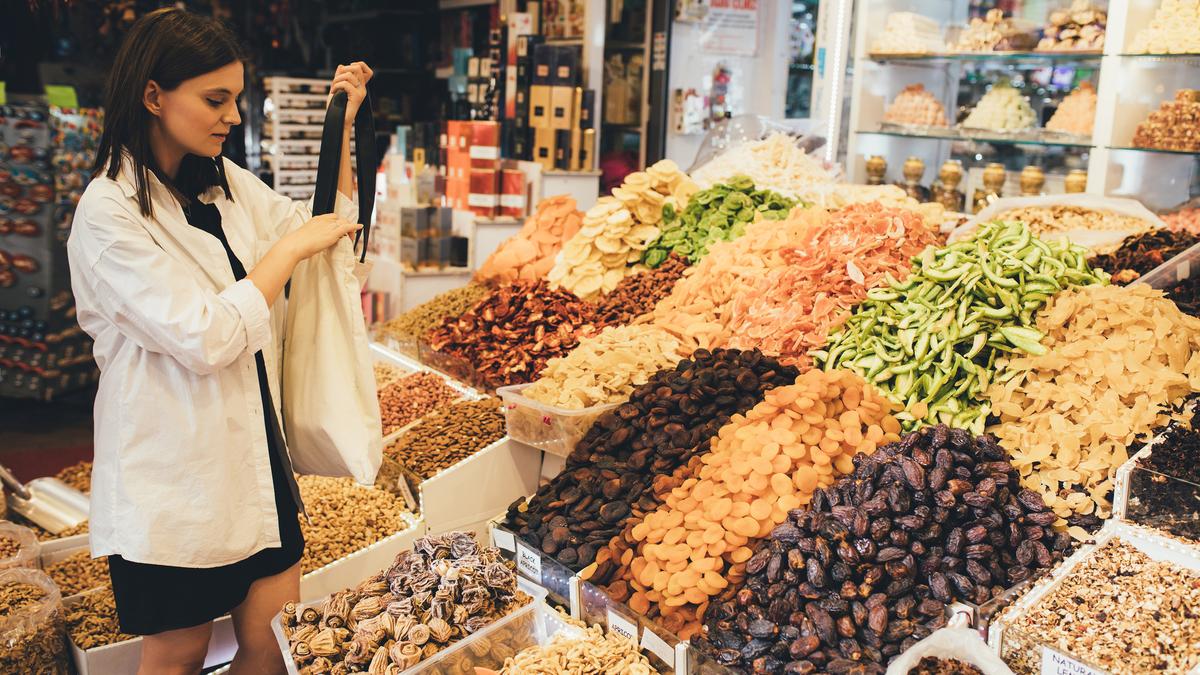
In the bustling aisles of a high-end supermarket in Tokyo’s Ginza district, or amidst the aromatic chaos of a spice market in Lucknow, a new kind of Indian traveller is emerging. They are not looking for the nearest monument or the most popular selfie spot. Instead, they are armed with digital checklists, scanning shelves for artisanal miso paste, heirloom cookware, or cold-pressed oils. This is the era of "grocery tourism"—a phenomenon where the supermarket has replaced the souvenir shop, and the pantry has become the ultimate travel diary.
Recent data suggests a seismic shift in how Indians perceive travel. According to industry reports, a staggering 84% of Indian travellers are now open to—and actively seeking out—kitchen or pantry staples while on holiday. This trend transcends the casual purchase of a box of chocolates; it is a deep dive into the culinary DNA of a destination. From Bali’s vibrant spice markets and Tokyo’s legendary cookware districts to the hyperlocal bazaars of Goa, the Indian traveller is increasingly exploring the world through the lens of ingredients.
Main Facts: The Evolution of the Souvenir
For decades, the Indian "souvenir" was a predictable affair: a miniature Eiffel Tower, a fridge magnet from London, or perhaps a pashmina from Kashmir. However, as the Indian middle class becomes more well-travelled and globally connected, their appetites have evolved. The modern traveller seeks authenticity, and nothing offers a more unfiltered glimpse into a culture than its food supply chain.
Karthika Ganapathy, a Chennai-based finance professional, exemplifies this new demographic. For her, travel is an opportunity to stock her kitchen with items that cannot be found on local e-commerce platforms. She maintains curated Google Lists categorized by destination: ingredients, snacks, meats, and cookware. "When I go to Japan, I’m not just looking for ramen; I’m looking for the specific dried kelp and the high-carbon steel knives that make the ramen possible at home," she explains.
This shift is driven by several factors:
- Culinary Literacy: Increased exposure to global cooking shows and digital content has made Indian consumers more aware of specific ingredients like Gochujang from Korea, Sumac from the Middle East, or Truffle oil from Italy.
- The "Home Chef" Movement: The COVID-19 pandemic turned many into hobbyist chefs. Now, as they travel, they seek the "real" versions of ingredients they experimented with during lockdowns.
- Experiential Luxury: In an age of mass-produced goods, a jar of honey from a specific forest in Bali or a bottle of artisanal vinegar from a Goan village represents a form of luxury that money can’t easily buy at a local mall.
Chronology: From Sightseeing to "Stocking Up"
The trajectory of Indian tourism over the last two decades shows a clear path toward this grocery-centric travel.
The 2000s: The Era of the Package Tour
In the early 2000s, Indian outbound travel was dominated by the "all-inclusive" package. Travellers were whisked from one landmark to another, often eating at Indian restaurants abroad. Shopping was confined to duty-free outlets and major international brands.
The 2010s: The Rise of "Instagrammable" Dining
With the explosion of social media, the focus shifted to the "plate." Travellers sought out famous restaurants and street food stalls to photograph their meals. However, the experience ended when the plate was cleared.
2020–2023: The Pandemic Pivot
The global lockdowns forced a retreat into the kitchen. Deprived of travel, Indians began ordering exotic ingredients online. This period cultivated a deeper appreciation for the "source" of food.
2024–Present: The Grocery Tourism Boom
As travel returned to full strength, the curiosity developed during the pandemic translated into a new travel mission. Supermarkets like Don Quijote in Japan or Monoprix in France have become primary tourist destinations. Domestically, travellers are heading to Lucknow not just for the Imambara, but for the specific attars (edible essences) and spices used in Awadhi cuisine.
Supporting Data: Understanding the Shift
The statistic that 84% of Indian travellers are interested in pantry staples is supported by broader consumer trends. Market research indicates that the Indian outbound travel market is expected to surpass $42 billion by the end of 2024. Within this segment, "food and beverage" spending has risen to take up nearly 25-30% of the total trip budget.
Furthermore, search data reveals a spike in queries such as "best supermarkets in Bali" or "where to buy authentic spices in Kochi." This is particularly prevalent among Millennials and Gen Z, who value "local immersion" over traditional sightseeing.
In Tokyo, the Kappabashi-dori (Kitchen Town) has seen a noticeable increase in Indian footfall. Historically a wholesale district for restaurant owners, it is now a must-visit for Indian tourists looking for high-quality Japanese knives and copper tamagoyaki pans. Similarly, in Bali, supermarkets like Bintang or Pepito have become hubs for Indians stocking up on Sambal (chili paste), organic sea salts, and Luwak coffee.
Official Responses and Industry Perspectives
Travel experts and culinary professionals view this trend as a maturation of the Indian consumer.
"Grocery tourism is a sign that the Indian traveller is no longer a spectator; they are a participant," says Vikram Singh, a luxury travel consultant. "They want to bring the culture home. We are seeing a demand for itineraries that include ‘market walks’ led by local chefs rather than just standard city tours."
Airlines have also taken note. Several international carriers operating out of India have observed that "excess baggage" is frequently composed of food items and kitchenware. "We see a lot of heavy boxes coming from Europe and Southeast Asia," says a ground handling manager at Mumbai International Airport. "It’s rarely clothes anymore. It’s olive oil, cheese, specialized pans, and regional spices."

Culinary historians believe this is a return to form. "Historically, trade routes were built on the movement of ingredients," says Dr. Ananya Roy, a food anthropologist. "Indians have always had a deep connection to the ‘source’ of their food. What we are seeing now is the modern, globalized version of the ancient spice trade, driven by personal curiosity rather than corporate commerce."
Implications: The Future of Travel and Retail
The rise of grocery tourism has significant implications for the travel industry, local economies, and international retail.
1. Customization of Travel Itineraries
Travel agencies are increasingly offering "culinary shopping" add-ons. Instead of a generic mall visit, agents are booking slots at heritage stores or helping travellers navigate the logistics of shipping heavy cookware back to India.
2. The Reinvention of the Supermarket
International supermarkets in high-traffic tourist areas are beginning to cater to this demographic. Signage in multiple languages, including English and sometimes Hindi, and "tourist-friendly" packaging (leak-proof, vacuum-sealed) are becoming more common.
3. Economic Impact on Local Artisans
In domestic destinations like Goa or Lucknow, this trend provides a direct boost to local artisans. Small-scale producers of Goan choriz (sausages) or Lucknowi potli masalas are finding a wider audience as domestic tourists prioritize these purchases over traditional handicrafts.
4. Logistics and Regulations
As more travellers carry food items across borders, there is an increased need for awareness regarding customs regulations. While most pantry staples are permissible, fresh produce and meats often face strict bio-security laws. This has led to a niche market for "travel-safe" packaged local foods that meet international shipping standards.
5. The "Souvenir 2.0" Philosophy
The shift toward grocery tourism reflects a change in values. A souvenir is no longer a static object to be displayed on a shelf; it is a functional item that integrates into the traveller’s daily life. When Karthika Ganapathy uses a spice blend from a market in Bali to cook dinner for her family in Chennai, she is not just eating; she is reliving her journey.
Conclusion
Grocery tourism is more than a passing fad; it is a reflection of the modern Indian traveller’s desire for a deeper, more tactile connection with the world. By trading the souvenir shop for the snack aisle, these travellers are ensuring that their memories are not just seen, but tasted and shared. As the world becomes increasingly homogenized, the search for the "authentic ingredient" remains one of the last frontiers of true exploration. For the 84% of Indians looking to fill their suitcases with the flavours of the world, the journey doesn’t end when they land—it continues every time they step into their kitchen.
