

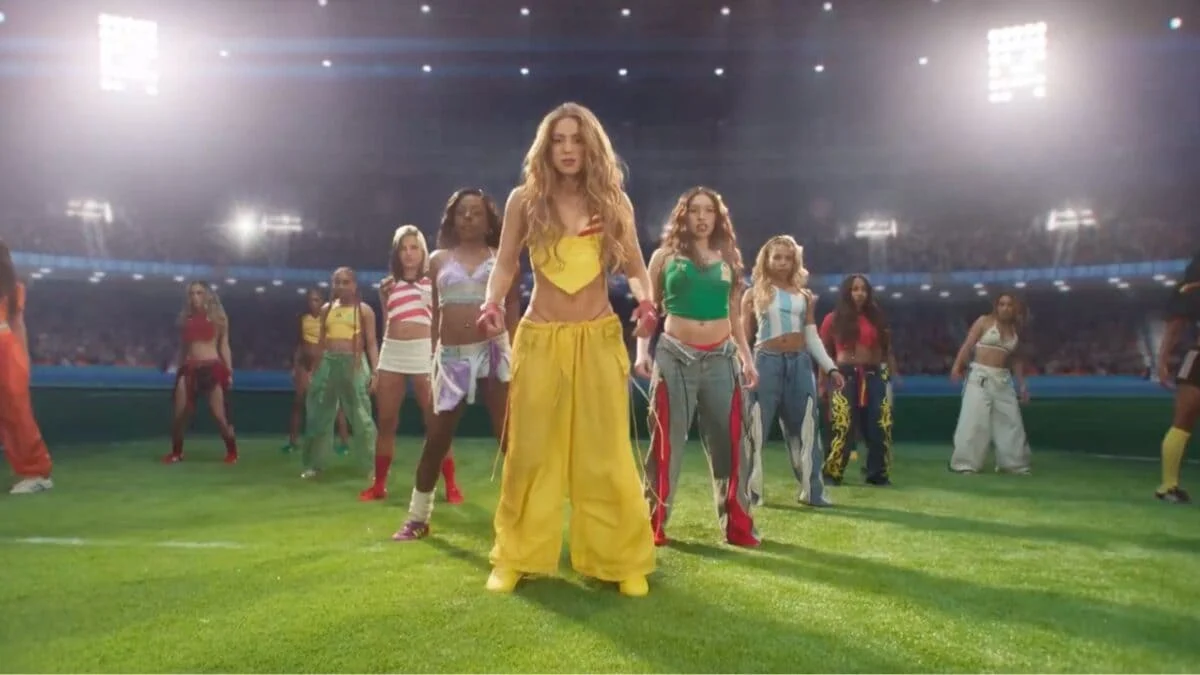
NEW YORK, USA – May 23, 2026 – The countdown to the monumental FIFA World Cup 2026, set to unfold across the vast landscapes of the United States, Canada, and Mexico, has officially received its electrifying soundtrack. Global pop icon Shakira has once again stepped onto the world stage, releasing "Dai,Dai," the highly anticipated official song for the tournament. The track, accompanied by a star-studded music video, dropped on Saturday, May 23, 2026, instantly sending ripples of excitement across continents and amplifying the already palpable anticipation for the expanded quadrennial football spectacle.
Known for her unparalleled ability to infuse major sporting events with her signature blend of Latin rhythms, pop sensibilities, and universal appeal, Shakira’s return to the World Cup fold has been met with widespread enthusiasm. "Dai,Dai" promises to be another memorable anthem, designed to unite fans from diverse backgrounds in a shared celebration of sport and culture. The song’s immediate impact on social media and streaming platforms underscores the enduring power of music to galvanize global audiences ahead of an event of this magnitude.
The vibrant music video for "Dai,Dai" is a spectacle in itself, featuring a dazzling array of football’s most celebrated figures alongside Shakira and Nigerian music sensation Burna Boy, who lends his distinct vocal prowess to the track. Fans were thrilled to see Argentine maestro Lionel Messi, French talisman Kylian Mbappé, Colombian dynamo Luis Díaz, Brazilian winger Vinicius Jr., Spanish midfield general Rodri, Japanese sensation Takefusa Kubo, Mexico’s Santiago Giménez, Canadian full-back Alphonso Davies, German wunderkind Jamal Musiala, USA icon Christian Pulisic, English captain Harry Kane, and Norwegian goal machine Erling Haaland all making appearances. This convergence of musical and athletic titans creates a powerful visual narrative that perfectly encapsulates the global reach and star power of the FIFA World Cup.
The FIFA World Cup 2026 is poised to be a tournament of unprecedented scale and significance. For the first time in its storied history, the competition will feature 48 teams, expanding its global footprint and offering more nations the chance to compete on football’s grandest stage. This edition also marks a historic tripartite hosting arrangement, with three North American nations sharing the monumental responsibility and honour. As Argentina prepares to defend their hard-won crown, the release of "Dai,Dai" serves as a powerful sonic prelude, promising a summer of unforgettable moments in July 2026.
Chronology: The Enduring Legacy of Shakira and the World Cup
Shakira’s association with the FIFA World Cup is a story of enduring success, an artistic journey that has seen her become synonymous with the tournament’s most iconic anthems. Her repeated collaborations with FIFA are not merely coincidental but a testament to her unique ability to craft music that resonates universally, transcending linguistic and cultural barriers.
2006 Germany: The Genesis of an Association
While not an official anthem, Shakira first graced the World Cup stage during the closing ceremony of the 2006 tournament in Germany. Her performance, a vibrant showcase of her energetic stage presence and global appeal, offered a glimpse into a partnership that would soon blossom into something far greater. It was a moment that subtly laid the groundwork for her future, more prominent roles, demonstrating her capacity to connect with an international audience through music and dance, even before she was tasked with composing a dedicated World Cup song. The German World Cup, remembered for Italy’s triumph and Zinedine Zidane’s infamous headbutt, also marked Shakira’s entry into the collective consciousness of football fans worldwide.
2010 South Africa: "Waka Waka (This Time for Africa)" – A Global Phenomenon
It was in 2010, for the FIFA World Cup in South Africa, that Shakira truly cemented her legacy as the undisputed Queen of World Cup anthems. "Waka Waka (This Time for Africa)," featuring South African group Freshlyground, was not just a song; it was a cultural phenomenon. Released as the official song of the tournament, it swept the globe, becoming the best-selling World Cup song of all time. Its infectious rhythm, catchy chorus, and uplifting message celebrating African unity and spirit made it an instant classic.
"Waka Waka" achieved unprecedented commercial success, topping charts in numerous countries and selling millions of copies worldwide. Beyond its commercial triumph, the song became indelibly linked with the spirit of the South African World Cup, symbolizing a continent’s proud moment on the global stage. Its music video, featuring football legends and a vibrant celebration of African culture, became a viral sensation. The song’s enduring popularity is such that, years later, it remains one of the most recognizable and beloved sporting anthems, a testament to Shakira’s masterful blend of pop production with traditional African sounds. It was also during the filming of the "Waka Waka" music video that Shakira met Spanish footballer Gerard Piqué, with whom she later had two children, adding a personal layer to its already rich narrative.
2014 Brazil: "La La La (Brazil 2014)" – Maintaining Momentum
Following the monumental success of "Waka Waka," expectations were sky-high for Shakira’s contribution to the 2014 FIFA World Cup in Brazil. She delivered with "La La La (Brazil 2014)," a vibrant track that again showcased her ability to capture the essence of the host nation while maintaining her signature global appeal. While "La La La" faced stiff competition from other tournament songs, including Pitbull and Jennifer Lopez’s "We Are One (Ole Ola)," it nonetheless achieved significant success and became a staple of the Brazilian World Cup experience.
The song, featuring Brazilian musician Carlinhos Brown, incorporated elements of Brazilian music, creating a carnival-like atmosphere that perfectly complemented the host country’s vibrant culture. Its music video, once again packed with football stars including Piqué, Neymar, Sergio Agüero, and Radamel Falcao, continued the tradition of blending music with the sport’s biggest personalities. "La La La" demonstrated Shakira’s consistent ability to produce high-quality, relevant music for the World Cup, solidifying her position as a recurring and highly anticipated musical voice for the tournament.
2026 North America: "Dai,Dai" – A Fresh Chapter
Now, in 2026, Shakira returns with "Dai,Dai," marking her fourth official association with the FIFA World Cup. This new anthem is poised to usher in a fresh chapter in her World Cup legacy, adapting her sound to the contemporary musical landscape while retaining the infectious energy and celebratory feel that defines her previous contributions. The inclusion of Nigerian artist Burna Boy signifies a strategic move to incorporate diverse global sounds, reflecting the tournament’s expansive reach and the multicultural tapestry of its host nations. "Dai,Dai" is expected to blend Shakira’s characteristic Latin pop fusion with Burna Boy’s Afrobeats influence, promising a unique and dynamic sound that will resonate with a broad audience. The anticipation surrounding this release, coming after a period where Shakira has continued to evolve her artistry, highlights the enduring relevance and excitement she brings to these global events.
Supporting Data: The Power of Music in Global Spectacles
The role of music in mega-events like the FIFA World Cup extends far beyond mere entertainment. Official anthems serve as powerful branding tools, cultural touchstones, and unifying forces, capable of amplifying the excitement, defining the atmosphere, and leaving an indelible mark on the collective memory of fans worldwide.
The Anatomy of a World Cup Anthem
Since the 1962 World Cup in Chile, which featured "El Rock del Mundial," official tournament songs have become an integral part of the FIFA World Cup experience. These anthems are carefully crafted to embody the spirit of the tournament and its host nation(s). A successful World Cup song typically possesses several key characteristics:
- Catchiness and Memorability: An infectious melody and simple, often multilingual, lyrics that are easy to sing along to.
- Celebratory Tone: An uplifting and energetic feel that evokes joy, excitement, and unity.
- Cultural Resonance: Elements that reflect the host country’s music, language, or traditions, while maintaining global appeal.
- Universal Message: Themes of sportsmanship, passion, unity, and the thrill of competition.
- Visual Appeal: A compelling music video that showcases the sport, the host nation, and often features football stars.
Artists like Ricky Martin ("La Copa de la Vida," 1998) and K’naan ("Wavin’ Flag," 2010) have also delivered memorable World Cup anthems, but Shakira’s consistent success and cultural penetration place her in a league of her own. Her songs don’t just accompany the tournament; they often become synonymous with it, defining the era for millions.
Shakira’s Global Brand and Appeal
Shakira Isabel Mebarak Ripoll’s unique position as a global artist makes her an ideal choice for FIFA’s official anthems. Her appeal stems from several factors:
- Multilingualism: Fluent in Spanish, English, Portuguese, and French, she can connect with a vast global audience.
- Dynamic Stage Presence: Her energetic dance moves and powerful vocals translate exceptionally well to large-scale events.
- Genre Fusion: Her music often blends Latin pop, rock, belly dance, and world music, creating a sound that is both distinctive and universally appealing.
- Charisma and Authenticity: Her genuine passion for music and life resonates with fans across demographics.
- Established Global Fanbase: With decades of international hits, she brings a pre-existing massive audience to the World Cup platform.
Her ability to consistently deliver anthems that capture the global imagination underscores why FIFA continues to entrust her with such a significant role in promoting its flagship event.
FIFA World Cup 2026: An Unprecedented Scale
The FIFA World Cup 2026 is set to be the largest in history, a monumental undertaking that "Dai,Dai" helps to herald.
- The 48-Team Expansion: This is a game-changer. Moving from 32 to 48 teams means:
- More Matches: A total of 104 matches, significantly extending the tournament’s duration and offering more viewing opportunities.
- Increased Participation: More nations, particularly from regions historically underrepresented, will have the chance to qualify, fostering greater global engagement and football development.
- Enhanced Revenue: More matches and participating teams will lead to higher broadcasting rights, sponsorship deals, and ticketing revenue for FIFA and the host nations.
- Logistical Complexity: A greater number of teams and matches necessitate meticulous planning for travel, accommodation, training facilities, and security across multiple cities and countries.
- Tri-National Hosting (USA, Canada, Mexico): This historic collaboration is a first for the World Cup, showcasing a unique blend of cultures and football traditions.
- Cultural Fusion: The tournament will be a celebration of North American diversity, from the vibrant energy of Mexico to the diverse urban landscapes of the USA and the multicultural charm of Canada.
- Logistical Marvel: Hosting matches across 16 cities in three different countries presents an unprecedented logistical challenge, requiring seamless coordination in infrastructure, transportation, and fan experience.
- Economic Impact: The tournament is expected to generate billions in economic activity, boosting tourism, creating jobs, and enhancing the global profile of all three host nations.
Marketing Synergy: Football and Pop Culture
The music video for "Dai,Dai" strategically leverages the star power of football’s elite. Featuring players like Messi, Mbappé, and Haaland alongside Shakira and Burna Boy creates a powerful cross-promotional synergy. This approach:
- Broadens Appeal: Attracts both music lovers and football fanatics, expanding the song’s reach beyond traditional sports audiences.
- Generates Buzz: The presence of global sporting icons creates instant viral content and social media discussion.
- Humanizes Athletes: Shows a lighter, more celebratory side of these intensely competitive individuals, connecting them with fans on a different level.
- Enhances Tournament Branding: Reinforces the World Cup as a global cultural event, not just a sporting competition.
Official Responses and Public Acclaim
The release of "Dai,Dai" was met with an immediate and enthusiastic response from various quarters, from the artist herself to FIFA officials and a fervent global fanbase.
Shakira’s Own Words:
The Colombian superstar took to social media to announce the song’s release, encapsulating her excitement. "We’re Ready! The official video for DAI DAI, the FIFA World Cup Official 2026 song is here!" she posted, tagging Burna Boy and extending a big thank you to the myriad of football stars who graced the video. Her message, imbued with her characteristic energy, quickly went viral, setting the tone for the public’s reception.
FIFA’s Perspective (Hypothetical):
While an official statement from FIFA regarding "Dai,Dai" is pending, it is highly anticipated to echo sentiments of delight and strategic significance. A hypothetical statement from a FIFA spokesperson might read: "We are absolutely thrilled to welcome Shakira back to the FIFA World Cup family with ‘Dai,Dai.’ Her unique ability to capture the spirit of the tournament through music is unparalleled. This song, with its infectious energy and the incredible collaboration with Burna Boy and football’s biggest stars, is a perfect prelude to the historic 2026 World Cup across North America. It embodies the unity, excitement, and global celebration that our expanded tournament represents, and we believe it will resonate deeply with fans worldwide, setting the perfect stage for what promises to be an unforgettable event." Such a statement would underscore FIFA’s recognition of music as a crucial element in building anticipation and connecting with a diverse global audience.
Collaborator Insights (Hypothetical):
The involvement of Burna Boy is a significant addition, bringing an Afrobeats dimension to the anthem. A hypothetical quote from Burna Boy could be: "It’s an honour to collaborate with Shakira on ‘Dai,Dai’ for the World Cup. Music and football share a universal language, and to be part of something that brings the world together like this is truly special. We hope the song gets everyone ready to celebrate!" Similarly, one of the featured footballers, perhaps Alphonso Davies, representing a host nation, might share: "Being in the ‘Dai,Dai’ video with Shakira is an incredible experience. The energy of the song is amazing, and it really gets you hyped for the World Cup. It’s fantastic to see how music can connect all of us, on and off the pitch." These imagined responses reflect the excitement and collaborative spirit surrounding the project.
Fan and Media Reaction:
The moment "Dai,Dai" dropped, social media platforms erupted. Hashtags related to Shakira, Burna Boy, and the World Cup 2026 immediately began trending worldwide. Fans expressed overwhelming excitement, praising the song’s catchy beat, Shakira’s signature vocals, and the star-studded video. Comments ranged from "Shakira never disappoints when it comes to World Cup anthems!" to "Burna Boy’s verse is fire! This is going to be HUGE!" Early media reviews lauded the track for its energetic production and its successful fusion of Latin pop with Afrobeats, predicting it would be a major hit and a defining sound of the upcoming tournament. Music critics highlighted the seamless blend of diverse musical styles and the song’s undeniable potential to dominate airwaves and stadiums.
Implications: Shaping the Narrative of World Cup 2026 and Beyond
The release of "Dai,Dai" carries significant implications, not only for the upcoming FIFA World Cup 2026 but also for Shakira’s legacy and the future of music in global sporting events.
Cultural Unification and Global Reach
At its core, "Dai,Dai" is poised to be a powerful tool for cultural unification. In a world often fragmented by differences, music, and football possess a unique ability to bridge divides. The song’s blend of Latin pop and Afrobeats, combined with the visual representation of players from various nations, creates a truly global sound and image. It encourages collective celebration, fostering a sense of shared identity and excitement among billions of people, regardless of their background or allegiance. This unifying power is precisely what FIFA aims to leverage, making the tournament not just a competition but a global festival.
Economic Impact and Brand Enhancement
The commercial implications of "Dai,Dai" are substantial. A massively popular World Cup anthem directly contributes to:
- Merchandise Sales: The song’s branding will undoubtedly extend to official tournament merchandise, generating significant revenue.
- Streaming and Music Sales: "Dai,Dai" is expected to top charts globally, driving streaming numbers and digital sales, which benefit both the artists and FIFA through licensing agreements.
- Tourism and Engagement: The excitement generated by the song can further stimulate tourism to the host nations and boost overall fan engagement, translating into higher viewership and attendance figures.
- Sponsor Value: A successful anthem enhances the value proposition for World Cup sponsors, offering them greater exposure and association with a universally positive and high-energy brand.
Shakira’s Continued Reign and Artistic Evolution
"Dai,Dai" further cements Shakira’s unparalleled status as the definitive voice of the FIFA World Cup. Her ability to consistently deliver anthems that resonate globally over two decades is unprecedented. This latest collaboration showcases her artistic evolution, her willingness to experiment with new sounds and collaborate with contemporary artists like Burna Boy, ensuring her music remains fresh and relevant. Her continued association with the World Cup highlights her enduring influence in both the music and entertainment industries, solidifying her legacy as an artist capable of creating moments of global cultural significance.
Future of Mega-Event Anthems
The success and strategic execution of "Dai,Dai" could set new benchmarks for how official songs are produced and marketed for future mega-events. The emphasis on multicultural collaboration, the integration of diverse musical genres, and the seamless blend of sports and entertainment stars in the music video point towards an evolving model. This approach maximizes global appeal and ensures that future anthems are not just songs but multi-platform cultural events in themselves. It suggests a future where official songs are increasingly seen as integral components of a comprehensive global marketing and engagement strategy.
Legacy of World Cup 2026
Ultimately, "Dai,Dai" will become an inseparable part of the World Cup 2026 narrative. As fans gather in stadiums, watch from homes, and celebrate in public squares, the infectious rhythms of "Dai,Dai" will be the backdrop to every goal, every victory, and every moment of shared passion. It will be the song that defines the memories of this historic tournament – the first with 48 teams, the first hosted by three nations – echoing long after the final whistle blows, much like "Waka Waka" continues to evoke the spirit of South Africa 2010. Shakira, once again, has given the world a reason to dance, to celebrate, and to collectively declare: "Dai,Dai! Let’s Go!" to the biggest show on Earth.
