

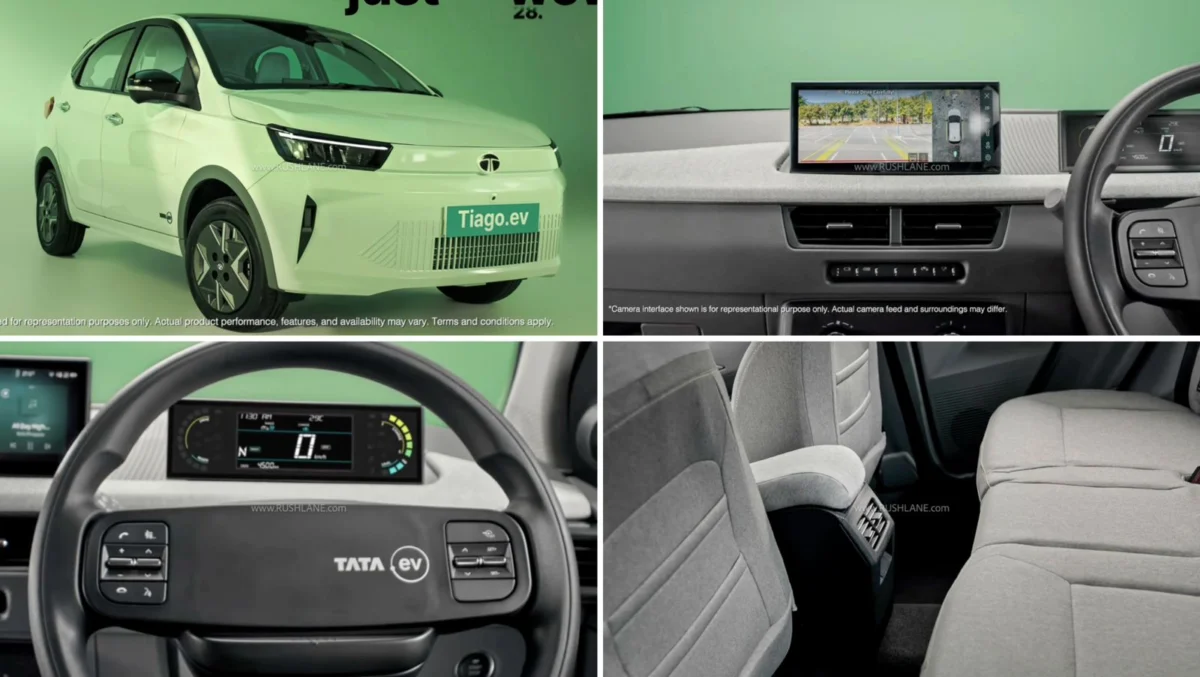
The Indian automotive landscape is bracing for a significant milestone as Tata Motors, the undisputed leader in the domestic electric vehicle (EV) sector, officially pulled the wraps off the interior of the 2026 Tiago EV. Scheduled for a commercial launch on May 28, 2026, the updated electric hatchback promises to redefine consumer expectations for the entry-level segment. By marrying a premium cabin experience with cutting-edge technology, Tata Motors is signaling that "affordable" no longer needs to equate to "basic."
This interior reveal follows the recent showcasing of the vehicle’s exterior, completing the picture of a comprehensive mid-life facelift. The 2026 Tiago EV arrives at a critical juncture when competition in the compact EV space is intensifying, and consumer preferences are rapidly shifting toward high-tech, aesthetically pleasing environments.

Main Facts: A Holistic Cabin Transformation
The 2026 Tata Tiago EV is not merely receiving a cosmetic touch-up; it is undergoing a fundamental architectural shift within the cabin. The most striking update is the completely redesigned dashboard, which moves away from the traditional, button-heavy layouts of the past toward a minimalist, horizontal philosophy.
Key Highlights of the 2026 Interior:
- Layered Dashboard Design: A new multi-layered dashboard featuring high-quality fabric inserts that stretch across the width of the cabin, providing a sense of airiness and luxury.
- Advanced Infotainment: A larger, "floating" touchscreen infotainment system that serves as the nerve center for the vehicle’s connectivity and entertainment.
- Digital Cockpit: A new free-standing digital instrument cluster featuring EV-specific telemetry, including real-time regeneration levels, battery health, and charge status.
- Two-Spoke Steering Wheel: A futuristic two-spoke wheel design featuring the illuminated "Tata.ev" branding, aligning the Tiago with the brand’s premium EV identity seen in the Nexon and Harrier EVs.
- Ergonomic Center Console: The replacement of the traditional gear lever with a sleek rotary drive selector, flanked by dual wireless charging pads.
- Segment-First Features: The inclusion of a 360-degree camera system and rear AC vents, features typically reserved for vehicles in much higher price brackets.
Chronology: The Evolution of India’s Favorite Electric Hatchback
To understand the significance of the 2026 update, one must look at the Tiago’s journey. Originally launched as an Internal Combustion Engine (ICE) vehicle in 2016, the Tiago platform became the bedrock of Tata’s turnaround strategy.

- 2016 – The Inception: Tata Tiago launches, replacing the aging Bolt and Indica, introducing the "Impact" design language.
- 2020 – The BS6 Facelift: The Tiago receives its first major facelift and a 4-star Global NCAP safety rating, cementing its reputation as a safe family car.
- September 2022 – The EV Revolution: Tata Motors launches the Tiago EV, making electric mobility accessible to the masses. It quickly becomes the best-selling EV in India.
- May 2024 – Early Teasers: Rumors of a "Generation 2" update for the Tiago platform begin to circulate.
- May 2026 – The Reveal: Tata Motors officially showcases the 2026 Tiago EV and ICE facelifts, featuring the most radical interior overhaul in the model’s decade-long history.
The 2026 model represents the pinnacle of this evolution, transitioning the Tiago from a value-for-money commuter to a tech-laden lifestyle vehicle.
Supporting Data: Deep Dive into Design and Technology
The 2026 Tiago EV’s interior is a masterclass in maximizing perceived value. Tata’s design team has utilized color, texture, and technology to mask the vehicle’s compact dimensions and create a "big car" feel.

The Aesthetic Language
The use of light grey shades and fabric textures on the dashboard is a deliberate move to enhance the "green" and "sustainable" image of the EV. Unlike the ICE version, which features more traditional dark tones, the EV cabin feels brighter. The fabric finish is tactile and helps dampen cabin noise, contributing to a quieter ride—a key selling point for electric vehicles.
The Tech Suite
The new floating touchscreen is expected to run Tata’s latest UI, offering wireless Android Auto and Apple CarPlay. However, the real story is the 360-degree camera system. In a car with a footprint as small as the Tiago, this feature makes urban parking and navigating tight Indian alleys effortless. This addition is a strategic move to attract first-time car buyers and urban commuters who prioritize ease of use.

Ergonomics and Utility
Tata has addressed long-standing feedback regarding cabin utility. The new center console is significantly more functional:
- Rotary Dial: Frees up physical space, allowing for a cleaner look.
- Wireless Charging: The inclusion of dual pads acknowledges the modern multi-device lifestyle.
- Rear Comfort: The addition of rear AC vents is a critical upgrade for the Indian climate, ensuring that the Tiago EV remains a viable primary car for small families.
The "Sierra" Influence
Observers have noted that the window switch panels and armrests bear a striking resemblance to the design language seen in the Tata Sierra EV concepts. By using soft fabric on the upper armrest and glossy piano black for the switchgear housing, Tata is trickling down premium design elements to its most affordable model. While some critics have raised concerns about the long-term sturdiness of these "floating" panels, the visual impact is undeniably upscale.

Official Context and Mechanical Specifications
While Tata Motors has focused its current marketing efforts on the "sensory experience" of the new interior, the mechanical underpinnings of the 2026 Tiago EV are expected to remain robust and familiar.
Battery and Range Expectations
The 2026 model is expected to carry over the proven Ziptron powertrain:

- Medium Range: A 19.2 kWh battery pack offering an MIDC-certified range of approximately 250 km.
- Long Range: A 24 kWh battery pack offering an MIDC-certified range of 315 km.
- Performance: Expected power outputs of 61 PS and 75 PS respectively, with instant torque delivery characteristic of EVs.
Pricing Strategy
The current Tiago EV is priced between ₹8 lakh and ₹11.15 lakh (ex-showroom). Industry analysts predict a marginal price hike of ₹30,000 to ₹50,000 for the 2026 facelift to account for the significantly upgraded interiors and the addition of the 360-degree camera. Tata Motors aims to keep the entry price below the psychological ₹8.5 lakh mark to maintain its competitive edge.
Implications: Setting the Tone for the Future of Entry-EVs
The 2026 Tiago EV facelift has far-reaching implications for the Indian automotive industry and the global push toward electrification.

1. Defending the Fortress
Tata Motors currently commands over 70% of the Indian EV market. However, with the entry of the MG Comet EV and the Citroen eC3, the entry-level segment is no longer a monopoly. The 2026 Tiago EV is Tata’s defensive-offensive move—offering more features than its rivals to ensure it remains the default choice for buyers.
2. Premiumization of the Masses
This update proves that the "premiumization" trend is moving down the price ladder. Features like digital cockpits and high-quality fabrics are becoming the new baseline. This forces other manufacturers to innovate, ultimately benefiting the consumer who gets better technology at lower price points.

3. Bridging the Gap to Gen-3 EVs
The 2026 Tiago EV serves as a bridge between Tata’s converted-ICE platforms (Gen-1) and its upcoming born-electric platforms (Gen-3 like the Avinya). By introducing the "Tata.ev" branding and the new two-spoke steering wheel, Tata is unifying its design language across its entire electric portfolio, creating a cohesive brand identity that feels modern and forward-thinking.
4. Urban Mobility Redefined
With the addition of the 360-degree camera and dual wireless charging, the Tiago EV is positioning itself as the ultimate urban tool. It targets the "second car" market in affluent households—those looking for a smart, tech-savvy vehicle for city runs that is easy to park but doesn’t feel like a compromise in terms of luxury.

Conclusion
The 2026 Tata Tiago EV interior reveal is more than just a list of new features; it is a statement of intent. By refusing to settle for mediocrity in its most affordable EV, Tata Motors is reinforcing its commitment to democratizing high-quality electric mobility. When the prices are officially announced on May 28, 2026, the industry will be watching closely. If Tata manages to balance this new premium cabin with its traditional value-driven pricing, the Tiago EV is poised to continue its reign as the catalyst for India’s electric dreams.
