

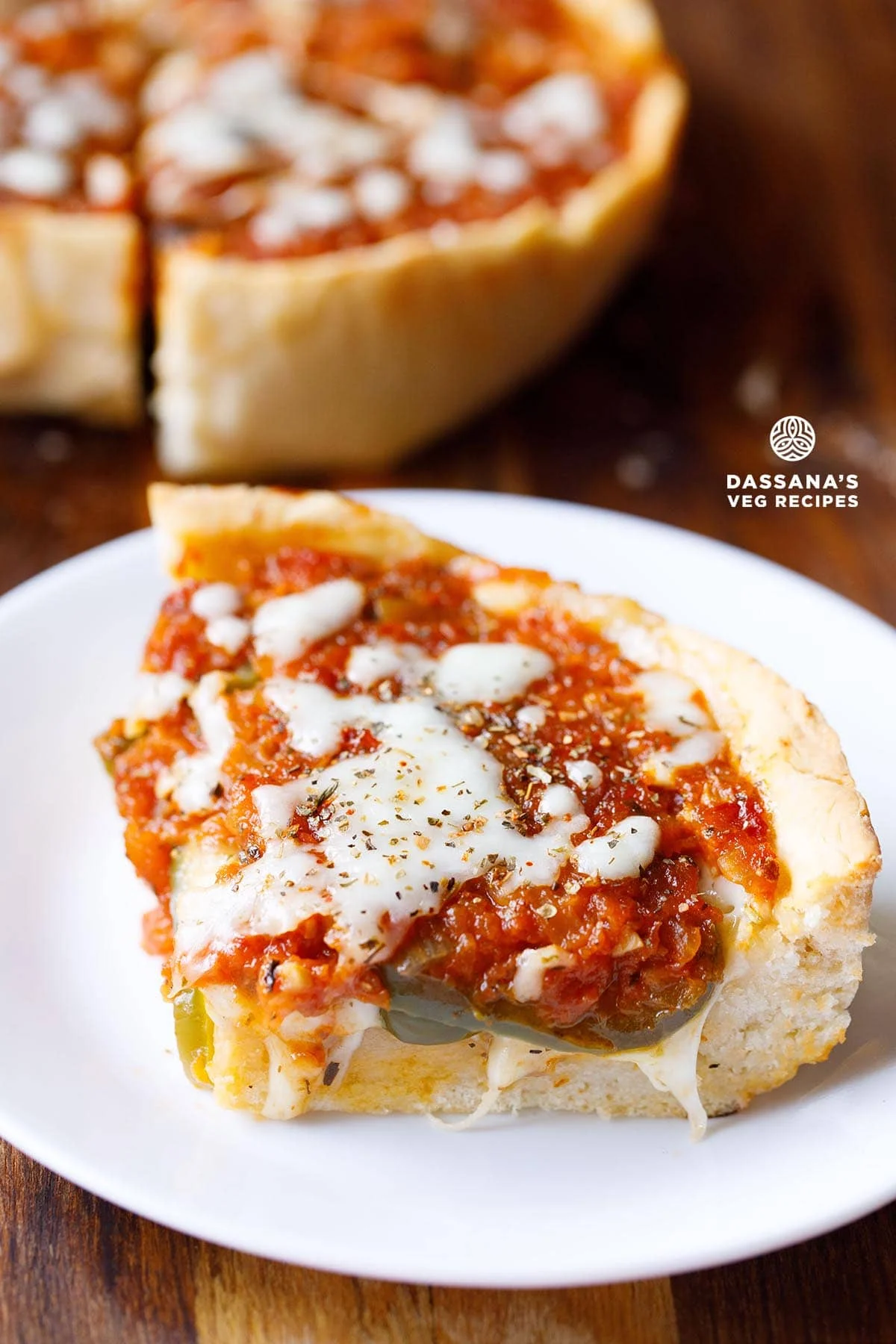
The Chicago-style deep dish pizza is far more than a simple culinary choice; it is an architectural feat in the world of gastronomy. Unlike its thin-crust cousins from New York or Naples, the deep dish is a structural masterpiece designed to house an abundance of ingredients within a sturdy, buttery fortress. This comprehensive guide explores the rich history, the meticulous science of the dough, and a step-by-step masterclass in creating a vegetarian version that features sautéed mushrooms, onions, bell peppers, and a tangy marinara finish.
Main Facts: The Anatomy of a Deep Dish Masterpiece
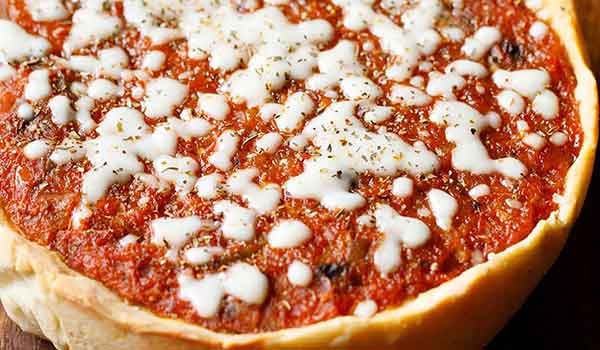
Deep dish pizza is defined by its unique construction. While traditional pizzas follow a "dough-sauce-cheese" hierarchy, the Chicago-style deep dish operates on an inverted logic. To protect the cheese from burning during the extended baking time required for the thick crust, the assembly is reversed: a thick layer of mozzarella sits directly on the dough, followed by vegetables or meats, and finally topped with a heavy blanket of crushed tomato sauce.
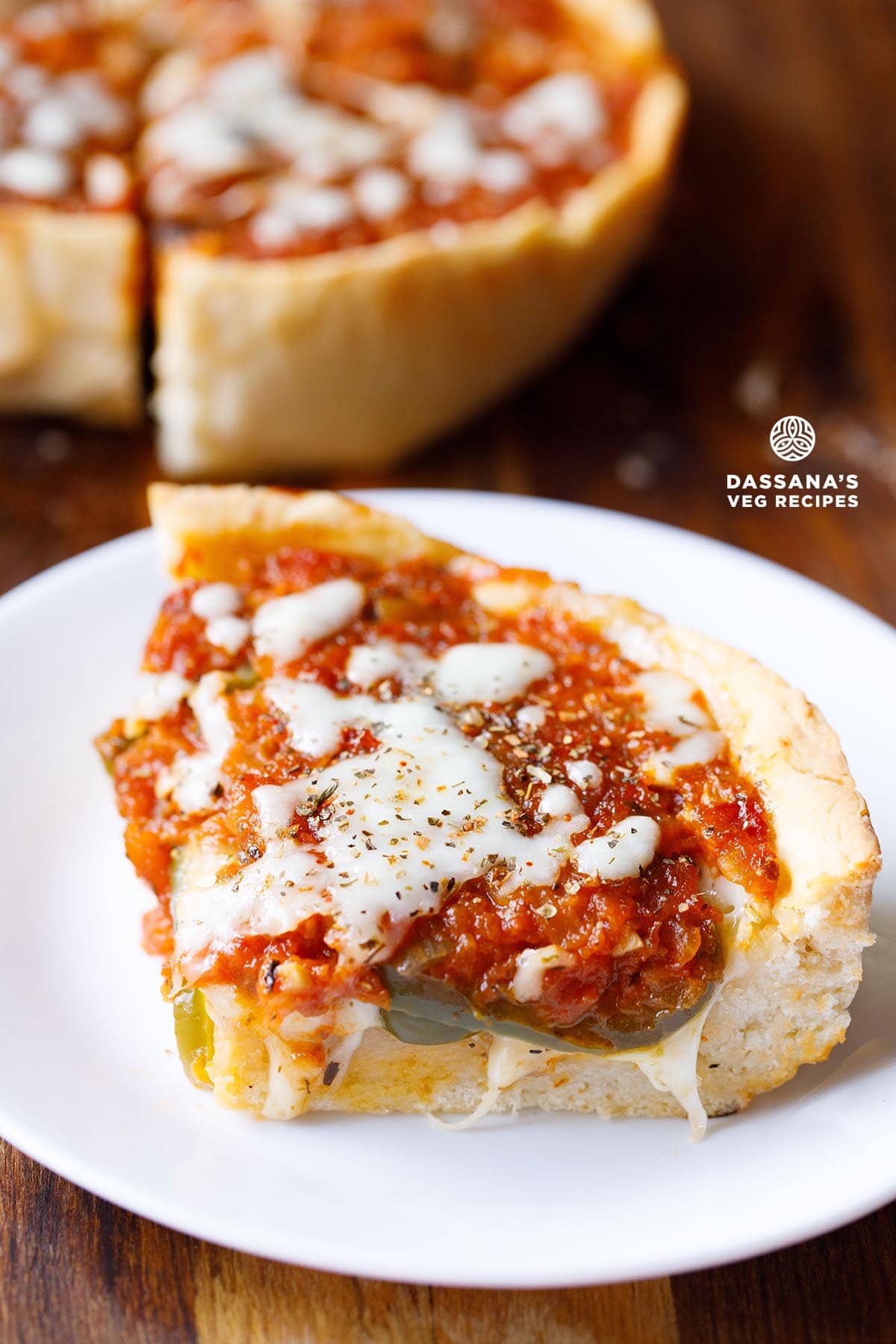
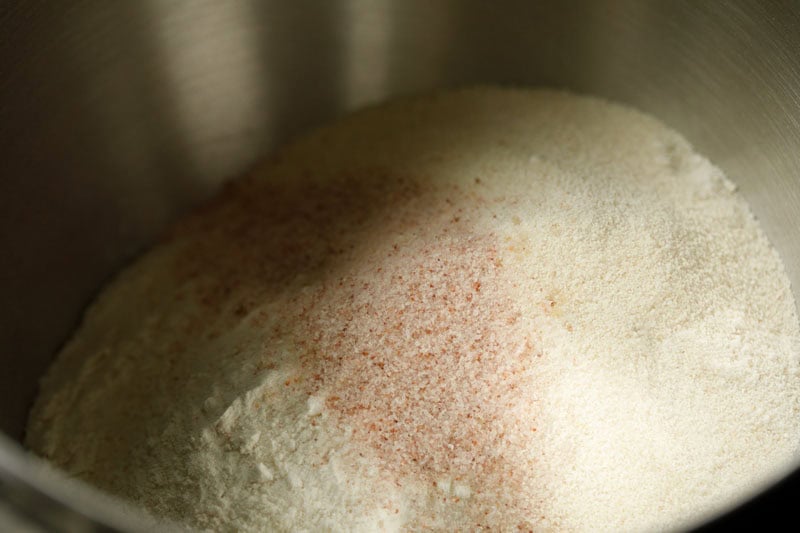
The hallmark of a true deep dish is its crust. It is not merely bread; it is a hybrid of a traditional pizza dough and a shortcrust pastry. By incorporating fats like butter and olive oil alongside textured grains like semolina or cornmeal, the resulting crust is crisp at the edges, flaky in the middle, and soft enough to absorb the flavors of the toppings without losing its structural integrity.
Key Characteristics:
- The Pan: Typically baked in a round, steel pan with high edges (at least 2 inches deep).
- The Crust: Buttery, golden, and often flavored with cornmeal or semolina for a rustic crunch.
- The Assembly: Cheese on the bottom, sauce on the top—a method known as "upside-down" pizza.
- The Texture: A hearty, savory pie-like experience that requires a knife and fork.
Chronology: From the 1940s to the Modern Kitchen
Historical Origins
The lineage of the deep dish pizza traces back to the mid-20th century in Chicago’s Near North Side. Most culinary historians credit Ike Sewell and Ric Riccardo, the founders of Pizzeria Uno, with inventing the style in 1943. Their goal was to create a pizza that was substantial enough to serve as a full meal rather than just a snack. Since then, the dish has become a symbol of Chicago’s culinary identity, sparking decades of "pizza wars" between enthusiasts of the thick-crust Midwest style and the thin-crust East Coast style.
The Development of the Modern Recipe
Over the decades, the recipe has evolved to accommodate changing dietary preferences. While the original iterations were heavily laden with sausage and lard, the modern vegetarian deep dish focuses on moisture management. The transition to using sautéed vegetables—mushrooms, onions, and bell peppers—was a critical development. By cooking the vegetables beforehand, chefs found they could prevent the "soggy bottom" syndrome caused by the water released from raw produce during the long 30-minute bake.
Step-by-Step Creation Process
Creating this dish at home is a multi-hour commitment involving two distinct proofing stages:
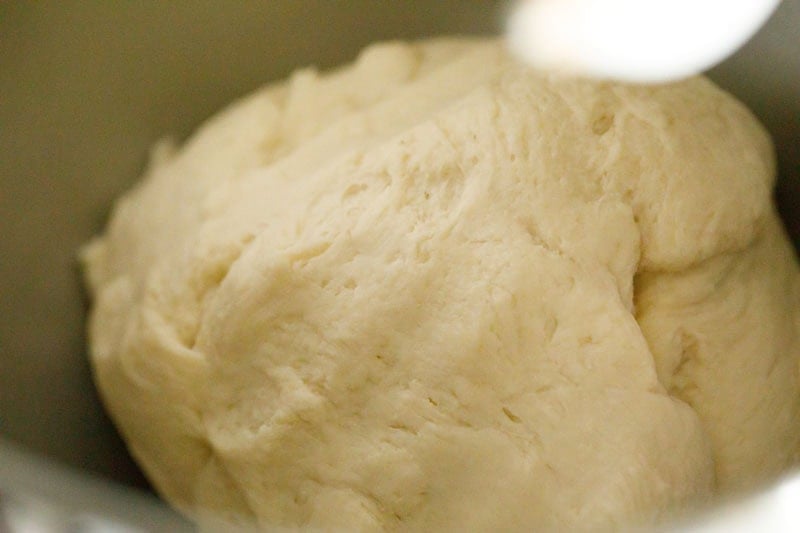
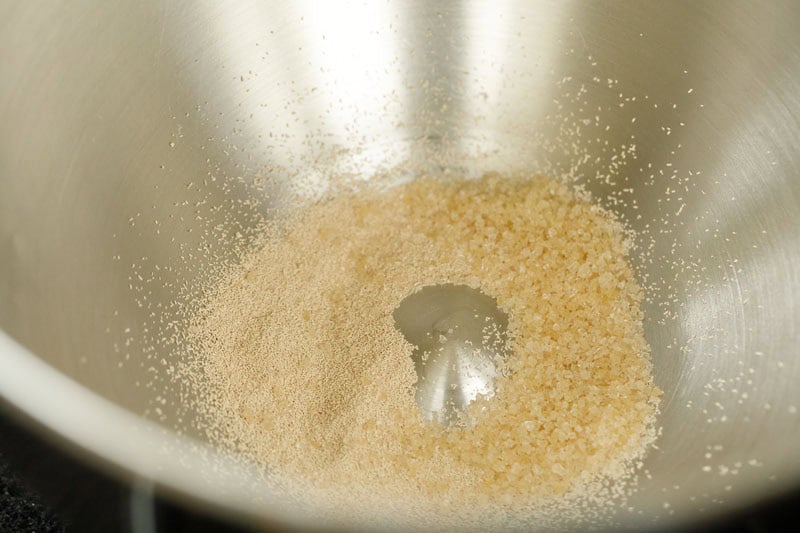
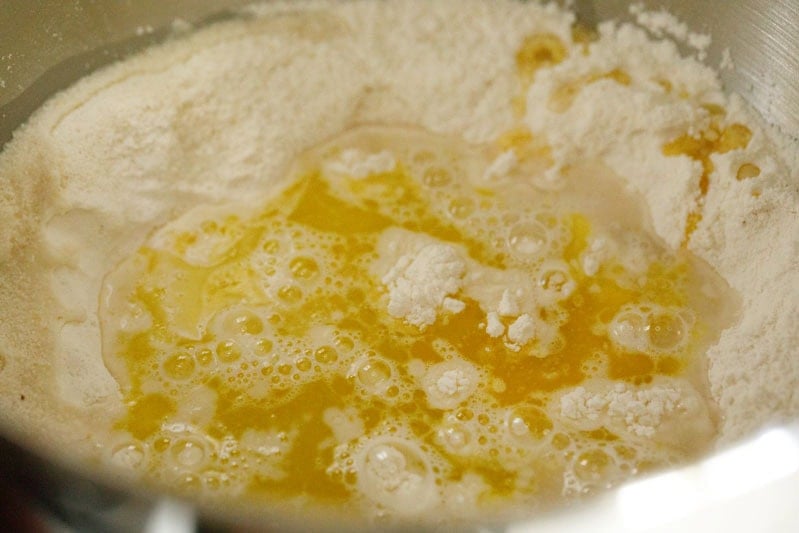
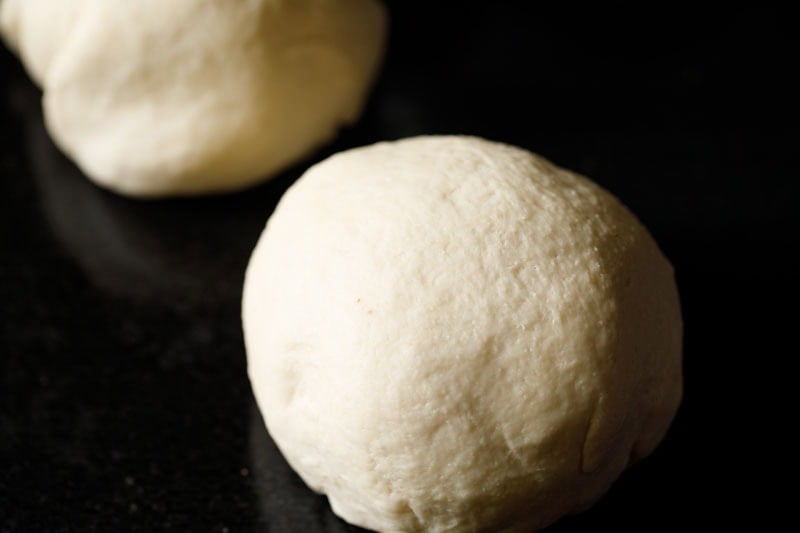
- Dough Formation: The process begins with the activation of instant yeast and sugar, followed by the integration of all-purpose flour and semolina. The addition of melted butter is the "secret weapon" that provides the crust’s signature flakiness.
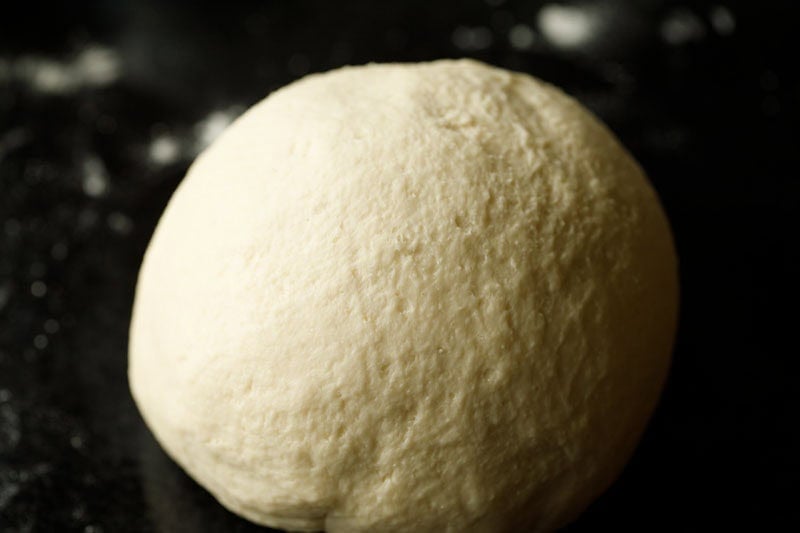
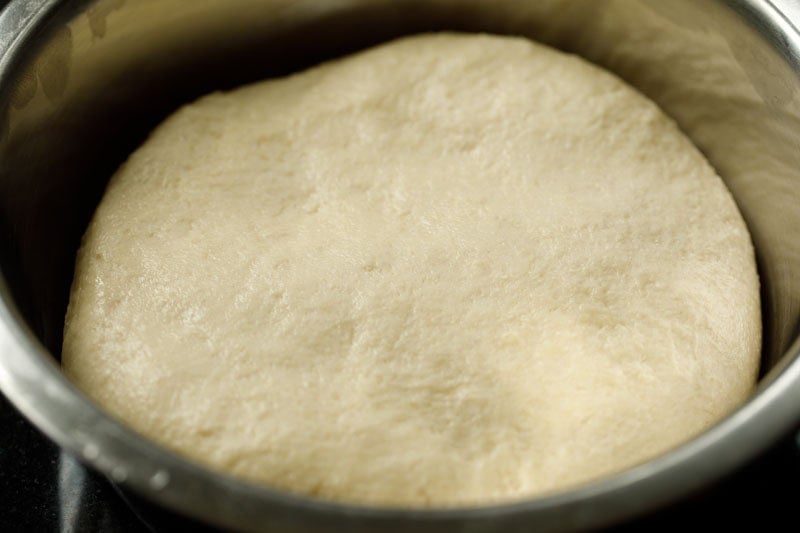
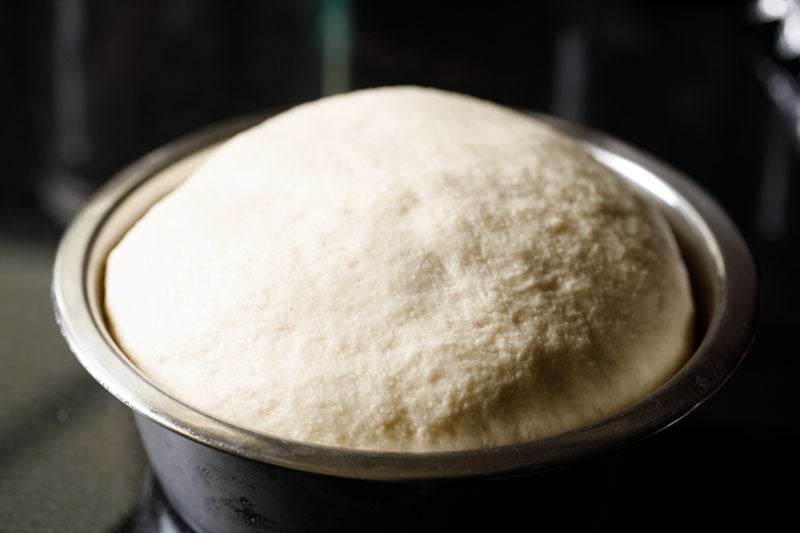
- First Proofing: The dough is kneaded for 10 to 12 minutes until elastic and left to double in volume (roughly 30 to 45 minutes).
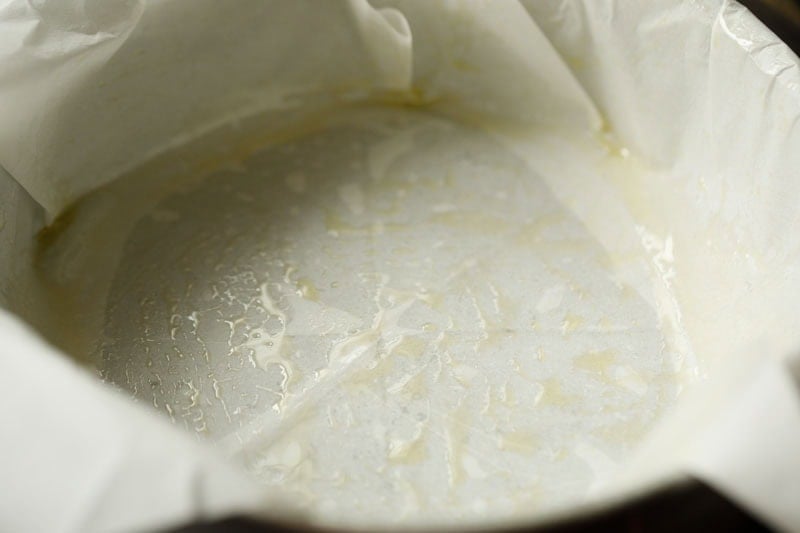
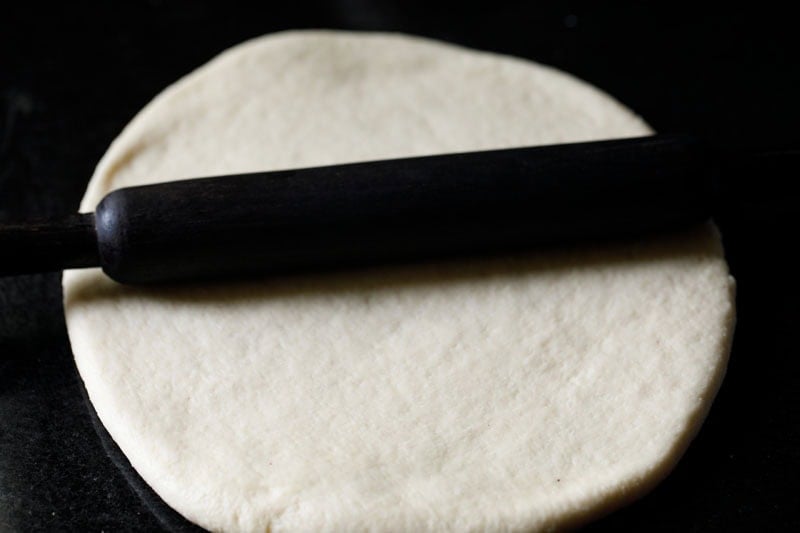
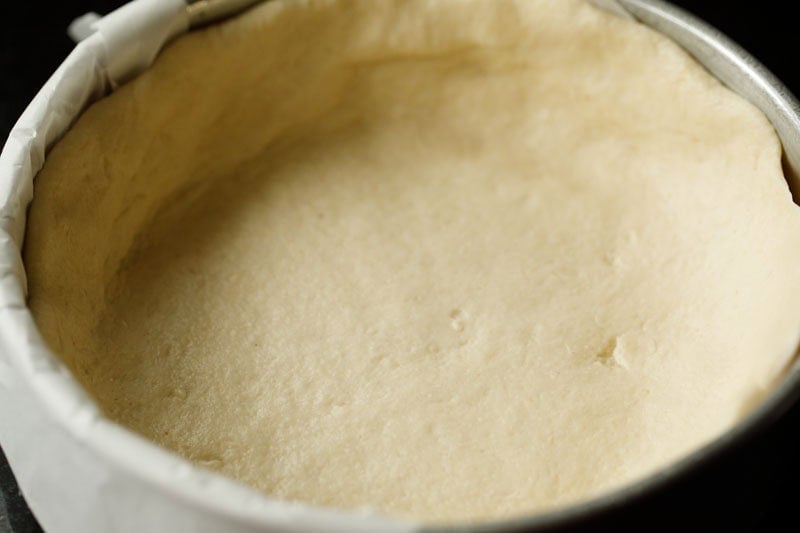
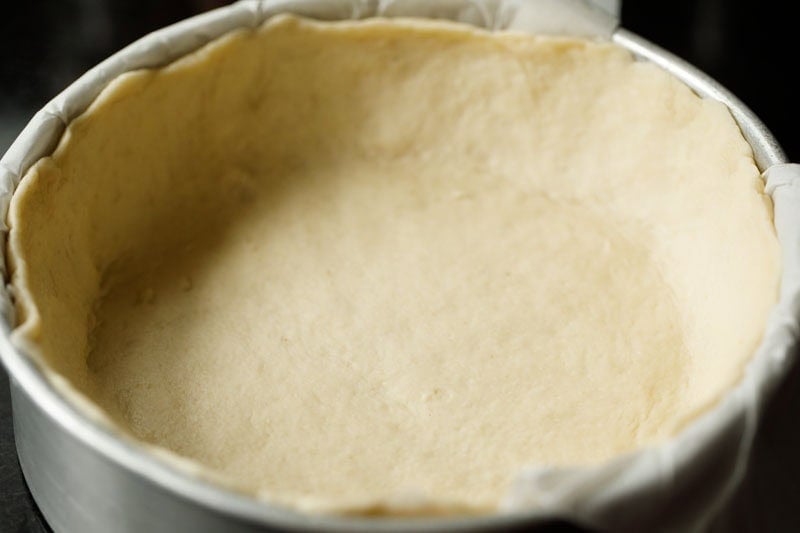
- Pan Preparation and Second Proofing: After being rolled out and fitted into a high-sided pan, the dough undergoes a second rise. This ensures the crust remains light and airy despite the heavy weight of the toppings.
- Topping Preparation: While the dough rises, onions, peppers, and mushrooms are sautéed to reduce moisture and concentrate flavor.
- Baking and Finishing: The pizza is baked at high heat (230°C/450°F) for 25 to 30 minutes, with a final sprinkle of cheese and herbs added in the last two minutes for a perfect melt.
Supporting Data: Nutritional and Structural Mechanics
The deep dish pizza is a high-calorie, nutrient-dense meal. Based on standard recipe data for a two-serving pizza, the nutritional profile is significant, reflecting its status as a "heavy" meal.
Nutritional Breakdown (Per Recipe/Two Pizzas):
- Calories: 2352 kcal
- Carbohydrates: 203g
- Protein: 70g
- Fat Content: 142g total (48g saturated)
- Micronutrients: Rich in Calcium (967mg), Vitamin A (2754 IU), and Iron (14mg).
The high protein and calcium counts are attributed to the generous use of mozzarella cheese (up to 1.5 cups per pizza). Meanwhile, the inclusion of semolina flour adds a higher protein content than standard wheat flour, contributing to the dough’s strength.
Structural Science: Why the Sauce is on Top
The decision to place the sauce on top is not merely aesthetic; it is a functional necessity. A deep dish pizza takes approximately three times longer to bake than a thin-crust pizza. If the cheese were on top, it would break down, separate, and burn long before the thick dough was fully cooked. The moisture in the marinara sauce acts as a thermal buffer, keeping the cheese and vegetables at a consistent temperature while the crust reaches a golden-brown finish.
Culinary Perspectives: The "Official" Stance on Deep Dish
While there is no "Official Bureau of Pizza," culinary experts and Chicago natives have long debated the merits of this style.
The Traditionalist View:
Purists argue that the deep dish is the only "true" American pizza innovation, as it deviates entirely from Italian flatbread traditions. They emphasize the importance of the pan—advocating for cast iron or heavy-duty steel to ensure the "fried" texture of the bottom crust.
The Health Perspective:
Dieticians note that while the pizza is calorie-heavy, the vegetarian version provides a significant intake of fiber (13g) and essential vitamins through the sautéed peppers and mushrooms. Using homemade marinara sauce further reduces the intake of processed sugars often found in commercial pizza chains.
The Technical Challenge:
Professional bakers often point to the "Second Proof" as the most neglected step by home cooks. Without that secondary rise in the pan, the dough can become overly dense and "gummy" under the weight of the sauce.
Implications: The Rise of the Home Bakery
The popularity of detailed, homemade deep dish recipes reflects a broader shift in consumer behavior. As "bakery-style" and artisanal cooking become more accessible through digital guides, the reliance on delivery services for specialized regional foods is decreasing.
Impact on Home Cooking
- Customization: Home cooks are now experimenting beyond the standard toppings, incorporating ingredients like jalapeños, cottage cheese, or roasted spinach to create "fusion" deep dishes.
- Tool Acquisition: The rise of this recipe has led to increased sales of springform pans and cast-iron skillets, as enthusiasts realize that standard pizza stones are insufficient for this specific style.
- Food Preservation Education: The deep dish recipe serves as an entry point for learning about dough fermentation and storage. The ability to freeze dough for "a few weeks" or refrigerate it for 24 hours allows busy households to plan gourmet meals in advance.
Conclusion: More Than Just a Slice
The Chicago-style deep dish pizza remains a titan of the culinary world. Its thick, buttery crust and reversed layers represent a defiance of traditional pizza norms. Whether enjoyed in a historic Chicago pizzeria or crafted meticulously in a home kitchen, it stands as a testament to the idea that pizza can be a hearty, complex, and deeply satisfying savory pie. For those embarking on the journey of making it at home, the rewards are found in the contrast: the crunch of the semolina crust against the stretch of the mozzarella and the tang of a well-simmered marinara. It is a meal designed for patience, sharing, and, most importantly, a very large appetite.
