

Main Facts: The Evolution of the Seasoned Potato
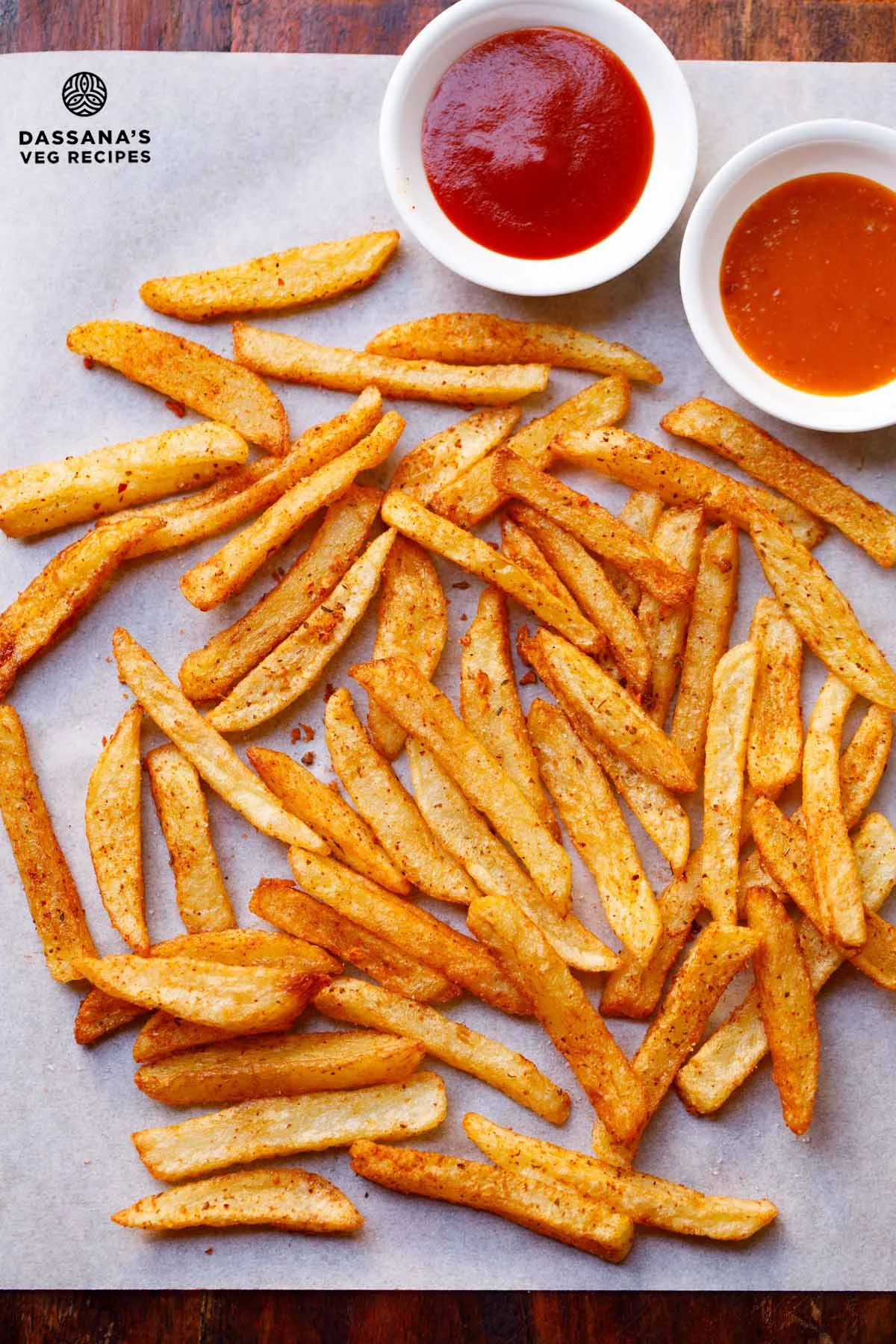
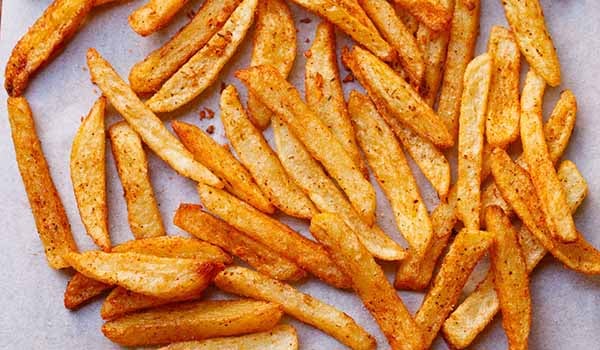
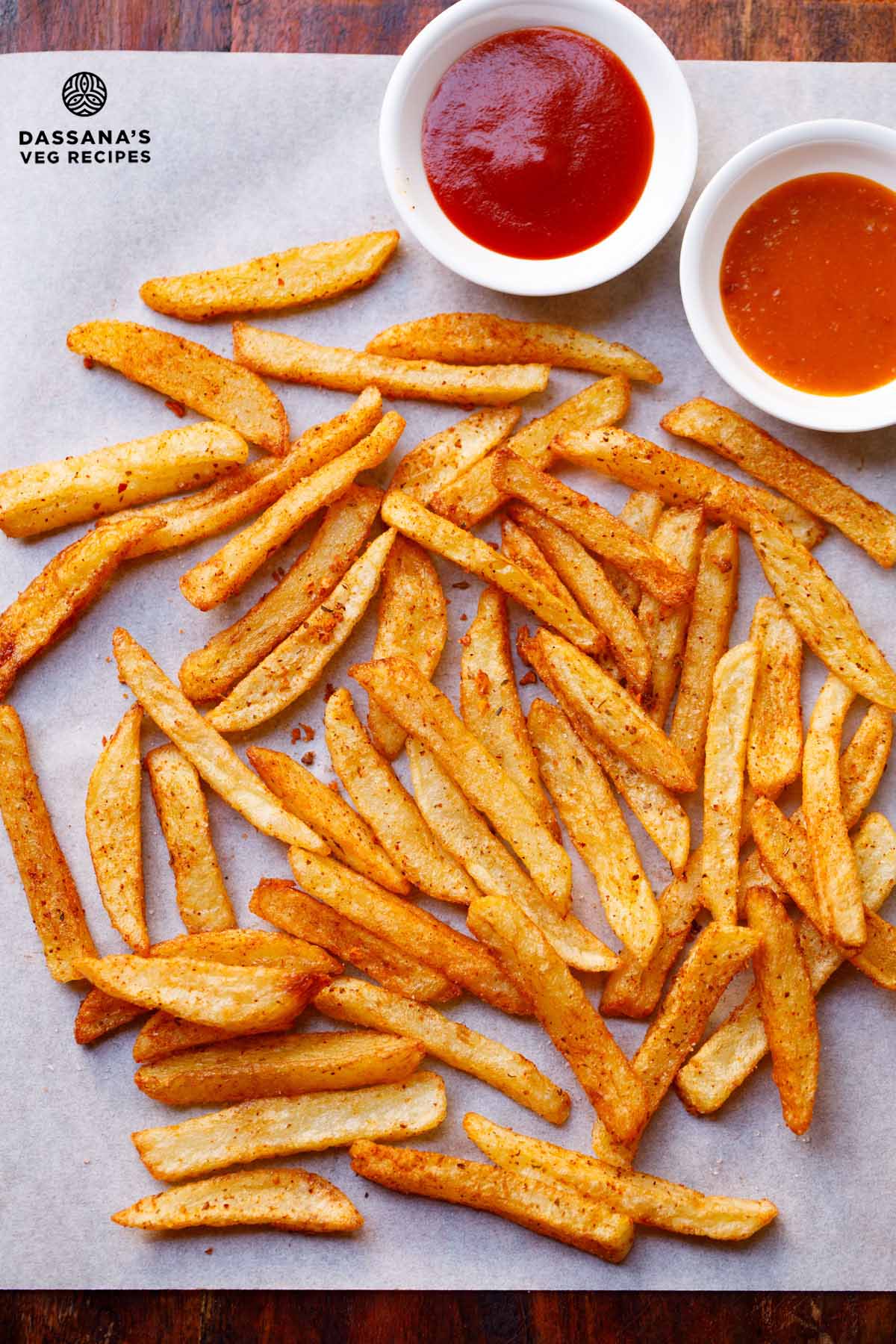
In the contemporary landscape of globalized snack culture, few items have achieved the ubiquitous appeal of the Peri Peri fry. Far from being a mere side dish, the Peri Peri fry represents a sophisticated intersection of African-Portuguese spice heritage and Belgian-inspired frying techniques. At its core, the dish consists of high-quality potato batons, deep-fried to a specific textural gradient—crisp on the exterior and farinaceous (fluffy) on the interior—before being tossed in a complex, multi-layered spice blend known as Peri Peri (or Piri Piri).
The "Peri Peri" nomenclature refers to the African Bird’s Eye chili, a cultivar of Capsicum chinense that has historically fueled the spice trade between Mozambique and Portugal. While traditional Peri Peri sauces are wet marinades, the "Peri Peri fry" phenomenon relies on a dry rub or seasoning mix that captures the tang, smoke, and heat of the original chili without compromising the structural integrity of the fried potato.
Culinary experts agree that the success of the dish hinges on three critical pillars:
- Moisture Management: The removal of surface starch and internal water content to ensure a crunch that persists even after the application of seasoning.
- The Double-Fry Methodology: A tiered temperature approach that cooks the potato through before sealing the exterior.
- The Spice Profile: A balanced ratio of acidity (from citric acid or vinegar powders), sweetness (sugar), and heat (chili) that triggers the "umami" response in the consumer.
Chronology: From Raw Tuber to Gourmet Snack
The lifecycle of a premium Peri Peri fry is a meticulously timed sequence of chemical and physical transformations. To achieve the results associated with high-end gastropubs and specialized fast-casual chains, the following chronological methodology is employed.
Phase I: Preparation and Osmotic Priming
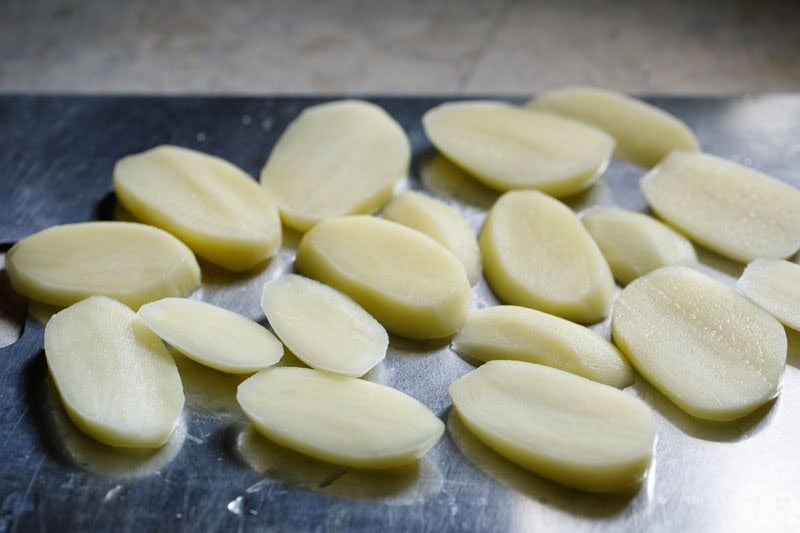
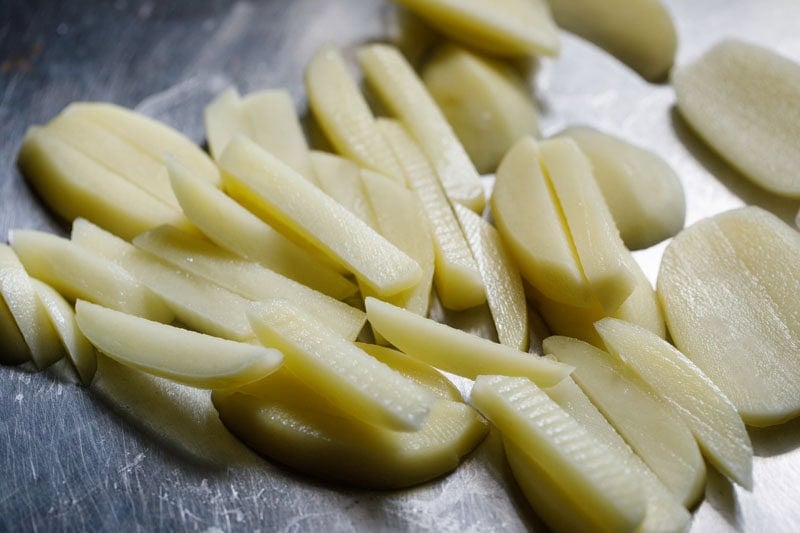
The process begins with the selection of the potato. High-starch varieties, such as Russets or specific Indian cultivars weighing approximately 520 grams for a standard batch, are preferred. These are peeled and sliced into uniform batons of 0.4 to 0.5 cm in thickness. Uniformity is not merely aesthetic; it is a functional requirement to ensure that each fry reaches the same stage of gelatinization simultaneously.
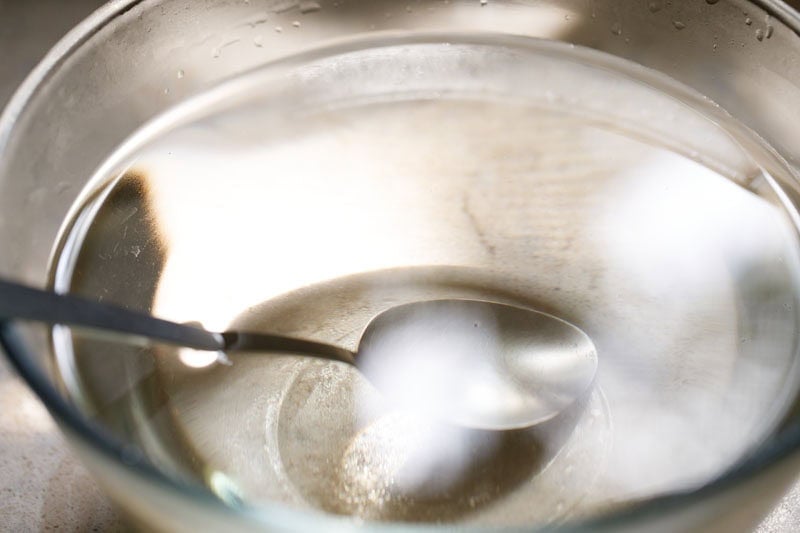
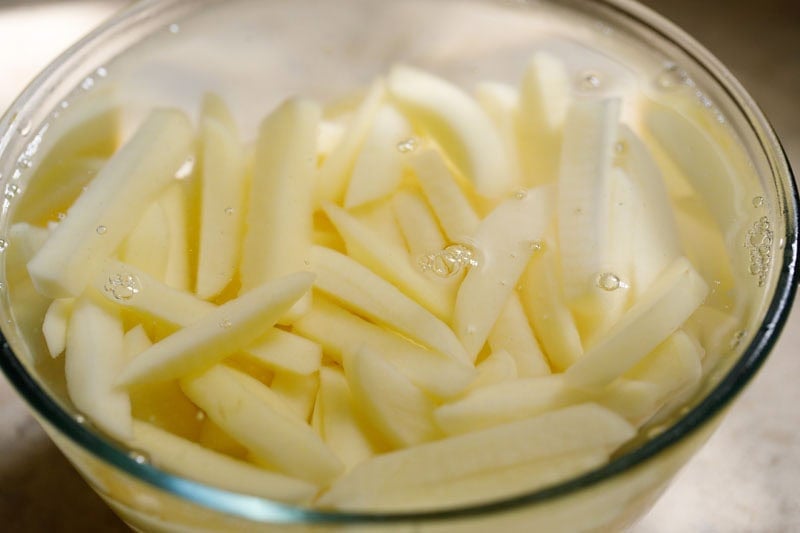
Following the cut, the potatoes undergo a dual-action soaking process. They are submerged in a solution of cold water, salt, and apple cider vinegar for a minimum of 30 minutes. This stage is vital for two reasons:
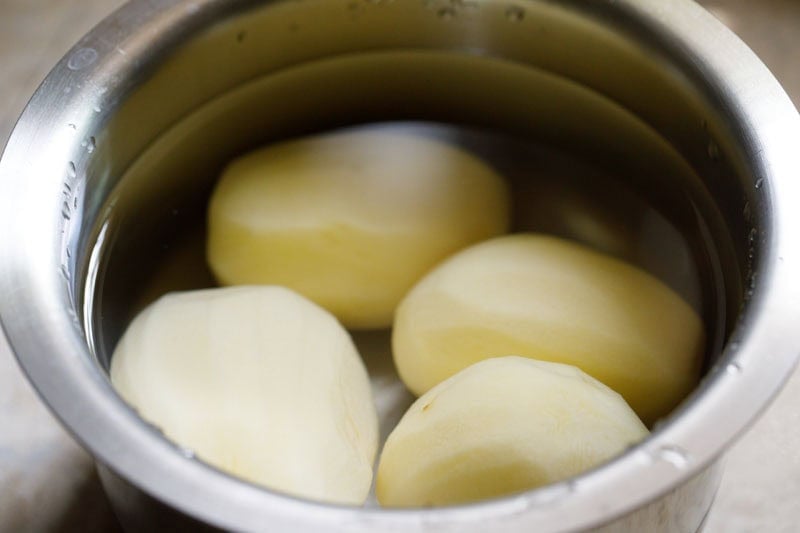
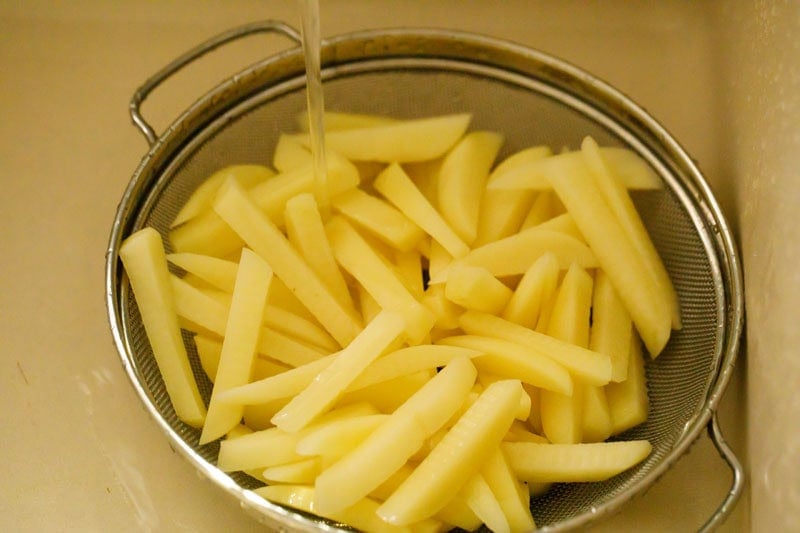
- Starch Extraction: Cold water draws out excess surface starch, which would otherwise burn at high temperatures, leading to a bitter, overly dark exterior.
- Structural Reinforcement: The vinegar (acetic acid) helps the potato’s pectin stay intact, preventing the fries from breaking apart during the initial par-cook.
Phase II: Dehydration and Coating
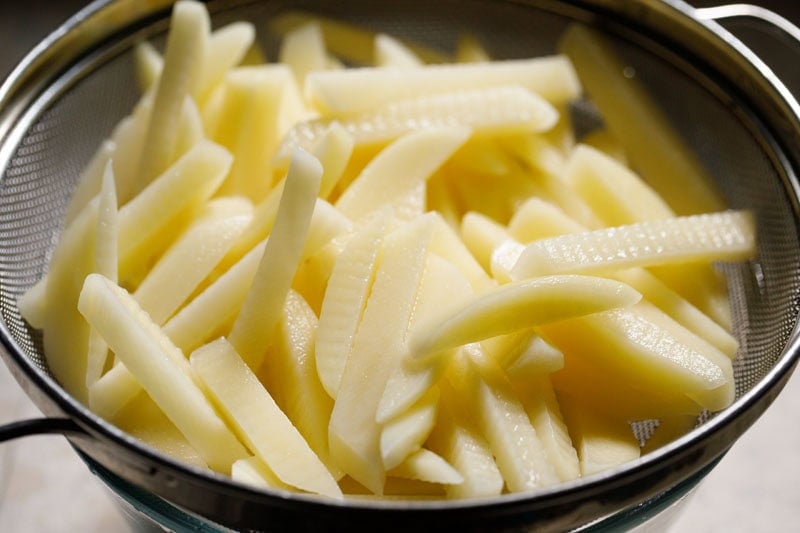
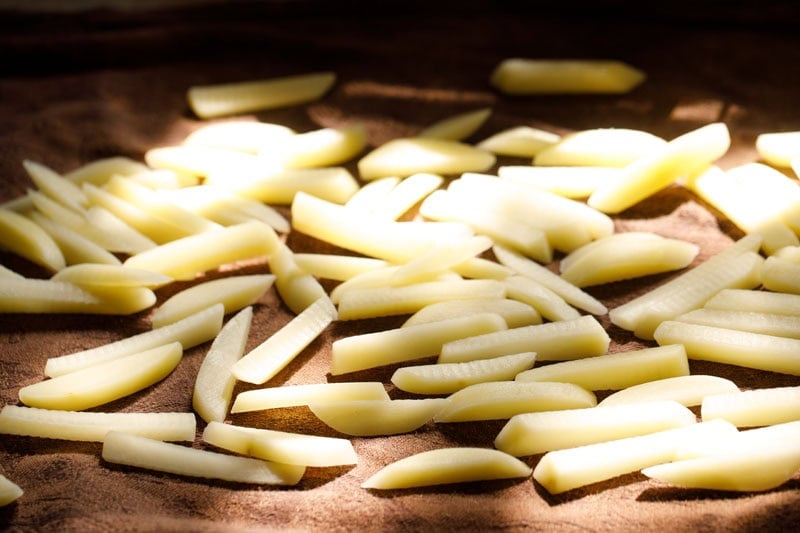
Once the soaking is complete, the potatoes are drained and subjected to a rigorous drying process. Any residual surface moisture will turn to steam in the fryer, leading to a "soggy" texture. After being patted dry with lint-free kitchen textiles, the fries are dusted with a light coating of cornstarch (cornflour). This creates a microscopic barrier that, when hit by hot oil, forms a glass-like "crunch" layer. Professional iterations often include a 15-to-30-minute refrigeration period at this stage to allow the cornstarch to adhere firmly to the potato skin.
Phase III: The Tiered Frying Sequence
The frying process is bifurcated to achieve textural perfection.
- The Par-Fry: The oil is heated to a moderate temperature (approximately 160°C/320°F). The fries are cooked for 4 to 5 minutes until they are pale and soft but not browned. This stage allows the interior starch to hydrate and cook through.
- The Recovery Period: The fries are removed and allowed to rest on a wire rack for 10 to 15 minutes. This allows internal moisture to redistribute.
- The Flash-Fry: The oil temperature is increased to 190°C/375°F. The par-cooked fries are reintroduced for a final "blast" of heat, which triggers the Maillard reaction, resulting in a golden-brown hue and a rigid, crispy shell.
Phase IV: The Seasoning Infusion
The final step occurs within seconds of the fries exiting the oil. While the surface is still hot and glistening with a microscopic film of oil, the Peri Peri seasoning is applied. The residual heat allows the spices—red chili powder, garlic powder, onion powder, and dried oregano—to bloom, releasing their essential oils and adhering to the potato surface.
Supporting Data: Nutritional and Chemical Analysis
A standard serving of homemade Peri Peri fries (based on a 3-serving yield from 520g of potatoes) provides a detailed nutritional profile that reflects both the energy density of the potato and the health-conscious benefits of home preparation compared to commercial alternatives.
Nutritional Breakdown (Per Serving)
- Calories: 270 kcal
- Total Fat: 14g (Saturated Fat: 1g, Monounsaturated Fat: 12g)
- Carbohydrates: 33g (Dietary Fiber: 4g, Sugars: 2g)
- Protein: 4g
- Micronutrients: Vitamin C (46mg), Potassium (750mg), Vitamin E (6mg), and Vitamin B6 (1mg).
Chemical Role of Ingredients in the DIY Spice Mix
The "Quick Homemade Peri Peri Seasoning" is a masterclass in flavor balancing. Each component serves a specific biological or chemical purpose:
- Red Chili & Black Pepper: Provide immediate and delayed heat (capsaicin and piperine).
- Garlic & Onion Powder: Offer sulfurous depth and savory "base notes."
- Sugar: Counteracts the bitterness of the chili and aids in a slight caramelization on the hot surface of the fry.
- Cinnamon & Ginger: Act as "warming spices" that provide a subtle aromatic complexity, distinguishing Peri Peri from standard "cajun" or "chili" seasonings.
- Citric Acid/Dried Oregano: Provide the "tang" and herbaceous top notes that define the Portuguese influence.
Official Responses: Culinary Experts and Market Trends
The rise of the Peri Peri fry has not gone unnoticed by industry stalwarts and culinary historians.
Culinary Consultant Perspective:
"The shift from frozen, pre-processed fries to the artisanal, double-fried fresh potato method marks a return to quality," says a leading food technologist. "The use of vinegar in the soaking stage is a professional secret that is finally reaching the domestic kitchen. It changes the pH of the potato’s surface, allowing for a much more controlled browning process."
Gastronomy Historian Statement:
Historians point out that the "Peri Peri" brand has become a global shorthand for "adventure." What began as a staple of the Mozambican-Portuguese diaspora has been successfully commodified by global chains, but the "home-made" movement is reclaiming the dish. By allowing for DIY spice mixes, consumers are able to adjust heat levels to their personal tolerance, moving away from the "one-size-fits-all" heat of commercial fast food.
Market Analysis:
Retail data suggests a 25% increase in the sale of specialty spices like garlic powder and smoked paprika over the last three years, correlating with the rise in "copycat" restaurant recipes being prepared at home. The "Peri Peri" flavor profile is currently one of the top three fastest-growing seasoning trends in the North American and Asian snack markets.
Implications: The Future of Home Gastronomy
The popularity of the Peri Peri fry carries significant implications for the future of the food industry and domestic cooking habits.
1. The "Gourmetization" of the Side Dish
The Peri Peri fry proves that the "side dish" is no longer an afterthought. As consumers become more educated on techniques like double frying and cornstarch coating, the barrier between professional kitchen quality and home cooking continues to dissolve. This puts pressure on restaurants to innovate further, as the "standard fry" is no longer sufficient to satisfy a discerning public.
2. Health and Customization
By preparing Peri Peri fries at home, consumers can control the type of oil used (opting for heart-healthy monounsaturated fats) and significantly reduce sodium intake. The ability to omit preservatives found in frozen fries makes the homemade version a preferred choice for health-conscious families who still desire comfort food.
3. Cultural Fusion and Global Palates
The dish serves as a gateway to broader flavor profiles. The success of the Peri Peri fry often leads consumers to explore other elements of Afro-Portuguese cuisine, such as Peri Peri chicken, grilled halloumi, and spicy rice. This contributes to a more diverse global palate and an increased demand for authentic, ethnically diverse spice blends in mainstream supermarkets.
4. Technological Adoption
The methodology described—specifically the cooling and double-frying—is increasingly being adapted for Air Fryer technology. While the traditional deep-fry remains the "gold standard" for texture, the evolution of the Peri Peri fry into the air-fried space is the next logical step in its global expansion, promising the same bold flavors with a further reduction in caloric density.
In conclusion, the Peri Peri fry is more than a snack; it is a testament to the power of technique and the global appetite for complex, spicy flavors. Whether served alongside a gourmet burger or enjoyed as a standalone party starter, its place in the modern culinary pantheon is firmly secured.
