

New Delhi | September 5, 2026
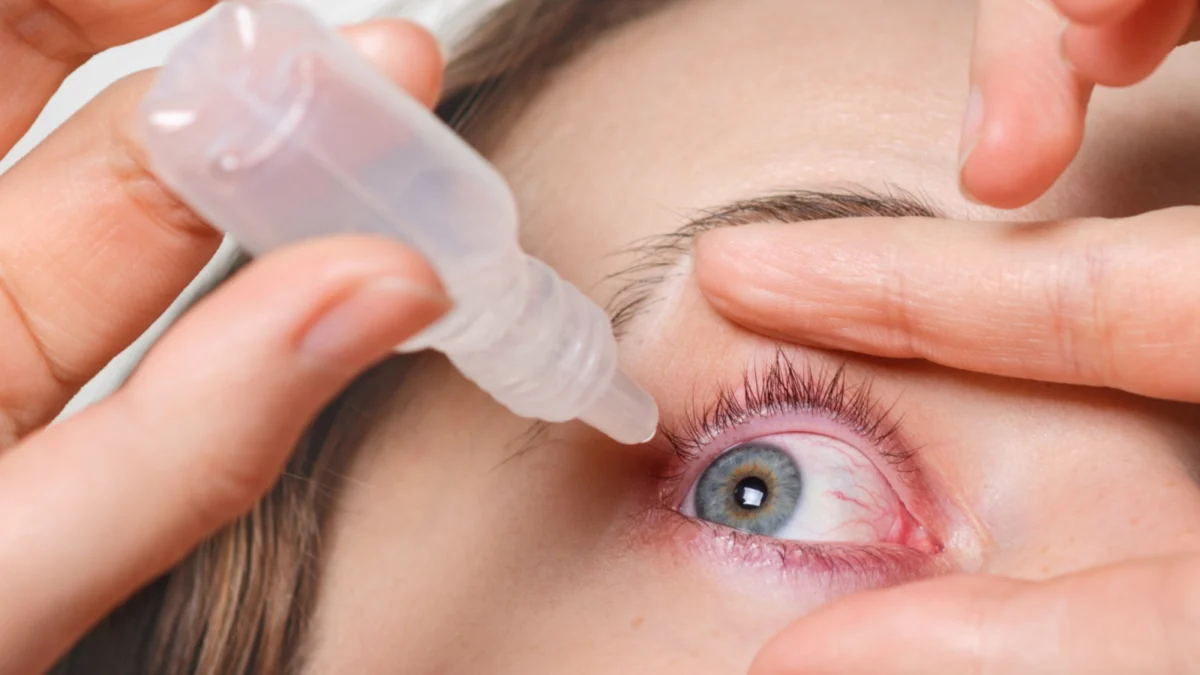
A seemingly benign bottle of eye drops, often bearing an expiry date many months into the future, can harbor a hidden danger: the risk of microbial contamination. While the printed expiration date signifies the manufacturer’s guarantee of product integrity in an unopened state, the reality for multi-dose eye drop bottles changes dramatically once they are opened. Repeated handling, environmental exposure, and even accidental contact with the eye or surrounding tissues can introduce microorganisms, transforming a sterile solution into a potential breeding ground for infections. This critical distinction is often overlooked, leading to a widespread misunderstanding of when an eye drop bottle truly becomes unsafe for use.
Ophthalmologists emphasize that the widely held "one-month rule" is not a universal dictum, but rather a general guideline that can be misleading. The true safe period for using opened eye drops is a complex interplay of factors, including the specific product formulation, its preservative system, and crucially, the manufacturer’s explicit instructions. Ignoring these nuances can have serious consequences for eye health, ranging from mild conjunctivitis to potentially vision-threatening corneal infections.
The Illusion of Long-Term Sterility: Why Opened Eye Drops Differ
The core of the issue lies in the packaging and formulation of eye drops. Multi-dose bottles, designed for convenience and repeated use, are inherently more susceptible to contamination than their single-use counterparts. While manufacturers strive to maintain sterility, the act of opening the bottle, instilling drops, and resealing it creates opportunities for airborne bacteria, fungi, and other microbes to enter.
Dr. Purendra Bhasin, a distinguished Ophthalmologist and the Founder & Director of Ratan Jyoti Netralaya, explains, "Many multi-dose eye drops are recommended to be used within 28-30 days of opening, but this is not an absolute. The safe period depends on the product, preservative system, and manufacturer’s instructions." This statement underscores the need for individual assessment rather than blind adherence to a general rule.
Understanding Different Formulations:
The packaging of eye drops offers significant clues about their potential for contamination and subsequent safe usage period.
-
Preservative-Free Eye Drops: These are often packaged in single-use vials or specialized multi-dose bottles designed to prevent microbial ingress. Once a single-use vial is opened, it must be discarded immediately, even if only a small amount of solution remains. Similarly, some advanced multi-dose preservative-free bottles have unique dispensing mechanisms that are engineered to maintain sterility for a specified period after opening. These are typically clearly indicated on the packaging.
-
Multi-Dose Bottles with Preservatives: These are the most common type of eye drops. The preservatives present in these formulations are designed to kill or inhibit the growth of microorganisms that may enter the bottle. However, the effectiveness of these preservatives can diminish over time, especially with repeated opening and closing, and if the bottle tip comes into contact with contaminants. The 28-30 day guideline often applies to these types of drops, but even here, variations exist.
-
Specially Designed Bottles: Some manufacturers have developed innovative bottle designs that incorporate features to minimize contamination. These might include filtered nozzles or self-sealing mechanisms. Such products may allow for a longer usage period after opening, but again, the manufacturer’s instructions are paramount.
The critical takeaway is that patients must actively engage with the product information. "Patients should therefore check the label or package insert rather than simply following the one-month rule," Dr. Bhasin advises. This proactive approach empowers individuals to make informed decisions about their eye care.
The Cascade of Contamination: What Happens When Eye Drops Go Too Far
The journey of an eye drop from sterility to potential pathogen carrier is a gradual but insidious one. Every time the bottle is opened, and especially if the dropper tip comes into contact with anything other than the sterile inner surface of the cap, contamination becomes a risk.
The Mechanism of Contamination:
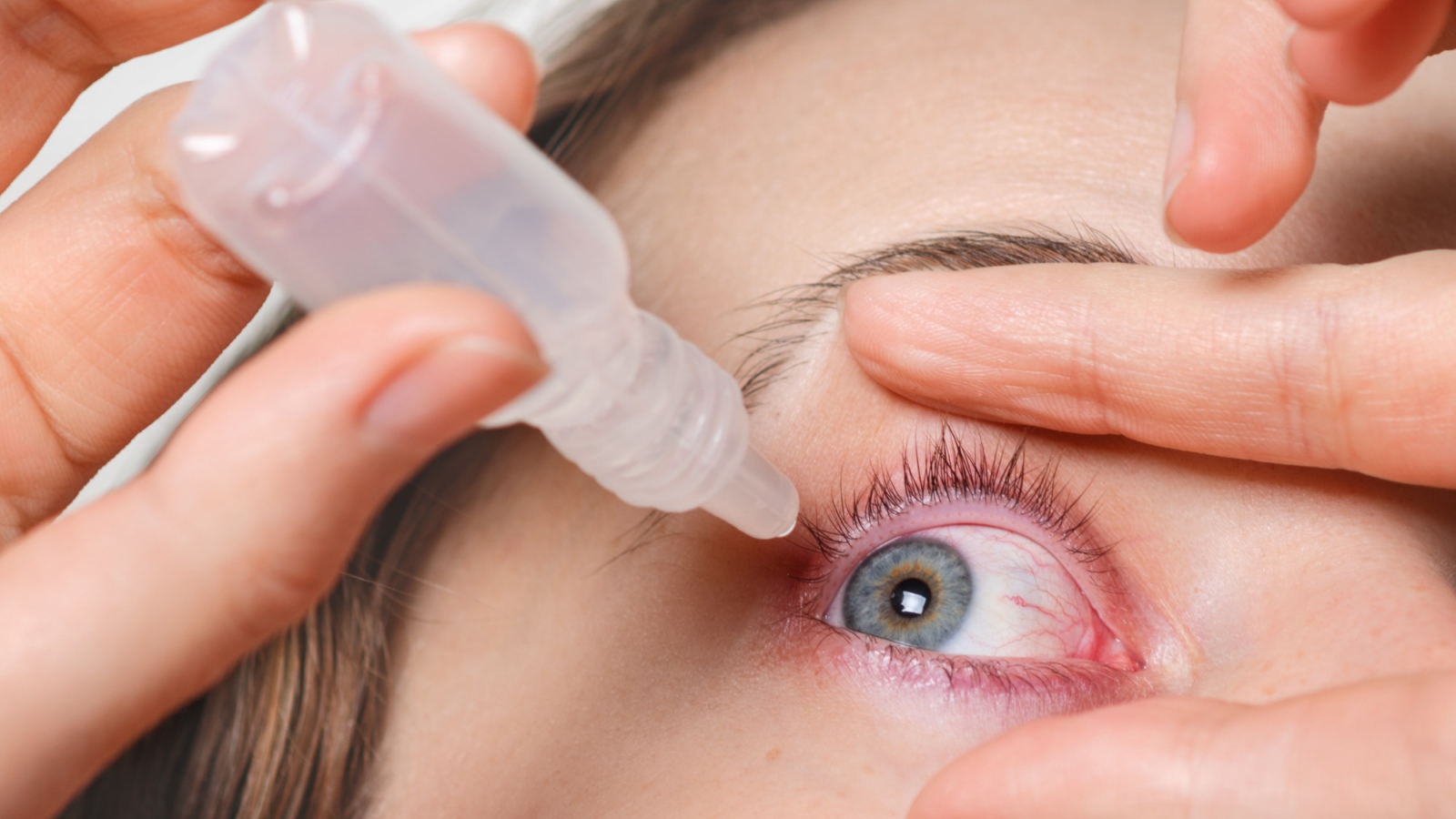
- Direct Contact: The most significant risk factor is the dropper tip touching the eye, eyelashes, skin around the eye, or even a contaminated finger. This directly transfers microorganisms from external sources into the sterile solution.
- Airborne Microbes: Even without direct contact, opening the bottle exposes the solution to airborne bacteria and fungi present in the environment.
- Contaminated Hands: Failing to wash hands thoroughly before applying eye drops introduces germs from the hands into the bottle when the cap is removed or the bottle is handled.
Once microorganisms enter the bottle, they can multiply rapidly, especially in a nutrient-rich environment like an eye drop solution. The preservatives, if present, may not be sufficient to combat a significant microbial load, or their efficacy might have degraded over time.
The Consequences for Ocular Health:
The use of contaminated eye drops can lead to a spectrum of eye infections and inflammatory conditions.
- Conjunctivitis: This is inflammation of the conjunctiva, the thin transparent membrane that covers the white part of the eye and the inside of the eyelids. Symptoms include redness, itching, watering, and a gritty sensation. While often mild, it can be uncomfortable and persistent.
- Corneal Infections (Keratitis): The cornea, the clear front surface of the eye, is particularly vulnerable to infection. A corneal infection can be a serious condition, causing significant pain, blurred vision, sensitivity to light, and discharge.
- Vision-Threatening Infections: In severe cases, particularly when the cornea is involved, an infection can lead to scarring, permanent vision loss, or even necessitate a corneal transplant. Dr. Bhasin warns, "In severe cases, especially when the cornea is involved, vision may be threatened by infection."
The risk is amplified when eye drops are used for pre-existing eye conditions, such as dry eye syndrome or glaucoma. These conditions can already compromise the eye’s natural defenses, making them more susceptible to infection.
Recognizing the Warning Signs: When to Seek Professional Help
The symptoms of an eye infection are not always immediately obvious, and can sometimes be mistaken for the very condition the eye drops were intended to treat. However, certain signs should never be ignored and warrant immediate consultation with an ophthalmologist.
Red Flags for Eye Infections:
- Persistent or Worsening Redness: While some eye drops can cause mild, temporary redness, persistent, angry-looking redness that doesn’t subside is a cause for concern.
- Eye Pain: Any significant pain in the eye, especially if it’s sharp or throbbing, is a serious symptom.
- Discharge: Unusual discharge from the eye, whether it’s watery, mucousy, or pus-like, is a strong indicator of infection.
- Swelling: Swelling of the eyelids or the white part of the eye can be a sign of inflammation or infection.
- Increased Sensitivity to Light (Photophobia): If bright lights are suddenly painful or difficult to tolerate, it can signal an issue with the cornea.
- Blurred or Decreased Vision: Any sudden or progressive blurring of vision, especially if accompanied by other symptoms, requires urgent medical attention.
Dr. Bhasin strongly advises, "These symptoms can have several causes, but they warrant medical attention rather than self-treatment with an old or potentially contaminated bottle." Attempting to treat these symptoms with expired or compromised eye drops can exacerbate the problem and delay proper diagnosis and treatment.
Common Pitfalls: Mistakes That Compromise Eye Safety
Despite the clear risks, several common mistakes are made by individuals when using eye drops, significantly increasing the likelihood of contamination and adverse outcomes. Understanding and avoiding these pitfalls is crucial for maintaining good eye health.
The Most Frequent Errors:
- Touching the Dropper Tip: This is arguably the most common and dangerous mistake. Allowing the tip of the dropper to touch the eye, eyelashes, or any other surface directly transfers microbes into the bottle.
- Using Someone Else’s Eye Drops: Eye drops are personal medical devices. Sharing them, even with family members, can transmit infections from one person to another.
- Improper Cap Replacement: Failing to securely and immediately replace the cap after use leaves the dropper tip exposed to airborne contaminants.
- Inappropriate Storage: Storing eye drops in areas of excessive heat or direct sunlight can degrade the solution and potentially compromise its preservative efficacy. Many eye drops require storage at room temperature, away from direct light.
- Ignoring Discard Dates (Post-Opening): The most critical error is using a bottle of eye drops long past its recommended discard date after opening, effectively disregarding the altered shelf life.
Essential Habits for Safe Eye Drop Usage:
To mitigate these risks, adopting a few simple yet effective habits can make a significant difference:
- Hand Hygiene is Paramount: Always wash your hands thoroughly with soap and water before handling and applying eye drops.
- Maintain Sterile Technique: Be meticulous about not letting the dropper tip touch your eye, eyelashes, eyelids, or any other surface. Tilt your head back, gently pull down your lower eyelid to create a small pocket, and let the drop fall into the pocket.
- Secure the Cap: Replace the cap immediately after each use, ensuring it’s screwed on tightly.
- Follow Storage Guidelines: Adhere strictly to the manufacturer’s recommended storage conditions. If the label says "store at room temperature away from light," do exactly that.
- Never Share: Treat your eye drops as a personal item. Do not share them with anyone else.
- Mark the Opening Date: This is a simple yet incredibly effective practice. Write the date you opened the bottle directly on the label with a permanent marker. This provides a clear visual reminder of when the bottle should be discarded. Dr. Bhasin emphasizes, "It is also helpful to write the date of opening on the bottle, which makes it easier to remember when it should be thrown away."
By integrating these practices into your routine, you can significantly enhance the safety and efficacy of your eye drop treatment and protect your precious vision from unnecessary risks.
DISCLAIMER: This article is based on information from the public domain and/or the experts we spoke to. It is intended for informational purposes only and does not constitute medical advice. Always consult your health practitioner or a qualified ophthalmologist before starting any new treatment, making changes to your existing routine, or if you experience any concerning symptoms.
