

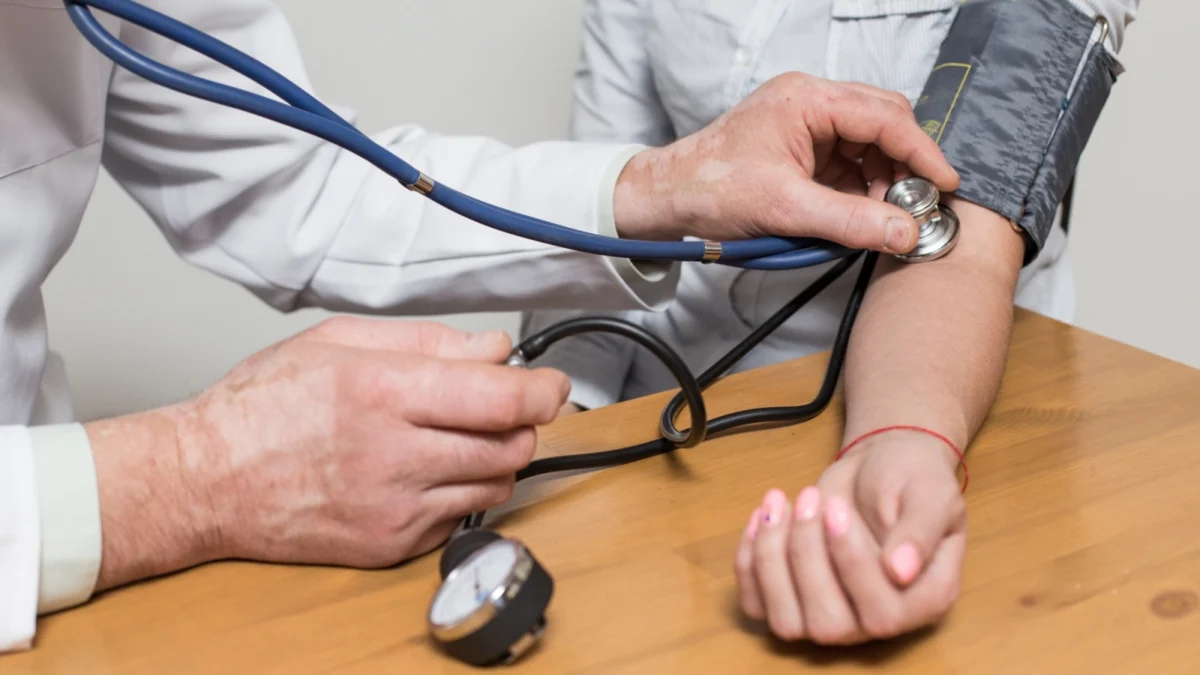
New Delhi, September 9, 2026 – In an era where proactive health management is paramount, understanding and accurately monitoring blood pressure has emerged as a critical component of cardiovascular wellness. While annual check-ups offer a baseline, a growing consensus among medical professionals suggests that a more nuanced approach to blood pressure assessment is essential for a comprehensive understanding of one’s cardiovascular health. This sentiment is amplified by the advocacy for methods like the "7-2-2 Rule," a systematic approach to home blood pressure monitoring that promises to provide a more reliable and actionable picture of an individual’s health than a single, isolated reading.
Cardiovascular surgeon Dr. Jeremy London champions the "7-2-2 Rule" as the optimal method for gauging blood pressure. This rule advocates for a week-long monitoring period, during which blood pressure is measured twice daily – once in the morning and again in the evening. Crucially, two separate readings are to be taken during each session. The ultimate goal is to derive an average from all these recorded measurements, thereby mitigating the impact of transient fluctuations and providing a more representative assessment of a person’s typical blood pressure. This stands in stark contrast to the often-insufficient reliance on a single annual reading, which can be influenced by a multitude of immediate factors.
To delve deeper into the efficacy of this method and to provide practical guidance for individuals seeking to accurately measure their blood pressure at home, we consulted with Dr. Parin Sangoi, a Consultant Interventional Cardiologist at Wockhardt Hospitals in Mumbai Central. Dr. Sangoi’s insights shed light on the limitations of sporadic readings and underscore the importance of consistent, correctly executed home monitoring.
Disclaimer: This article is compiled from information disseminated in the public domain and expert opinions. It is imperative to consult with your healthcare practitioner before initiating any new health monitoring routine or making decisions based on this information.
The Imperative of Multiple Readings: Beyond the Snapshot
A solitary blood pressure reading, much like a single photograph, offers only a fleeting glimpse of a complex reality. It is susceptible to a myriad of external and internal influences that can temporarily distort the true picture of an individual’s cardiovascular state. Dr. Sangoi emphasizes this point, stating, "Anxiety, rushing to the clinic, caffeine consumption, or even a poor night’s sleep can temporarily affect the reading." These transient factors can lead to readings that are uncharacteristically high or low, potentially causing unnecessary alarm or, conversely, masking underlying issues.
The "7-2-2 Rule," by its very design, addresses this inherent variability. By committing to a seven-day monitoring period, with two readings taken in the morning and two in the evening each day, individuals gather a substantial dataset. This consistent data collection allows for the identification of diurnal variations and provides a more robust understanding of a person’s usual blood pressure pattern. Dr. Sangoi elaborates, "This can provide a better picture of a person’s usual blood pressure pattern."
Furthermore, this systematic approach can be instrumental in identifying discrepancies between readings taken in a clinical setting and those taken in the familiar comfort of one’s home. This phenomenon, known as "white-coat hypertension," occurs when individuals experience elevated blood pressure solely due to the stress or anxiety associated with a medical appointment. Conversely, "masked hypertension" can occur when blood pressure is normal in a clinical setting but elevated at home. The 7-2-2 rule helps to differentiate these scenarios, leading to more accurate diagnoses and tailored treatment plans.
Mastering the Art of Home Blood Pressure Measurement: Precision and Protocol
The efficacy of any home monitoring strategy hinges on the accuracy of the measurement technique. Even with the best intentions and the most advanced devices, improper technique can introduce significant errors. Dr. Sangoi outlines a series of essential steps to ensure accurate blood pressure readings at home:
Pre-Measurement Preparations:
- Avoid Stimulants: It is crucial to abstain from exercise, smoking, and the consumption of caffeinated beverages for at least 30 minutes prior to taking a blood pressure reading. These activities can temporarily elevate blood pressure, leading to skewed results.
- Empty the Bladder: A full bladder can exert pressure on the body and influence blood pressure readings. Therefore, ensuring an empty bladder before measurement is a simple yet effective step.
- Rest and Relax: Prior to taking the measurement, it is recommended to sit quietly and relax for at least five minutes. This allows the body to return to a baseline state, minimizing the impact of any recent physical or mental exertion.
Optimal Posture and Arm Positioning:
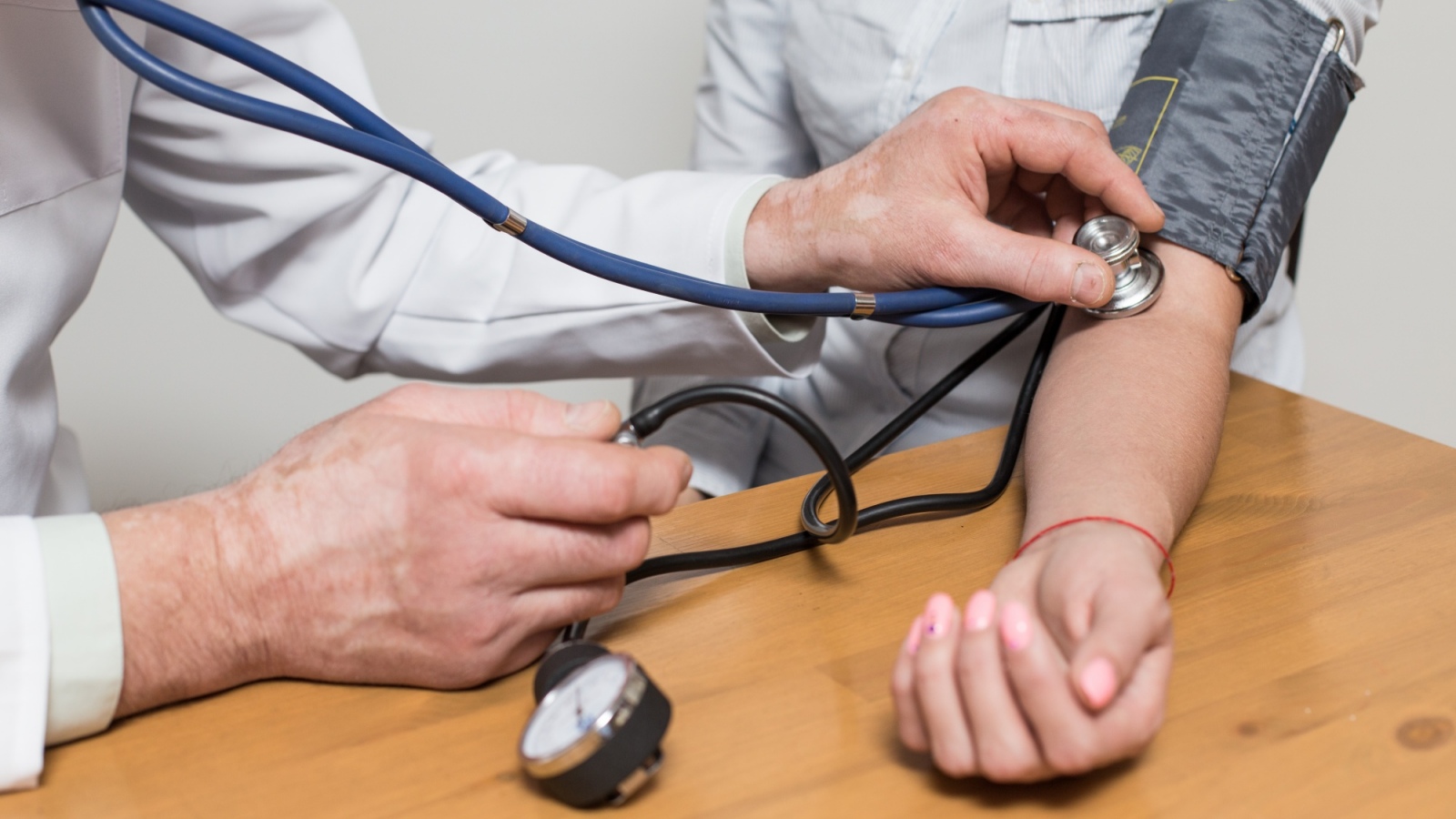
- Supported Seating: Sit in a chair with your back comfortably supported. This promotes relaxation and stability.
- Feet Flat on the Floor: Ensure both feet are flat on the floor, uncrossed. This maintains proper circulation and body alignment.
- Arm at Heart Level: The arm on which the blood pressure cuff is placed should be comfortably supported at heart level. This is a critical factor for accurate readings, as an arm positioned too high or too low can significantly alter the measurement.
- Bare Upper Arm: The blood pressure cuff should be placed directly on the bare upper arm, over the brachial artery. Clothing can constrict blood flow and affect the accuracy of the reading.
During the Measurement:
- Use a Validated Device: Dr. Sangoi strongly recommends using a validated, upper-arm blood pressure monitor that is appropriately sized for the individual’s arm circumference. Wrist monitors, while convenient, are generally considered less accurate than upper-arm devices.
- Remain Still and Silent: During the measurement, it is imperative to avoid talking or moving. Even slight movements or vocalizations can cause fluctuations in blood pressure and compromise the reading.
Adhering to these guidelines is not merely about following instructions; it is about cultivating a disciplined approach to self-monitoring that yields reliable data, empowering both the individual and their healthcare provider to make informed decisions about cardiovascular health.
The Significance of Serial Readings: Unveiling the Trend
The inherent physiological variability of blood pressure throughout the day underscores the importance of taking multiple readings. A single measurement, whether high or low, may not accurately reflect a person’s typical blood pressure. As Dr. Sangoi explains, "A stressful phone call, poor sleep, pain, or even rushing before a measurement can push it temporarily higher, while relaxation or other factors can produce a lower reading."
This is precisely why serial measurements are so informative. Instead of fixating on the highest or lowest number recorded, focusing on the overall average provides a more meaningful and representative assessment. "Taking repeated measurements and looking at the overall average rather than focusing on the highest or lowest number provides a more meaningful assessment," he states. This comprehensive view is particularly valuable when assessing whether an individual’s blood pressure is consistently elevated, a critical factor in diagnosing and managing hypertension.
The ability to track these trends over time also aids in identifying patterns that might otherwise go unnoticed. For instance, a slight but persistent upward trend in morning readings, even if they remain within the "normal" range, could signal an early warning sign that warrants closer attention. Similarly, understanding how blood pressure responds to daily activities, stress, or medication can provide invaluable insights for personalized health management. This is particularly useful when determining whether someone’s BP is consistently elevated, a key indicator for potential cardiovascular risk.
When to Seek Professional Consultation: Interpreting the Data
While home monitoring is a powerful tool, it is not a substitute for professional medical advice. Dr. Sangoi emphasizes that treatment decisions should never be based solely on a single number. Instead, they are a complex interplay of factors, including the overall blood pressure pattern, an individual’s age, their cardiovascular risk profile, the presence of conditions like diabetes or kidney disease, and other unique personal health characteristics.
However, there are specific thresholds that demand immediate medical attention. A reading of 180/120 mmHg or higher is considered a hypertensive crisis and requires prompt assessment. In such instances, Dr. Sangoi advises repeating the measurement after a few minutes. If the reading remains critically high, and especially if accompanied by symptoms such as chest pain, shortness of breath, severe headache, weakness, confusion, or changes in vision, seeking urgent medical evaluation is paramount.
Ultimately, the message from the medical experts is clear: "Measure correctly, record consistently, and interpret the trend – not just one number," advises Dr. Sangoi. This holistic approach to blood pressure monitoring empowers individuals to take a more active and informed role in safeguarding their cardiovascular health, fostering a proactive partnership with their healthcare providers for optimal well-being.
The implications of widespread adoption of such systematic home monitoring practices are significant. It can lead to earlier detection of hypertension, more accurate diagnoses, and consequently, more effective and personalized treatment strategies. This, in turn, can contribute to a reduction in the incidence of cardiovascular events such as heart attacks and strokes, ultimately improving public health outcomes on a broader scale.
