MALE, MALDIVES – As the global travel industry pivots toward "longevity tourism" in 2026, the Maldives is asserting itself not merely as a destination for honeymooners, but as a sophisticated hub for clinical wellness and environmental restoration. At the forefront of this transformation is the Four Seasons Resort Maldives at Kuda Huraa, which has recently unveiled "Urja," a private islet dedicated entirely to the principles of naturopathy and the five elements of nature.
The shift reflects a broader 2026 travel trend where high-net-worth individuals are eschewing traditional spa treatments in favor of digital detox camps, spiritual journeys, and science-backed sanctuaries. At Kuda Huraa, this evolution is grounded in a philosophy that is "Calm, Unhurried, and Peaceful"—a stark contrast to the fast-paced digital reality of the modern traveler.

I. Main Facts: The Rise of the Wellness Islet
Located a strategic 25-minute speedboat ride from Velana International Airport in Male, Kuda Huraa has long been a staple of Maldivian luxury. However, the December 2025 launch of Urja (a Sanskrit term meaning "vitality") marked a significant departure from standard resort offerings. Urja is not merely a spa; it is a dedicated island sanctuary helmed by naturopathy physician Dr. Anand Prayaga.
The core of the Urja experience is rooted in the Pancha Mahabhutas, or the five great elements: Earth, Water, Fire, Air, and Space. Unlike traditional Ayurvedic practices found at sister properties like Landaa Giraavaru, Urja focuses on naturopathic principles that utilize the natural environment to trigger the body’s innate healing mechanisms.
Key offerings at the islet include:

- Anti-Gravity Yoga: Utilizing silk hammocks to decompress the spine and improve circulation.
- Sound Healing: Using vibrational frequencies to synchronize brain waves and induce deep meditative states.
- Yoga Therapy: Personalized sessions designed to address specific physiological ailments.
- Naturopathic Consultation: In-depth sessions with curators like Dr. Girinathan Santhisathram to align guest lifestyles with elemental balance.
The resort itself maintains a boutique feel with 96 villas and suites. These range from beach and garden pavilions to over-water sunset villas. For larger groups and families, the "Kuda Estate"—a three-bedroom complex—and various multi-bedroom water suites provide a residential feel within the tropical expanse.
II. Chronology: From Coral Frames to Naturopathy Sanctuaries
The evolution of Kuda Huraa into a wellness and conservation powerhouse has been a decades-long endeavor. Understanding the current state of the resort requires a look at its developmental timeline:
- 2001: The resort launches its pioneering coral frame technique, a response to the devastating bleaching events that threatened Maldivian reefs. This initiative marked the beginning of the resort’s "Marine Discovery Centre" (MDC) philosophy.
- 2005: A formal partnership is established with Reefscapers, a Maldivian marine consultancy. This collaboration turned Kuda Huraa into a living laboratory for coral restoration.
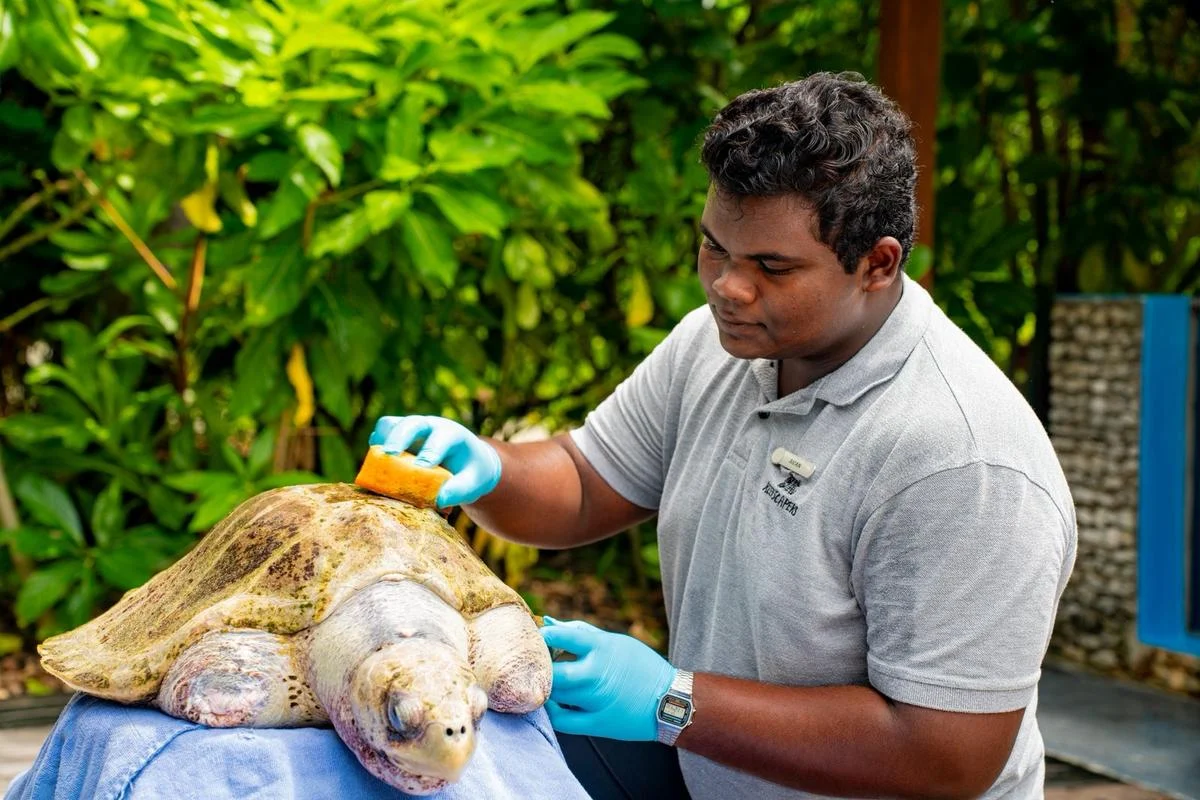
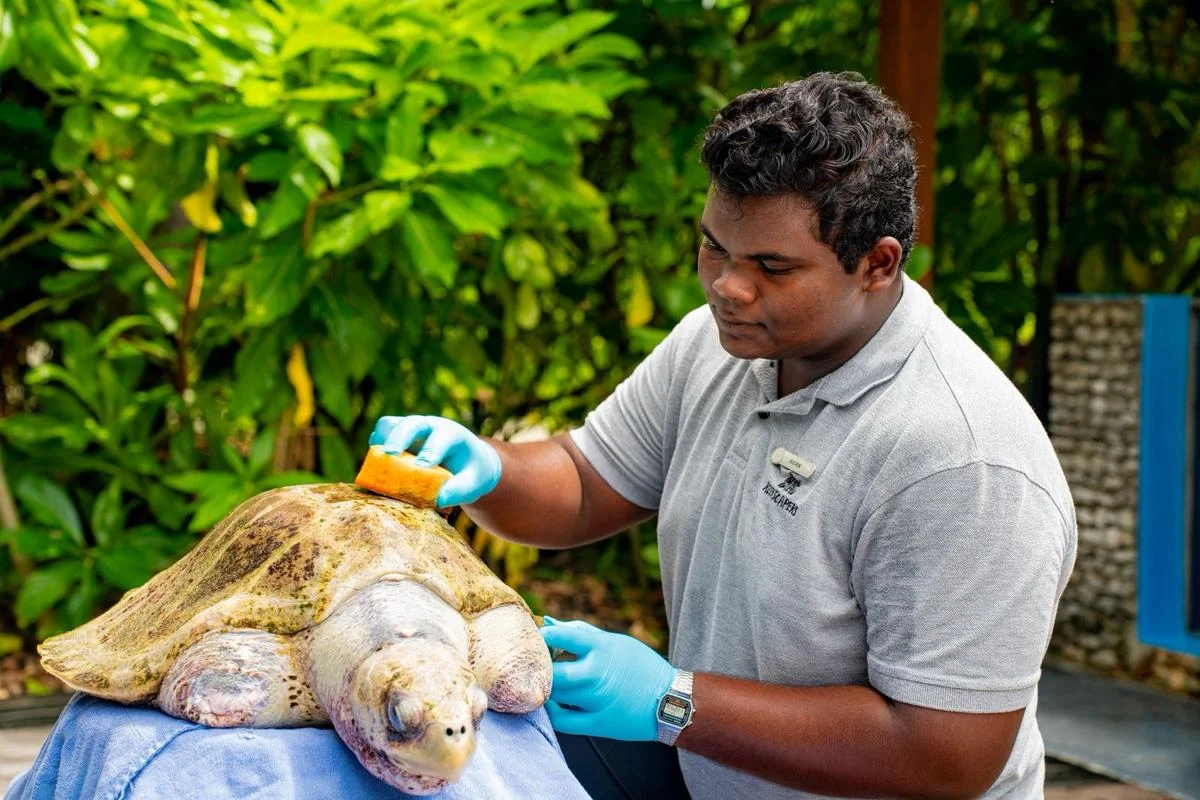
- 2011: The Sea Turtle Conservation Programme is officially inaugurated, focusing on the rescue and rehabilitation of injured turtles, particularly those entangled in "ghost" fishing nets.
- 2018: The Four Seasons brand expands its wellness footprint with the launch of Ayur Ma at Landaa Giraavaru, a spa dedicated to the 5,000-year-old tradition of Ayurveda.
- December 2025: The official opening of Urja at Kuda Huraa. This signaled the resort’s shift toward Naturopathy, bridging the gap between traditional medicine and luxury hospitality.
- July 2026: The resort celebrates two major milestones: the 15th anniversary of the Sea Turtle Conservation Programme and the planting of the 9,000th coral frame.
- December 2026 (Upcoming): The resort is scheduled to debut a comprehensive naturopathy-based food menu across all its dining outlets, moving beyond vegetarianism to include nutrient-dense, non-vegetarian options tailored to the five elements.
III. Supporting Data: The Logistics of Paradise
Maintaining a five-star private island requires a massive, often invisible, industrial effort. The "Heart of the House" at Kuda Huraa operates with the precision of a small city, balancing high-end consumption with sustainability initiatives.

Operational Metrics:
- Energy Consumption: The resort consumes approximately 5,000 liters of diesel daily for power generation.
- Water Management: On-site Reverse Osmosis (RO) plants convert seawater into high-quality drinking water, eliminating the need for single-use plastic bottles.
- Waste and Maintenance: A dedicated carpentry and workshop section handles everything from the intricate maintenance of traditional dhonis (Maldivian wooden boats) to plumbing and electrical repairs.
Sourcing and Supply Chain:
The culinary team, led by Chef Hamee, manages a complex global supply chain to ensure freshness in the middle of the Indian Ocean:
- Meats: Primarily sourced from Australia to meet high quality and grading standards.
- Exclusive Produce: Sourced from Germany for specialty items.
- Regional Staples: India serves as a vital partner. Notably, the resort imports 220 kilograms of pineapples per week specifically from Tamil Nadu, alongside a vast array of spices.
Marine Statistics:
- Coral Restoration: There are currently 3,291 coral frames at Kuda Huraa alone. Across the four Maldivian resorts where Reefscapers operates, that number exceeds 10,000.
- Biodiversity: While coral reefs cover less than 1% of the ocean floor, the MDC notes they support 25% of all marine life.
- Guest Engagement: Each coral frame is assigned a unique number, allowing sponsors to monitor growth and development remotely via a dedicated database.
IV. Official Responses: Leadership in Wellness and Science
The leadership at Kuda Huraa emphasizes that "wellness" is not a static product but an evolving dialogue between the guest and the environment.
Dr. Anand Prayaga, Director of Urja, highlights the transition from clinical settings to luxury hospitality. "I helmed a luxury naturopathy and wellness clinic in Idukki before moving to Kuda Huraa," Dr. Anand says. "From a hospital to hospitality, I brought the same principles. Everything we experience is linked to the five elements of Nature, and we use them to treat the body." He adds that the project remains a "work in progress," with a major focus on the upcoming naturopathy-aligned menus. "There is a misconception that such diets are strictly vegetarian; we have several non-vegetarian options too."

On the environmental front, marine biologists Kathryn Pogson and Aditya Salvi are spearheading a new era of "proactive" conservation. "We will soon have a spawning lab at the Centre where we will raise baby corals and release them to the ocean once they are ready," Pogson explains. The goal is to move beyond just planting frames to actually improving the survival rates of coral larvae. "If we do it right, we can significantly reduce their mortality rate."
Aditya Salvi underscores the importance of the sponsorship program, noting that the frames—made of iron rebar coated with sand and resin—are essential for maintaining the delicate balance of the Maldivian ecosystem. "The ocean bed is peppered with these frames, shaped as stars, hearts, and trees, each serving as a vital habitat."
V. Implications: The Future of Eco-Luxury
The transformation of Kuda Huraa carries significant implications for the future of the Maldives and the global luxury travel sector.

1. The Professionalization of Wellness
The shift from "pampering" to "physician-led" wellness suggests that travelers in 2026 are looking for measurable health outcomes. By hiring experts like Dr. Prayaga and Dr. Santhisathram, Four Seasons is positioning itself as a legitimate healthcare alternative, where a vacation serves as a medical "reset." This could lead to a new category of "medical-hospitality" insurance or corporate wellness retreats.
2. Conservation as a Luxury Amenity
Environmental stewardship is no longer a "side project" for resorts; it is a core part of the guest experience. The success of the Marine Discovery Centre proves that guests are willing to pay a premium for "regenerative travel"—vacations that leave the destination better than they found it. The planting of the 9,000th coral frame is a marketing milestone, but it also represents a tangible increase in the island’s coastal resilience against rising sea levels.
3. Economic Integration
The sourcing of 220kg of pineapples weekly from Tamil Nadu and meats from Australia illustrates how Maldivian tourism drives regional and global trade. However, the reliance on 5,000 liters of diesel daily remains a challenge. The next frontier for Kuda Huraa—and the Maldives at large—will likely be the transition from diesel-dependency to solar-hydrogen hybrid systems to power their massive RO plants and cooling systems.

4. Educational Legacy
Through programs like the "Junior Marine Savers," the resort is educating the next generation of travelers and locals. As Wiaam, a student volunteer at the resort, aptly noted during a snorkeling excursion: "Remember to breathe, and don’t flap your hands around too much." It is a lesson in buoyancy that applies as much to the individual’s mental health as it does to the survival of the reef.
As 2026 continues to unfold, Four Seasons Kuda Huraa stands as a testament to the idea that true luxury lies in the intersection of ancient elemental wisdom and modern scientific conservation. In the emerald waters of the Maldives, the "Urja" of the island is being restored, one coral fragment and one meditative breath at a time.