

KIPHIRE, NAGALAND – In the rugged, mist-shrouded mountains of Northeast India, where the borders of India and Myanmar blur into a dense tapestry of biodiversity, scientists have unearthed a new biological treasure. A specialized species of sisorid catfish, uniquely adapted to the thundering rapids of the eastern Himalayas, has been officially described and added to the annals of global ichthyology.
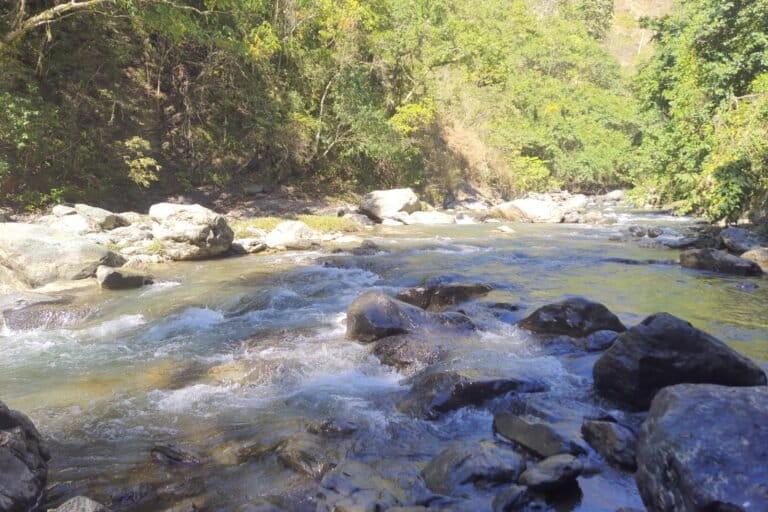
The species, named Pseudecheneis likimroensis, was discovered in the fast-flowing waters of the Likimro River in Nagaland’s Kiphire district. This discovery, detailed in a recent edition of the Journal of Ichthyology, underscores the status of the Indo-Myanmar region as one of the world’s most critical—yet under-explored—freshwater biodiversity hotspots.
I. Main Facts: A Master of the Rapids
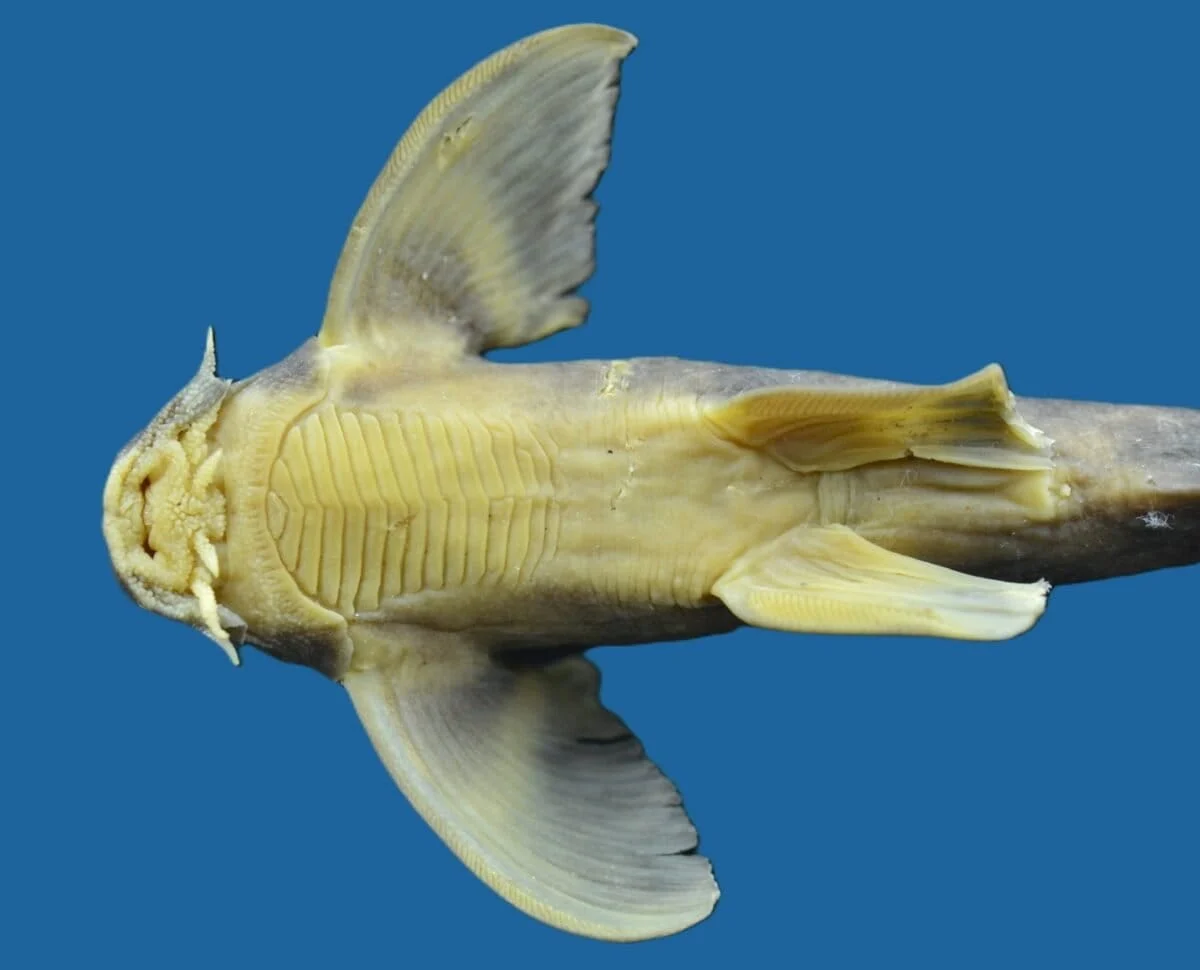
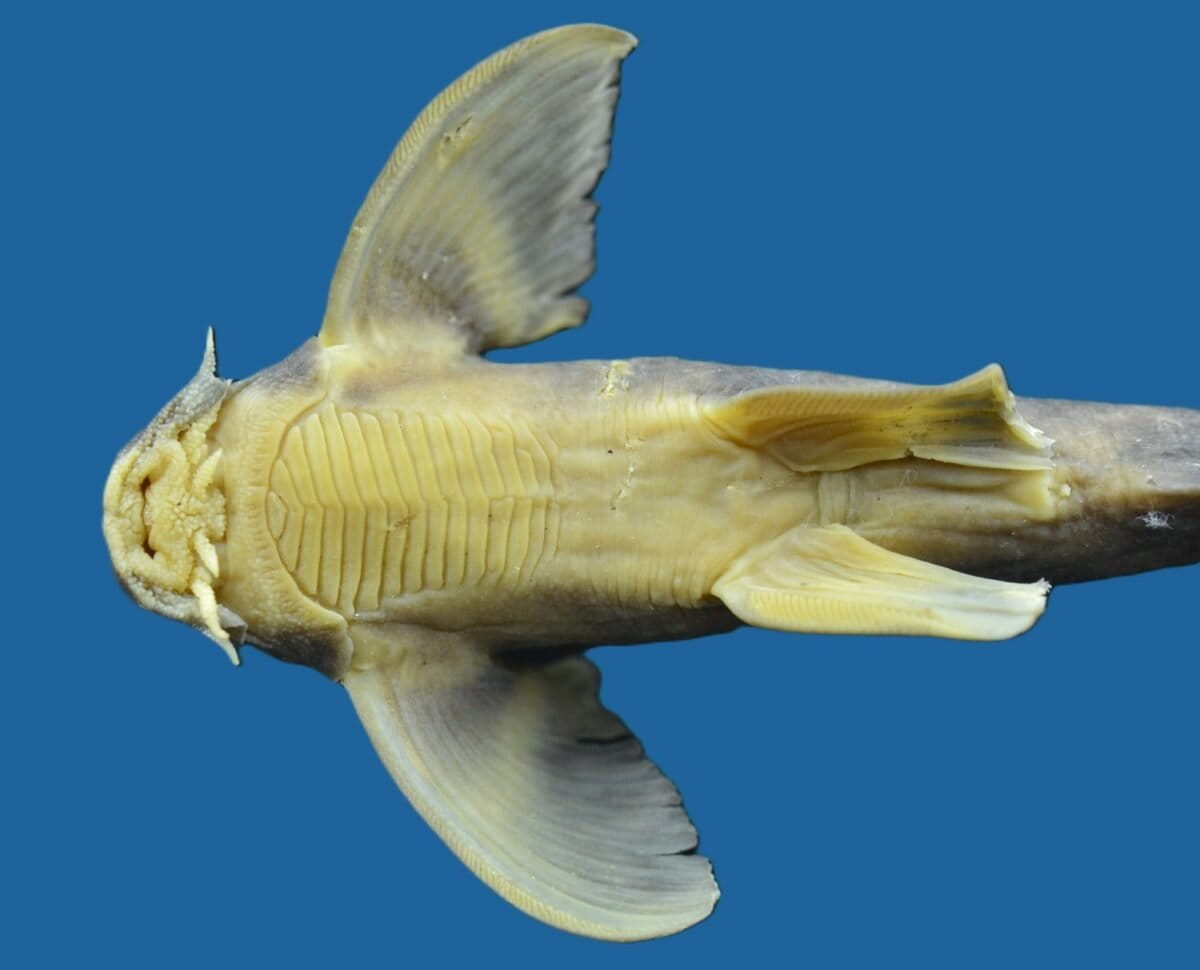
Pseudecheneis likimroensis is not a typical bottom-dwelling catfish. It belongs to a genus of "rheophilic" fish—creatures that have evolved specifically to live in high-velocity, turbulent water environments. While many aquatic species are swept away by the sheer force of mountain torrents, this new catfish has developed a suite of anatomical tools that allow it to cling to submerged boulders with remarkable tenacity.
Taxonomic Classification and Description
The species was described by a collaborative team of researchers, including Limatemjen from Kohima Science College, Laishram Kosygin Singh from the Zoological Survey of India (ZSI), and research scholar Shekumcha Y. The discovery is significant because it adds a new member to the Pseudecheneis genus, which is characterized by specialized adhesive thoracic apparatuses.
Key Physical Characteristics:
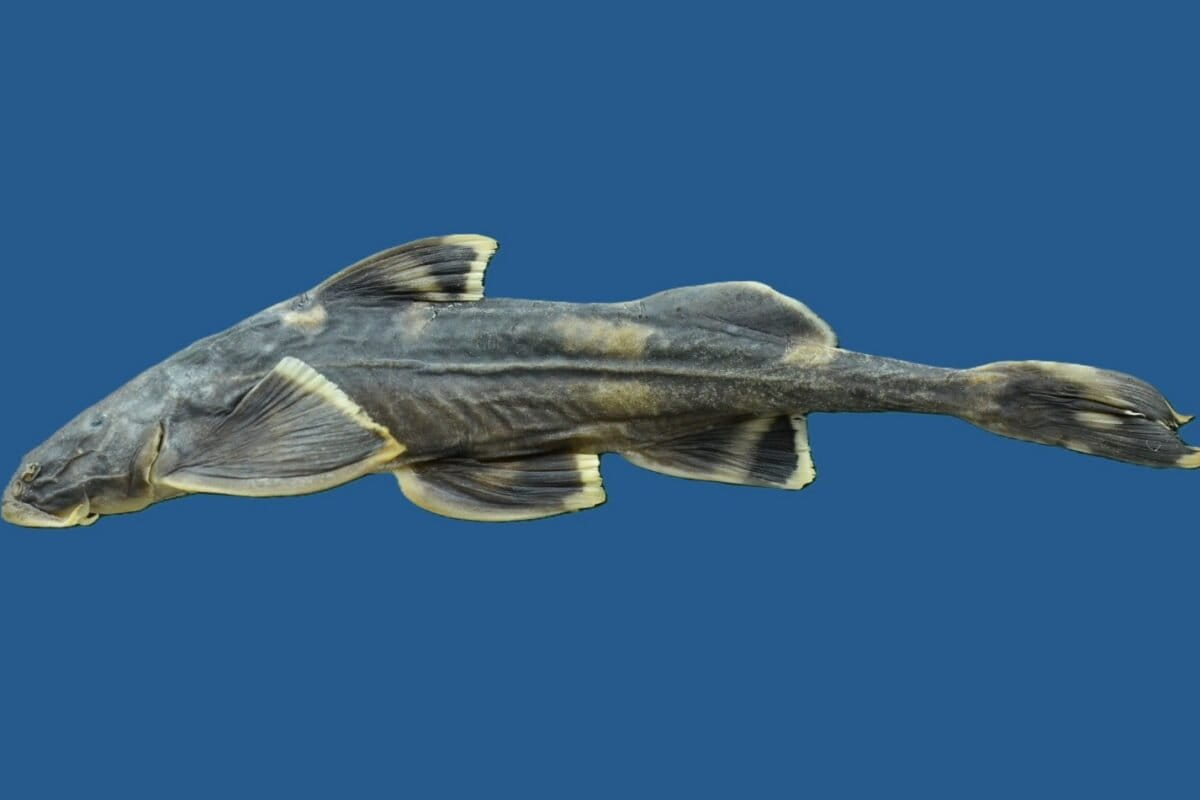
- Size: The holotype (the primary reference specimen) measures 11.53 cm, though larger specimens have been recorded up to 13.19 cm.
- Morphology: The fish possesses a dorso-ventrally flattened body, an evolutionary adaptation that reduces water resistance and allows it to stay low against the riverbed.
- Adhesive Organs: The most striking feature is a specialized adhesive organ on its chest, consisting of transverse ridges separated by deep grooves. This "suction pad" allows the fish to create friction and grip slippery rocks in the middle of torrential currents.
- Diet: It is a carnivorous species, primarily subsisting on aquatic insects, larvae, and other small organisms that inhabit the biofilm of river rocks.
The naming of the species—likimroensis—pays direct homage to the Likimro River, the only location where the species has been documented to date.
II. Chronology: The Journey to Discovery
The discovery of Pseudecheneis likimroensis was not the result of a targeted search for this specific fish, but rather a serendipitous find during a broader survey of Nagaland’s aquatic fauna.
The Expedition (October 2024)
In October 2024, a research team led by Professor Limatemjen set out to survey the Kiphire district, one of Nagaland’s most remote and topographically challenging regions. Kiphire sits on the eastern edge of the state, bordering Myanmar, and is home to Mount Saramati, Nagaland’s highest peak.
The journey was an exercise in endurance. "First we had to travel from Kohima to Kiphire, covering a distance of around 100 km," Limatemjen, the Dean of Sciences at Kohima Science College, explained. "However, the journey takes much longer due to difficult road conditions." Upon reaching the district headquarters, the team faced another four-hour drive, followed by a strenuous one-hour trek on foot through steep valleys to reach the designated sampling sites on the Likimro River.
The Collection and Identification
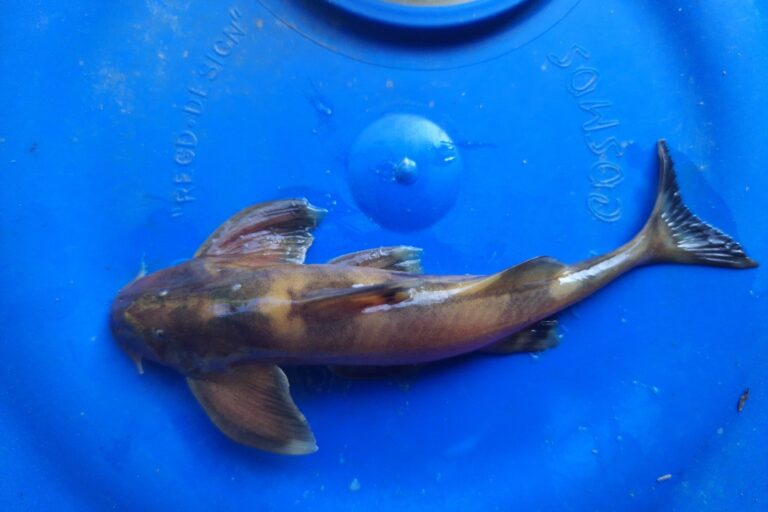
Working alongside local fishermen who utilized traditional cast nets, the team collected five specimens at an elevation of 446 meters above sea level. While the researchers initially noted the unusual appearance of the catch, the true nature of the find only became apparent months later.
Laboratory Analysis and Publication (2025–2026)
Following the fieldwork, the specimens were transported to laboratories for rigorous morphological and anatomical examination. Over the course of 2025, the team compared the Likimro specimens against known species of Pseudecheneis found in the Brahmaputra and Chindwin basins. By analyzing the minute differences in thoracic ridge counts, fin structures, and body proportions, the team confirmed they had found a species new to science. Their findings were formally published in May 2026.
III. Supporting Data: The Geological Engine of Endemism
The discovery of P. likimroensis is a direct result of the unique geological history of the Tizu–Chindwin river system. To understand why this fish exists only here, one must look at the tectonic forces that shaped the region.
The Tizu–Chindwin Isolation
Unlike most rivers in Northeast India, which flow westward into the Brahmaputra, the Tizu River (and its tributary, the Likimro) flows eastward into Myanmar. It joins the Chindwin River, which eventually merges with the Irrawaddy.
Laishram Kosygin Singh of the ZSI notes that the Chindwin–Irrawaddy drainage is a premier hotspot for freshwater endemism. "This recognition stems from its complex geology and long-term isolation from neighboring systems like the Brahmaputra, Salween, and Mekong," Singh stated.
The tectonic uplift of the Indo-Burman Ranges—a result of the collision between the Indian and Eurasian plates—created a series of "island" habitats within the river systems. As mountains rose, river courses were diverted and cut off, trapping fish populations in specific valleys. Over millennia, these isolated populations evolved independently, leading to high rates of speciation. P. likimroensis is a product of this "evolutionary laboratory."
Water Quality and Habitat
Data provided by researchers like Pranay Punj Pankaj of Nagaland University suggests that the water quality in these remote stretches remains high. Factors such as dissolved oxygen, temperature, and sunlight penetration in the shallow, rocky stretches of the Likimro provide the ideal "torrential" environment required for rheophilic species. However, these same factors make the species highly vulnerable to even minor changes in water chemistry or flow.
IV. Official Responses and Expert Commentary
The discovery has elicited a mix of scientific pride and environmental concern from the academic community in Nagaland.
Professor Limatemjen highlighted the "slow science" aspect of the discovery. He noted that the process of confirming a new species is arduous, requiring DNA analysis and minute comparative studies. "We do not even have proper documentation of these remote rivers, let alone the immense biodiversity in them," he said, suggesting that many more species may be lurking in Nagaland’s unexplored waters.
Shekumcha Y., whose fieldwork was instrumental in the find, emphasized the ecological pressure. "Since it’s currently found only in the Likimro river, there might be some ecological pressure. We are not sure yet about its breeding grounds," she noted, highlighting a critical gap in the species’ survival data.
Dr. Pranay Punj Pankaj provided a more somber perspective on the state of Nagaland’s rivers. While the Likimro remains relatively pristine, other rivers like the Doyang have seen a drastic drop in recorded species—from 60 to roughly 40 in recent years. He warned that the "accessible" nature of shallow spawning grounds makes these fish easy targets for over-harvesting.
V. Implications: Conservation in the Face of Modernity
The discovery of Pseudecheneis likimroensis serves as both a scientific triumph and a conservation warning. The species faces a "perfect storm" of threats that are common across the Indo-Myanmar hotspot.
The Threat of Destructive Fishing
Traditional fishing is being replaced in some areas by destructive modern methods. The use of dynamite and chemicals (poisons) to harvest fish en masse destroys entire micro-ecosystems, killing not just the target fish but the larvae and insects they feed on. Furthermore, the local culinary preference for egg-bearing females—considered a delicacy—poses a direct threat to the replacement rate of the population. "If we eat such fishes, all we are doing is destroying potential mothers… the next generation will be under threat," warned Dr. Pankaj.
The Role of Community Conserved Areas (CCAs)
In Nagaland, the path to conservation is often paved by indigenous "Customary Law" rather than state-enforced mandates. Aniruddh Soni of The Energy and Resources Institute (TERI) points to Community Conserved Areas (CCAs) as the region’s best hope. These are ecosystems managed and protected voluntarily by village communities.
In the case of the Likimro River, while the sampling site is not a formal CCA, the local villagers have taken it upon themselves to impose strict rules against destructive fishing. This "grassroots governance" is often more effective than distant government regulations in remote border districts.
Future Research and the "Blind Spot"
The research team believes P. likimroensis is just the tip of the iceberg. Limatemjen revealed that his team has at least three more fish species currently undergoing the description process. However, the window for discovery is closing. Rapid urbanization, coal mining, and river modification projects (such as dams) are altering the very torrential habitats these species require.
The discovery of this small, resilient catfish is a reminder that the world’s "biodiversity blind spots" are still yielding secrets. For Pseudecheneis likimroensis, survival will depend on a delicate balance between scientific monitoring, local community protection, and the mitigation of the industrial pressures creeping into the eastern Himalayas. As the scientific community celebrates this new addition, the focus now shifts to ensuring that the Likimro River continues to flow fast and clean enough to sustain its most specialized inhabitant.
