

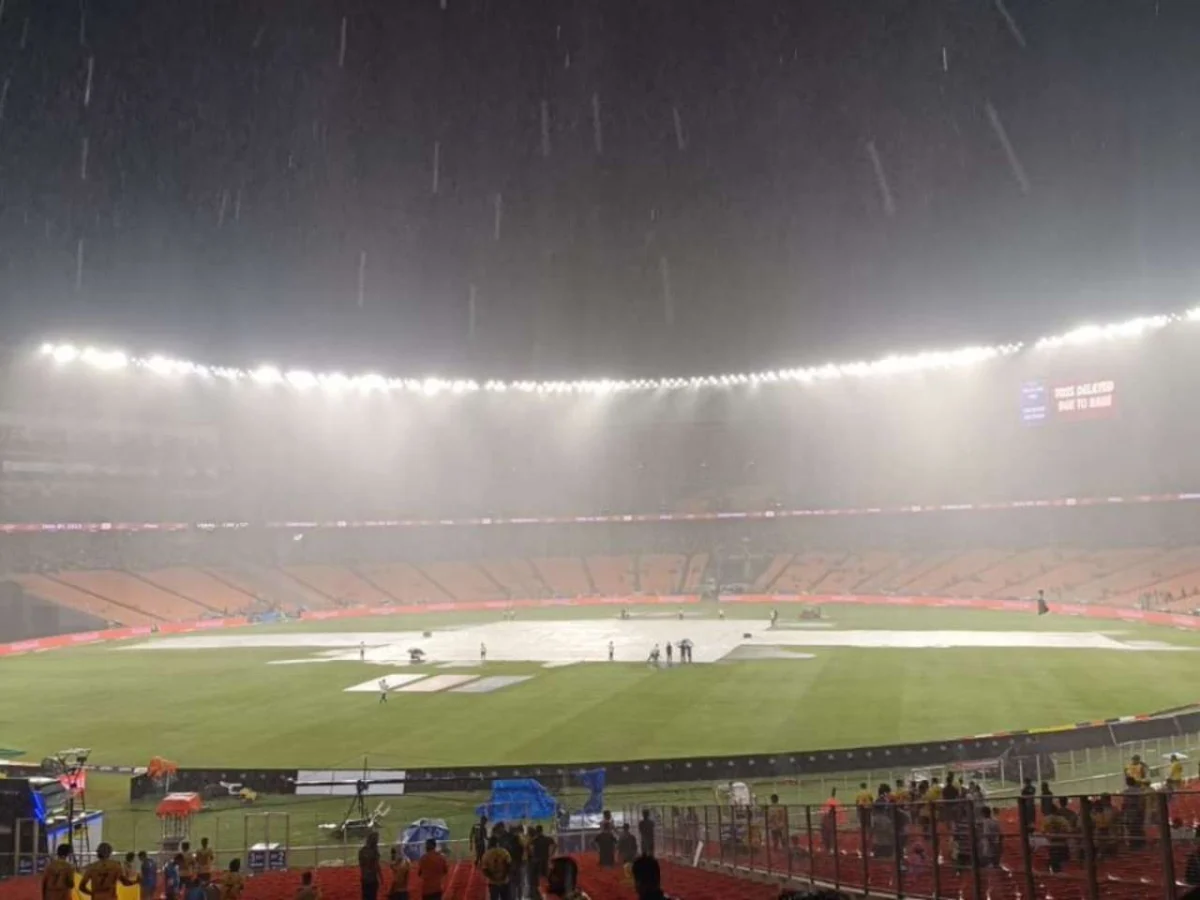
Ahmedabad, India – May 31, 2026 – The highly anticipated Indian Premier League (IPL) 2026 final, pitting the Royal Challengers Bengaluru (RCB) against the Gujarat Titans (GT), faces a significant threat of rain interruptions at the Narendra Modi Stadium in Ahmedabad. As both franchises vie for their second coveted IPL trophy, meteorological forecasts have cast a shadow of doubt over what promises to be a thrilling contest, raising crucial questions about reserve day rules and the unprecedented possibility of a shared championship.
The build-up to the final has been electric, with fans eagerly awaiting a showdown between two of the tournament’s most consistent teams. However, the excitement is now tempered by a yellow alert issued by the Meteorological Department for the Ahmedabad region, indicating a strong likelihood of adverse weather conditions, particularly around June 1st, the designated reserve day. While officials remain optimistic about completing the match on its scheduled date of May 31st, the persistent threat of showers during the game or heavy rainfall pushing it to the reserve day has ignited widespread discussion about the contingencies in place for cricket’s most prestigious domestic final.
Main Facts: The Stakes, The Threat, The Rules
The IPL 2026 final is more than just a match; it’s a culmination of weeks of intense competition, strategic brilliance, and individual heroics. Both Royal Challengers Bengaluru and Gujarat Titans have displayed exceptional cricket throughout the season, earning their spots at the pinnacle event. For RCB, a victory would mean breaking a long-standing drought and etching their name in history, a second title for the franchise. Similarly, the Gujarat Titans are aiming to secure their second IPL trophy, solidifying their status as a formidable force in the league.
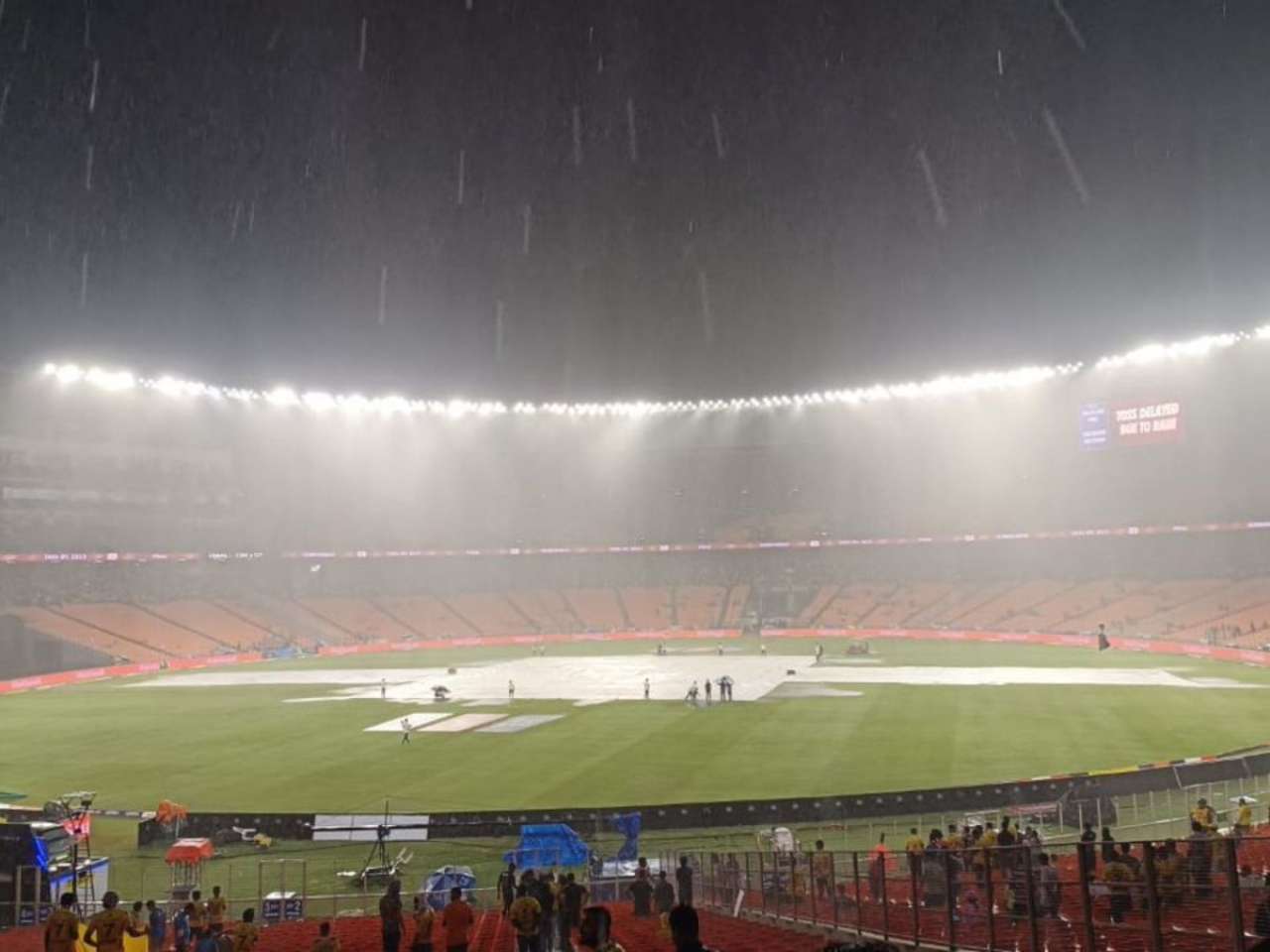
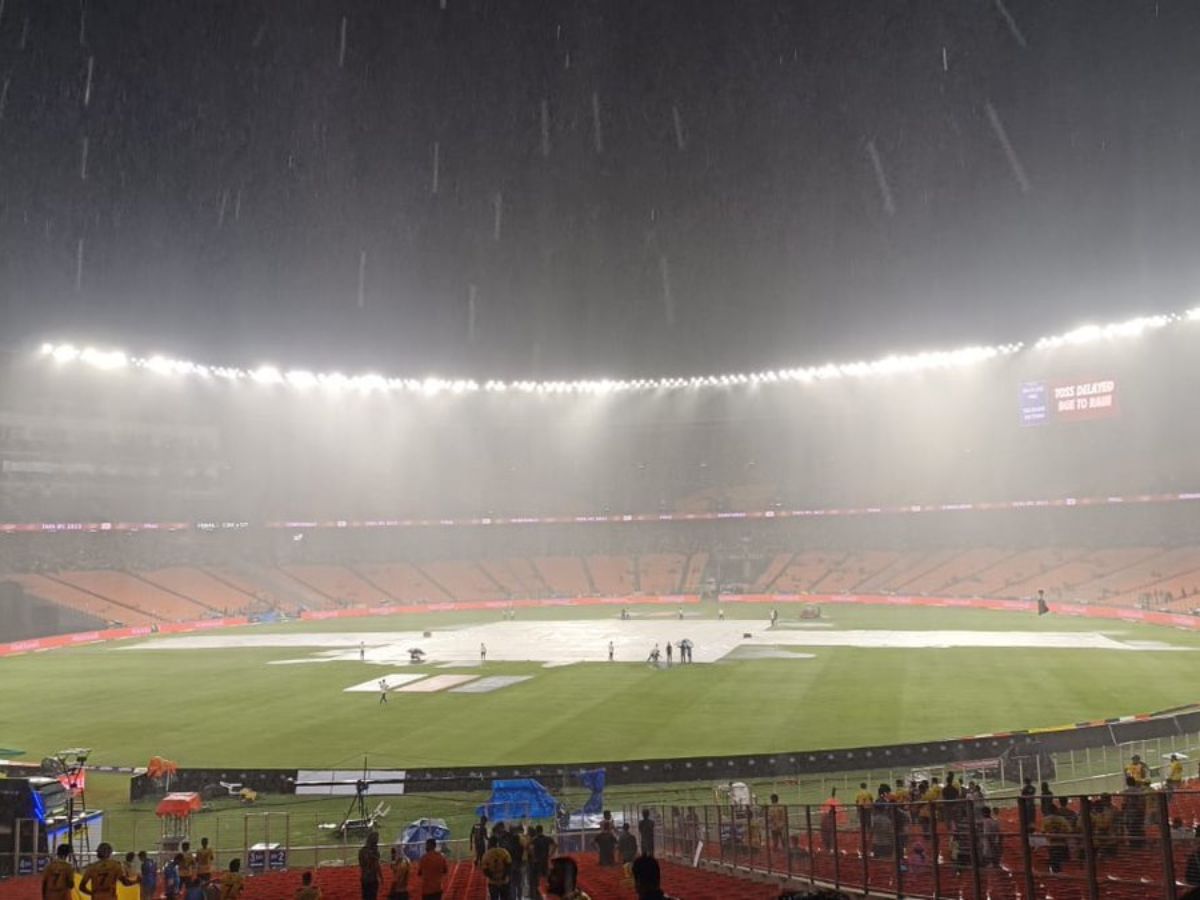
The venue, the magnificent Narendra Modi Stadium, stands ready to host tens of thousands of passionate fans, but its readiness for a potential downpour is now paramount. The Meteorological Department’s "yellow alert" signals that while the primary match day (May 31st) might see lighter rain or scattered showers, the risk escalates significantly for the subsequent day, June 1st. This forecast has put the IPL governing body, match officials, and ground staff on high alert, initiating a series of protocols designed to navigate potential weather disruptions.
)
At the core of the discussion are the IPL’s robust playoff rules, specifically those governing the final. These regulations account for various scenarios, from delayed starts and shortened matches to the activation of a reserve day. The ultimate contingency, should both the scheduled day and the reserve day be washed out without a result, involves the unprecedented sharing of the IPL trophy. This particular outcome, while fair in its own way, would undoubtedly leave both teams and their legions of fans with a sense of anti-climax, denying them the definitive triumph they have fought so hard for. The focus, therefore, remains squarely on completing a full, decisive contest, even if it means pushing the boundaries of the tournament’s schedule.
Chronology of Events & Weather Outlook
The journey to the IPL 2026 final has been one of contrasting yet equally impressive paths for Royal Challengers Bengaluru and Gujarat Titans. Both teams finished the league stage at the top of the table, showcasing their consistency and dominance. RCB, with a superior net run rate, clinched the top spot, earning them the crucial advantage of two shots at the final. They demonstrated their prowess by defeating GT in Qualifier 1, securing a direct entry into the championship match. The Gujarat Titans, undeterred, rebounded emphatically in Qualifier 2, overcoming a strong Rajasthan Royals side to set up a tantalizing rematch in the final. This historical context of their recent encounters adds another layer of intrigue to the impending final.

May 31st: The Scheduled Final Day
The initial forecast for May 31st indicates a moderate chance of rainfall, primarily light showers or isolated thunderstorms. While not severe enough to warrant an immediate washout, such conditions could lead to delayed starts, interruptions, and potentially reduced overs. The match officials will prioritize completing a minimum five-overs-per-side game, which is the threshold for a T20 match to be considered complete. Ground staff will be on standby, ready to deploy super soppers and covers at a moment’s notice to ensure that any stoppages are as brief as possible. The aim is unequivocally to achieve a result on the scheduled day, even if it means playing late into the night.
)
June 1st: The Reserve Day
The meteorological outlook for June 1st is considerably more concerning. The yellow alert suggests a higher probability of heavier rainfall and sustained showers, potentially making even a shortened game challenging. If the match is unable to be completed on May 31st, it will seamlessly shift to the reserve day, continuing from the exact point it was stopped. This means if, for instance, GT had batted 10 overs before rain intervened, they would resume their innings from that point on June 1st. However, the ominous forecast for the reserve day presents a double-edged sword: while it provides a second opportunity, it also carries the heightened risk of a complete washout for the second consecutive day.
)
Historical Precedents
While the IPL has generally been fortunate with weather on its final days, major cricket tournaments globally have faced similar predicaments. The 2002 ICC Champions Trophy final between India and Sri Lanka famously saw both the scheduled day and the reserve day washed out, resulting in the trophy being shared. Similarly, the 2019 Cricket World Cup semi-final between India and New Zealand was played across two days due to rain. These instances highlight the unpredictability of weather and the meticulous planning required for high-stakes encounters. The IPL, with its vast fan base and commercial interests, is acutely aware of the implications of such disruptions.
)
Supporting Data & IPL Regulations
Understanding the precise rules governing rain-affected matches is crucial for fans and teams alike. The IPL’s playing conditions are comprehensive, designed to ensure fairness and maximize the chances of a definitive result.
The IPL Playoff Rules Explained
)
- Minimum Overs for a Result: For any T20 match, including the final, a minimum of five overs must be bowled by each side for a result to be declared. If fewer than five overs per side are completed, the match is considered "no result" unless a Super Over can be played.
- Target Adjustment (DLS Method): In case of rain interruptions during an innings, the Duckworth-Lewis-Stern (DLS) method comes into play to recalculate the target score for the chasing team or adjust the par score for the team batting second. This complex but fair system accounts for overs lost and wickets fallen.
- Super Over Contingency: If the final is tied after both teams have completed their innings (or their shortened innings under DLS), a Super Over will be played to determine the winner. If the Super Over itself is tied, further Super Overs will be played until a winner emerges, provided conditions allow.
- Reserve Day Activation: As mentioned, if the match cannot be completed on May 31st, it automatically rolls over to June 1st. Play resumes from the exact point of stoppage. All efforts will be made to complete at least a 5-over-per-side match on the reserve day.
- The Shared Trophy Scenario: This is the most dreaded outcome. If, after all efforts on both May 31st and June 1st, a minimum 5-overs-per-side match cannot be completed, the IPL trophy will be shared between Royal Challengers Bengaluru and Gujarat Titans. This specific rule underscores the IPL’s commitment to acknowledging the efforts of both finalists even in the face of insurmountable natural obstacles.
Narendra Modi Stadium’s Capabilities
The Narendra Modi Stadium in Ahmedabad is one of the world’s largest and most modern cricket venues, boasting state-of-the-art infrastructure. Crucially, it is equipped with an advanced sub-air drainage system, designed to clear water rapidly from the outfield. This system, coupled with efficient ground staff and a comprehensive set of covers, can significantly reduce delays after rain stops. However, even the best drainage systems have their limits, especially when confronted with prolonged heavy downpours, which are a distinct possibility on the reserve day. The ground’s ability to bounce back quickly will be thoroughly tested if the heavens open.
)
Team Performance & Head-to-Head
The dynamics between RCB and GT add further spice to the final, irrespective of the weather.
)
- League Stage Dominance: Both teams finished with identical records of nine wins from 14 matches, highlighting their consistent performance throughout the grueling league stage. RCB’s slightly better net run rate placed them at the top.
- Qualifier 1 Showdown: RCB’s victory over GT in Qualifier 1 was a significant psychological boost. It not only propelled them directly into the final but also demonstrated their ability to perform under high pressure against their final opponents. This win might give them a slight psychological edge heading into the ultimate clash.
- GT’s Resilience: The Gujarat Titans, however, are no strangers to bouncing back. Their dominant performance against Rajasthan Royals in Qualifier 2 showcased their mental fortitude and depth. Moreover, GT had previously defeated RCB at the Narendra Modi Stadium during the league stage, providing them with confidence that they can conquer the venue and their rivals. This earlier league stage victory serves as a reminder that despite the Qualifier 1 result, GT possesses the capability to overcome RCB.
The tactical battle between the two teams, featuring power-hitters, astute captains, and versatile bowlers, promises to be captivating. However, all these intricate strategies could be rendered moot by the whims of the weather gods.
Official Responses & Contingency Planning
The Board of Control for Cricket in India (BCCI) and the IPL Governing Council are acutely aware of the potential for weather disruptions and have robust contingency plans in place. While specific official statements regarding this particular final are yet to emerge, the standard operating procedures are well-established.
)
- BCCI/IPL Governing Council: The primary objective of the governing body is to ensure a fair and complete final. They will be in constant communication with the meteorological department, the match referees, and the venue officials. Decisions regarding delays, shortened matches, or the activation of the reserve day will be made collectively, prioritizing player safety, fan experience, and sporting integrity.
- Match Referees & Umpires: The on-field umpires and the match referee hold the ultimate authority on the playing conditions. They will conduct regular pitch inspections, monitor weather radar, and assess the outfield’s suitability for play. Their decisions regarding start times, interruptions, and resumption of play are final. They are tasked with interpreting the playing conditions in real-time, often under immense pressure.
- Groundsmen’s Efforts: The unsung heroes of any rain-affected match are the ground staff. Their meticulous preparation, from covering the pitch and square to deploying super soppers and ensuring efficient drainage, is critical. They work tirelessly to create a playable surface as quickly as possible, often laboring through adverse conditions. Their preparedness for the IPL final will be exemplary, with contingency plans for every possible scenario.
- Broadcasters’ Considerations: For official broadcasters, a rain-affected final presents significant logistical and financial challenges. Ad slots, programming schedules, and audience retention are all impacted. They will have contingency plans for extended broadcasts, delayed telecasts, and alternative content, but a full match remains the ideal scenario for maximum viewership and revenue.
- Team Management Perspectives: While teams focus on strategy and player preparation, they also have to factor in potential rain disruptions. Coaches and captains will prepare their players for various scenarios, including delayed starts, reduced overs, and even the mental challenge of playing across two days. Maintaining focus and adaptability will be key. Players, too, will be monitoring forecasts, as rain can affect pitch conditions, ball movement, and their overall performance.
Implications: Beyond the Boundary Ropes
The potential for a rain-affected or even washed-out IPL final carries far-reaching implications, touching upon the teams, fans, the tournament’s reputation, and the very spirit of cricket.
For the Teams: The Weight of a Shared Trophy
)
For both RCB and GT, the prospect of sharing the trophy would be a bitter pill to swallow. After a gruelling season, battling through qualifiers and overcoming rivals, to not have a definitive champion would be an anti-climax of epic proportions.
- RCB’s Legacy: For Royal Challengers Bengaluru, who have consistently been one of the most popular franchises but have historically struggled to win the title, an outright victory is paramount. A shared trophy, while technically a championship, would not carry the same weight or provide the same sense of triumph that fans and players have yearned for over many seasons. It would leave a lingering "what if" in their storied history.
- GT’s Assertion: For Gujarat Titans, a relatively newer franchise that quickly established itself, a second outright title would cement their legacy as a dominant force. Sharing the trophy would diminish the impact of their achievement, even though it would still count as a trophy in the cabinet. Both teams have showcased exceptional cricket, and they deserve the opportunity to claim the title outright through a fair contest.
For the Fans: Disappointment and Logistical Headaches
)
Thousands of fans, many of whom have traveled significant distances and spent considerable amounts on tickets and accommodation, would face immense disappointment.
- Travel and Accommodation: For those traveling to Ahmedabad, a delayed or rescheduled match creates logistical nightmares regarding flights, hotels, and time off work. A complete washout on both days could lead to demands for ticket refunds and a profound sense of frustration.
- Viewing Experience: Even for those watching from home, prolonged rain delays disrupt the viewing experience, leading to fragmented engagement and diminished excitement. The high-octane drama of an IPL final thrives on uninterrupted flow.
For the Tournament & Broadcasters: Reputational and Financial Impact
)
The IPL prides itself on its professionalism and grand spectacle. A washed-out final, especially one that leads to a shared trophy, could have negative repercussions.
- Reputational Damage: While unforeseen weather is beyond human control, a major final ending without a decisive winner can subtly impact the tournament’s image. It raises questions about scheduling, especially for a tournament held during the pre-monsoon and early monsoon periods in India.
- Financial Implications: Broadcasters, sponsors, and advertisers invest heavily in the IPL, particularly the playoffs and final. A truncated or washed-out final means less airtime, potentially affecting advertising revenue and brand exposure. The economic ripple effect can be significant, extending to merchandise sales and local businesses around the stadium.
- Future Planning: Such incidents might prompt the IPL Governing Council to re-evaluate future scheduling, venue selection, or even consider more radical contingency measures for the final, though options are often limited by international cricket calendars and logistical complexities.
The Spirit of Cricket: A Test of Endurance and Adaptability
)
Ultimately, the weather threat tests the very spirit of cricket. The game, at its heart, is about fair competition and decisive outcomes. A shared trophy, while a pragmatic solution, runs counter to the competitive drive of players and the aspirations of fans for a clear winner. It reduces the climax of a demanding season to an administrative decision rather than a sporting one. Both teams, having battled through adversity and showcasing remarkable skill, will undoubtedly wish for a full 40-over contest, or at least a minimum-overs game, to determine the undisputed champion. The hope remains that the Ahmedabad skies will clear, allowing the Royal Challengers Bengaluru and Gujarat Titans to fight it out on the field for the ultimate glory.
The next 48 hours in Ahmedabad will be closely watched, not just for the cricket, but for the dramatic interplay between sport and nature, determining whether the IPL 2026 final culminates in a joyous celebration or an unsatisfying compromise.
