

Navigating the Aftermath: Experts Warn of Lingering Health Threats Post-Nepal-Tibet Flash Floods
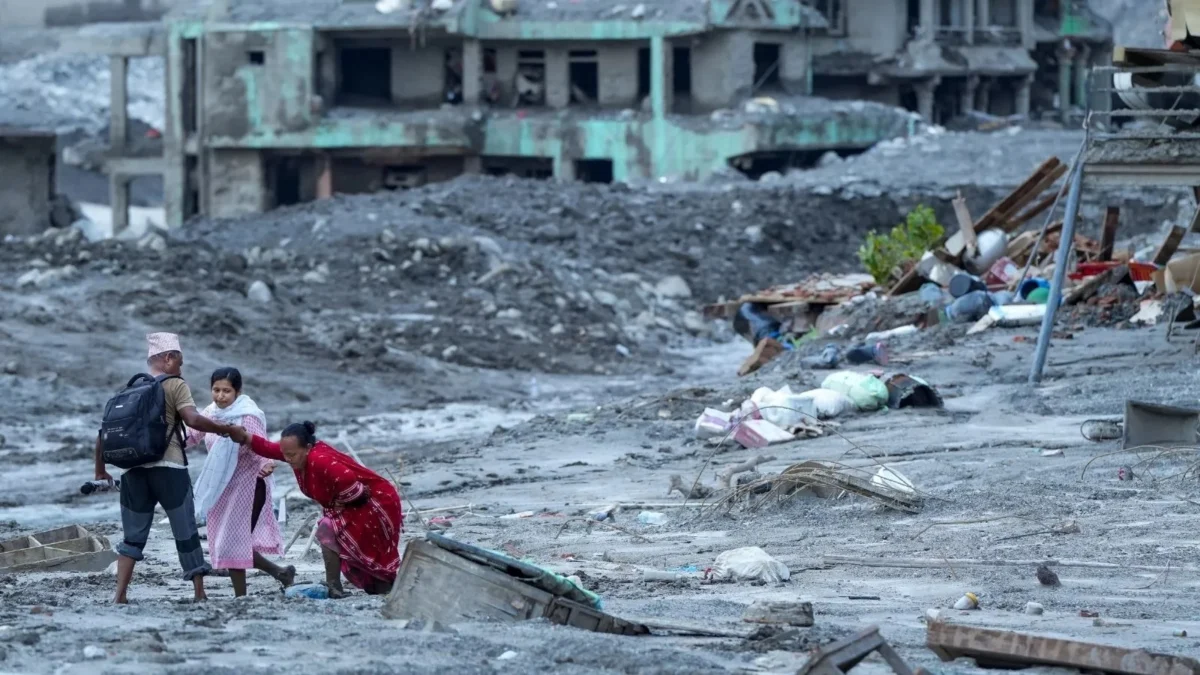
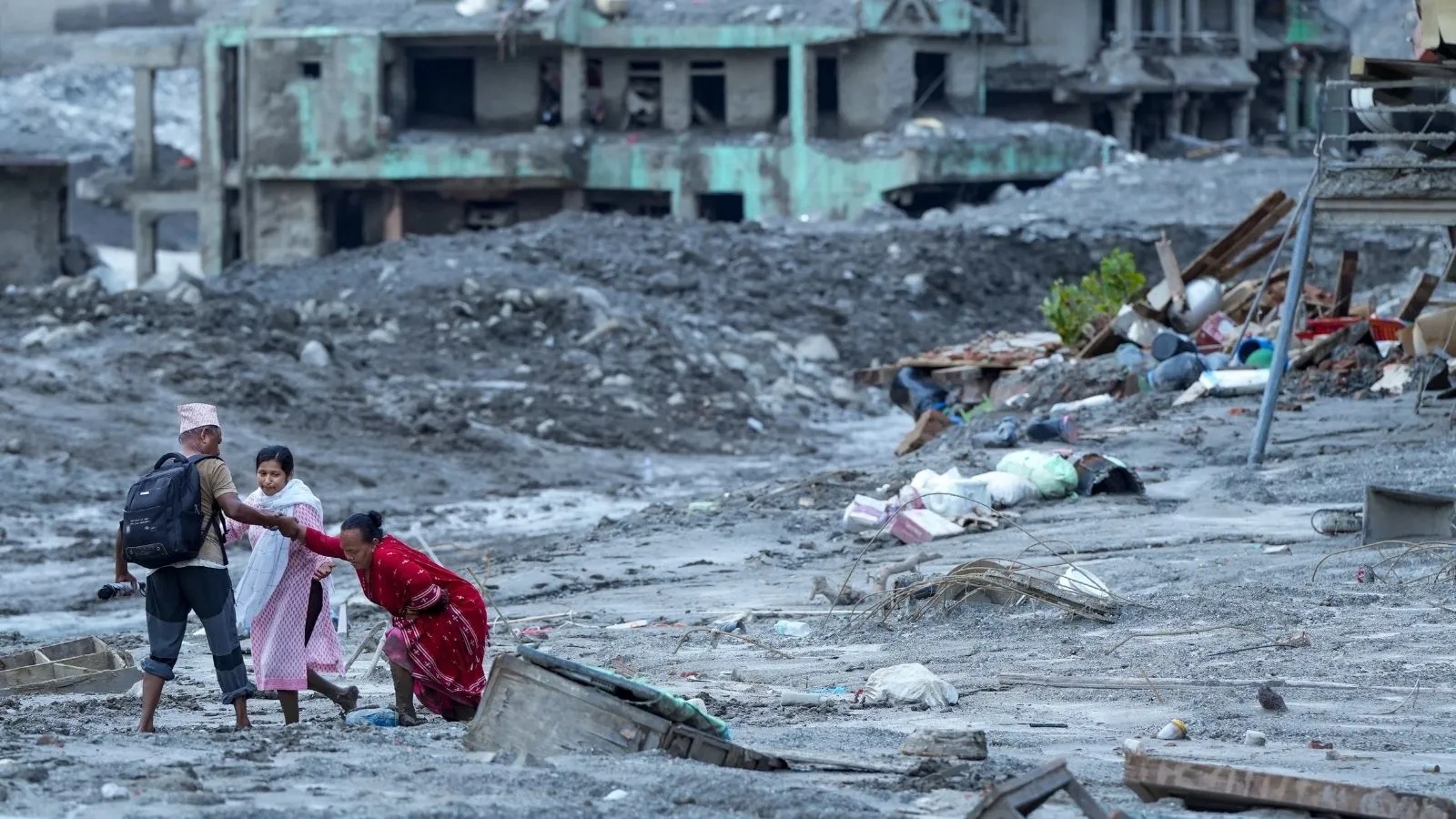
New Delhi, September 3, 2026 – The devastating Nepal-Tibet flash floods, which have recently ravaged communities and displaced thousands, have receded, leaving behind a landscape of destruction and a pressing concern for public health. While immediate rescue and relief efforts are underway, medical professionals are urging a heightened awareness of the insidious health risks that persist long after the waters have subsided. The primary and most immediate health threat, according to experts, is the widespread contamination of essential resources, paving the way for a surge in gastrointestinal infections and other waterborne diseases.
The sheer scale of the disaster, which saw torrential rains inundate river valleys and trigger landslides across the region, has compromised critical infrastructure, including water supply systems and sanitation networks. This disruption creates a fertile ground for pathogens to spread, posing a significant danger to survivors, particularly vulnerable populations such as children, the elderly, and individuals with pre-existing health conditions.
The Immediate Health Crisis: Contamination and Infection
The most pressing health concern following the Nepal-Tibet flash floods is the contamination of drinking water and food sources. Floodwaters, often carrying a toxic cocktail of sewage, animal waste, industrial chemicals, and decaying organic matter, can easily infiltrate wells, reservoirs, and other potable water supplies.
"One of the immediate concerns is the contamination of drinking water and food," explains Dr. Manish Dodmani, a consultant gastroenterologist at KIMS Hospitals Thane. "Floodwater can mix with sewage, animal waste, chemicals, and decaying material, creating a setting where infections can spread quickly. For people in affected areas, diarrhoea, vomiting, abdominal cramps, fever, and dehydration are some of the symptoms that should not be ignored."
These symptoms are indicative of acute gastroenteritis, a common ailment following such disasters. However, the risk extends beyond simple indigestion. The contaminated water can become a breeding ground for more severe pathogens, leading to outbreaks of diseases like typhoid, cholera, dysentery, and hepatitis A and E.
Food Safety Imperatives in a Disrupted Environment
Food safety becomes an even more critical consideration when refrigeration, cooking facilities, and access to clean water are severely hampered. Dr. Dodmani emphasizes the need for extreme caution:
"Avoid food that has come into contact with floodwater, appears spoiled, or has been stored improperly during a power outage. Raw and cooked food should be kept separate, and hands should be washed thoroughly before eating or preparing food."
The disruption of the cold chain, essential for preserving perishable goods, significantly increases the risk of bacterial growth in food. Consuming food that has been exposed to floodwaters, even if it appears visually unaffected, can lead to serious illness.
Dr. Shankar Zanwar, a senior consultant gastroenterologist at Gleneagles Hospital, Mumbai, echoes these concerns, highlighting the potential for widespread gastrointestinal infections:
"Following flash floods, gastrointestinal infections can become a major health concern because floodwater can contaminate drinking-water sources, food supplies, and sanitation systems. People may develop acute gastroenteritis with diarrhoea, vomiting, abdominal cramps, and fever, while infections such as typhoid, cholera, dysentery, and hepatitis A and E can also spread through contaminated food and water."
The interconnectedness of these health risks underscores the urgency of robust public health interventions in the aftermath of the floods.
Dehydration and Electrolyte Imbalance: A Silent Killer
Beyond direct infection, the loss of fluids and essential electrolytes through persistent diarrhoea and vomiting presents another significant threat, particularly to vulnerable groups.
"One of the most immediate complications is dehydration and loss of electrolytes, particularly in young children, older adults, and people who are already medically vulnerable," warns Dr. Zanwar. "People should be especially careful about drinking untreated water, eating food that has been exposed to floodwater, or consuming food that has been stored without proper refrigeration."
The deceptive nature of floodwater—appearing clean yet harboring microscopic pathogens—further complicates efforts to ensure safe hydration. Even when water seems clear, it may still contain harmful microorganisms that can cause severe illness.
Dr. Zanwar stresses the importance of seeking medical attention promptly:
"People with repeated diarrhoea or vomiting should focus on safe hydration and seek medical attention if they develop blood in the stool, persistent fever, severe abdominal pain, reduced urine output, dizziness, weakness, or confusion."
These symptoms can be indicative of severe dehydration, a potentially life-threatening condition that requires immediate medical intervention.
Pre-existing Conditions and Mental Health: The Wider Impact
The disruption caused by natural disasters extends beyond immediate physical ailments, impacting individuals with chronic health conditions and mental well-being. Patients with existing gastrointestinal or liver conditions may face significant challenges if their regular medications, dietary routines, and medical follow-up are interrupted.
"Patients with existing gastrointestinal or liver conditions may also face difficulties if their regular medicines, diet, and medical follow-up are disrupted," notes Dr. Zanwar.
Furthermore, the psychological toll of experiencing a natural disaster cannot be underestimated. The trauma and stress associated with loss, displacement, and the constant threat to safety can trigger or exacerbate mental health issues.
Dr. Amol S. Dahale, Professor in the Department of Medical Gastroenterology at DPU Super Specialty Hospital, Pimpri, Pune, points to the link between post-traumatic stress and gastrointestinal distress:
"Post-traumatic stress disorder triggers Irritable Bowel Syndrome (IBS)-like illness and needs to be treated with appropriate medicines and counselling."
This highlights the need for a holistic approach to post-disaster healthcare, addressing both physical and mental health needs.
Prevention: The Cornerstones of Post-Flood Health
The consensus among medical experts is clear: a proactive and informed approach to prevention is paramount in mitigating the health crisis following the Nepal-Tibet flash floods. The simple yet crucial principles revolve around ensuring access to safe resources and seeking timely medical care.
Dr. Dodmani succinctly summarizes this approach: "The simple rule after a flood is: safe water, safe food, and early attention to symptoms can prevent a secondary health crisis."
Key Prevention Strategies:
- Safe Water:
- Prioritize the consumption of boiled, disinfected, or bottled water.
- Avoid drinking water directly from wells, rivers, or taps that may have been contaminated.
- Thoroughly wash all fruits and vegetables with safe water before consumption.
- Food Safety:
- Discard any food that has come into contact with floodwater.
- Ensure proper storage of food, especially during power outages, and avoid consuming perishable items that may have spoiled.
- Practice meticulous hand hygiene before and after preparing or consuming food.
- Cook food thoroughly, especially meat, poultry, and seafood.
- Hygiene and Sanitation:
- Maintain proper personal hygiene, including frequent handwashing with soap and clean water.
- Ensure safe disposal of human and animal waste to prevent further contamination.
- Clean and disinfect any areas or objects that have been contaminated by floodwater.
- Early Medical Attention:
- Be vigilant for symptoms of gastrointestinal illness, such as diarrhoea, vomiting, fever, and abdominal pain.
- Seek medical advice promptly if symptoms are severe, persistent, or accompanied by signs of dehydration.
- Avoid self-medication, particularly the indiscriminate use of antibiotics, as not all gastrointestinal issues require antibiotic treatment.
Supporting Data and Emerging Trends
The impact of flash floods on public health is a well-documented phenomenon globally. Studies consistently show a significant increase in waterborne and vector-borne diseases in the aftermath of such events. For instance, post-flood assessments in various regions have reported spikes in diarrheal diseases by as much as 50-70%, with cholera and typhoid outbreaks being common occurrences. The World Health Organization (WHO) has repeatedly emphasized that the secondary health impacts of floods often outweigh the immediate casualties, particularly in regions with underdeveloped public health infrastructure.
The Nepal-Tibet flash floods, occurring in a region with varying levels of sanitation and access to clean water, are expected to follow similar patterns. The geographical terrain, with its numerous river systems and densely populated valleys, makes it particularly susceptible to rapid waterborne disease transmission. The trend of increased gastrointestinal illnesses in the wake of such events is a global concern, and this incident in Nepal and Tibet is likely to be no exception.
Official Responses and Relief Efforts
In the immediate aftermath of the Nepal-Tibet flash floods, government agencies, international aid organizations, and local communities have mobilized to provide essential relief. Search and rescue operations have been a top priority, followed by the distribution of food, clean water, temporary shelter, and medical supplies.
The Nepalese government, in coordination with international partners, has established temporary health camps in affected areas to provide medical assistance and monitor for disease outbreaks. Emergency response teams are working to restore damaged water and sanitation systems. Similar efforts are underway in the Tibetan Autonomous Region, with Chinese authorities deploying resources to aid affected populations.
However, the scale of the disaster presents immense logistical challenges. Reaching remote and inaccessible areas remains a significant hurdle, and the long-term recovery will require sustained international support and investment in rebuilding resilient infrastructure. The focus on public health messaging and community education regarding preventive measures is a critical component of these official responses.
Long-Term Implications and Preparedness
The recent Nepal-Tibet flash floods serve as a stark reminder of the growing threat posed by climate change-induced extreme weather events. The increased frequency and intensity of such disasters necessitate a shift from reactive disaster management to proactive preparedness and resilience-building.
The long-term implications for the affected regions include:
- Sustained Health Burden: The risk of chronic gastrointestinal issues and the potential for endemic diseases to resurface or spread further will persist if preventive measures are not maintained.
- Infrastructure Rebuilding: Significant investment will be required to rebuild damaged homes, roads, bridges, and, crucially, water and sanitation systems to withstand future events.
- Economic Impact: The destruction of agricultural land, livestock, and businesses will have a profound and lasting impact on the livelihoods of affected communities.
- Psychological Recovery: The mental health needs of survivors will require ongoing attention and support.
Experts advocate for enhanced early warning systems, improved disaster preparedness plans, and greater investment in climate change adaptation strategies. Public awareness campaigns, particularly those focused on hygiene and safe water practices during and after floods, are crucial for empowering communities to protect themselves.
The narrative of the Nepal-Tibet flash floods is not just one of immediate destruction but also a critical juncture for understanding and preparing for the evolving health challenges posed by a changing climate. The lessons learned from this disaster must inform future strategies to safeguard vulnerable populations and build more resilient communities in the face of increasing environmental uncertainties.
Disclaimer: This article is based on information from public domain sources and expert opinions. Always consult your health practitioner for personalized medical advice.
