

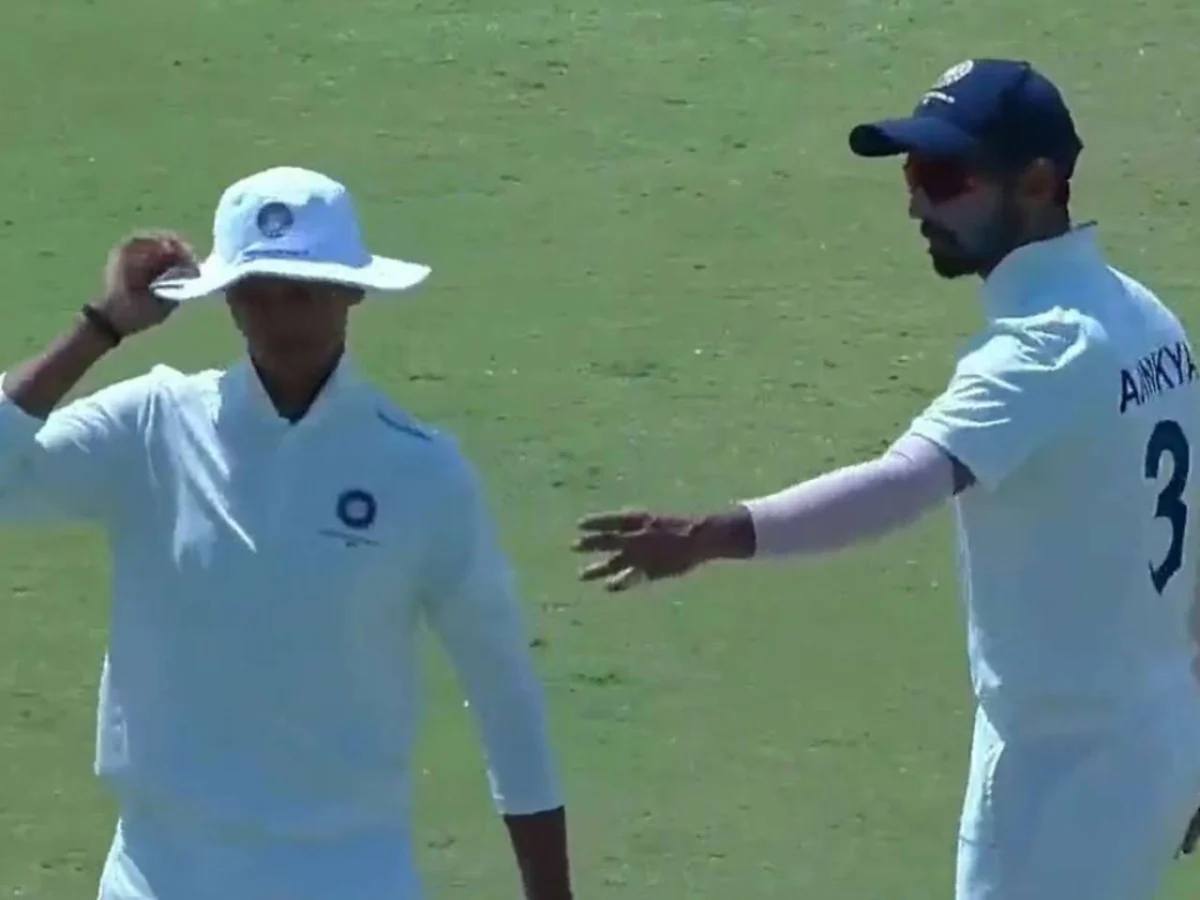
Mumbai, India – In the often-intense world of professional cricket, where careers can pivot on a single moment of brilliance or indiscretion, a recent revelation by former India and Mumbai captain Ajinkya Rahane has brought to light a pivotal, behind-the-scenes intervention that saved young batting sensation Yashasvi Jaiswal from a potentially devastating four-match ban. Rahane disclosed that a formal letter detailing Jaiswal’s suspension was already prepared, only to be torn up by the match referee thanks to Rahane’s decisive and principled action on the field. This incident, dating back to the 2022 Duleep Trophy final, underscores the profound impact of leadership that transcends tactics, focusing instead on player welfare and the long-term integrity of the game.
The saga, which remained largely in the realm of conjecture and hushed conversations until Rahane’s recent candid reflection, paints a vivid picture of a captain willing to make unpopular decisions in the heat of battle to protect a promising talent. It offers a rare glimpse into the moral compass guiding some of cricket’s most respected figures and highlights the delicate balance between competitive fire and disciplined conduct, especially for emerging stars navigating the pressures of elite sport.
The Core of the Revelation: A Captain’s Sacrifice for a Young Star
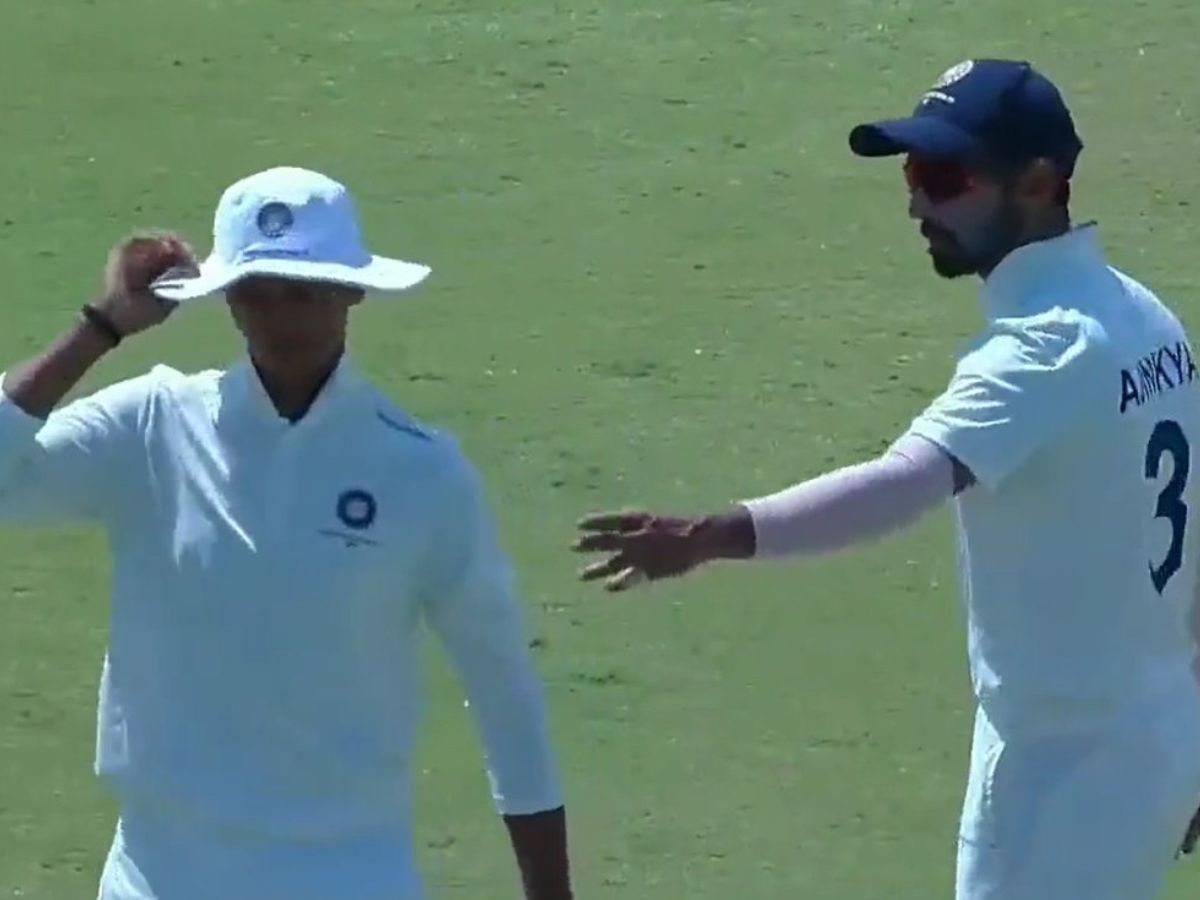
Ajinkya Rahane, a cricketer universally respected for his calm demeanor, unflappable temperament, and astute leadership, recently unveiled the full extent of his intervention during the 2022 Duleep Trophy final. While captaining West Zone against South Zone, Rahane took the extraordinary step of removing his own player, Yashasvi Jaiswal, from the field for disciplinary reasons following an escalating verbal altercation. This unprecedented act, undertaken mid-match, was not merely a display of authority but a calculated move to avert a far graver consequence for Jaiswal.
Rahane revealed that Vengalil Narayanan Kutty, the match referee for the Duleep Trophy final, had already drafted a letter imposing a four-match ban on Jaiswal. Such a suspension, particularly for a young player on the cusp of national recognition, could have severely derailed his burgeoning career, impacting his form, confidence, and opportunities for selection. However, Rahane’s proactive decision to self-police his team, effectively taking matters into his own hands by benching Jaiswal, demonstrated a commitment to discipline that impressed the referee. Kutty, witnessing Rahane’s immediate and unequivocal response, chose to retract the ban, tearing up the official letter in front of the West Zone captain.
)
This incident serves as a powerful testament to Rahane’s leadership philosophy: prioritizing the long-term development and character of his players over immediate match outcomes or personal popularity. His actions not only saved Jaiswal from a significant setback but also sent a clear message about the standards of conduct expected at the highest levels of Indian cricket. Rahane, in his characteristic humility, refrained from taking undue credit, acknowledging Jaiswal’s inherent talent but emphasizing the unpredictable nature of career trajectories and the vital role of timely guidance.
A Detailed Chronology of the Duleep Trophy Incident
The Duleep Trophy, a prestigious first-class cricket tournament in India, has historically served as a crucial proving ground for young talents aiming for national colours. The 2022 final, contested between West Zone, led by the experienced Ajinkya Rahane, and South Zone, presented one such high-stakes platform.

The Build-up and the Fiery Final:
The Duleep Trophy final is often a fiercely contested affair, with regional pride and individual aspirations fuelling intense competition. In 2022, the match was no exception. West Zone, under Rahane’s seasoned leadership, was pitted against a strong South Zone side. Yashasvi Jaiswal, then a prodigious 20-year-old opener, was a key component of Rahane’s West Zone lineup, already known for his aggressive batting and confident demeanor. His talent was undeniable, but like many young, passionate athletes, his temperament was still evolving.
The Escalation of Tensions:
The specific incident unfolded during South Zone’s second innings. Jaiswal, fielding close to the bat, became embroiled in a persistent verbal exchange with South Zone’s T Ravi Teja. What began as typical on-field banter, often referred to as ‘sledging,’ soon crossed the boundaries of acceptable conduct. Both players engaged in an increasingly heated exchange of words, a common occurrence in competitive cricket but one that requires careful management to prevent it from spiraling out of control.
)
The umpires, monitoring the situation, recognized that the interaction was becoming disruptive and disrespectful. They intervened, calling over West Zone captain Ajinkya Rahane to address his player’s conduct. Rahane, ever the composed leader, initially attempted to de-escalate the situation by speaking to Jaiswal during the 50th over of the innings. He advised the young batsman to calm down and focus on the game, understanding that such altercations could lead to official censure.
Rahane’s Unprecedented Decision:
However, Jaiswal, caught up in the moment and perhaps fueled by the intensity of the final, reportedly continued his verbal jousting despite his captain’s advice. Sensing that Jaiswal was unwilling to back down and that the situation was on the verge of escalating further, Rahane made a drastic, almost unheard-of decision in modern cricket: he instructed Jaiswal to leave the field.
)
This command came during a critical juncture of the match, an action that could have been perceived as weakening his team at a crucial moment. Jaiswal, visibly unhappy and muttering to himself, reluctantly walked off the field, temporarily replaced by a substitute fielder. The decision sent ripples through the cricketing fraternity, with commentators and fans debating the severity of Jaiswal’s transgression versus the captain’s seemingly harsh punishment. While Jaiswal did return to the field after a brief period, the initial removal was a stark public display of disciplinary action.
Immediate Post-Match Reflections:
In the immediate aftermath of the match, Rahane had addressed the media, shedding light on his rationale. He acknowledged that sledging was "part of the game" and could even be "entertaining," but emphasized the crucial role of a captain in discerning when "things were crossing the line." He spoke of having witnessed situations escalate in the past, leading to "players banned, opportunities lost," and his firm resolve to prevent Jaiswal from suffering a similar fate. Rahane’s words at the time, "It was my responsibility to stop my teammate," underscored his commitment to his team’s well-being and the integrity of the sport, even if it meant confronting a difficult situation head-on. This immediate explanation laid the groundwork for the more profound revelation that would follow years later.
)
Supporting Data and Context: The Fabric of Cricket Discipline
The incident involving Rahane and Jaiswal is best understood within the broader context of cricket discipline, leadership, and the development of young talent. Ajinkya Rahane’s career has been a testament to resilience, integrity, and a profound understanding of the game’s spirit.
Rahane’s Leadership Ethos:
Throughout his career, Ajinkya Rahane has embodied the qualities of a silent leader, often letting his performances and actions speak louder than words. He is widely regarded as a ‘thinking cricketer’ whose calm under pressure and unwavering focus have earned him immense respect from teammates, opponents, and fans alike. The Board of Control for Cricket in India (BCCI) has often lauded his "cool head and grit," traits that distinguish him in an often-fiery cricketing landscape. His stint as India’s Test captain, particularly during the historic Border-Gavaskar Trophy triumph in Australia in 2020-21, showcased his ability to inspire and lead from the front, even in the absence of star players. This Duleep Trophy incident aligns perfectly with his established leadership philosophy: responsibility extends beyond tactical calls to include nurturing and disciplining players for their long-term benefit. He has always believed in setting high standards of conduct, understanding that off-field demeanor and on-field temperament are crucial components of a professional cricketer’s profile.
)
Jaiswal’s Emerging Profile and Temperament:
Yashasvi Jaiswal, on the other hand, represents the new generation of Indian cricketers – fearless, aggressive, and brimming with self-belief. His journey from humble beginnings to becoming an IPL star and then an India international is a compelling narrative of perseverance. However, like many young talents, particularly those with an aggressive streak, there can be a fine line between competitive fire and emotional outbursts. The Duleep Trophy incident served as a critical learning experience for Jaiswal, highlighting the need for emotional control and respect for the game’s decorum, even when provoked. His subsequent rise to the Indian team, where he has displayed remarkable maturity, suggests that he absorbed the lessons from that pivotal moment.
The Role of Match Referees and Disciplinary Protocols:
Cricket’s governing bodies, including the BCCI and the International Cricket Council (ICC), have stringent codes of conduct to maintain the integrity and spirit of the game. Match referees, like Vengalil Narayanan Kutty in this instance, are empowered to enforce these codes. Their responsibilities include observing player conduct, investigating incidents, and imposing penalties ranging from fines to suspensions for breaches such as dissent, abusive language, or physical altercations. A four-match ban, as was prepared for Jaiswal, is a severe penalty in first-class cricket, signaling a serious transgression. It would typically result in a significant loss of match fees, damage to reputation, and, most importantly, missed opportunities to showcase talent and progress up the cricketing ladder. For a young player like Jaiswal, such a ban could have been a considerable psychological and professional setback, potentially affecting his confidence and selection prospects for future tournaments or even the national team. The "letter was ready" detail underscores the gravity of Jaiswal’s transgression in the eyes of the official disciplinary apparatus.
)
The Precedent of On-Field Discipline:
While Rahane’s specific action of removing his own player mid-game is rare, the broader issue of on-field discipline is a constant theme in cricket. Incidents of sledging escalating into confrontational behavior have led to bans and fines for numerous players across different eras. The match referee’s willingness to tear up the ban letter for Jaiswal, specifically because Rahane took proactive disciplinary action, sets an important precedent. It suggests that strong, ethical leadership within a team can sometimes mitigate the need for external, official punishment, fostering a culture of self-accountability and respect for the game’s spirit. This also reflects a nuanced understanding from the match officials, recognizing the captain’s efforts to nurture talent rather than just penalize indiscretion.
Official Responses and Rahane’s Reflective Account
The critical turning point in this narrative lies in the post-match interaction between Ajinkya Rahane and match referee Vengalil Narayanan Kutty, a conversation that remained private until Rahane’s recent disclosure.
)
Rahane’s Account of the Crucial Meeting:
Rahane’s recent reflection, which brought this story to the forefront, detailed the dramatic moment. After the Duleep Trophy final concluded, Rahane was informed about the seriousness of Jaiswal’s on-field conduct. He learned that the match referee, Vengalil Narayanan Kutty, was preparing to impose a significant ban. Rahane recalled the tension of the moment, realizing the severe implications for Jaiswal’s career.
It was during this discussion that Kutty revealed he had already drafted the letter imposing a four-match ban on Jaiswal. However, Rahane’s immediate and public disciplinary action – sending Jaiswal off the field during the match – profoundly influenced the referee’s decision. Rahane vividly recounted Kutty’s change of heart: the referee, impressed by Rahane’s proactive leadership and commitment to upholding the game’s spirit, decided against the official punishment. In a powerful symbolic gesture, Kutty reportedly ripped up the ban letter right in front of Rahane.
)
Rahane expressed immense relief at that moment, understanding the bullet Jaiswal had dodged. He framed his action not as a personal triumph but as a necessary measure for Jaiswal’s future. "Looking back, Rahane was just relieved Jaiswal didn’t face a ban," the original report noted. He consciously chose to downplay his role, stating, "I’m not taking any credit away from Jaiswal. He’s a quality player. But you never know how things turn out." This statement reflects Rahane’s humility and his focus on the bigger picture – the cultivation of talent within a disciplined framework. His intervention was not about diminishing Jaiswal but about safeguarding his potential.
The Match Referee’s Implied Stance:
While Vengalil Narayanan Kutty has not publicly commented on Rahane’s recent revelation, his actions at the time speak volumes. The decision to tear up a pre-written ban letter is highly unusual and signifies a deep respect for Rahane’s judgment and leadership. It suggests that Kutty recognized the sincerity and effectiveness of Rahane’s on-field discipline. The referee likely viewed Rahane’s action as a strong internal corrective measure, demonstrating that the team’s leadership was capable and willing to address misconduct, thereby rendering an official, external punishment unnecessary. This tacit endorsement from a match official further legitimizes Rahane’s principled stand and highlights the impact of responsible captaincy.
)
Broader BCCI/MCA Perspective:
Though there were no direct official statements from the BCCI or Mumbai Cricket Association (MCA) regarding this specific behind-the-scenes reprieve, the general ethos of these governing bodies aligns with Rahane’s actions. Both organizations consistently emphasize player development, not just in terms of skill but also character and discipline. Rahane, having been a long-standing captain for Mumbai and a key figure in Indian cricket, embodies these values. His decision to guide rather than merely punish, and to take responsibility for his player’s conduct, resonates with the broader goals of fostering mature, well-rounded cricketers who can represent their state and country with distinction.
Implications: Shaping Careers and Redefining Leadership
The revelation of Ajinkya Rahane’s intervention carries significant implications, not only for the individuals involved but also for the broader understanding of leadership, mentorship, and discipline in professional sports.
)
For Yashasvi Jaiswal: A Pivotal Learning Curve:
For Yashasvi Jaiswal, this incident undoubtedly served as a pivotal, albeit initially uncomfortable, learning experience. Being publicly removed from the field by his captain, followed by the revelation of a potential four-match ban, would have been a humbling moment for any young athlete. However, it appears to have been a necessary wake-up call. The fact that he was saved from an official ban allowed him to continue his cricketing journey unimpeded, without a black mark on his disciplinary record.
Since that Duleep Trophy final, Jaiswal’s career has skyrocketed. He has become a breakout star in the Indian Premier League (IPL), showcasing his explosive batting talent, and has firmly established himself in the Indian Test and T20I teams. His performances have been marked not only by aggressive strokeplay but also by an increasingly mature temperament. This incident, while perhaps painful at the time, likely contributed to his growth, teaching him the invaluable lesson of channelizing aggression effectively and respecting the game’s boundaries. It underscores how timely intervention from a mentor can steer a young talent away from potential pitfalls and towards sustained success.
)
For Ajinkya Rahane’s Legacy: The Mentor Captain:
Rahane’s recent disclosure significantly enriches his already esteemed legacy. Beyond his impressive batting statistics and tactical acumen, this incident firmly positions him as a mentor-captain, a leader who looks beyond immediate results to the long-term well-being and character development of his players. It adds another layer to his reputation as a principled, selfless figure in Indian cricket.
In an era where professional sports often prioritize immediate success and individual heroics, Rahane’s actions stand out as a powerful example of ethical leadership. He demonstrated that true captaincy involves not just leading from the front with the bat or making astute field placements, but also taking tough decisions to uphold discipline and protect the futures of his teammates. This act of "tough love" reinforces his image as a respected elder statesman of the game, someone who commands authority through integrity and foresight.
)
For Cricket Discipline: The Power of Internal Leadership:
The Rahane-Jaiswal episode offers a compelling case study in cricket discipline. It highlights that while official codes of conduct and match referees are crucial, strong internal leadership within a team can sometimes be more effective in fostering discipline and mitigating severe penalties. Rahane’s proactive approach demonstrated that self-policing, when executed with conviction and principle, can be recognized and respected by official bodies.
This incident sends a broader message to captains and coaches across all levels of cricket: taking ownership of player conduct, even when it involves difficult decisions, is vital. It underscores the importance of fostering a team culture where players are accountable to each other and to the game’s spirit, reducing the reliance solely on external punitive measures. It suggests a collaborative approach to discipline, where internal correction and official oversight work in tandem for the betterment of the sport.
)
A Broader Message: Nurturing Talent with Responsibility:
Ultimately, the story of Rahane and Jaiswal is a poignant reminder of the delicate balance required in nurturing young talent. While aggression and competitive spirit are essential traits for high-performance athletes, they must be tempered with discipline, respect, and emotional control. Rahane’s intervention served as a crucial lesson in this balance, ensuring that Jaiswal’s immense talent would not be overshadowed or derailed by a momentary lapse in judgment. It is a testament to the idea that true mentorship in sport involves guiding, correcting, and protecting, thereby shaping not just skilled players but also responsible individuals who can contribute positively to the game for years to come.
