

AGARTALA — In the sprawling tapestry of Northeast India, often referred to as the "Land of the Seven Sisters," a curious geographical and cultural paradox has long persisted. While the misty hills of Meghalaya, the sprawling tea estates of Assam, and the vibrant festivals of Nagaland have become staples on the global traveler’s map, the state of Tripura has remained a quiet enigma. Tucked away on the fringes, bordering Bangladesh on three sides, Tripura is frequently bypassed by mainstream itineraries.
However, the hospitality landscape of the Northeast is undergoing a seismic shift. Hotel Polo Towers Limited, a dominant force in the region’s luxury hospitality sector, has recently unveiled its latest venture: Chapter Lakeside. Located on the serene banks of Rudrasagar Lake, this 17-key upscale boutique property is more than just a hotel; it is a strategic attempt to rebrand an entire state’s identity through design, gastronomy, and experiential luxury.
I. Main Facts: The Emergence of Chapter Lakeside
The launch of Chapter Lakeside marks the debut of "Chapter Hotels & Resorts," a destination-led brand conceived by Deval Tibrewalla, Whole Time Director and CEO of Hotel Polo Towers Limited. The property is situated approximately 90 minutes from Agartala’s Maharaja Bir Bikram Airport, providing a secluded yet accessible gateway to the state’s interior.
A Design-Forward Philosophy
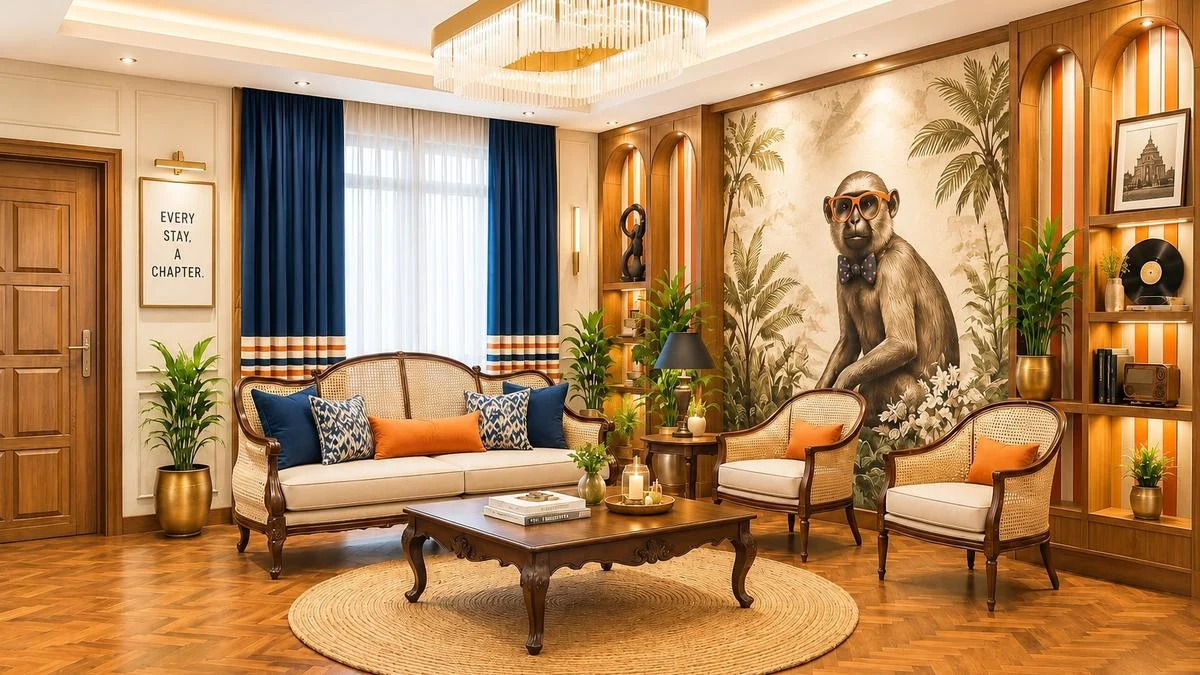
Chapter Lakeside is built on the principle that a hotel should serve as a curated "edit" of its surroundings. Unlike traditional luxury hotels that often impose a standardized aesthetic regardless of location, Chapter focuses on "destination-led" design. Every element—from the architecture to the soft furnishings—is intended to be a reflection of Tripura’s specific cultural and ecological fingerprint.
Key features of the property include:
- Inventory: 17 high-end boutique keys, ensuring an intimate and personalized guest experience.
- Location: Strategic positioning on Rudrasagar Lake, offering direct views of the iconic Neermahal (Water Palace).
- Amenities: A lake-view infinity pool, a poolside bar, and boat transfer services that integrate the water body into the guest’s daily transit.
- The "Animal in Residence" Concept: A unique branding strategy where each property is anchored by a local species. For Tripura, the Spectacled Langur (Phayre’s leaf monkey) serves as the design spine, influencing the textures and motifs found throughout the resort.
Culinary Identity: Cassette Kitchen & Bar
A central pillar of the Chapter experience is its gastronomic offering. Cassette Kitchen & Bar serves as a dual-purpose venue: a high-end restaurant and a cultural tribute. In Tripura, the outlet pays homage to the legendary music composer R.D. Burman, whose ancestral roots trace back to the Tripuri royal family. The menu focuses on "clean" cooking—drawing from Kokborok and Mui Borok traditions—utilizing local botanicals, river fish, and fermented ingredients.
II. Chronology: The Evolution of Hospitality in the Northeast
The opening of Chapter Lakeside is the culmination of a multi-decade journey for Hotel Polo Towers Limited and a broader shift in the Indian government’s "Act East" policy.
- The Early Era (Pre-2010s): For decades, Tripura’s hospitality sector was dominated by state-run guest houses and small-scale budget hotels. Tourism was largely restricted to religious pilgrims visiting the Tripura Sundari Temple and government officials.
- The Connectivity Pivot (2015–2020): Significant investments in infrastructure, including the modernization of the Agartala airport and improved rail connectivity to the rest of India, began to lower the barriers to entry for leisure travelers.
- The Rise of Boutique Luxury (2021–Present): Following the global pandemic, there was a surge in "slow travel" and "revenge tourism." Travelers began seeking offbeat, uncrowded destinations. Recognizing this gap, Deval Tibrewalla initiated the "Chapter" concept to provide upscale infrastructure in underserved markets.
- September 2026: The official launch of Chapter Lakeside, signaling Tripura’s readiness to compete with established regional hubs like Shillong and Gangtok.
III. Supporting Data: Tripura’s Untapped Potential
To understand why a major hospitality group would invest in a 17-key boutique property in Tripura, one must look at the state’s unique environmental and cultural assets, which have historically lacked the "packaging" necessary for high-end tourism.

Biodiversity and Natural Wealth
Tripura is a significant biodiversity hotspot, particularly regarding bamboo and cane.
- Bamboo Diversity: The state is home to over 21 species of bamboo, which is integrated into everything from construction to cuisine (bamboo shoots).
- Cane Craft: Tripuri cane is regarded as some of the finest in the Indian subcontinent, a fact Chapter Lakeside leverages by using local artisans for its bespoke furniture.
- Wildlife: The state hosts the Sepahijala Wildlife Sanctuary and the Trishna Wildlife Sanctuary, home to the endangered Spectacled Langur, which boasts a population that is increasingly becoming a draw for eco-tourists.
Historical and Archaeological Assets
The state offers a rich historical narrative that predates many better-known Indian tourist circuits:
- Neermahal: Built in 1930 by King Bir Bikram Kishore Manikya Bahadur, it is one of only two water palaces in India (the other being in Rajasthan). Its blend of Hindu and Islamic architectural styles remains a primary visual anchor for Chapter Lakeside guests.
- Unakoti: Often called the "Angkor Wat of the Northeast," this site features massive 7th–9th century rock-cut carvings of Shiva and other deities, yet it receives a fraction of the footfall of similar UNESCO sites.
IV. Official Responses: The Vision of Deval Tibrewalla
In discussions regarding the launch, Deval Tibrewalla, CEO of Hotel Polo Towers Limited, emphasized that the "upscale" nature of the brand is not about superficial luxury but about intellectual and aesthetic depth.
"Why not Tripura?" Tibrewalla posited when questioned about the choice of location. "Chapter is built on a simple guiding principle: the place comes first. Design, food, art, and music start with the destination and then get edited into a sharp, contemporary hotel. Its pools, spas, and restaurants are not add-ons; they are part of the way guests read the place."
Tibrewalla further clarified the brand’s stance on luxury: "Upscale isn’t an expensive wallpaper. Wise decisions, an aesthetic concept coupled with visual and spatial concepts make it upscale. We build the pool where the view is best, we cook food from the region, and we build a bar with a point of view. That is the essence of Chapter."
The management team also highlighted the "Animal in Residence" initiative as a way to ground the property in its ecosystem. By selecting the Spectacled Langur, the hotel creates a narrative link between the guest and the local wildlife, encouraging conservation awareness through high-end hospitality.
V. Culinary and Design Philosophy: A Deep Dive
The Fabric of Localness
At Chapter Lakeside, the "localness" is not a marketing story but a structural reality. The use of natural cane and local textiles is not merely decorative; it is an investment in the local supply chain. The property serves as a showroom for Tripuri craftsmanship, elevated to meet the standards of international boutique hospitality.
The Gastronomic Narrative
The culinary program at Cassette Kitchen & Bar is perhaps the most ambitious aspect of the project. Tripuri cuisine, known as Mui Borok, is distinct from the cream-and-oil-heavy dishes often associated with North Indian food.

- Berma: The use of fermented fish (berma) is a staple of the region, providing a pungent, umami-rich base for stews and curries. Chapter Lakeside has refined these traditional recipes to appeal to a broader palate without losing their authenticity.
- Oil-Free Traditions: Much of Tripuri cooking is traditionally oil-free, relying on boiling, steaming, and the use of aromatic herbs. This aligns perfectly with modern global trends toward healthy, "clean" eating.
- Botanical Mixology: The bar program utilizes local botanicals and craft beverage traditions, moving away from standard international spirits to offer drinks that taste of the Tripura soil.
VI. Implications: The Future of Tourism and Local Economy
The entry of an upscale brand like Chapter into Tripura carries significant implications for the state’s socio-economic future.
1. Upskilling and Employment
The hospitality industry is a major driver of employment. By establishing a high-end boutique brand, Polo Towers is not just creating jobs but is providing "upskilling" opportunities for local talent. Training local youth to meet the service standards of a luxury boutique brand prepares them for the global hospitality market while allowing them to remain in their home state.
2. Infrastructure Momentum
Success for Chapter Lakeside will likely act as a proof-of-concept for other investors. As more private capital flows into Tripura, the pressure on the government to maintain and improve roads, electricity, and digital connectivity will increase, leading to a virtuous cycle of development.
3. Sustainable Tourism Models
By focusing on a small number of keys (17) and a high-value, low-impact model, Chapter Lakeside sets a precedent for sustainable tourism in sensitive ecological zones like Rudrasagar Lake. This "slow travel" approach prevents the environmental degradation often associated with mass tourism.
4. Cultural Preservation
By integrating R.D. Burman’s legacy and Kokborok culinary traditions into a luxury setting, the hotel helps preserve and promote Tripuri culture. It elevates local traditions from the "folk" category to the "premium" category, instilling a sense of pride in the local community and offering travelers a more profound connection to the land.
Conclusion
Chapter Lakeside is more than a new hotel; it is a bold statement of confidence in the Northeast’s "forgotten" sister. By proving that Tripura can host a design-forward, upscale boutique experience, Hotel Polo Towers Limited is opening a new chapter—not just for their brand, but for the state’s place in the global travel hierarchy. As the sun sets over Rudrasagar Lake and the lights of Neermahal begin to shimmer, Tripura is finally stepping out of the shadows and into the spotlight of modern Indian hospitality.
