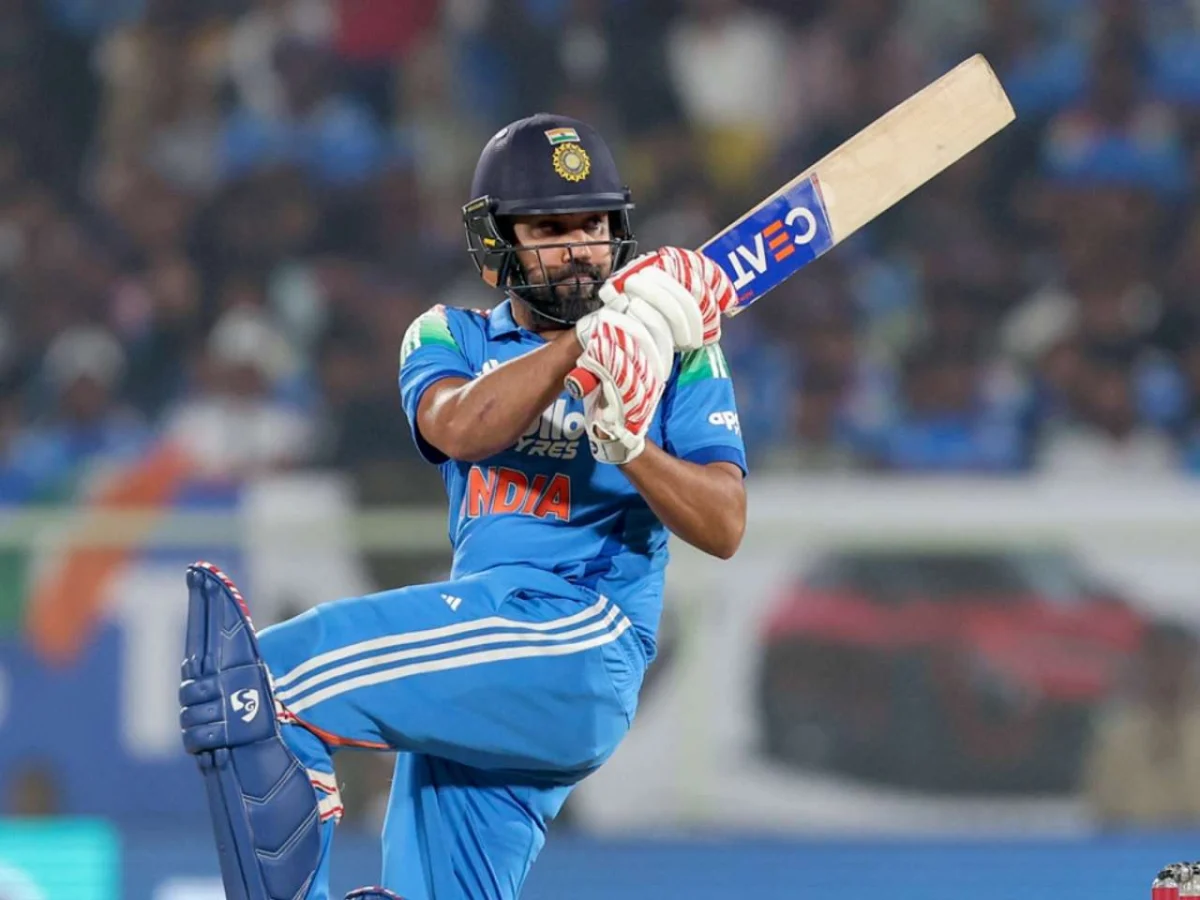
Mumbai, India – The cricketing world was abuzz with intense speculation regarding the immediate future of India’s veteran opener and former captain, Rohit Sharma, particularly concerning his participation in the 2027 ICC Men’s Cricket World Cup and a looming retirement from One Day Internationals (ODIs). However, the Board of Control for Cricket in India (BCCI) has stepped in to unequivocally quell these rumours, asserting that Sunday’s third ODI against England at Lord’s will emphatically not be the 39-year-old’s final appearance for the national side. This official clarification from BCCI Secretary Devajit Saikia aims to calm the stormy waters of media conjecture, though it simultaneously highlights the complex dynamics at play within Indian cricket’s selection and management structures as the team strategizes for the next quadrennial global showpiece.
The Unfolding Drama: Main Facts
The core of the recent cricketing drama revolves around reports suggesting a direct communication between the national selectors and Rohit Sharma regarding his long-term prospects. Mid-way through Thursday’s second ODI, whispers began to morph into definitive reports, indicating that Chief Selector Ajit Agarkar, potentially alongside a prominent figure like Gautam Gambhir, had informed Rohit that he would not be considered for the 2027 World Cup. This purported decision was reportedly driven by a strategic pivot towards nurturing younger talent to open alongside the promising Shubman Gill, thereby initiating a generational shift at the top of India’s ODI batting order.
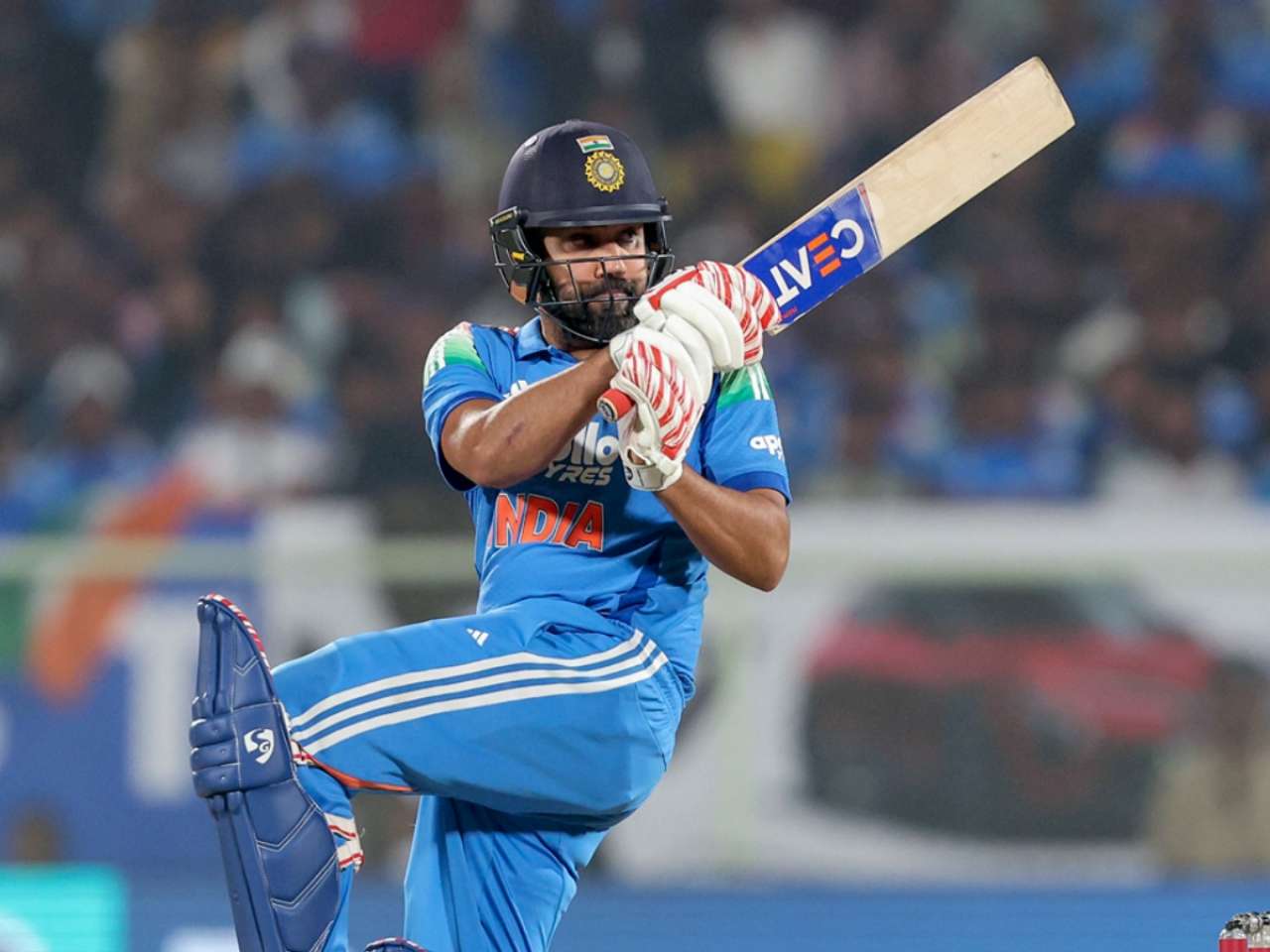
These reports rapidly ignited a firestorm of debate across traditional and social media platforms, with many interpreting the news as a precursor to Rohit Sharma’s imminent retirement from the 50-over format. Given his prior decisions to step away from both Test and T20I cricket, the narrative of a phased international career wind-down gained considerable traction. The notion that the Lord’s ODI could mark a poignant farewell for one of India’s most prolific white-ball cricketers added a layer of emotional weight to the ongoing speculation.
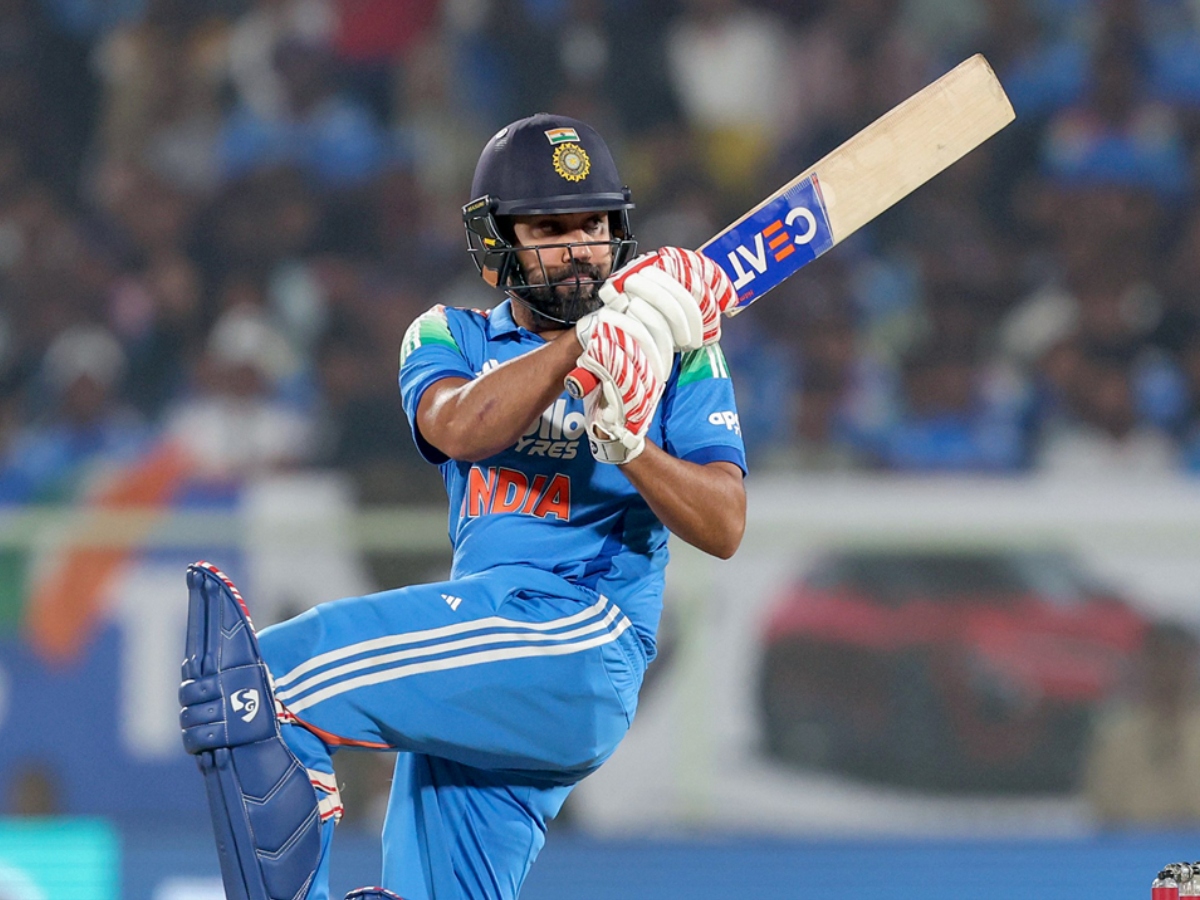
However, contrary to these widespread assumptions, sources close to the player suggested that Rohit Sharma remained keen to continue his ODI journey and had initiated discussions with BCCI officials to understand the exact stance of the team management and selectors. It was against this backdrop of conflicting reports and fervent public discussion that BCCI Secretary Devajit Saikia delivered the much-anticipated official response, firmly denying any plans for Rohit’s immediate retirement and reaffirming his status as a "regular member" of the ODI squad, contingent on him remaining "in the scheme of things." This statement, while providing immediate relief, also implicitly acknowledged the ongoing internal deliberations surrounding player longevity and team future.
)
A Timeline of Tumult: Chronology of Speculation
The narrative surrounding Rohit Sharma’s ODI future did not emerge in a vacuum but rather unfolded in a series of events that gradually escalated into a full-blown media frenzy. Understanding this chronology is crucial to grasp the context of the BCCI’s eventual intervention.
The Genesis of Rumour: Mid-Second ODI
The initial sparks of speculation were fanned during the second One Day International between India and England on Thursday. As the match progressed, an undercurrent of unusual reports began to circulate among the media contingent and within cricketing circles. These initial whispers, often characteristic of high-stakes international cricket, suggested internal discussions were underway regarding a senior player’s future. The timing, during an active series, only amplified the intrigue, leading to immediate public and media attention. The rapid dissemination of these unverified reports across news channels and social media platforms quickly turned a murmur into a loud public discourse, catching fans and pundits by surprise.

The Reported Management Intervention
Following the initial reports, the focus quickly shifted to the alleged nature of these internal discussions. It was widely reported that Ajit Agarkar, the Chief Selector, and Gautam Gambhir, whose influence in Indian cricket has grown significantly (often linked to coaching or mentorship roles within the national setup), had formally communicated with Rohit Sharma. The crux of this reported conversation was stark: Rohit, at 39 years old, was purportedly informed that he would not feature in the plans for the 2027 World Cup. This decision was reportedly underpinned by a strategic vision to infuse the team with youth, particularly in the opening slot, with Shubman Gill being earmarked as a cornerstone around whom new talent would be developed. The implication was clear: the management was looking beyond the current generation for its long-term objectives, and Rohit, despite his immense contributions, was seen as part of the outgoing guard for the next World Cup cycle.
Rohit’s Stance and Internal Deliberations
Amidst the swirling rumours of his impending exclusion and potential retirement, reports also emerged detailing Rohit Sharma’s personal stance. Far from accepting a passive exit, sources indicated that the veteran opener was "keen to continue" representing India in the ODI format. This strong desire to extend his career prompted him to engage directly with BCCI officials. His objective was reportedly to gain clarity on the team management’s position and to articulate his own commitment and availability. This development added another layer of complexity, transforming what might have been a straightforward selection call into a significant point of contention, pitting the reported vision of the selectors against the aspirations of a legendary player. His previous decisions to retire from T20Is and Tests, often cited as moves to manage his workload and prolong his career in other formats, lent credence to his desire to continue in ODIs, a format where he has achieved unprecedented success.
)
The Board’s Definitive Response
The escalating nature of the speculation, coupled with the differing narratives, necessitated an official statement from the highest echelons of Indian cricket. This came in the form of a definitive clarification from BCCI Secretary Devajit Saikia. Speaking to PTI, Saikia directly addressed the rumours, stating, "There are a lot of speculations going on in the media about Rohit Sharma’s future. I want to firmly assert that there has been no such discussion that Rohit will be playing his last match at Lord’s on Sunday. Rohit is a regular member of the Indian ODI team, and he will continue to represent the country as long as he is in the scheme of things. In other words, Lord’s ODI won’t be his last match." This carefully worded statement, issued just ahead of the crucial third ODI, served as a crucial intervention, aiming to douse the immediate flames of retirement talk and provide a semblance of stability to the situation.
A Legacy Under Scrutiny: Supporting Data and Context
Rohit Sharma’s career has been one of extraordinary highs, marked by record-breaking performances and transformative leadership. However, even legends face periods of introspection, and recent data points coupled with the relentless march of time have brought his future under the microscope.
)
The Batting Maestro’s Recent Performance Graph
While Rohit Sharma’s career statistics paint a picture of a batting colossus, his form in the current calendar year (2026, as per the article) has witnessed a discernible dip. The article notes that he has managed "just one half-century in eight ODIs" during this period. This stark contrast to his usual prolific scoring rate is significant, especially for an opening batsman expected to provide strong starts. Furthermore, his momentum has reportedly "been affected by injuries during this period," which can be a debilitating factor for any athlete, particularly one approaching the twilight of their career. Injuries not only impact on-field performance but also disrupt training regimes and overall rhythm. However, it is crucial to remember that for "the three years prior," Rohit "remained one of India’s top performers in the format," consistently delivering match-winning innings and showcasing his unparalleled ability to convert starts into monumental scores, including his three double centuries in ODIs – a feat unmatched by any other batsman. This highlights the recency bias in current criticism, contrasting it with a sustained period of excellence.
The Captain’s Triumph: Beyond the Bat
Beyond his individual batting prowess, Rohit Sharma’s leadership credentials cannot be overstated. He has successfully captained India to significant ICC trophies, including the 2024 T20 World Cup and the 2025 Champions Trophy titles. These victories underscore his tactical acumen, ability to inspire a team, and skill in navigating high-pressure tournament formats. His captaincy adds a crucial dimension to his value, transcending mere batting statistics. A leader who has delivered silverware often commands a different level of respect and consideration, even when individual form fluctuates. Furthermore, his commitment to his career is evident in his sustained efforts on fitness, "aiming to put himself in contention for the 2027 World Cup." This dedication demonstrates a professional athlete’s desire to defy age and remain at the peak of his physical capabilities, challenging the notion that age alone should dictate retirement.
)
The Journey So Far: A Storied Career
Rohit Sharma’s journey in international cricket began with his ODI debut against Ireland in Belfast on June 23, 2007. Since then, he has evolved from a talented middle-order batsman into one of the most destructive and consistent openers in white-ball cricket history. His transition to opening the innings transformed his career, allowing him to dominate attacks and set new benchmarks for scoring. His "Hitman" moniker is a testament to his explosive power and ability to dismantle bowling attacks.
Crucially, Rohit has already made strategic career decisions by stepping away from both the T20I and Test formats. His retirement from T20Is was largely seen as a move to manage his workload and allow younger players to gain experience in the shortest format, especially with a focus on future T20 World Cups. Similarly, his eventual retirement from Test cricket, as suggested in the article ("follow his 2025 Test retirement"), would signify a strategic reduction of his international commitments, likely aimed at prolonging his career in the ODI format, which has historically been his strongest suit. These calculated decisions provide context to his reported desire to continue in ODIs, indicating a deliberate career management strategy rather than an inability to let go.
)
The Succession Question: Paving the Way for Youth
The core of the selection dilemma revolves around the team’s long-term vision, particularly the stated goal of "exploring younger options to open alongside Shubman Gill." This signifies a broader strategic imperative to build a team capable of competing in the 2027 World Cup. The challenge for any cricketing nation is to balance the experience and proven match-winning ability of veterans with the need to nurture and integrate new talent. Younger openers like Ishan Kishan, Yashasvi Jaiswal, Ruturaj Gaikwad, and others are constantly vying for spots, and the selectors face the unenviable task of making tough calls. The success of Shubman Gill, who has firmly established himself, provides a template for the next generation. The decision to potentially move on from a player of Rohit’s stature, despite his current contributions, reflects a forward-looking approach, aiming to avoid a sudden vacuum of talent closer to major tournaments. This perennial challenge of managing transitions is a defining characteristic of top-tier international cricket.
The Board’s Voice: Official Responses and Institutional Dynamics
The BCCI’s role in Indian cricket extends far beyond mere administrative functions; it is the ultimate arbiter of player careers, team strategy, and the public image of the sport. Its official response to the Rohit Sharma speculation, therefore, carries immense weight and offers critical insight into the institutional dynamics at play.
)
BCCI Secretary Devajit Saikia’s Statement: A Close Reading
Devajit Saikia’s statement to PTI was not just a denial; it was a carefully crafted communication designed to address multiple facets of the ongoing debate. His opening, "There are a lot of speculations going on in the media about Rohit Sharma’s future," acknowledges the widespread nature of the rumours, immediately establishing the BCCI’s awareness. The subsequent "firmly assert that there has been no such discussion that Rohit will be playing his last match at Lord’s on Sunday" directly refutes the most sensational aspect of the reports – the immediate retirement.
Crucially, Saikia adds, "Rohit is a regular member of the Indian ODI team, and he will continue to represent the country as long as he is in the scheme of things." This phrase, "as long as he is in the scheme of things," is particularly significant. While it provides immediate reassurance, it also leaves a subtle window for future adjustments based on form, fitness, and team requirements. It’s a diplomatic phrase that avoids making an open-ended commitment for years to come, yet effectively denies any immediate axe. It suggests that while there’s no immediate plan to drop him or force retirement, his place, like any other player’s, remains subject to performance and the broader team strategy. This nuanced language is typical of official statements from apex bodies, balancing immediate clarity with long-term flexibility.
)
The Apex Body’s Prerogative: BCCI’s Ultimate Authority
The article rightly points out that "even though selectors, the coach, and the board all do different jobs, the BCCI usually makes the final decision on sensitive calls." This highlights the hierarchical power structure within Indian cricket. While the Chief Selector and coaching staff provide recommendations based on cricketing merit and strategic vision, the final authority, especially on high-profile decisions involving senior players, rests with the BCCI. This institutional oversight serves several purposes: it ensures continuity, manages public relations, and protects the interests of key stakeholders, including the players themselves.
The implication is that "even if the selectors want Rohit out, they’d have to convince the board that it’s right for Indian cricket going forward." This process involves a comprehensive evaluation that goes beyond mere statistics. It considers a player’s legacy, their influence in the dressing room, their marketability, and the potential public reaction to their omission. For a player of Rohit Sharma’s stature, a decision to move him on would require not just cricketing justification but also a compelling narrative that aligns with the BCCI’s broader vision for the sport’s future in India. The board often acts as a guardian of stability and tradition, carefully navigating the delicate balance between necessary change and respecting established legends. Saikia’s comments strongly suggest that such a convincing argument for Rohit’s immediate removal or forced retirement has not yet been presented or accepted by the board, indicating that the institutional support for the veteran player remains intact, for now.
)
The Road Ahead: Implications and Future Outlook
The BCCI’s clarification, while bringing a temporary end to the immediate retirement buzz, opens up a new chapter in the ongoing narrative of Rohit Sharma’s illustrious career and the strategic direction of Indian cricket. The road ahead is paved with both opportunities and challenges for all parties involved.
For Rohit Sharma: Prolonged Career or Strategic Exit?
For Rohit Sharma, Saikia’s statement serves as a significant validation of his desire to continue playing ODIs. It grants him a temporary reprieve from the immediate pressure of an impending exit and reaffirms his status as a key component of the Indian team. However, this reprieve comes with an inherent challenge: the intensified scrutiny on his performance. With his form having dipped in 2026 and his age a constant talking point, every innings will now be viewed through the lens of his longevity and his contention for the 2027 World Cup. He will be under immense pressure to not only regain his prolific scoring touch but also to maintain peak fitness to demonstrate his continued value.
)
His role as a senior statesman, even if not the captain, will be crucial. His experience, guidance, and calming presence in the dressing room could be invaluable for younger players. However, the balance between mentorship and making way for the next generation is a delicate one. Ultimately, the decision to continue playing will rest on his ability to consistently perform at the highest level and to align his personal aspirations with the evolving needs of the team. The option of a strategic, dignified exit at a time of his choosing, rather than a forced one, remains a powerful motivator for many senior athletes.
For the Indian Cricket Team: A Balancing Act
The situation surrounding Rohit Sharma encapsulates the perennial challenge faced by the Indian team management and selectors: how to effectively balance the wealth of experience offered by seasoned veterans with the imperative to integrate and nurture young talent for future global tournaments. The desire to build a formidable squad for the 2027 World Cup is paramount, and this often necessitates tough decisions regarding long-serving players.
)
The current scenario demands a delicate balancing act. While the BCCI has affirmed Rohit’s place, the underlying objective of "exploring younger options" remains. This means the selectors must find ways to provide ample opportunities to promising youngsters while ensuring that the team’s immediate performance is not compromised. It’s a strategy that requires foresight, courage, and clear communication. How the team transitions from its current core to a future-ready squad, without causing disruption or demotivation, will be a defining aspect of the next few years. The success of this transition will heavily influence India’s prospects in the upcoming World Cup cycle.
The Fan Perspective and Media Scrutiny
The public discourse around Rohit Sharma’s future is a microcosm of the intense passion that surrounds Indian cricket. Fans are often polarized, with one camp fiercely advocating for the continuation of a proven legend, citing his past achievements and experience, while another champions the cause of youth, emphasizing the need for a forward-looking approach. This emotional investment ensures constant media scrutiny, with every statement, performance, and non-performance being dissected and debated.
)
The media, in its role, plays a crucial part in shaping narratives, sometimes amplifying speculation and at other times providing much-needed clarity. The pressure on high-profile players like Rohit, particularly when their careers are perceived to be winding down, can be immense, affecting not just their on-field performance but also their mental well-being. The BCCI’s intervention, in this context, aimed to provide stability and reduce the noise, allowing the team and player to focus on the game.
Beyond Lord’s: The Path to 2027
The Lord’s ODI, contrary to initial fears, will not be Rohit Sharma’s swansong. His ODI journey, where he has already cemented his legacy as a true legend of the game, indeed "may still have more chapters left." However, the path to the 2027 World Cup is long and arduous, filled with numerous bilateral series, multi-nation tournaments, and a relentless schedule.
)
Rohit’s performance in these upcoming events will be critically evaluated. His ability to adapt, innovate, and maintain his physical conditioning will determine the length of these remaining chapters. The ultimate goal for the Indian team is to identify and forge the most formidable combination to secure an ICC trophy, a pursuit that has often eluded them in recent years. Whether Rohit Sharma will be an integral part of that final jigsaw puzzle for 2027 remains an unfolding narrative, but one that promises to be compelling until its ultimate conclusion.
In conclusion, while the immediate storm of retirement rumours has been weathered by the BCCI’s decisive intervention, the strategic undercurrents concerning Rohit Sharma’s long-term future and the Indian team’s succession planning remain potent. The saga underscores the complex interplay of individual ambition, team strategy, and institutional oversight that defines high-stakes international cricket, ensuring that the ‘Hitman’s’ journey will continue to captivate fans and pundits alike.