

HYDERABAD – In a continuing and intensifying campaign to ensure public health standards across the state’s burgeoning hospitality sector, the Telangana Food Safety Department conducted a series of high-profile inspections on Wednesday, May 20. The raids, which targeted popular dining establishments in Hyderabad’s eastern suburbs and a bakery in Karimnagar, unearthed a disturbing array of hygiene violations, including the discovery of hundreds of spoiled eggs, pest infestations, and the illegal reuse of cooking oil.
The enforcement drive is part of a state-wide initiative led by the Commissioner of Food Safety to sanitize the food industry and hold Food Business Operators (FBOs) accountable to the standards mandated by the Food Safety and Standards Act of 2006.
Main Facts: A Summary of the Violations
The inspections focused on three primary locations: Meld Haus (a brewery in Nagole), Urban Monk Fine Dine and Baking (LB Nagar), and Ganesh Bangalore Bakery (Karimnagar). While each establishment presented its own unique set of failures, the common themes were a disregard for expiration dates, inadequate storage infrastructure, and a lack of basic sanitary protocols.
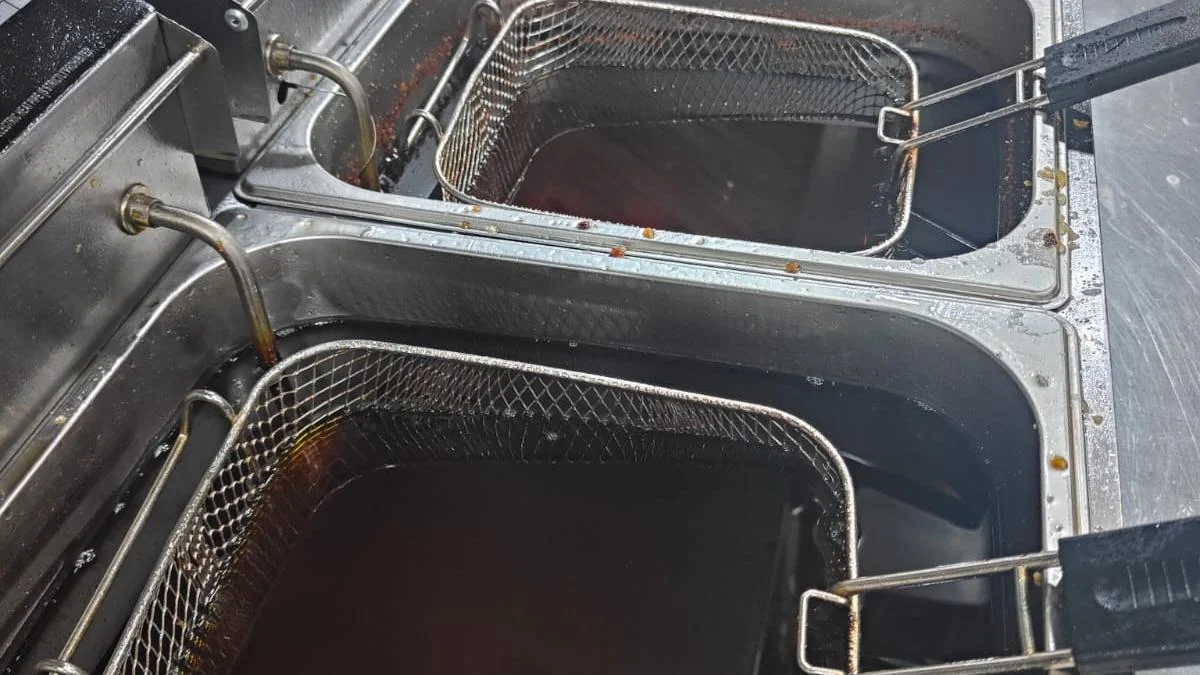
The most egregious discovery occurred in Karimnagar, where officials found nearly a thousand spoiled eggs being used in the production of baked goods. Meanwhile, in Hyderabad, the focus shifted to the chemical integrity of the food, with inspectors flagging "Total Polar Compounds" (TPC) in cooking oil, suggesting that the oil had been reused far beyond safe limits.
Key Findings at a Glance:
- Spoiled Raw Materials: 750 foul-smelling, housefly-infested eggs seized in Karimnagar.
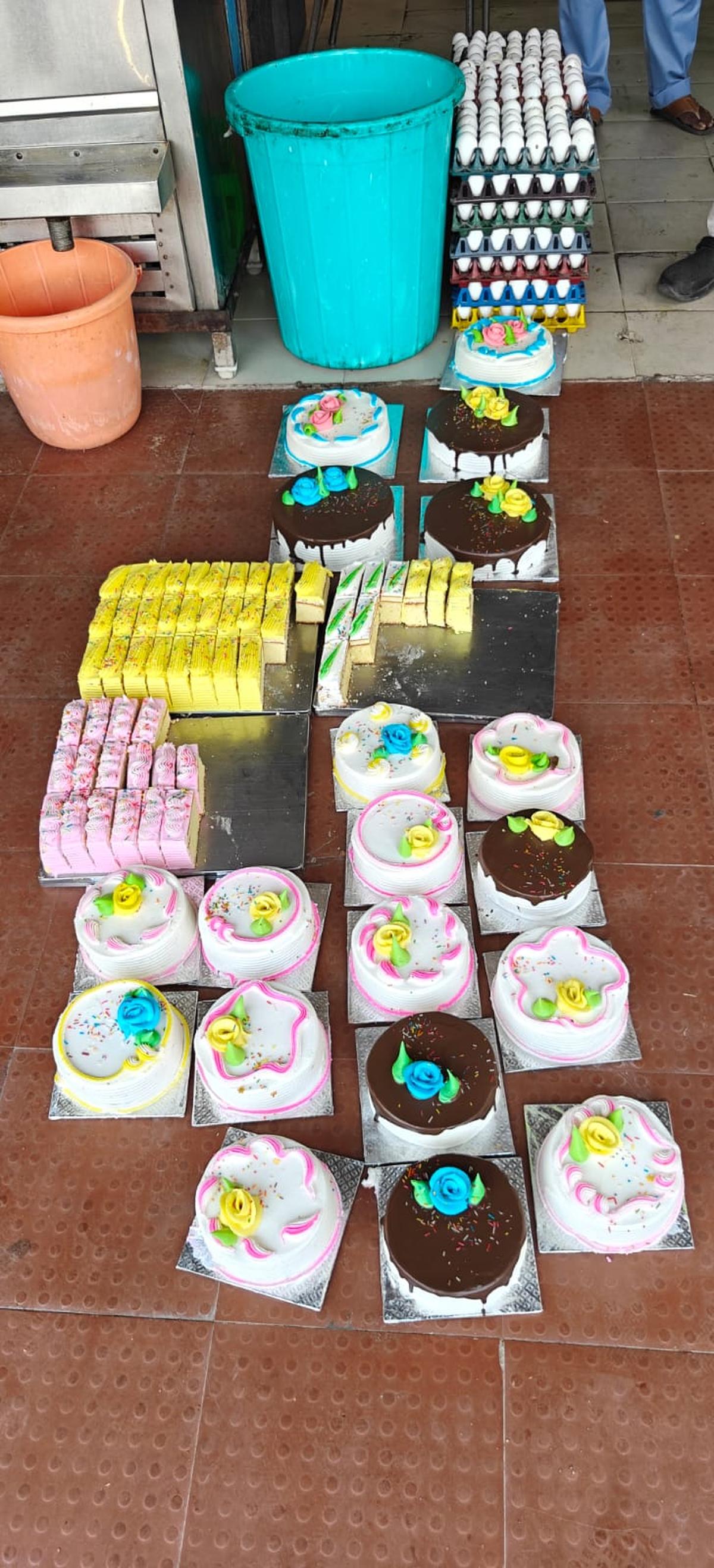
- Product Seizure: 20 kg of prepared cakes discarded due to suspected contamination.
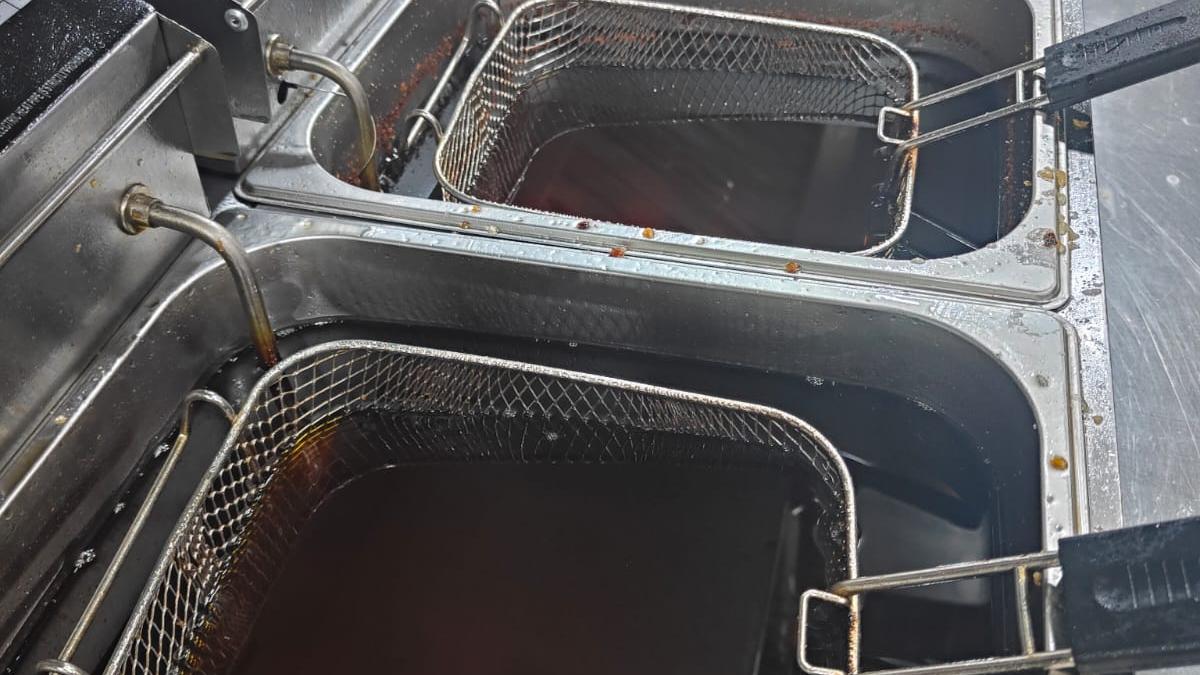
- Chemical Hazards: Suspected reuse of cooking oil at multiple Hyderabad locations.
- Hygiene Failures: Active pest infestations and improper drainage in kitchen areas.
- Administrative Lapses: Lack of proper labeling, missing medical fitness certificates for staff, and expired food products kept in active storage.
Chronology of the Enforcement Drive
The events of May 20 unfolded as a coordinated effort by multiple task force teams.
Morning: The Nagole and LB Nagar Sweep
The day began with a surprise inspection at Meld Haus, a popular brewery in the Nagole area. This establishment, which caters to a large evening crowd, was scrutinized for its back-end operations. Almost simultaneously, a second team descended upon Urban Monk Fine Dine and Baking in LB Nagar.
By midday, the teams had identified significant "red flags" regarding how semi-cooked and raw materials were being stored. At both locations, the lack of "First-In, First-Out" (FIFO) inventory management was evident, leading to the discovery of expired items mixed with fresh stock.
Afternoon: The Karimnagar Discovery
As the Hyderabad teams were filing their initial reports, Food Safety Officers (FSOs) in Karimnagar conducted a raid on Ganesh Bangalore Bakery in Subhash Nagar. This inspection was prompted by local intelligence regarding the quality of raw materials used in their bulk baking processes. The scene described by officials was grim: hundreds of damaged eggs, emitting a putrid odor and swarmed by flies, were found in the preparation area.
Evening: Lab Sampling and Immediate Disposal
By late Wednesday evening, the department issued a formal press note. Immediate "on-the-spot" disposal of spoiled items was carried out to prevent them from reaching consumers. Enforcement samples were bottled, sealed, and dispatched to the State Food Laboratory for comprehensive chemical and microbiological analysis.
Supporting Data: The Health Risks of Observed Violations
To understand the gravity of these inspections, it is essential to look at the scientific implications of the violations cited by the Telangana Food Safety Department.
The Danger of Spoiled Eggs (Salmonella Risk)
The discovery of 750 foul-smelling eggs at Ganesh Bangalore Bakery is a major public health concern. Spoiled eggs are primary breeding grounds for Salmonella enteritidis. When these eggs are incorporated into cake batters—even if baked—there is a risk of cross-contamination or survival of heat-resistant pathogens if the baking temperature is inconsistent. Consumption can lead to severe gastroenteritis, dehydration, and in vulnerable populations, systemic infections.
The Carcinogenic Risk of Reused Cooking Oil
At Meld Haus and Urban Monk, inspectors suspected the repeated reuse of cooking oil. Under FSSAI guidelines, cooking oil should not be reused more than three times, and ideally not at all if the Total Polar Compounds (TPC) exceed 25%.

- Why it matters: Repeatedly heating oil changes its chemical structure, creating trans-fats and acrylamide, which are linked to heart disease and increased cancer risks. The "suspected" reuse suggests that the oil had turned dark and viscous, a clear sign of oxidation.
Pest Infestation and Structural Hygiene
The mention of pest infestations (cockroaches and houseflies) at the establishments points to a failure in "Good Manufacturing Practices" (GMP). Pests are vectors for pathogens like E. coli and Shigella. Furthermore, the absence of insect screens and proper drainage covers—as noted in the inspection reports—allows for the easy entry of rodents and insects into food prep zones.
Official Responses and Legal Framework
The Telangana Food Safety Department has taken a "zero-tolerance" stance under the current administration. Following the raids, the department released an official statement via their social media handles and traditional press channels.
Statements from the Department
"Expired and spoiled food articles, along with suspected reused cooking oil, were discarded on the spot during the inspections," the department stated. "Necessary action is being initiated against the Food Business Operators concerned under the provisions of the Food Safety and Standards Act, 2006."
Legal Consequences
The FBOs (Food Business Operators) involved are now facing a multi-tiered legal process:
- Improvement Notices: Under Section 32 of the FSS Act, establishments may be given a specific timeframe to rectify structural and hygienic deficiencies.
- Adjudication and Fines: If the lab samples confirm the food was "unsafe" or "substandard," the owners can face heavy monetary penalties ranging from ₹1 lakh to ₹10 lakhs.
- Suspension of License: In cases of "grave danger to public health," the department has the authority to suspend or cancel the FSSAI license, effectively shutting down the business.
Implications for the Industry and Consumers
These raids are not isolated incidents but part of a broader trend that is reshaping the culinary landscape of Telangana. The "Task Force" approach has several long-term implications.
1. The "Name and Shame" Strategy
The Telangana Food Safety Department has been exceptionally transparent, posting photos of violations—including the spoiled eggs and dirty kitchens—directly to platforms like X (formerly Twitter). This "name and shame" tactic has proven more effective than fines alone, as it directly impacts the brand reputation and patronage of the establishments.
2. A Wake-up Call for Fine Dining
The inclusion of "Fine Dine" establishments like Urban Monk and Meld Haus brewery sends a clear message: high prices and aesthetic interiors do not exempt a restaurant from back-end hygiene standards. There is often a misconception among consumers that "expensive" equals "safe." These raids debunk that myth, forcing consumers to be more vigilant.
3. Supply Chain Accountability
The Karimnagar bakery incident highlights the need for better regulation of the supply chain. Where did 750 spoiled eggs come from? The investigation is likely to extend to the suppliers, ensuring that the root of the contamination is addressed.
4. Consumer Awareness and Empowerment
The department is encouraging citizens to report violations. With the rise of food delivery apps, consumers rarely see the kitchens where their food is prepared. These government-led inspections act as the "eyes and ears" of the public, restoring a modicum of trust in an industry that has faced criticism for cutting corners to save costs.
Conclusion
The findings on May 20 serve as a sobering reminder of the hidden dangers in the food service industry. From the fly-infested eggs of Karimnagar to the degraded cooking oils of Hyderabad, the violations uncovered by the Telangana Food Safety Department suggest a systemic need for more frequent monitoring and stricter enforcement.
As the enforcement samples undergo laboratory testing, the hospitality industry in Telangana remains on high alert. For the owners of Meld Haus, Urban Monk, and Ganesh Bangalore Bakery, the road ahead involves not just legal battles, but the difficult task of regaining public trust. For the citizens of Telangana, these actions offer a glimmer of hope that the food on their plates is being guarded by a department that prioritizes science and safety over commercial interests.
The Commissioner of Food Safety has signaled that these inspections will continue indefinitely, covering every corner of the state to ensure that "Food Safety is Everyone’s Business."
