

The common perception of soy sauce in the global pantry is often reduced to a utilitarian, salty condiment—a dark liquid stored in plastic bottles, used to add a quick hit of sodium to a stir-fry. However, a profound culinary movement is currently making its way to India’s metropolitan hubs, challenging this reductive view. In a landmark collaboration, the Oberoi Hotels in Bengaluru and Mumbai are set to host "Kioke Dojo," an immersive gastronomic experience that elevates soy sauce to the status of fine wine or aged single-malt whisky.
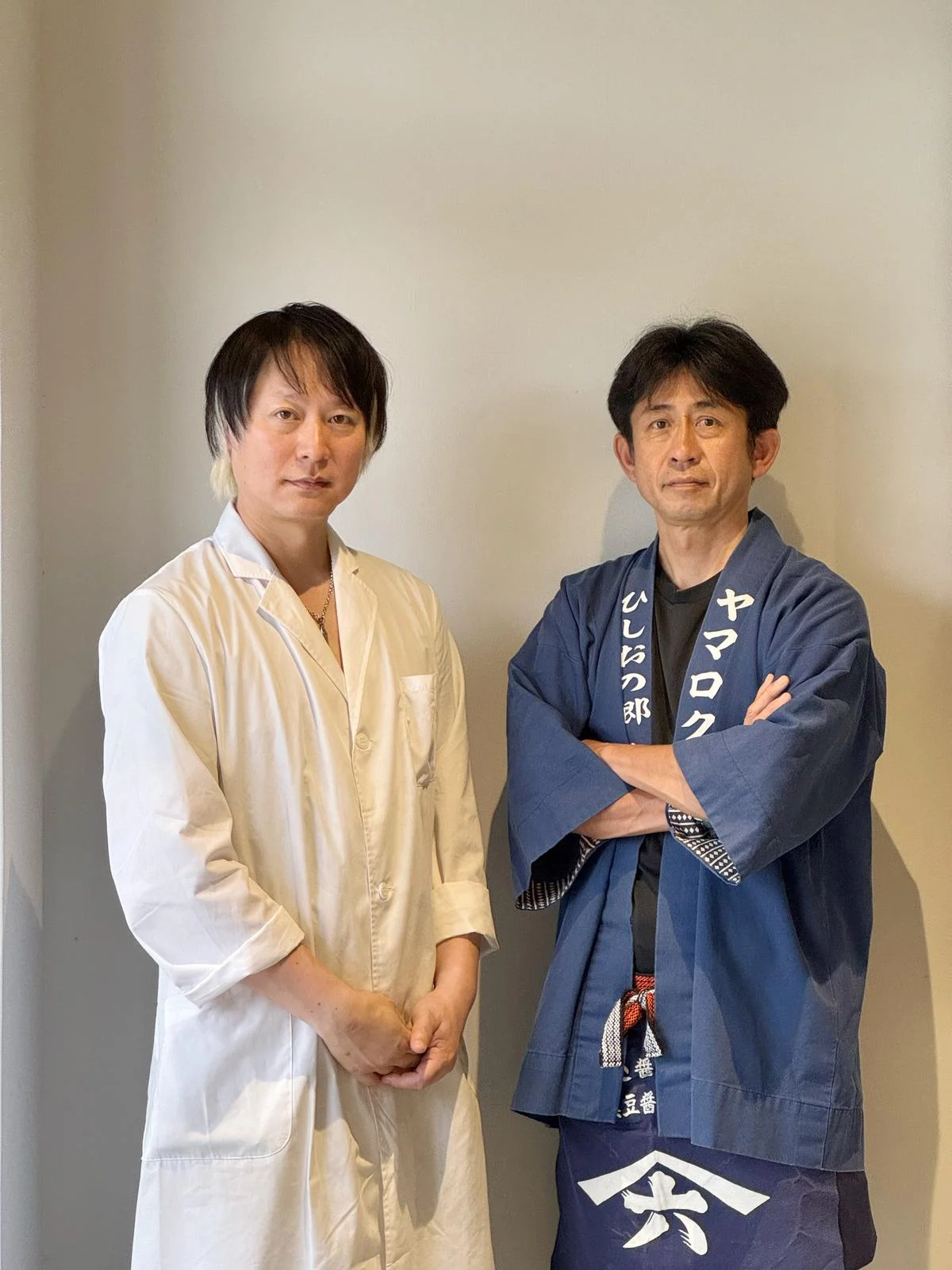
On August 22 and 24, 2024, the Indian culinary landscape will witness a rare convergence of history, microbiology, and haute cuisine. Centered around the artisanal "kioke" soy sauces of Shodo Island, Japan, the event features Chef Yoshifumi Tashima of Tokyo’s renowned Namida and Yasuo Yamamoto, a fifth-generation master brewer. This initiative, facilitated by the trade platform SpicedLore, aims to introduce Indian gourmands to the concept of shoyu terroir—the idea that the flavor of soy sauce is a direct product of its environment, its wooden vessel, and the passage of centuries.
Main Facts: A Bridge Between Shodo and the Subcontinent
The "Kioke Dojo" event is not merely a dinner; it is a cultural exchange designed to showcase the "living craft" of traditional Japanese fermentation. The primary facts of the event are as follows:
- The Venue and Schedule: The experience will debut on August 22 at Wabi Sabi, The Oberoi, Bengaluru, followed by a second session on August 24 at Fenix, The Oberoi, Mumbai.
- The Protagonists: The event is led by Chef Yoshifumi Tashima, whose philosophy at Namida focuses on the purity of ingredients. He is joined by Yasuo Yamamoto, the proprietor of Yamaroku Shoyu, a brewery that has remained family-owned for over 150 years.
- The Local Collaboration: To ground the experience in the Indian context, the visiting masters are partnering with local culinary leaders: Chef Randy Cultivo in Bengaluru and Chef Richard Malone in Mumbai.
- The Core Product: The dinner revolves around kioke shoyu—soy sauce fermented in massive, traditional cedar barrels. Unlike mass-produced soy sauce, which is often chemically hydrolyzed or fermented in temperature-controlled stainless steel tanks for a few months, Yamaroku’s sauce is aged for years, allowing nature to dictate the pace.
- The Mission: Beyond the meal, the initiative seeks to preserve the dying art of kioke (barrel) making, a craft that was on the verge of extinction in Japan until a recent resurgence led by brewers like Yamamoto.
Chronology: 150 Years of Fermentation and the Meiji Legacy
To understand the depth of the liquid being poured at the Oberoi, one must trace the timeline of Yamaroku Shoyu and the island of Shodo.
The story begins in the mid-19th century, at the dawn of the Meiji Era (1868–1912). This was a period of radical transformation in Japan, as the country shifted from a feudal society to a modernized nation. Amidst this upheaval, the Yamamoto family established their brewery on Shodo Island, located in the Seto Inland Sea. The island’s climate—often described as Mediterranean due to its mild winters and warm, dry summers—proved ideal for fermentation.
For over a century, the brewery has operated within the same wooden structure. The chronology of the sauce is inseparable from the chronology of the barrels. Some of the kioke currently in use at Yamaroku were constructed over 100 years ago. These barrels are not merely containers; they are biological archives. Over 150 years, the wood has absorbed the specific microbial fingerprint of the brewery—a unique blend of yeasts and lactic acid bacteria that cannot be replicated in a laboratory.

In the late 20th century, the rise of industrial food production threatened this heritage. Across Japan, traditional breweries shuttered as consumers opted for cheaper, mass-produced alternatives. By the time Yasuo Yamamoto took over as the fifth-generation brewer, the craftsmen who built the massive cedar barrels were disappearing. Recognizing that the death of the barrel-maker meant the eventual death of his soy sauce, Yamamoto took the unprecedented step of apprenticing himself to the last remaining barrel-makers, ensuring the craft would survive into the 21st century.
Supporting Data: The Science of the Kioke and the Ecosystem of Flavor
The distinction between artisanal shoyu and industrial soy sauce is backed by significant biological and chemical data.
The Vessel: A kioke is a large barrel made from Japanese cedar (Sugi), bound together by braided bamboo hoops. Unlike stainless steel, wood is porous. It "breathes," allowing for subtle oxygen exchange. More importantly, the microscopic pores of the cedar serve as a habitat for over 100 different types of microorganisms.
The Fermentation Cycle: While industrial soy sauce can be produced in 3 to 6 months using heat to accelerate the process, Yamaroku’s Tsurubishio (their flagship double-brewed sauce) undergoes a fermentation process that lasts between four to five years.
- Year 1-2: Initial fermentation where the koji (mold-inoculated soy and wheat) breaks down proteins into amino acids (umami).
- Year 3-5: The "re-brewing" phase, where instead of salt water, the brewers add a fresh batch of koji to already-matured soy sauce. This doubles the ingredients and results in a thick, velvety texture and an explosion of umami.
The Climate Factor: Shodo Island’s specific humidity and temperature fluctuations play a critical role. The natural seasonal changes cause the "moromi" (fermenting mash) to expand and contract within the wood, naturally circulating the liquid without the need for mechanical intervention. This "living fermentation" results in a complex chemical profile featuring hundreds of flavor compounds, including vanillin (which provides sweetness) and various esters that mimic the floral notes found in fine wines.
Official Responses: Insights from the Masters
During the lead-up to the Kioke Dojo event, the architects of the experience shared their philosophy on why this specific craft matters in a modern world.

Yasuo Yamamoto emphasizes that time is an ingredient that cannot be bypassed. "Ageing creates a depth that cannot be fully captured by scientific analysis or reduced to a number," Yamamoto states. "It is the difference between simply making soy sauce and allowing a living fermentation to evolve. For us, that is the essence of kioke shoyu: wood, microorganisms, ingredients, craftsmanship, and time coming together to create something that cannot be hurried."
Chef Yoshifumi Tashima views the soy sauce as a lens through which to view the ingredients. Addressing the unconventional nature of the pairing dinner, he notes that tasting soy sauce in isolation is a pedagogical tool. "When tasted by itself, soy sauce can initially seem intensely salty. But tasting it in its original form allows you to discover what lies beneath—the aroma, umami, acidity, sweetness, and finish."
Tashima further explains that the "Kioke Dojo" menu is designed to be "creative rather than prescriptive." He rejects the idea of rigid rules for pairing. "The question is not simply, ‘Which soy sauce goes with this dish?’ It is, ‘What do we want this dish to make you feel?’"
SpicedLore, the platform bringing this experience to India, views the event as a blueprint for future cultural exchanges. Their representatives suggest that Indian diners, who have a deep-seated appreciation for fermented foods (from pickles to curd), are uniquely positioned to appreciate the nuances of aged shoyu.
Culinary Implications: From Sashimi to Global Gastronomy
The introduction of 150-year-old brewing techniques to the Indian fine-dining scene has several significant implications for the future of gastronomy.
1. The "Wine-ification" of Condiments
Just as the world learned to distinguish between table wine and Grand Cru, or between blended spirits and single malts, the Kioke Dojo event signals a shift toward the "premiumization" of pantry staples. By highlighting terroir and vintage, the event encourages diners to demand transparency and quality in the most basic of ingredients.

2. Cross-Cultural Synthesis
The menu curated for the Bengaluru and Mumbai dinners—featuring Mizu no hana (Hiramasa fish), Chutoro (medium-fatty tuna) with Tsurubishio rice, and Isobe Yaki (grilled rice cakes)—demonstrates how Japanese precision can find a home in India’s luxury hotel circuit. It suggests a growing appetite among Indian consumers for "educational dining," where the story behind the plate is as important as the taste.
3. Preservation through Consumption
The most profound implication is the survival of the kioke craft itself. By creating a global market for these luxury sauces, brewers like Yamamoto can fund the expensive and time-consuming process of building new cedar barrels. Every bottle of Yamaroku Shoyu served at the Oberoi contributes to the maintenance of a 150-year-old microbial ecosystem.
4. A New Standard for Umami
In a culinary landscape where "umami" is often associated with MSG or heavy sauces, the Kioke Dojo introduces a natural, clean, and complex version of the fifth taste. This could influence Indian chefs to explore traditional fermentation techniques within Indian cuisine, perhaps applying the "barrel-aged" philosophy to indigenous ingredients like kachampuli or regional ferments.
Conclusion: A Masterclass in Patience
The Kioke Dojo dinner at the Oberoi Hotels is more than a high-end meal; it is a masterclass in the virtues of patience and the preservation of heritage. As Bengaluru and Mumbai prepare to host these Japanese masters, the event serves as a reminder that in an era of instant gratification, some of the world’s most exquisite flavors are still those that take five years, a century-old barrel, and five generations of dedication to produce.
For the attendees, the experience will offer a rare opportunity to taste history, one drop of umami at a time. For the broader culinary world, it stands as a testament to the fact that the most humble of ingredients—the soy bean—can, when treated with the reverence of an artist, become a masterpiece.
