

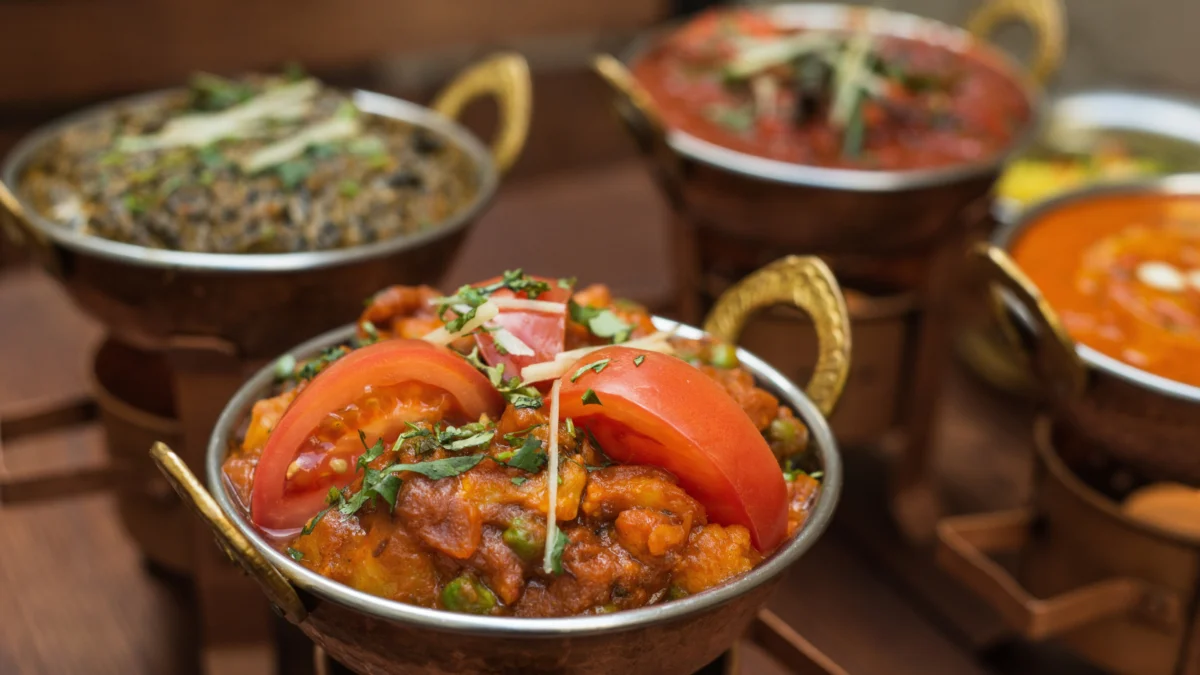
For many home cooks, the quest to replicate the deep, velvety, and complex flavors of a restaurant-grade curry is a perennial challenge. Despite following recipes to the letter, the results often lack that elusive "X-factor"—the punch of aroma, the richness of texture, and the lingering depth that characterizes professional Indian cuisine. However, top industry chefs suggest that the difference does not lie in a secret ingredient, but rather in a series of sophisticated techniques, disciplined patience, and a fundamental understanding of flavor layering.
In an era where home gastronomy is reaching new heights, professional chefs are opening their kitchens to share the foundational pillars of the perfect curry. From the chemistry of fat-soluble spices to the slow caramelization of aromatics, the transition from "home-cooked" to "restaurant-style" requires a shift in methodology.
Main Facts: The Pillars of Professional Curry Construction
The primary distinction between a standard domestic curry and its restaurant counterpart is the approach to the "masala" (the spice and aromatic base). While home cooking often prioritizes speed and convenience, professional kitchens treat the preparation of the base as a high-stakes chemical process.
According to culinary experts, the four pillars of a superior curry are:
- The Role of Lipids: Fat is not merely a cooking medium but a flavor carrier.
- The Tempering Process: Releasing essential oils from whole spices through heat.
- The "Bhoona" Technique: The slow, intensive roasting of the spice paste until the oil separates.
- Flavor Balancing: Achieving a precise equilibrium between acidity, salt, heat, and sweetness.
By mastering these elements, cooks can transform simple ingredients—onions, tomatoes, ginger, garlic, and spices—into a sophisticated dish that rivals the best commercial kitchens.
Chronology: The Step-by-Step Evolution of a Gourmet Curry
The construction of a restaurant-style curry follows a strict chronological order. Skipping or rushing any of these stages results in a "flat" flavor profile.
Phase 1: The Tempering (Tadka)
The process begins with the selection of fat—usually ghee or high-smoke-point oil. Professional chefs emphasize that the fat must be heated properly before any ingredients are added. Once the oil is shimmering, whole spices like cardamom, cinnamon, cloves, and bay leaves are introduced. This initial step, known as tempering, allows the fat to extract the aromatic compounds from the spices, which are then distributed throughout the entire dish.
Phase 2: The Foundation of Aromatics
Following the spices, the aromatics—onions, ginger, and garlic—are introduced. In a restaurant setting, onions are not merely softened; they are often sautéed until they reach a deep, golden-brown hue. This caramelization (the Maillard reaction) provides the curry with its characteristic sweetness and dark color. Adding ginger and garlic paste too early can lead to burning, so chefs typically introduce them once the onions have begun to change color, cooking them until the "raw" pungent aroma is replaced by a mellow, toasted scent.
Phase 3: The Concentration of Masala
This is the most critical stage. Once the aromatics are ready, tomato purée and powdered spices are added. The goal here is to cook this mixture until all the moisture evaporates and the oil begins to seep out from the sides of the paste. This "oil separation" is a visual cue that the spices have been thoroughly cooked and their raw bitterness has been neutralized.
Phase 4: The Liquid Integration and Simmering
Unlike home cooks who might add cold tap water, professionals use hot water or a prepared stock. Adding cold water can "shock" the fats and cause them to solidify or separate poorly, resulting in a grainy texture. The liquid is added gradually, and the curry is allowed to simmer, allowing the proteins (meat or vegetables) to meld with the sauce.
Phase 5: The Finishing Touches
The final minutes of cooking involve "brightening" the dish. This includes adding a touch of acidity (lemon juice or yogurt), a pinch of sugar or honey to balance the heat, and finishing with fresh herbs (coriander), dried fenugreek (kasuri methi), or a swirl of heavy cream.
Supporting Data: The Science of Flavor Development
The efficacy of these techniques is backed by food science. Spices contain volatile oils that are fat-soluble rather than water-soluble. When spices are "bloomed" in oil, their flavor molecules are released and stabilized. If spices are added directly to a water-based liquid, they often remain suspended and taste "dusty" or raw.
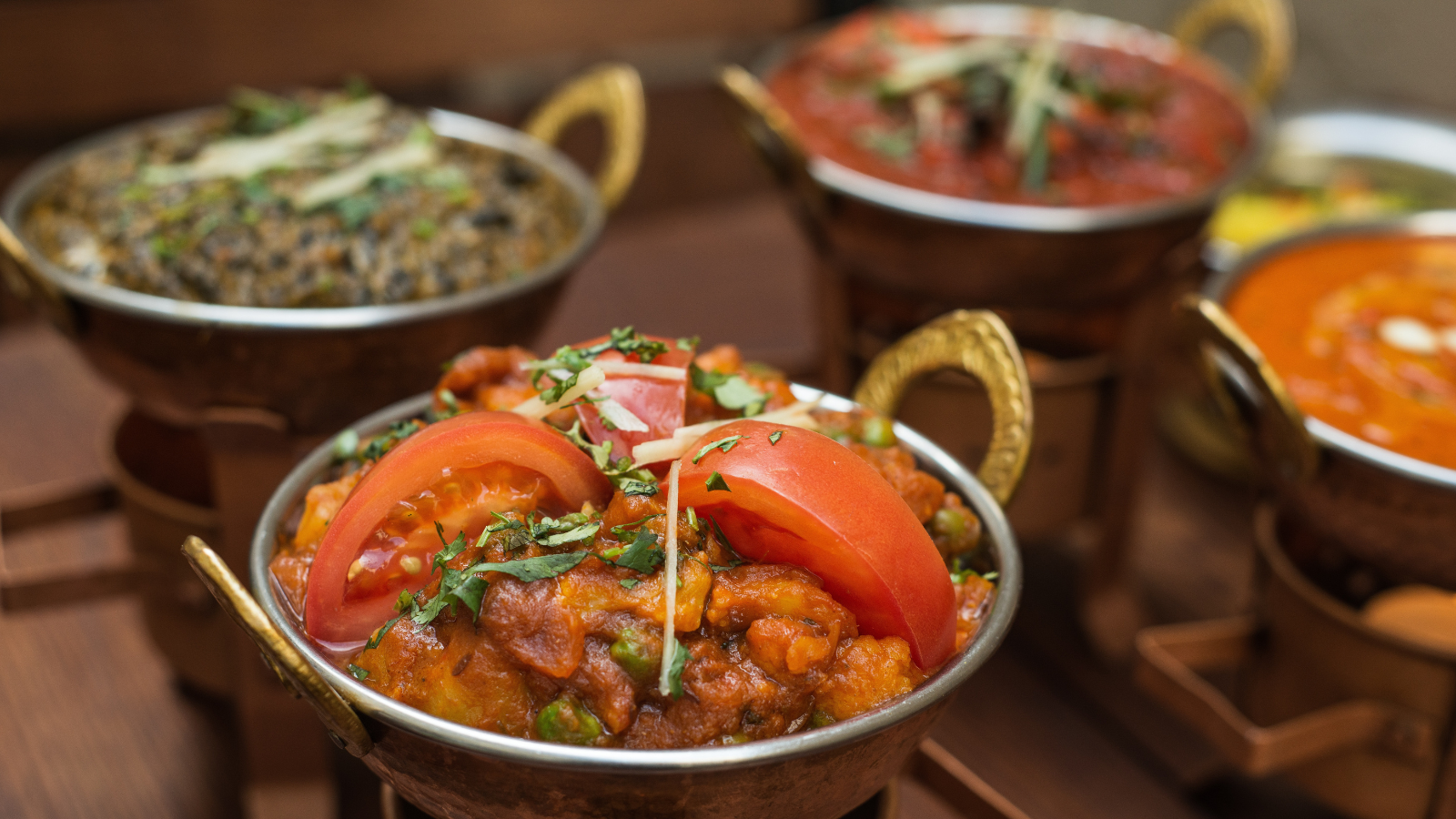
Furthermore, the "Bhoona" process (slow roasting) facilitates complex chemical changes. As the water in the onion-tomato base evaporates, the temperature of the mixture rises above 100°C (212°F), allowing for caramelization and the development of new, savory flavor compounds. This is why a curry that has been cooked for 45 minutes often tastes significantly better than one cooked for 15 minutes, even if the ingredients are identical.
Official Responses: Insights from the Experts
Several prominent chefs have weighed in on how to bridge the gap between domestic and professional results.
Chef Bharat Sharma, Sufiaana by Cherish, emphasizes the importance of the initial stages. "Fat helps distribute flavors evenly throughout the curry. Heating oil or ghee properly helps release and distribute the flavors of the spices, giving the gravy a richer texture," Sharma notes. He further advises that the "raw smell" of ginger and garlic must be entirely eliminated before moving to the next step, a detail often overlooked in hurried home cooking.
Sunil Dasila, Head Chef at Salt Cafe (Noida and Delhi), focuses on the balance of the final product. "Always cook out raw spices thoroughly to prevent the gravy from tasting flat or bitter," he explains. Dasila also suggests that the secret to that "restaurant shine" is often a final tadka (tempering) or a touch of ghee added just before serving, which provides a fresh aromatic hit.
Chef Prashant Kumar Singh, Operations and Kitchen Manager at Banaraswala Ghat se Ghar Tak, highlights the layering of spices. "Restaurants don’t depend on one spice for flavor but build it in layers. Whole spices for aroma, powdered spices for depth, and fresh coriander, kasuri methi, or a finishing tempering at the end," Singh says. He warns that adding liquid too early is the most common mistake made by home cooks, as it prevents the masala from reaching the necessary temperature to develop deep flavors.
Implications: The Evolution of the Home Kitchen
The democratization of these professional techniques has significant implications for the future of home cooking and the broader food industry.
1. The Rise of "Slow Food" at Home
As consumers become more educated about culinary techniques, there is a growing trend toward "slow cooking" even in busy households. Understanding that time is an ingredient in itself allows home cooks to produce high-quality meals that reduce the reliance on expensive restaurant deliveries.
2. Health and Ingredient Control
By mastering restaurant-style techniques, home cooks can achieve rich textures without the excessive amounts of heavy cream or butter often used in commercial kitchens to mask poor technique. Controlling the quality of oil and the freshness of spices leads to a healthier, yet equally satisfying, dining experience.
3. Economic Impact on the Dining Industry
As the "quality gap" between home-cooked food and restaurant food narrows, professional establishments are being pushed to innovate further. Restaurants can no longer rely on "standard" gravies; they must offer unique regional specialties, wood-fired techniques, or rare ingredients to justify the dining-out experience.
4. Cultural Preservation
The emphasis on techniques like Bhoona and Tadka helps preserve traditional Indian culinary heritage. By teaching the "why" behind the "how," these chefs ensure that the complex art of curry-making is not lost to the convenience of pre-packaged "heat-and-eat" masalas.
In conclusion, the "secret" to restaurant-style curry is a combination of chemistry and patience. By respecting the process of tempering, browning, and simmering, any home cook can transform their kitchen into a gourmet atelier, proving that the finest flavors are often the result of time well spent over a flame.
