

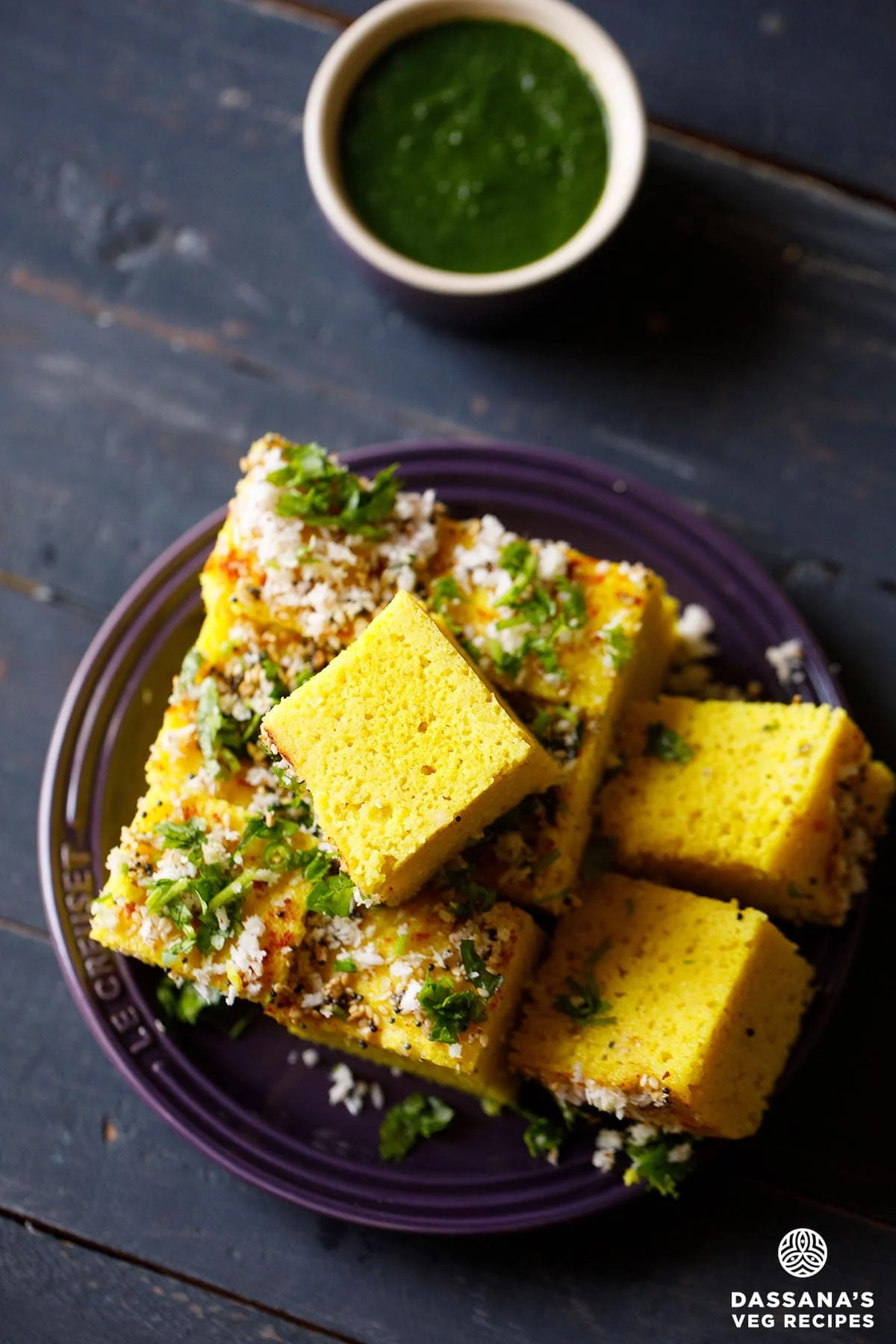
AHMEDABAD – In the diverse tapestry of Indian gastronomy, few regions offer as complex a balance of sweet, savory, and spicy as Gujarat. At the heart of this culinary tradition lies Vati Dal Khaman, a dish that represents more than just a snack; it is a masterclass in the ancient art of fermentation and steam-based cooking. Also known as Surati Khaman or Chana Dal Dhokla, this traditional savory cake remains a staple of the "slow food" movement in India, resisting the modern shift toward instant, chemically leavened alternatives.

While the global culinary world has recently rediscovered the benefits of fermented foods—from sourdough to kimchi—the practitioners of Gujarati cuisine have utilized these biological processes for centuries. Vati Dal Khaman is the quintessential example of this heritage, relying on the symbiotic relationship between legumes, grains, and wild yeasts to create a texture and flavor profile that instant flours cannot replicate.

The Core Identity: Defining Vati Dal Khaman
To the uninitiated, the distinction between Khaman and Dhokla can be subtle, but to a connoisseur, the difference is foundational. While many modern "instant" versions use besan (gram flour) for speed, the authentic Vati Dal Khaman is prepared using chana dal (split Bengal gram) that has been soaked and ground.

The inclusion of a small portion of rice is a strategic culinary choice, providing a structural softness that balances the dense protein of the lentils. The addition of curd (yogurt) acts as the catalyst for fermentation, introducing the necessary acidity and microbial life to transform a heavy batter into a light, airy delicacy.

Chronology of Craft: The 24-Hour Life Cycle of a Savory Cake
The production of Vati Dal Khaman is an exercise in patience, requiring a timeline that spans nearly an entire day. The process is divided into several critical phases, each governed by specific chemical and physical changes.

Phase I: Hydration and Selection (Hours 1–5)
The journey begins with the selection of high-quality chana dal and rice. In a standard artisanal preparation, 200 grams of dal are paired with 50 grams of rice. A subtle but vital addition is the inclusion of fenugreek (methi) seeds. Though optional, these seeds contain natural mucilage that aids in the fermentation process and adds a faint, bitter undertone that complements the sweetness of the final tempering. The ingredients are rinsed and submerged in water for a minimum of four to five hours, allowing the starches and proteins to hydrate fully.

Phase II: The Precision Grind (Hour 6)
Once hydrated, the mixture is drained and moved to a grinder. This stage is where the texture of the Khaman is determined. Unlike many Indian batters that require a silk-smooth consistency, Vati Dal Khaman demands a "rava-like" or semolina-fine texture for the rice, while the chana dal is ground more finely. This dual-texture approach ensures that the final product has a "bite" to it—a characteristic known as daridara. During this phase, fresh aromatics such as green chili, ginger, and cumin seeds are integrated directly into the batter.

Phase III: The Fermentation Window (Hours 7–16)
The ground paste is then inoculated with curd and seasoned with turmeric and salt. It is left to rest in a warm environment for eight to nine hours. During this period, lactic acid bacteria and natural yeasts consume the sugars in the dal and rice, producing carbon dioxide. This gas creates a network of tiny bubbles, while the lactic acid provides the signature "tang" associated with authentic Surati snacks. In colder climates, this window may extend beyond 12 hours, highlighting the dish’s reliance on environmental conditions.

Phase IV: The Thermal Transformation (Hour 17)
The final preparation involves the careful integration of peanut oil and lemon juice. Just before steaming, a leavening agent—either baking soda or fruit salt (Eno)—is briskly whisked into the batter. This reacts with the lactic acid from the fermentation and the citric acid from the lemon juice, causing a rapid expansion. The batter is immediately poured into greased trays and steamed for 20 to 25 minutes.

Phase V: The Tempering (Final Flourish)
The steaming process is followed by a cooling period, after which the cake is cut into squares. The final step is the tadka or tempering. Mustard seeds, sesame seeds, and curry leaves are fried in peanut oil until aromatic. Water and sugar are added to the oil to create a light syrup, which is poured over the Khaman. This "moisture injection" is what gives the dish its succulent mouthfeel, preventing the protein-rich cake from being too dry.

Supporting Data: The Nutritional Profile
From a dietary perspective, Vati Dal Khaman is a high-protein, low-fat alternative to fried snacks. According to nutritional analysis, a standard five-serving batch yields approximately 271 calories per serving.

Key Nutritional Metrics (per serving):

- Protein: 9g (High for a snack category)
- Fiber: 12g (Aiding in digestive health)
- Carbohydrates: 41g
- Total Fat: 9g (Primarily heart-healthy monounsaturated and polyunsaturated fats from peanut oil)
- Micronutrients: Significant levels of Vitamin B9 (Folate) at 170µg, Calcium (124mg), and Iron (3mg).
The fermentation process also increases the bioavailability of these nutrients. By breaking down anti-nutrients like phytic acid (commonly found in legumes), the 9-hour fermentation window makes the minerals in the chana dal easier for the human body to absorb.

Expert Perspectives: The Culinary Philosophy
Culinary experts often point to Vati Dal Khaman as a bridge between home cooking and street food excellence. For many, like Mumbai-based recipe developer Dassana, the dish is tied to cultural memory. "Growing up in a suburb of Mumbai, I remember a vendor in our local vegetable market who sold dhokla made with fermented batter," she recalls. "The dhokla was very popular and would sell out quickly. Fermentation brings about changes in the taste, aroma, and texture… it can also improve digestibility."

Food scientists note that the "Surati" style of Khaman is particularly prized for its porousness. The use of baking soda, while sometimes viewed as a modern shortcut, is defended by traditionalists as a necessary aid to ensure consistency, especially in fluctuating weather conditions where natural fermentation may be insufficient to provide the desired "sponginess."

Practical Implications and the "Slow Food" Resurgence
The persistence of Vati Dal Khaman in the face of "Instant Khaman" mixes (which take only 15 minutes to prepare) signifies a growing resistance to the homogenization of flavor. The implications of choosing the traditional method are both cultural and health-oriented:

- Preservation of Probiotic Culture: Traditional fermentation encourages a diverse gut microbiome, a benefit lost in instant, chemically leavened versions.
- Texture Superiority: The coarse-ground texture of soaked dal provides a structural integrity that besan-based cakes cannot match, which often become "pasty" when chewed.
- Economic Sustainability: Using whole dals and basic pantry staples is often more cost-effective than purchasing processed, pre-packaged mixes.
Storage and Service: The Final Presentation
To maintain the integrity of the dish, practitioners recommend serving Vati Dal Khaman at room temperature or slightly warm. It is traditionally paired with Coriander Chutney, Mint Chutney, or a sweet Tamarind Chutney to balance the savory-sour notes of the cake.

For storage, the high moisture content of the tempered cake requires refrigeration if not consumed within a few hours. Experts suggest an airtight container for up to 48 hours, with a brief re-steaming (rather than microwaving) to restore the original fluffiness without toughening the proteins.

Conclusion
Vati Dal Khaman stands as a testament to the sophistication of Gujarati culinary logic. It is a dish that demands respect for time, temperature, and technique. As the global food industry continues to move toward speed and convenience, the continued popularity of this fermented savory cake serves as a reminder that some of the best flavors are those that take 24 hours to develop. It is not merely a snack; it is a preserved piece of edible history, offering a perfect intersection of nutrition, science, and nostalgia.
