

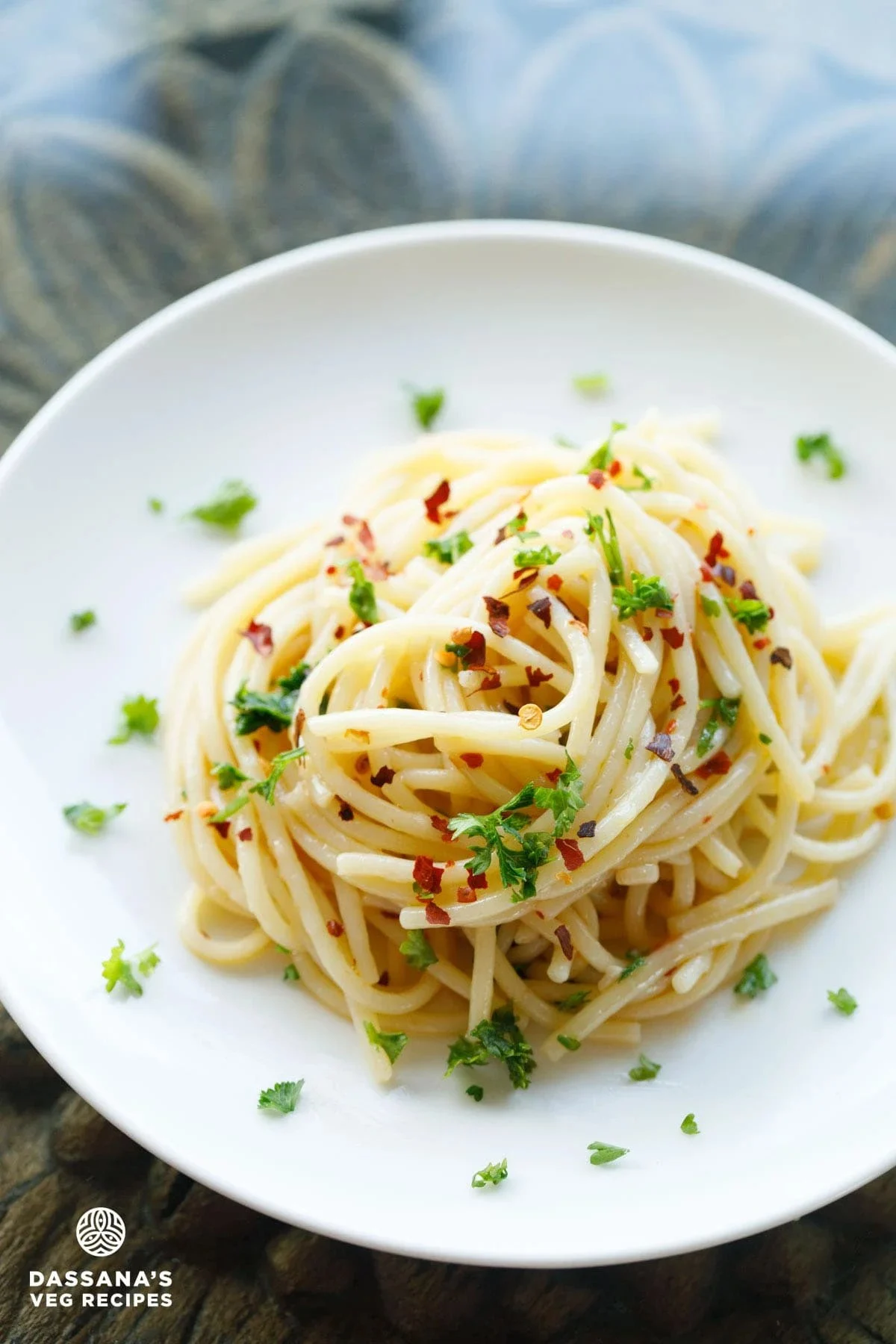
In the pantheon of global cuisine, few dishes manage to achieve the paradoxical status of being both a humble "pantry staple" and a rigorous test of a chef’s fundamental skills. Spaghetti Aglio e Olio, the quintessential Neapolitan pasta dish, stands as a testament to the Italian philosophy of cucina povera—the "kitchen of the poor"—where the scarcity of ingredients is compensated for by the mastery of technique. Comprising little more than dried pasta, garlic, olive oil, and chili, this dish has transcended its modest origins in Southern Italy to become a cornerstone of international culinary culture.
Main Facts: The Architecture of Simplicity
At its core, Spaghetti Aglio e Olio is a study in balance. The name itself is a literal blueprint: aglio (garlic) and olio (oil). While variations exist, the classic preparation relies on four primary components: high-quality durum wheat spaghetti, extra virgin olive oil, fresh garlic cloves, and dried red chili flakes (peperoncino).

The dish is celebrated for its efficiency, typically moving from pantry to plate in under 20 minutes. However, its simplicity is deceptive. Because there is no heavy tomato sauce or cream to mask imperfections, the quality of the raw materials becomes paramount. The olive oil must be robust and fruity; the garlic must be fresh and sliced with precision; and the pasta must be cooked to a perfect al dente—firm to the bite.
Modern iterations, such as the one popularized by culinary experts and home cooks alike, emphasize a fifth "secret" ingredient: starchy pasta cooking water. By emulsifying this water with the garlic-infused oil, cooks create a silky, light sauce that coats each strand of spaghetti, transforming a potentially greasy dish into a refined, cohesive masterpiece.

Chronology: From the Streets of Naples to Global Tables
The history of Spaghetti Aglio e Olio is inextricably linked to the socio-economic history of Naples and the surrounding Campania region.
The 18th and 19th Century Origins
While pasta has ancient roots, the specific combination of garlic and oil as a primary sauce gained prominence in the late 18th century. During this era, Naples was one of the most densely populated cities in Europe. For the working class, meat was a rare luxury. Olive oil and garlic, however, were abundant and affordable. This "peasant" dish provided the necessary caloric intake and flavor without the need for expensive proteins or labor-intensive sauces like ragù.

The Post-War Culinary Export
Following World War II, the Italian diaspora carried the recipe across the Atlantic and throughout Europe. In the United States, it became a staple of Italian-American households, often serving as a "midnight snack" or a quick meal for late-shift workers. During this period, the dish began to evolve, with some regions adding parsley for freshness or toasted breadcrumbs (mollica) to mimic the texture of grated cheese—another luxury that the poorest families could not always afford.
The Modern Renaissance
In the 21st century, Spaghetti Aglio e Olio has seen a resurgence in fine dining. Renowned chefs often include it on menus as a "chef’s test." The 2014 film Chef, directed by Jon Favreau, famously featured a meticulously prepared Aglio e Olio, sparking a global trend and introducing a new generation to the beauty of the dish. Today, it is regarded not just as a quick meal, but as a sophisticated example of minimalist gastronomy.

Supporting Data: The Science of the Sauté and Nutritional Profile
To understand why this dish remains a dietary staple, one must look at both the chemical reactions involved in its preparation and its nutritional composition.
The Emulsification Process
The most critical technical step in a modern Aglio e Olio is the creation of the emulsion. When starchy pasta water (containing amylopectin released during boiling) is whisked into the warm olive oil, it acts as a stabilizing agent. This prevents the oil from pooling at the bottom of the bowl and ensures that the flavors of the garlic and chili are distributed evenly across the surface of the pasta.

Nutritional Breakdown
Based on a standard serving size for two (utilizing approximately 250 grams of spaghetti and 6 tablespoons of olive oil), the nutritional profile is robust:
- Calories: Approximately 844 kcal per serving.
- Fats: 44g (with 31g being heart-healthy monounsaturated fats from olive oil).
- Carbohydrates: 95g, providing sustained energy.
- Protein: 17g, primarily from the durum wheat.
- Micronutrients: The dish is surprisingly rich in Vitamin K (125 µg), Vitamin A (802 IU), and essential minerals like Magnesium (79 mg) and Potassium (344 mg).
The inclusion of garlic also provides allicin, a compound known for its anti-inflammatory and cardiovascular benefits, while the red chili flakes offer a metabolic boost through capsaicin.

Official Responses: Culinary Experts on Best Practices
Culinary professionals and traditionalists emphasize that while the recipe is flexible, certain "golden rules" must be observed to maintain the integrity of the dish.
The Garlic Consensus
Experts agree that the most common mistake is burning the garlic. "The garlic should be sautéed on low heat until it reaches a pale golden hue," notes one culinary guide. "If it turns dark brown, it becomes bitter and acrid, ruining the delicate balance of the oil." Many chefs recommend adding the chili flakes only after the heat has been turned off, allowing the residual warmth of the oil to extract the spice without scorching the pepper.

The "No Rinse" Mandate
Official culinary pedagogy strictly forbids rinsing the pasta after draining. The surface starch is essential for the sauce’s adherence. Furthermore, reserving at least one cup of the "liquid gold" (the pasta water) is now considered an industry standard for achieving the desired silky texture.
Ingredient Quality
The consensus among Italian gastronomic associations is that "Extra Virgin" is not just a label but a requirement. Since the oil is not hidden by other flavors, using a low-quality or rancid oil will be immediately apparent. Similarly, the use of fresh, flat-leaf Italian parsley—added at the very end—is recommended to provide a necessary herbaceous contrast to the rich fat and heat.

Implications: The Future of Essentialism in Food
The enduring popularity of Spaghetti Aglio e Olio has broader implications for the future of the global food industry and consumer habits.
Sustainability and Accessibility
As global food prices fluctuate and the environmental impact of meat production comes under scrutiny, Aglio e Olio serves as a model for sustainable eating. It is a plant-forward dish that relies on shelf-stable staples, reducing food waste and the carbon footprint associated with cold-chain logistics.

The "Less is More" Movement
In a world of over-processed "hyper-palatable" foods, the return to simplicity represents a shift in consumer consciousness. There is a growing appreciation for dishes that highlight the provenance of ingredients. This movement encourages consumers to invest in better quality basics—like artisanal pasta and single-origin olive oil—rather than a multitude of cheap additives.
Cultural Preservation
Finally, the dish serves as a vital link to Italian heritage. It reminds the culinary world that innovation does not always require new technology or exotic ingredients; sometimes, it simply requires the refinement of a centuries-old technique. As home cooks continue to share and adapt the recipe, Spaghetti Aglio e Olio remains a living piece of history, proving that the most profound flavors are often found in the most modest of places.

Summary of Preparation for the Modern Kitchen
For those seeking to replicate this classic, the process remains a 20-minute ritual:
- Boil: Cook 250g of spaghetti in salted water until just before al dente.
- Infuse: Gently warm 6 tablespoons of EVOO with 2 teaspoons of minced garlic.
- Heat: Add chili flakes once the garlic is golden; remove from heat.
- Emulsify: Add 1/2 cup of reserved pasta water to the oil and simmer to create a light sauce.
- Combine: Toss the pasta in the pan, adding parsley and more water as needed until the strands are glossy and perfectly cooked.
By mastering these steps, the cook does more than just prepare a meal; they participate in a culinary tradition that has sustained and delighted for generations.
